
Every JPEGMAFIA Album Ranked Worst To Best
JPEGMAFIA’s best albums are the ones that keep moving, mutating and picking fights with their own reputation.
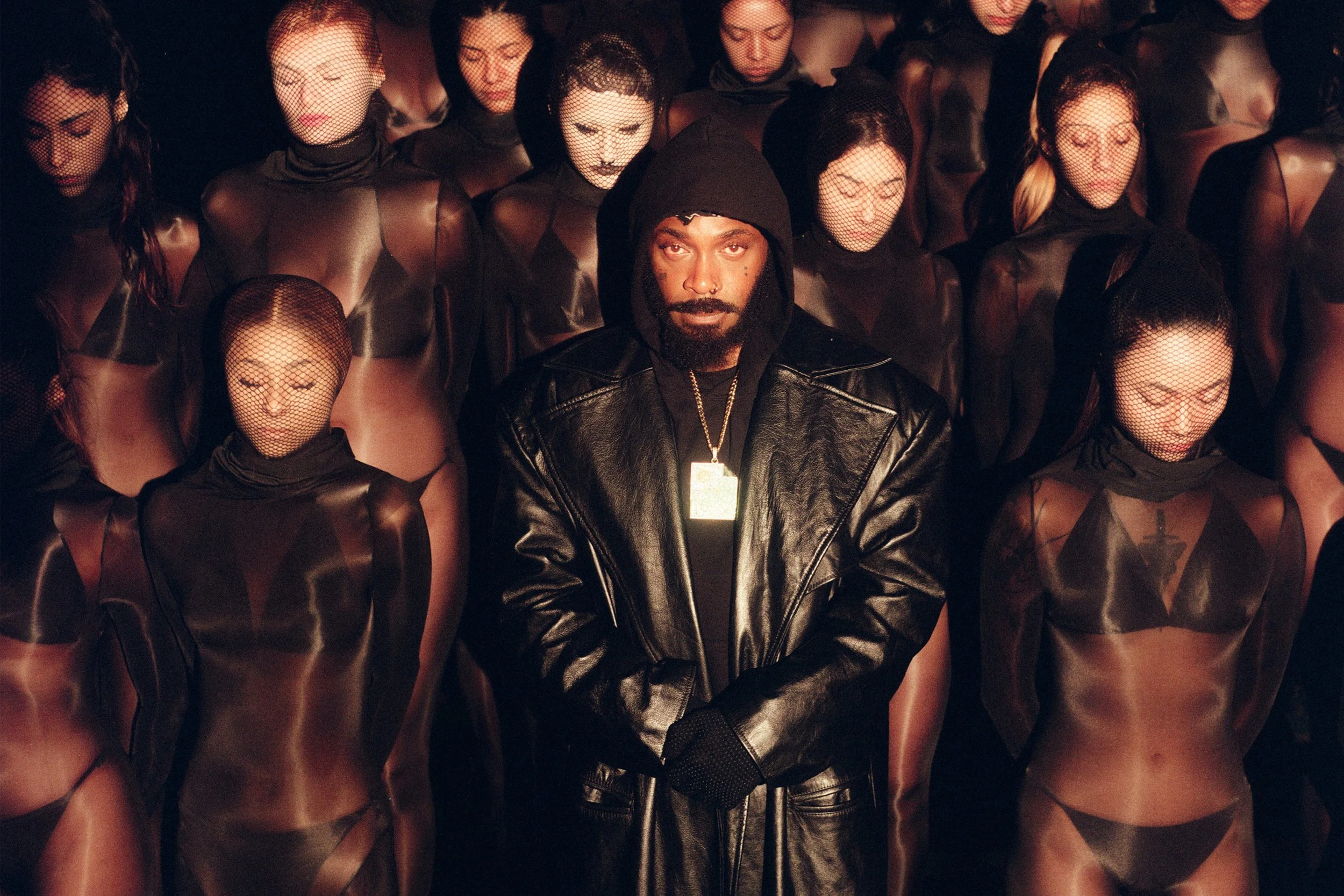
Experimental rap has grown massively over the past decade or so. Death Grips became the obvious face of that rise, with plenty of artists either copying their sound outright or trying to break away from the conventions that formed in their wake. The 2010s also brought through acts like Injury Reserve and clipping., while artists such as Danny Brown, who had been around long before MC Ride started screaming about guillotines into everyone’s ears, began refining their own strange corners of rap and letting other genres tangle with it. Still, a lot of artists in this lane tend to either stay in obscurity or build a dedicated fanbase without ever really escaping their early sound. One artist proved otherwise: JPEGMAFIA.
Across a career that stretches back through his Devon Hendryx era, Peggy has gone through several stylistic changes, often returning to old ideas and giving them new life in later projects. For a while, it seemed like he could do no wrong, dropping one fantastic album after another, each one showing his evolution not only as an artist but as a producer. Lately, though, the Baltimore rapper has come under more scrutiny, especially as he seems to have leaned further into the abrasive persona his fanbase and the internet built around him. His latest work has not received the same critical acclaim as previous outings, raising the question of whether Peggy’s best days might be behind him.
This list ranks his six main studio albums, excluding collaborations and deluxe editions, in an attempt to understand where he excelled, where things started to slip, and what made his strongest work so exciting in the first place.
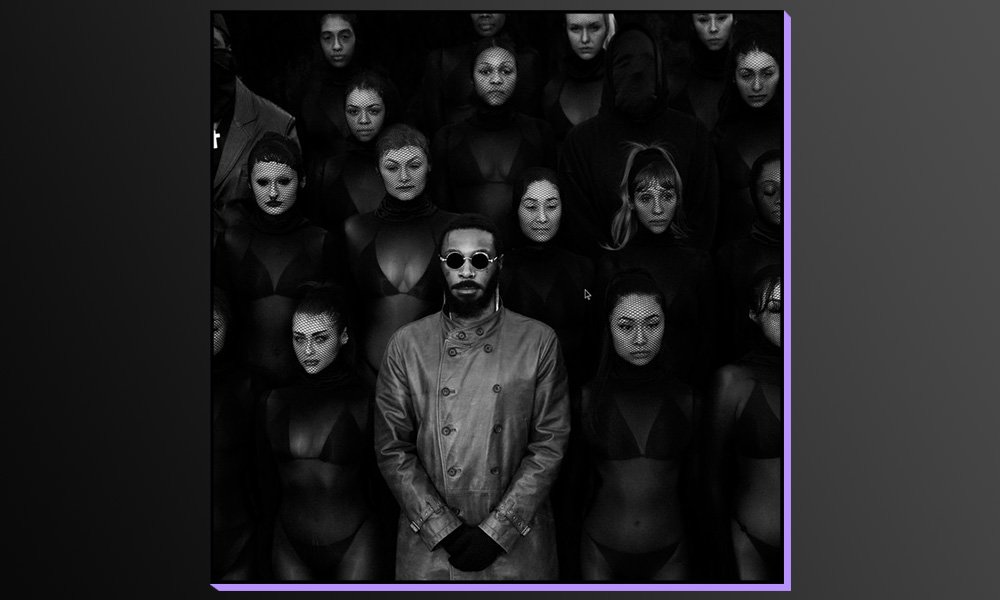
6) Experimental Rap (2026)
After a tremendous run with I Lay Down My Life for You, it seemed as if greater things might be coming: potentially a new sound, or maybe just a break for Peggy. Less than two years after that album’s release, the world was greeted with a new single in the form of ‘babygirl’. In terms of sound, it was more or less the same booming production as I Lay Down My Life for You, yet its runtime was significantly shorter than most of his earlier singles. That problem ended up plaguing the entire album.
Paired with a disastrous PR campaign whose only task seemed to be fuelling the egocentric, artificial persona created by JPEG himself, Experimental Rap landed at a dead end and felt like a victory lap for the rapper. Regurgitating the same ideas in fewer minutes, the album offered little besides confusion and an abundance of questions. The songs flow into each other, but in a dissatisfying way, making it feel like one long track in which nothing ever really changes.
‘Burning Hammer’, the longest song on the album at three minutes and thirteen seconds, is also the most listenable, with great production choices giving birth to new ideas that might be expanded upon in the future. Nonetheless, it ends too quickly, and even then it only stands out among a sea of mediocrity and repetition. ‘Lights’ is an even more glaring annoyance. We get it, Peggy, you bullied Kanye into working with you. That whole side quest is questionable as it is and should probably be forgotten. It is sadder still to realise that the single that came out after the album, ‘Valentine’s Day Freestyle ’26’, was miles better than the entirety of Experimental Rap.
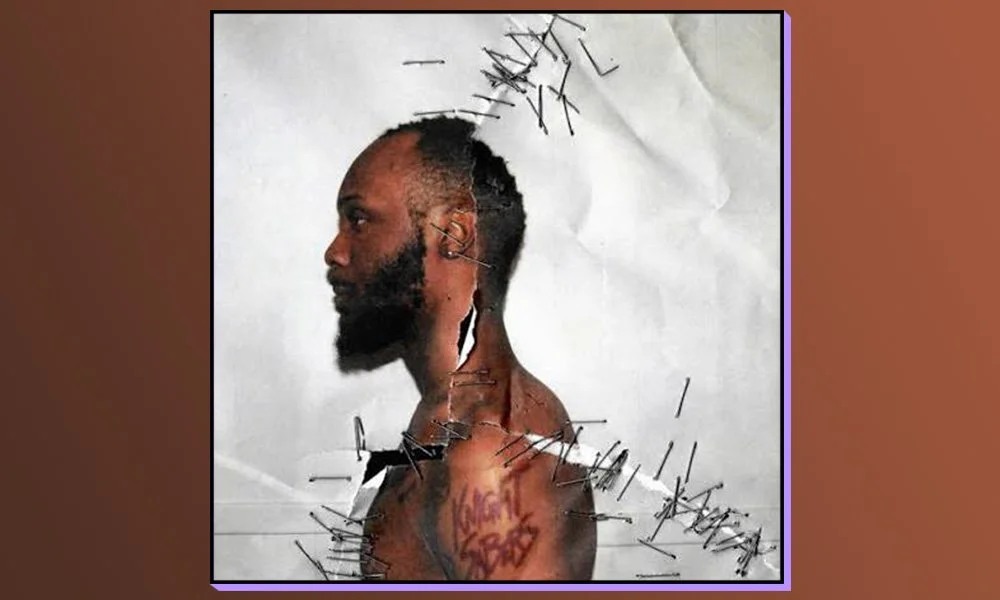
5) Black Ben Carson (2016)
‘Peggy, Peggy, I’m the new young Mayweather. I’m just trying to take hip-hop out the Drake era.’ These are the opening words of JPEGMAFIA’s debut album under that moniker. For years before Black Ben Carson, he had uploaded lo-fi albums under his Devon Hendryx alias, with rap verses sprinkled throughout. The shift here is drastic: more confrontational, more politically charged, and more futuristic, outgrowing the chill, sedated, loop-heavy beats of his earlier internet-underground work. The change happened because of Peggy’s refusal to stay in one box.
The 2016 album weaves in elements from earlier records such as Dreamcast Summer Songs and The Rockwood Escape Plan: forgotten-sounding beats that feel familiar, like records found in an attic and modified for a newer generation of listeners. Rather than staying trapped in standard underground lo-fi or boom-bap conventions, he keeps challenging himself through high-definition clarity, sudden beat switches and chaotic wall-of-sound production.
This album also marks the first full appearance of JPEGMAFIA’s personality: aggressive, politically charged and unafraid of backlash. Returning to ‘Drake Era’, Peggy already positions himself as someone who wants to reform rap after Drake had become the face of the genre.
Despite the confidence of the album and its lyrics, the songs themselves don’t always progress sonically. Most of the beats are raw, but beyond sounding outlandish, there isn’t always much room for experimentation that pays off. The lo-fi aspects of the production are still here and can sound great, yet they don’t always sit comfortably with his vocal performances. Black Ben Carson is a useful jumping-off point. Still, with better albums arriving after it, there is not much incentive to check this one out unless you are a huge fan of Peggy and want to hear the roots of his creativity.
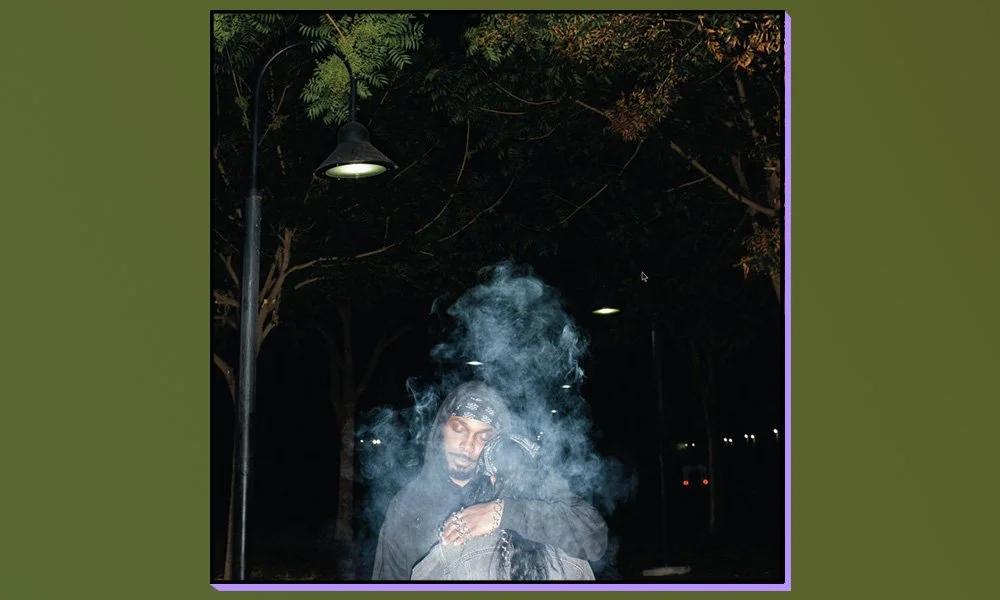
4) LP! (2021)
Shortly after the COVID-19 pandemic sent everyone into a frenzy of remembering the past and shaving their heads bald, JPEG turned things around in comparison to his usual release tactics. Singles were dropped, but many of them became part of the tracklists for EP! and EP!2. The latter put Peggy’s softer side in front of a bigger audience, with more melodic tracks and actual singing from the man himself. With that in mind, it was interesting to see where things would head next.
LP! feels like a combined effort between the two, with some songs from the first EP ending up on it. Although the second EP was set to the side, its influence is present in LP!, with ‘KISSY FACE EMOJI’ and ‘THOT’S PRAYER’ being prime examples. Auto-Tune is front and centre here, making him sound more like an exaggerated version of a futuristic R&B singer than anything else. The rest of the album, though, doesn’t bring a huge amount of innovation to the table compared with the two records that came before it. Production-wise, it’s all great, with the unnecessary glitchy fun either gone or reduced to a minimum for a clearer sound.
‘WHAT KIND OF RAPPIN’ IS THIS?’, which ditches the exclamation-point format for an actual question, showcases a personality trait still present in Peggy today: taking a bite out of everyone who goes up against him. Lyrics like ‘Wrist, wrist, wrist (ah) / Ice, ice, ice, bitch’ exist to poke fun at the general songwriting process of rap, pointing out how repeating the same word while boasting about status can create a superficial and hollow listening experience, especially when paired with a classic-sounding rap beat.
One definite highlight is ‘BMT!’, an acronym for Basic Military Training. A key part of Peggy’s life is his military service, and, given the chance, he will go off on it, criticising the entire experience. It is a major reference point for his work. The beat samples a military march, with a constant ‘GO LEFT HUT!’ heard throughout. The lyrics don’t so much criticise American recruitment as suggest that, because of his past service, Peggy is not only musically fit to overthrow someone, but also physically ready to take someone down in the rap world.
There is plenty of quality here, but that’s where it ends: a few interesting beats, great flow that becomes a little repetitive, and no real wow factor. Peggy can make good albums, and with this one he proved he could do so without bending the rules too much.
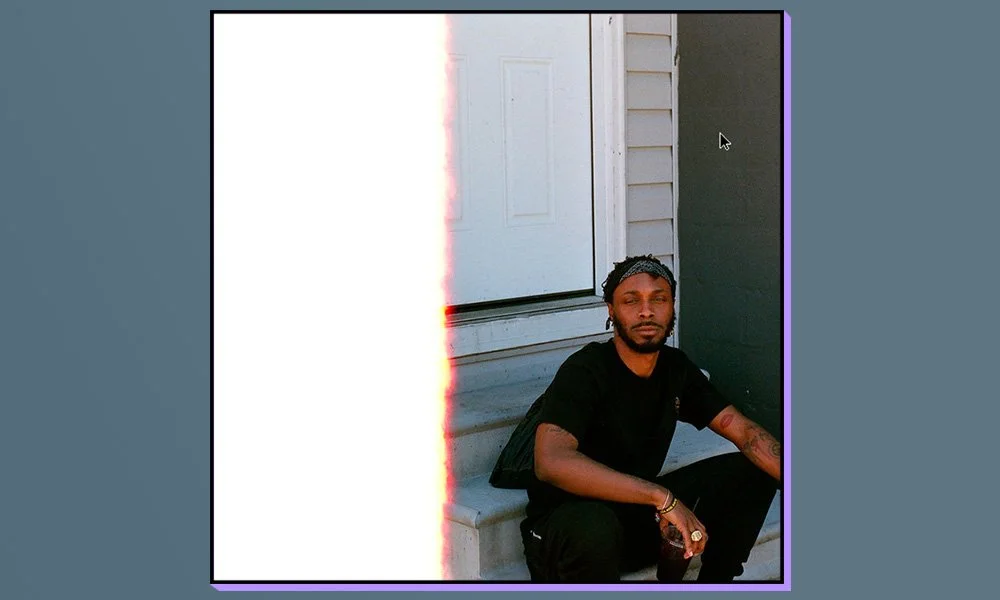
3) Veteran (2018)
Without a doubt, this is the album that put JPEGMAFIA on the map. Veteran came out at a time when there was a craving for something far more adventurous in rap. BROCKHAMPTON, even if different in style, had already created buzz in the internet rap zeitgeist, and interest in Veteran came naturally from a desire for harsher and more outlandish sounds.
Peggy starts things off quite simply with ‘1539 N. Calvert’, a beat familiar to the ears, with a dynamite delivery that hypes you up the longer it goes. From that point forward, a multitude of branching ideas come to the forefront. Songs like ‘Real Nega’ push sampling to its boundaries: rather than relying solely on existing music, the track samples Ol’ Dirty Bastard of Wu-Tang Clan fame, reworking his crackling voice into something musical, accompanied by blaring drums that, in a way, evoke tribal music.
JPEG is a scholar of internet culture in comparison to most of his contemporaries, and this album makes that clear as day with songs like ‘My Thoughts on Neogaf Dying’. The topic is bizarre in itself, the kind that wouldn’t be on anyone’s priority list, yet the track becomes a lo-fi chant of constant ‘I don’t care’. The song has a mind-numbing effect, and, paired with its sombre beat, it transports the listener through the lifeless corners of the internet.
The album generally feels like its cover, which looks like the first exposure taken on a new roll of film: visible burn marks from the roll, graininess, a feeling of roughness that becomes part of the image. A lot of the beats have the same feeling, raw and without much help from other producers. It is just one man sitting on his porch, playing around with a drum machine and a sampler.
Veteran was well received by critics and fans alike, igniting more interest in Peggy. Nevertheless, many of the sounds were new enough to feel like a chore for more casual listeners. Although off-putting to many, JPEGMAFIA’s sophomore album opened new doors and pointed towards a promising future.
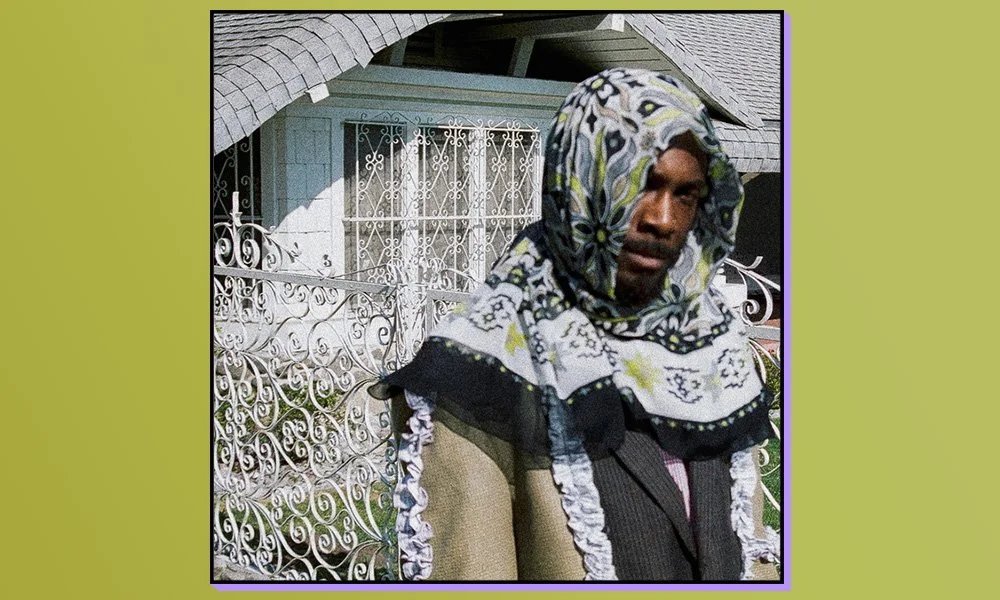
2) All My Heroes Are Cornballs (2019)
Peggy returned with a new single in the form of ‘Jesus Forgive Me, I Am a Thot’. With a sound not quite similar to the previous album’s, speculation around the forthcoming project grew quickly. One of the many criticisms he received was that the single sounded seriously off-putting on first listen. JPEG seemed unbothered, and followed the backlash with a genius album rollout.
Interviewing a slew of musicians who also happened to be his friends, Peggy released a series of videos labelled DISAPPOINTED. One musician after another sat down with JPEG and dragged the songs he played for them through the dirt. In turn, this created a general perception among the fanbase that the album would be such a leap into unknown territory after Veteran that it might not sit well with everyone.
But reality was not that simple. With the idea of the album being bad planted from the start, listeners like me were cautious from the very first notes. I sat there trying to find faults in the album, and then it turned out that All My Heroes Are Cornballs treads familiar territory while still evolving Peggy’s style even further. JPEG transports the listener to the same attic present on the cover: nothing but musical equipment and satin robes lying around, accompanied by a dim purple light.
‘Free the Frail’ is arguably the most well-known song from this release. It lulls you into a soft embrace through the additional vocals of Helena Deland. Peggy’s verse flows in sweetly, as if he is trying to send you off on a journey, just like that one GIF of a dog hovering around the sky on a flying carpet.
All My Heroes Are Cornballs also has plenty of room for the Baltimore rapper’s usual aggressive style. ‘Kenan vs. Kel’ fits right in, with the song split into two sections. Funnily enough, that stylistic choice also fits the characters the song is named after: Kenan is the calm and collected one, while Kel is the extravagant and loud one of the duo.
As if JPEG weren’t already on the nose with the constant fourth-wall breaks in his lyricism, there is the short interlude ‘JPEGMAFIA TYPE BEAT’. Even with its brief runtime, it shows that he is fully aware of how many people perceive him and joke about him daily online. The alleged beat feels as if everything was thrown into a blender, creating an overstimulating impression of what someone who has never listened to JPEGMAFIA imagines his songs sound like. Other tracks, like ‘Post Verified Lifestyle’ and ‘BBW’, keep the structure of the album whole without compromising on the existence of newer ideas.
With this album, you can clearly hear the beginning of the softer side that would later shape releases like EP!2 and LP!, while Peggy still stays in touch with the sound that made him prominent in the first place.
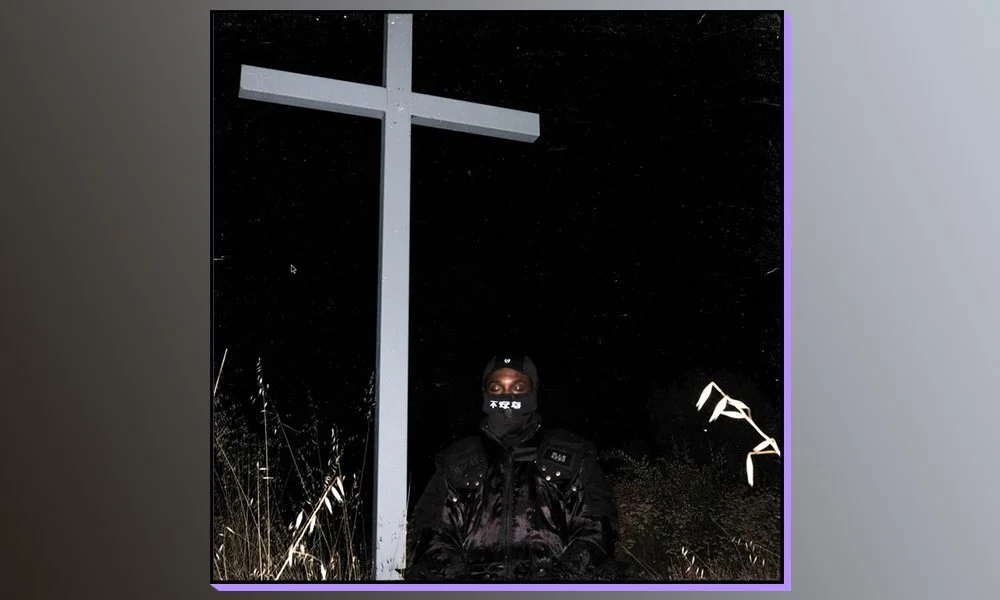
1) I Lay Down My Life for You (2024)
On August 1, 2024, JPEGMAFIA released I Lay Down My Life for You with very little warning, having announced it only a few days earlier. It was his fifth solo album and his first solo release since LP! three years prior, with the collaborative Scaring the Hoes filling the gap in 2023. After the off-the-wall production of that record, many people expected Peggy to keep scratching the itch for something new. Instead, he did something few had anticipated: he got personal. The album is more mellow than anything he had made before, with songs like ‘Either On or Off the Drugs’ showing a side of him that the chaos of his earlier work usually kept hidden.
Sonically, the album leans heavily into rock, with sampled riffs, heavy guitars and wild solos. In a way, this matches the aesthetic of the album itself: on the cover, Peggy is fully clothed in dark military attire, a fitting image for a record whose themes include conscription, capitalism and propaganda. The military has been a reference point for Peggy since ‘BMT!’ on LP!, but here it stops being a punchline and becomes the visual and thematic backbone of an entire project.
‘It’s Dark and Hell Is Hot’ is a great song, borrowing from Brazilian dance beats while somehow still sounding dark and keeping its hype-inducing elements. Another standout is ‘JPEGULTRA!’, featuring Denzel Curry. The two rappers share a close chemistry, much like Peggy does with Danny Brown, so the beat sounds like the return of classic superheroes, or a theme song played as famous heavyweight champions walk into the ring. The bars go back and forth between Curry and Peggy, each pushing the other to match his energy.
This is the point where everything the previous albums built finally comes together. It has the confrontational politics of Black Ben Carson, the sample-hungry creativity of Veteran, the softer side introduced on All My Heroes Are Cornballs and developed on LP!, and a clarity of production that rivals all of them. Critics noticed as well, and the album landed on year-end lists from outlets like NPR and TIME. Across fourteen tracks, it never feels like a victory lap. It feels like an artist taking stock of everything he has learned.
If there is a flaw, it lies not in the music but in what surrounded it. The internet persona Peggy built around himself, constantly boasting and crowning himself king of the very subgenre that made him popular, grew louder with each release. It is the same persona that would later weigh down Experimental Rap.
Final Thoughts
Looking at the list as a whole, a pattern emerges. The albums at the top, I Lay Down My Life for You, All My Heroes Are Cornballs and Veteran, are the ones where Peggy built on what he already had and added something new each time: a sample-driven approach, a softer side, a rock-heavy sound. The ones at the bottom either hadn’t fully found their footing, as with Black Ben Carson, or simply repeated themselves, as with Experimental Rap, while LP! sits in between as a polished record that played it safe. That answers the question from the start: things began to dwindle not because Peggy ran out of talent, but because he stopped challenging himself and let the persona do the talking.
Most experimental artists end up stuck in one sound or fade into obscurity, and for almost twenty years Peggy avoided both by refusing to stay in one box. One disappointing album doesn’t undo that, and the new ideas in ‘Burning Hammer’ suggest the creativity is still there. Whether his time is up depends on whether he returns to what made his best work great: reinventing himself instead of celebrating himself.
If he does, his next album might just reshuffle this list again.