
Every Talking Heads Album Ranked From Worst To Best
From nervy New York art-rock to funk, Afrobeat and immaculate pop, we rank all eight Talking Heads studio albums from worst to best.
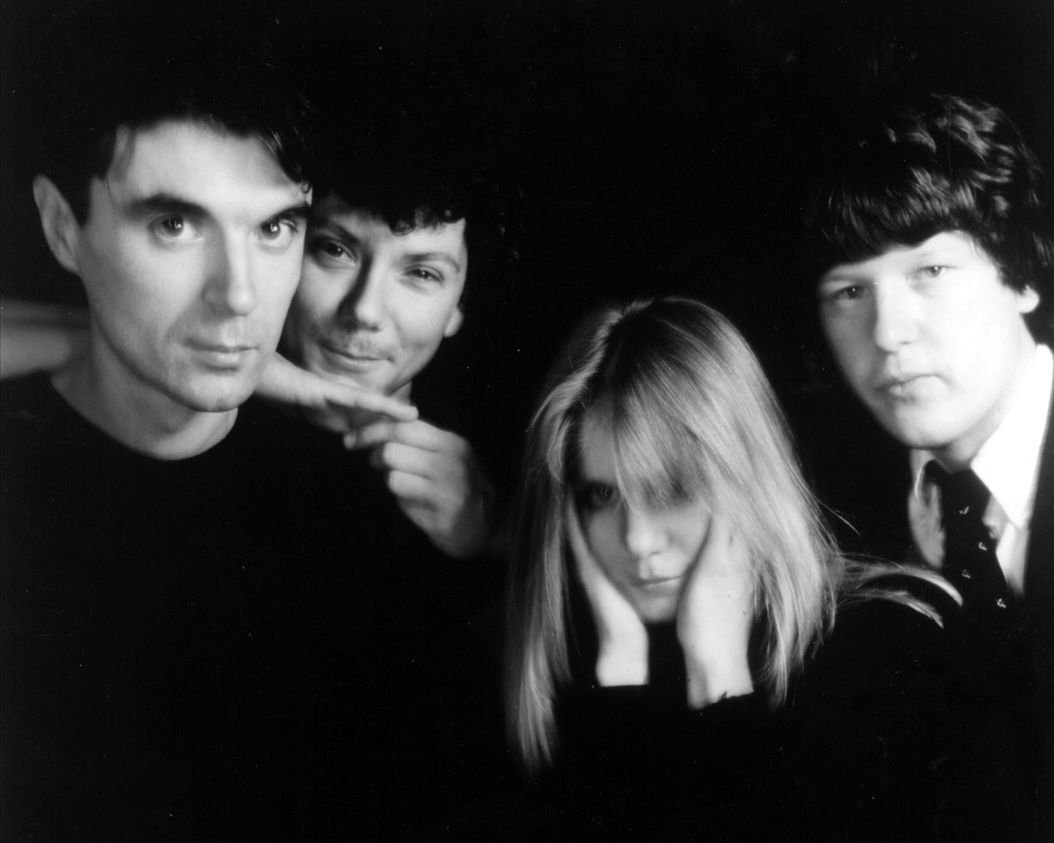
Few bands emerged from New York’s late-1970s underground with quite as many ideas as Talking Heads. Across eight albums, David Byrne, Chris Frantz, Tina Weymouth and Jerry Harrison pulled nervy art-rock through funk, punk, disco, Afrobeat and pop, continually reshaping what the band could be. From their raw CBGB beginnings to the rhythmic experiments of Remain in Light and eventual embrace of polished pop, theirs is a remarkably difficult discography to rank. Nevertheless, here are Talking Heads’ eight studio albums, ranked from worst to best.
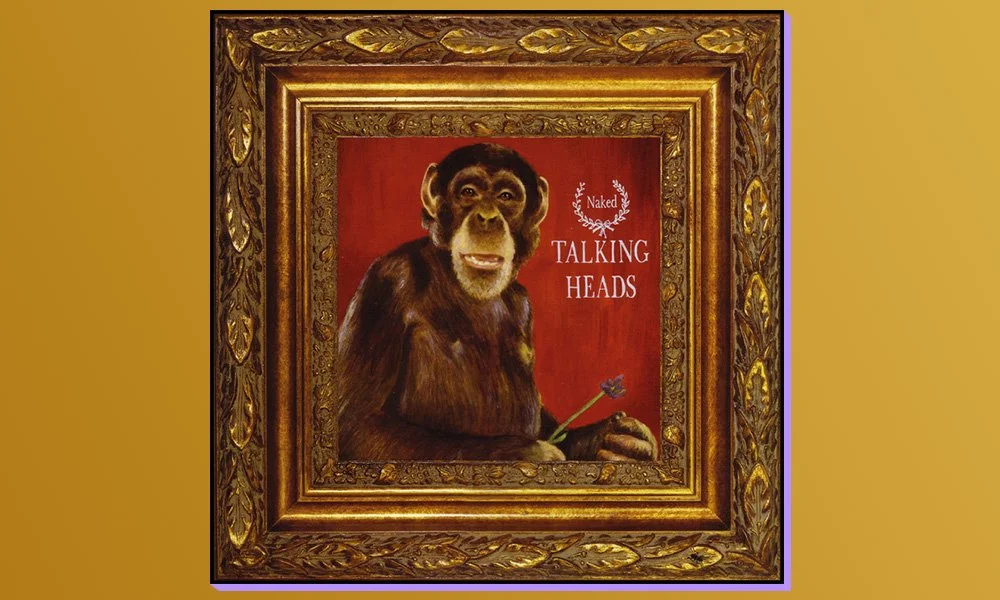
8) Naked (1988)
Their eighth and final studio album, Naked, stumbles into last place. Its preoccupation with primal urges makes for a somewhat bloated record with some clunky lyricism, although the rhythmic brilliance of ‘(Nothing But) Flowers’ offers a reminder of what Talking Heads could still do.
There are flashes of the old invention elsewhere. ‘Blind’ opens the record with blaring brass and a restless funk groove, while ‘Bill’ pushes the band into murkier territory. Recorded largely in Paris with a sizeable cast of additional musicians, Naked certainly isn’t short on ideas; the problem is that they rarely coalesce with the precision of the band’s best work.
Ultimately, Naked sounds like a band beginning to run out of road. Three years later, Talking Heads would split, bringing one of the most influential runs in alternative music to an end.
7) True Stories (1986)
True Stories saw Talking Heads move further towards pop-rock, with mixed results. After spending the previous decade constantly pushing themselves somewhere new, this is one of the first moments where Byrne and company appear to be running out of ideas.
The distorted guitars and blaring horns of ‘Love for Sale’ make for an exciting opening, while ‘Wild Wild Life’ finds plenty of charm in ordinary American life. ‘People Like Us’ taps into the country influence running through the record, but too much of what surrounds these moments feels strangely lightweight for a band that had previously made even its poppiest ideas feel peculiar.
That accessibility isn’t necessarily the problem. Talking Heads had already proved themselves capable of brilliant pop music. It’s simply that True Stories rarely possesses the nervous energy or rhythmic ingenuity that made their best work so distinctive. Talking Heads made stranger records and more difficult records, but arguably never another quite as uninspired.
6. Talking Heads: 77 (1977)
This jolting debut has all the hallmarks of a band still in its infancy. At their most feverishly raw, Talking Heads: 77 sets the precedent for things to come: a bohemian collective brimming with ideas and still working out exactly what to do with them.
The record also features their first charting single, ‘Psycho Killer’, an unnerving song that has become a cultural phenomenon far bigger than its four-minute runtime. The steel-drum romp of ‘Uh-Oh, Love Comes to Town’ and the buoyant ‘Happy Day’ emerge as other standouts, although the album’s relatively thin production and less developed melodies prevent it from reaching the heights that would soon follow.
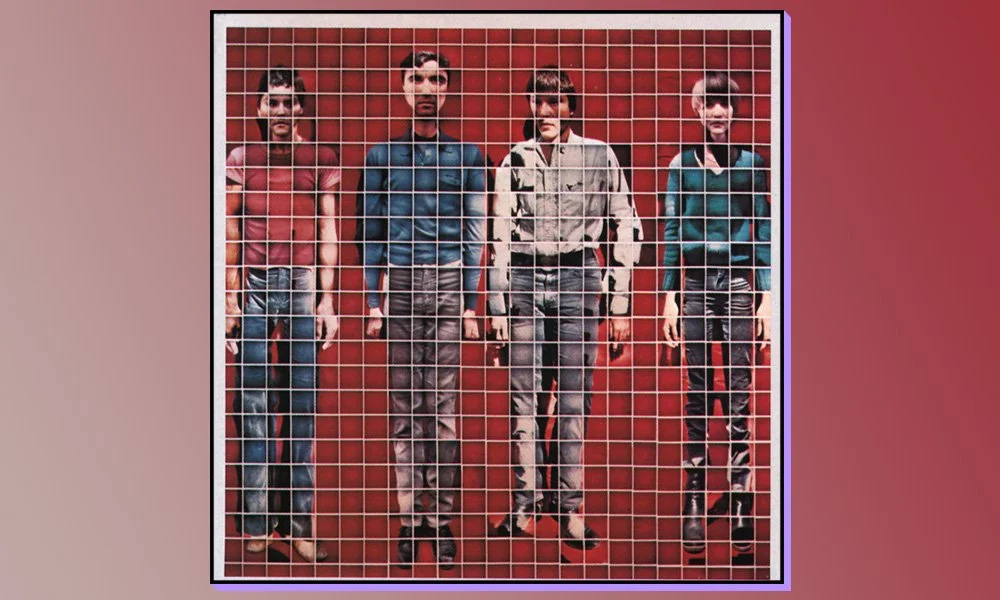
5. More Songs About Buildings and Food (1978)
Talking Heads’ second album marked a considerable leap from their debut just a year earlier. More Songs About Buildings and Food also began the band’s enormously fruitful collaboration with Brian Eno, establishing a creative partnership that would help push their music into increasingly strange territory.
Richer in production and harder-edged than its predecessor, the album retains the unorthodox lyricism and nervous New Wave energy of their debut but sounds considerably more confident. The jaunty ‘Found a Job’ and expansive ‘The Big Country’ are particular highlights, while their cover of Al Green’s ‘Take Me to the River’ feels perfectly suited to a band increasingly fascinated by funk and rhythm.
There’s also a growing emphasis on repetition and texture here that would become crucial over the next two records. Talking Heads were beginning to discover that a song didn’t necessarily need constant chord changes when a sufficiently good groove could be pulled apart, repeated and gradually transformed. A vast leap in quality from debut to sophomore record, More Songs About Buildings and Food remains one of Talking Heads’ most underrated releases.
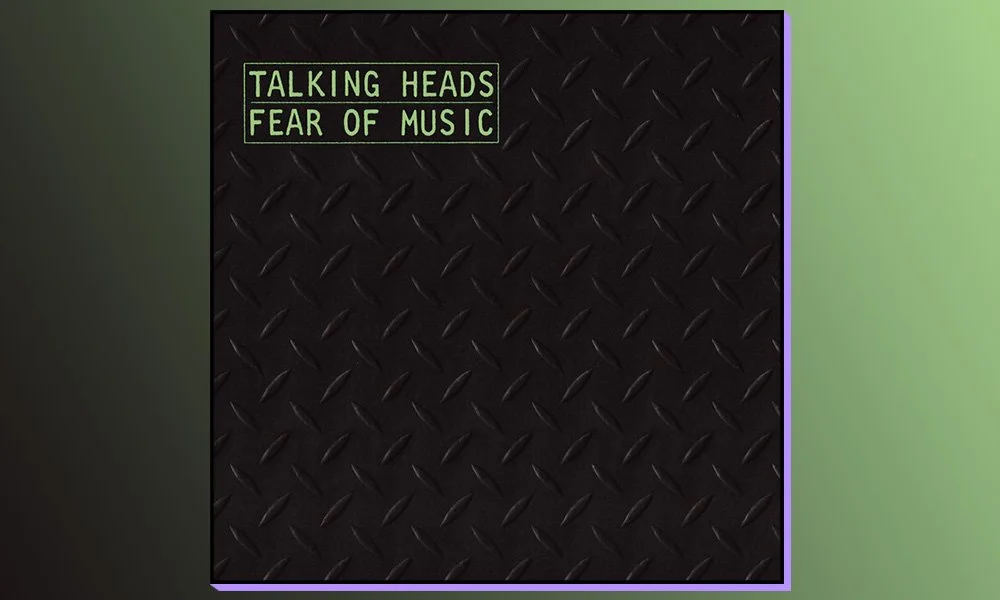
4. Fear of Music (1979)
There’s something wonderfully uneasy about Fear of Music: Talking Heads have made a record you can dance to that never allows you to feel entirely comfortable doing so. One of their most foreboding and complex albums, Fear of Music pushed the experiments of its predecessor considerably further. With Eno now firmly behind the desk, its combination of funk, disco, wiry guitars, eerie synths and dry lyricism creates a world that feels both irresistible and vaguely threatening. Oh, you’re dancing, but it’s not without warning.
Opener ‘I Zimbra’ immediately expands the band’s rhythmic vocabulary, while ‘Life During Wartime’ turns paranoia into something strangely exhilarating. Elsewhere, Byrne obsesses over everything from cities and animals to air and electricity, transforming everyday anxieties into something otherworldly. Three albums in, Talking Heads were rapidly approaching their creative peak.
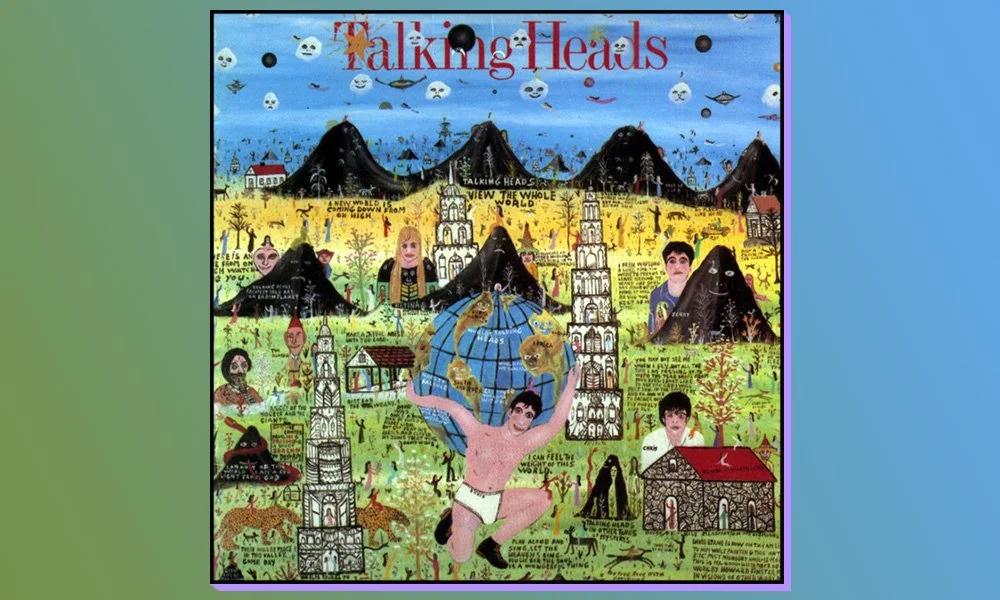
3. Little Creatures (1985)
After years spent pulling rock music apart, a shake-up was evidently in order. Enter Little Creatures. Their sixth album steps away from much of the avant-garde experimentation that had defined their previous records in favour of melodic Americana and polished pop. Perhaps strangest of all is hearing Byrne begin to celebrate the ordinary parts of life he had previously approached with such alienation and suspicion.
And yet, it works. Little Creatures finds Talking Heads embracing adulthood through some of the warmest and most accessible music of their career. ‘And She Was’ is a wonderfully buoyant opener, while the one-man marching-band triumph of ‘Road to Nowhere’ somehow turns existential uncertainty into a communal singalong. After spending so long making the familiar seem strange, Little Creatures proves Talking Heads could make the familiar feel comforting too.
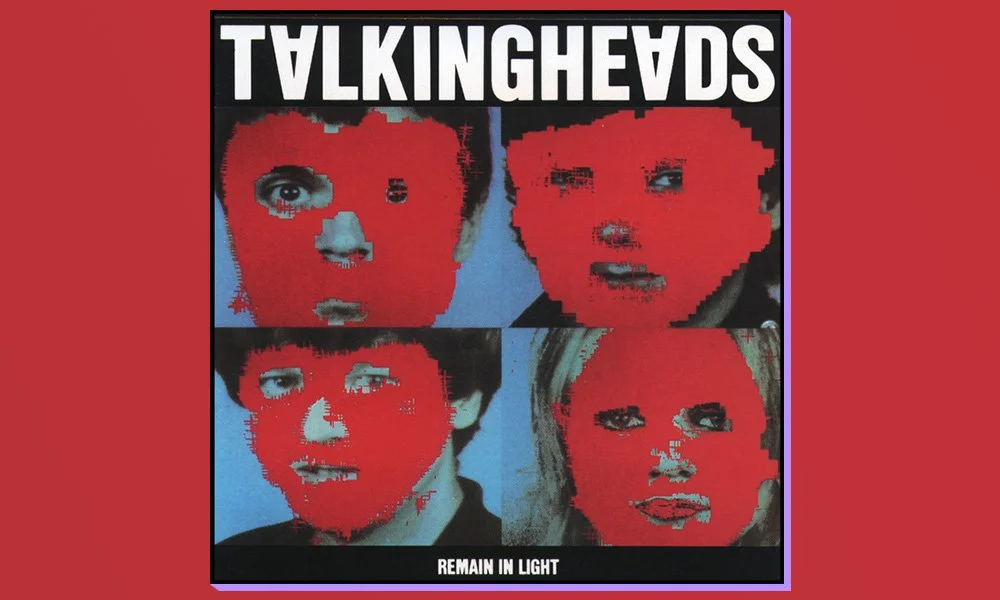
2. Remain in Light (1980)
The beginning of a new decade saw Talking Heads take everything they had developed across their first three records and push it towards a giant, cohesive whole. Released in October 1980, Remain in Light took the rhythmic experimentation of Fear of Music and expanded it into something that sounded unlike almost anything else around it.
Simply put, the instrumentals here are irresistible. Dense, repetitive grooves collide with Byrne’s offbeat wordplay, while songs are constructed through layers of rhythm that seem to shift every time you listen. ‘Once in a Lifetime’ became the obvious cultural landmark, but ‘Houses in Motion’, ‘Born Under Punches’ and ‘Crosseyed and Painless’ are equally important to the record’s strange gravitational pull.
Working again with Brian Eno, the band drew heavily from African musical traditions, with the polyrhythmic Afrobeat of Fela Kuti proving a particularly important influence. Instead of constructing songs around conventional rock chord progressions, Talking Heads built many of these tracks from extended jams, loops and interlocking rhythmic phrases, allowing bass, guitar, percussion and vocals to function almost as separate moving parts within the same groove.
The result is arguably their most adventurous album. Rock, funk, Afrobeat and electronics are pulled into a dense rhythmic machine that could only really belong to Talking Heads. Remarkably, considerable tension surrounded the band during its creation, but that friction somehow feeds into the music. Remain in Light constantly feels as though it could collapse under the weight of its own ideas, yet never does.
Chaotic, obsessive and astonishingly precise, Remain in Light remains Talking Heads at their most beautifully absurd.
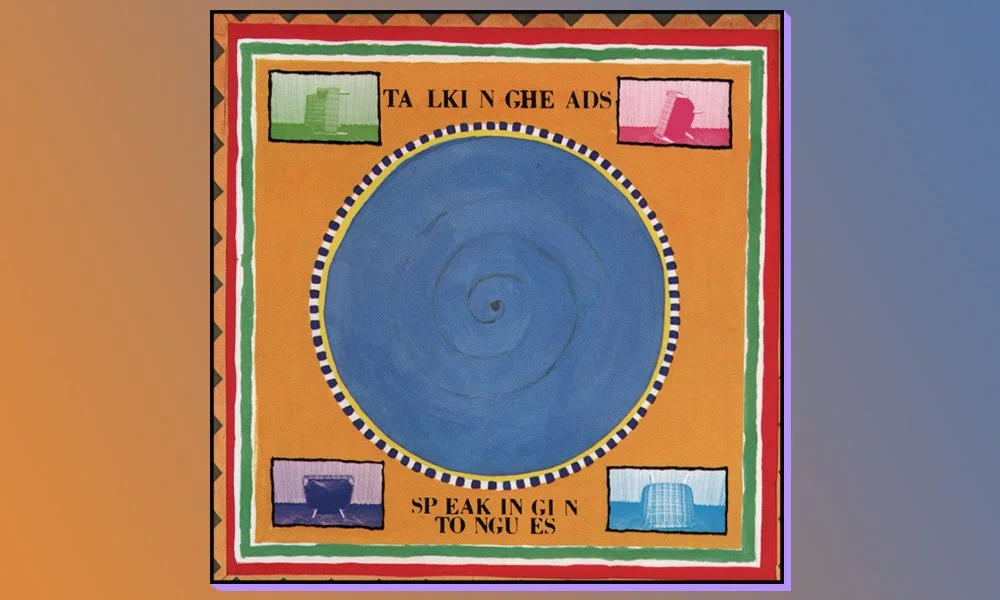
1. Speaking in Tongues (1983)
If Remain in Light represents Talking Heads at their most adventurous, Speaking in Tongues is where all that experimentation begins to feel effortless. Three years after their previous album, and now without Brian Eno behind the desk, the band returned with some of the finest melodies and funkiest grooves they ever committed to tape. The rhythmic experiments of their previous records remain, but by this point they no longer sound like experiments. They have simply become the language Talking Heads speak.
‘Burning Down the House’ is immediately infectious, while ‘Girlfriend Is Better’ and ‘I Get Wild/Wild Gravity’ find the band balancing pop accessibility with all the rhythmic strangeness that had defined their earlier work. Across nine tracks, Speaking in Tongues shifts between personalities, textures and moods without ever losing its sense of cohesion.
And then there’s ‘This Must Be the Place (Naive Melody)’, perhaps the warmest song Byrne had written to this point and proof that Talking Heads could make something genuinely tender without sacrificing their oddness.
The margins between the top two are incredibly fine. Remain in Light may be the bolder artistic statement, but Speaking in Tongues feels like the point where everything Talking Heads had spent years learning finally became instinctive. It’s strange, funky, melodic and completely comfortable in its own skin.
It’s an album you could happily reside in. This must be the place, after all.
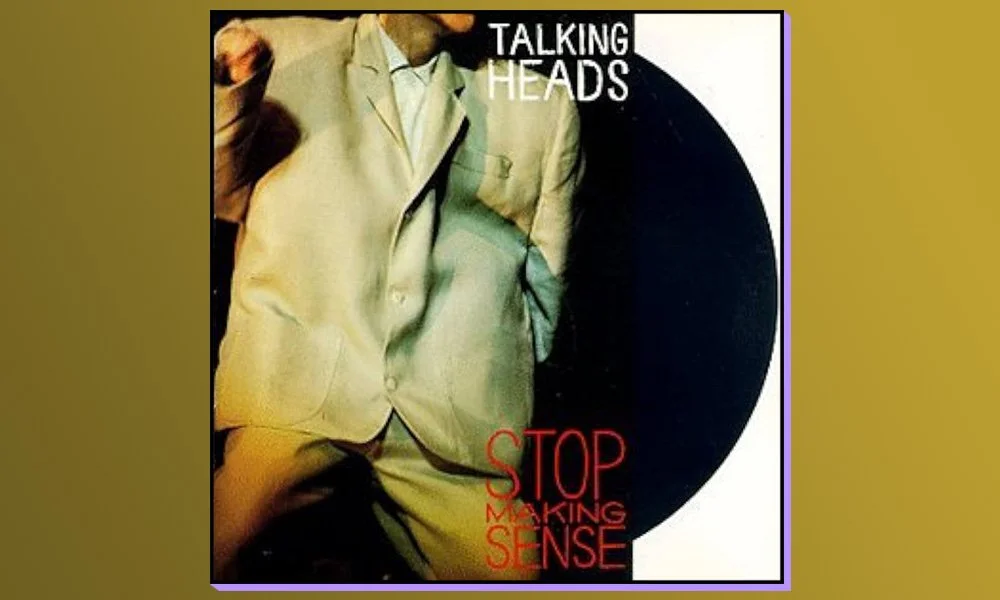
Special Mention: Stop Making Sense (1984)
No Talking Heads ranking feels quite complete without mentioning Stop Making Sense. Filmed across several performances at Hollywood’s Pantages Theatre in December 1983, Jonathan Demme’s concert film would become one of the most celebrated live documents in music history, accompanied by an equally exhilarating soundtrack album.
The genius lies partly in its gradual construction. Byrne initially walks onto an empty stage with an acoustic guitar and a tape machine before the rest of Talking Heads and their expanded touring band gradually join him. By the time ‘Burning Down the House’ arrives, the transformation is complete.
From the frantic movement of ‘Life During Wartime’ to Byrne’s now-iconic oversized suit, Stop Making Sense captures Talking Heads as both meticulous musicians and gloriously strange performers. The studio albums might tell the story of their evolution, but Stop Making Sense shows what happened when all those ideas finally stepped onto a stage.