
With her second album Wishbone, Clara Mann is embracing independence, finding confidence in collaboration and moving beyond the melancholy that once defined her music.
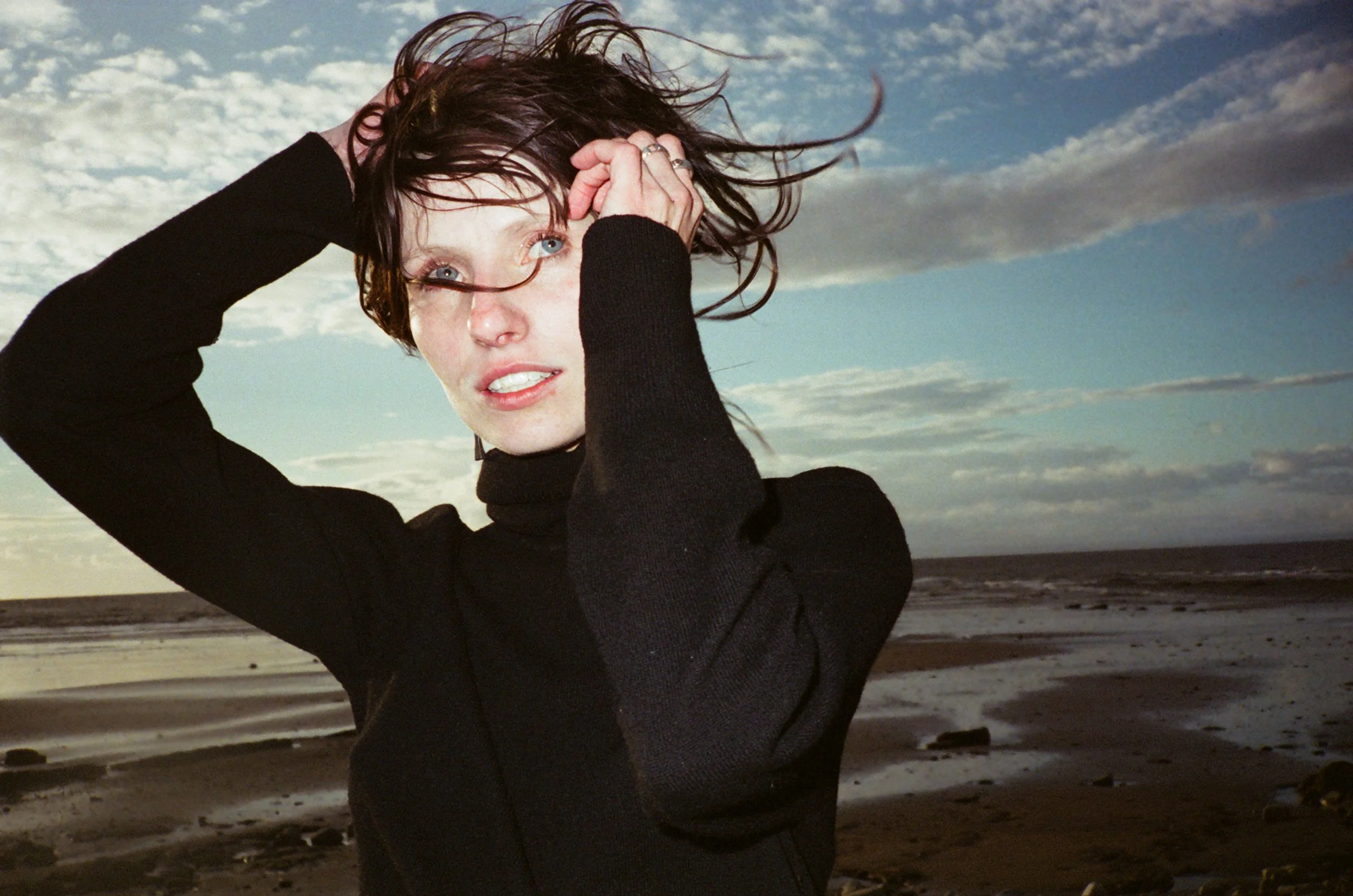
When I saw Clara Mann perform at Shoreditch’s state51 Factory, my immediate thought was simply: I have to speak with her. Surrounded by flickering candlelight, she held the room in hushed, intimate suspension, an intentional setup designed, as she tells me, to make the night 'about music and nothing else.' Yet speaking with her afterward, it quickly becomes clear that her quiet, commanding live persona is only one half of the story.
In conversation, Clara Mann is warm, witty, incredibly self-aware and self-described as 'obnoxiously chatty', a sharp pivot from the solemn, pin-drop intensity she commands on stage. When she sat down to make her second record, Wishbone, she had reached a tipping point.
'I was really sick of being sad,' she says plainly. 'I'm so done with identifying as lonely and sad, and I'm so done with other people identifying me as lonely and sad, because actually, I end up having a good time. I like being silly.'
That refusal to be boxed into a single archetype defines Wishbone. Having candidly navigated emotional turbulence and worked through extreme peaks and troughs in therapy, Mann wanted her new songs to reflect a hard-won sense of stability, strength, and personal momentum. Part of that drive came from coming out of a relationship with another musician who had previously been a pillar of support in her creative life. Suddenly on her own, she faced a clear ultimatum: 'I thought, okay, well I have to prove that I want this for myself. I've got to make all the decisions on my own, and it felt so much better.'
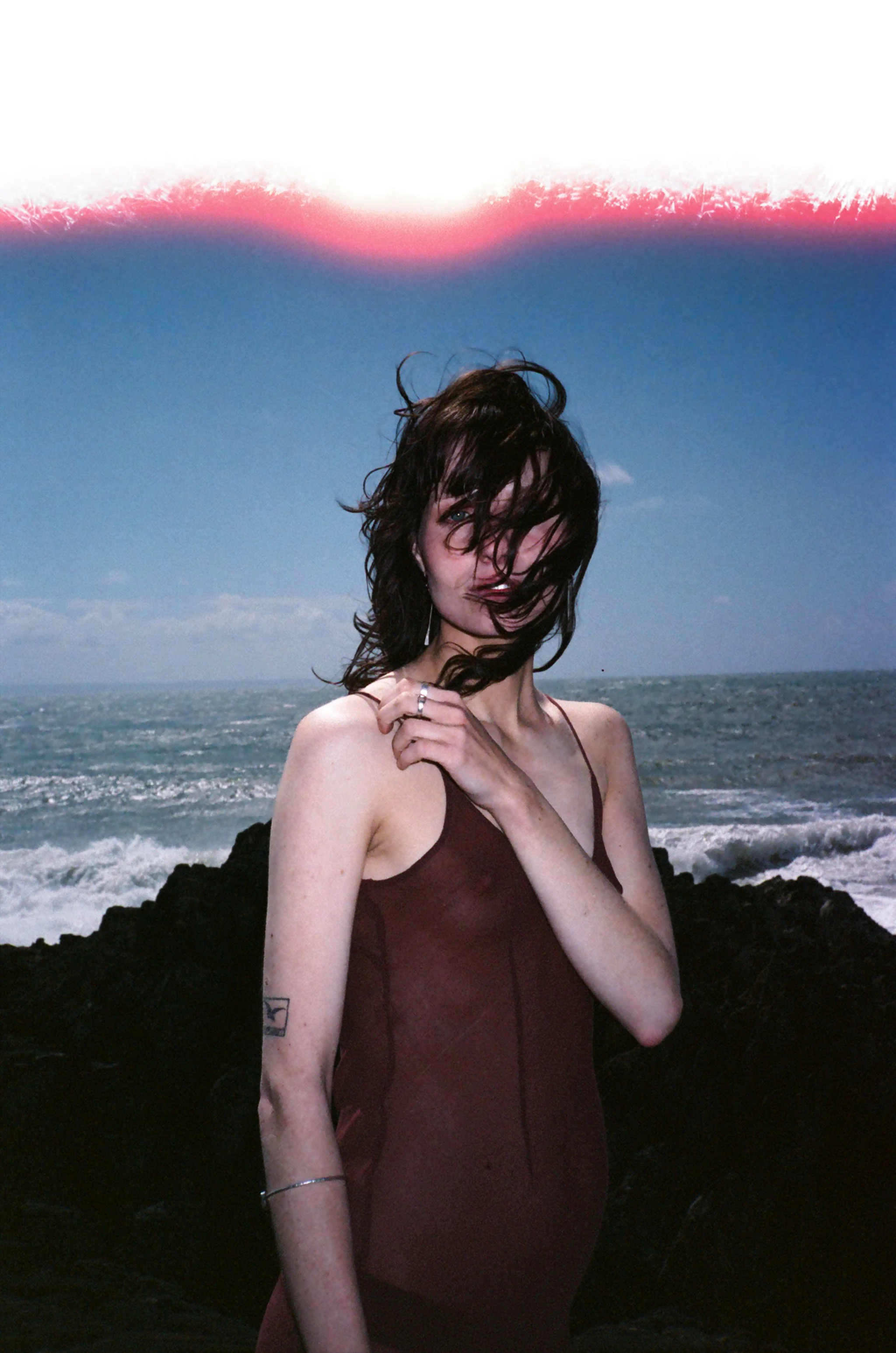
Rural France, Bristol gigs, and rejecting 'anaemic' folk
Clara Mann’s determination to carve out her own lane stretches back to an unconventional musical upbringing. Growing up in rural France without television or radio, she was trained in classical piano by her mother and sang in choirs, completely insulated from mainstream pop culture ('I was like, who the f**k is Katy Perry?'). It wasn't until she moved back to the UK and began taking buses into Bristol at 15 or 16, sneaking into chaotic venues like The Crofters' Rights to watch local bands, that she realised music didn't have to be strictly formal to be vital.
That duality still dictates what I think she gravitates toward today. While she is frequently grouped into the contemporary UK folk scene, Mann is quick to distance herself from what she calls 'slightly anaemic' British folk, music that sits in the realm of quiet and melancholy. Instead, she looks toward the grit and stark contrast of Tom Waits, the sweeping Americana landscapes of Townes Van Zandt, and, surprisingly, bright, unapologetic pop music.
'I like things that are fun and have light in them, because I think that's where you feel the contrast most with sad music,' she explains. 'I don't want to hear things that are just one low-level thing.'
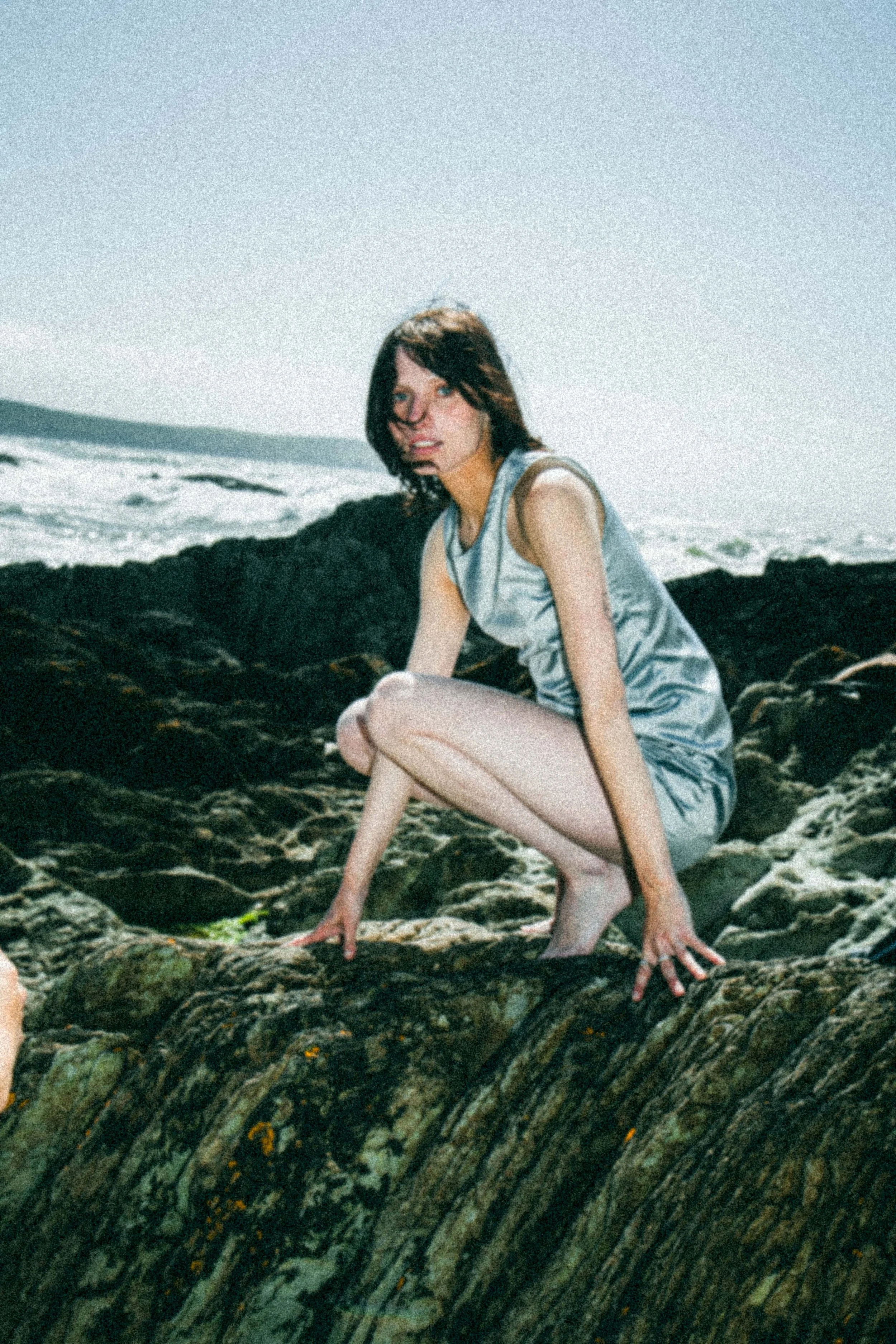
Breaking the solitary cycle
Bringing that contrast to life on Wishbone meant dismantling the protective walls she had built around her songwriting. Previously, Mann wrote entirely alone in her bedroom with a guitar, but as she finished the songs for Wishbone, she realised she had taken her solitary chapter as far as it could go.
Working closely with drummer and producer Fabian Prynn, Mann began opening up the arrangements, which ultimately created a shift that fundamentally altered the emotional weight of the record. When she first wrote the lyrics for Wishbone, there was no sense of redemption in them; that feeling of recovery and hope only emerged in the studio through the instrumentation. Later, taking the songs on the road with a newly assembled band, including viola player Laura stepping in for close friend Owen Stafford, brought out unexpected, subtle new colours in tracks like 'Oblivion' and 'Go-Getter.'
Even her long-standing friction with the guitar is finally melting. Having never taken lessons, her earliest songs were literally the first time she had ever picked up the instrument. 'For a while, me and the guitar were enemies. I hated it,' she laughs. Following a recent, liberating guitar lesson with a friend who told her bluntly that her own insecurity was the only thing standing in her way, she is stepping into a bold new phase, one that includes scoring music for a short film.
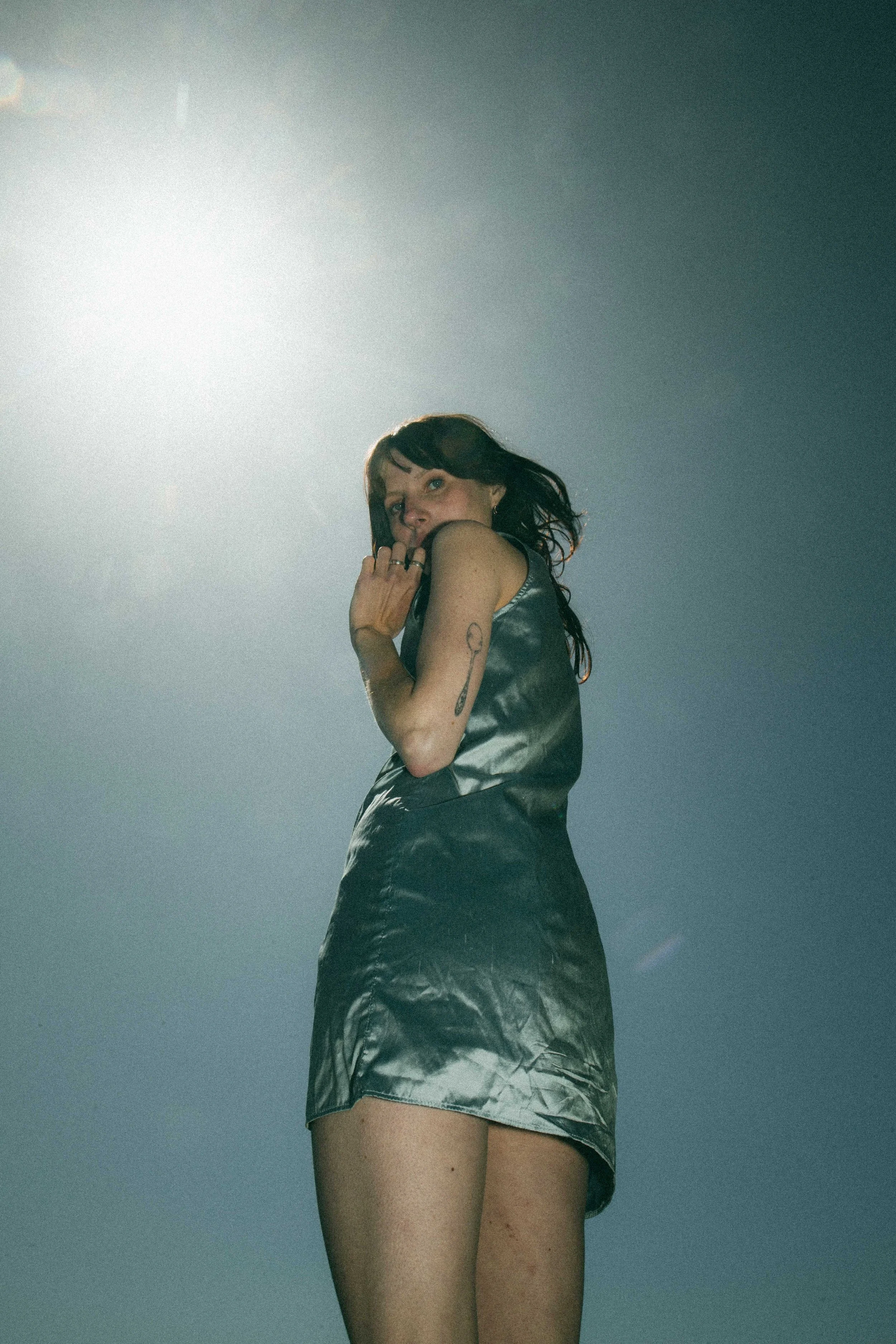
Distance, landscape, and News From Home
For all its forward momentum, Wishbone remains deeply rooted in a sense of place. Standout track 'News From Home', originally saved in her voice notes under the working title 'Cowboy Song', captures the album's fixation on distance and belonging. It lyrically drifts back to Cheddar Reservoir in Somerset, where she spent her teenage years swimming and hanging out near the gorge, while nodding in title to Chantal Akerman’s 1977 avant-garde film News From Home, which pairs shots of New York streets with letters read aloud from Akerman’s mother in Brussels.
For Clara Mann, the song is about discovering a sense of belonging by choice for the first time, and the sudden, vulnerable urge to turn to someone else and say: This is where I come from, let me show you. It is a feeling sharpened by her move to London a few years back at age 21, a city where the randomness and kinetic energy feed directly into her writing, even when it feels overwhelming.
'I like the busyness of it,' she reflects. 'I find it very easy to feel alone in London, but I also think it’s easy to write if you feel like you have momentum and things are happening.'
The art of the open heart
As Wishbone settles into the world, Clara Mann is already eyeing a new creative direction, eager to explore pop structures and collaborate with new producers. Yet, however far her palette expands, the emotional core of her work remains anchored in bravery. When asked what state of mind she hopes listeners are left in after finishing the album, her answer was quick.
'Open-hearted,' she says. 'So much of this record is about risk, and being willing to entertain risk...being okay with suspense and not knowing.'
It’s a philosophy captured in the album's central lyric: I want to be open wide. It’s a scary way to live, and an even harder way to write. However, on Wishbone, it’s clear she’s done holding back.
Photography By: Ella Margolin and Louise Mason