
The Tubs on London squalor, power pop revivalism and arguing with yourself
The Tubs’ Owen Williams discusses the contradictions behind Hard Life, balancing DIY ideals with success, his complicated relationship with London and the band’s evolving sound.
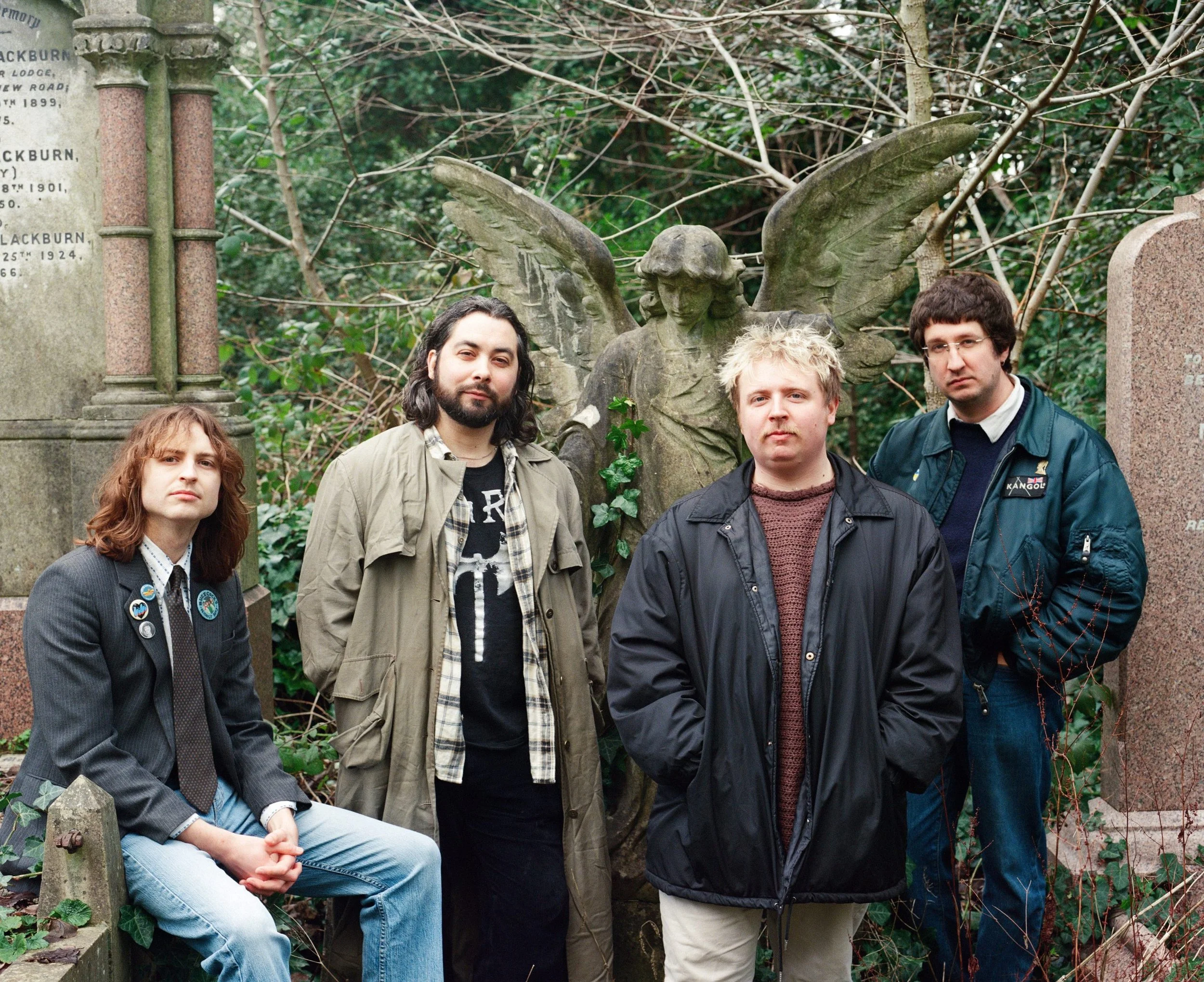
If there is a throughline in Owen Williams' huge body of work, it is perhaps a fascination with contrast. Early on, that fascination manifested itself sonically. Joanna Gruesome songs would often contort dissonant sections of noise unwillingly around saccharine melodies. More recently with The Tubs, Williams has soundtracked dark songwriting with hook-laden power pop
On ‘Hard Life,’ the third full length album from his ‘Celtic jangle boyband,’ these juxtapositions are more prominent than ever. They show up in the paradox of the band being better travelled but the writing more insular and self-referential. They show up operationally, as they negotiate how their DIY ethos can be kept intact after signing to indie heavyweights Merge Records earlier this year. In the Smiths-indebted formula of light sounds atop dark prose. Most interestingly, there are now bickering perspectives within the songs themselves and across the album.
“The first record is me being purely an asshole, the second is me kind of being an asshole but also grieving, and then this one is the dust settling a bit,”
Williams explains. “I'm sort of having to look at my life and argue with myself and reinterpret the first two albums, you know?” These conflicting perspectives are peppered throughout the record: “It’s a hard life / that’s just the way it goes” he sings on the title track before conceding “I don’t wanna spend my life / waiting for ‘the way it goes’” on a later cut. There are two versions of Williams butting heads here, the “self-indulgent and immature” character that has been prominent on the first two records and a much steelier version, who has very little time for the other. “It’s always been a bit of a character anyway and it’s always been exaggerated. But it was fun to have a bit of a scolding and do a hatchet job on the ‘other’ Owen.”
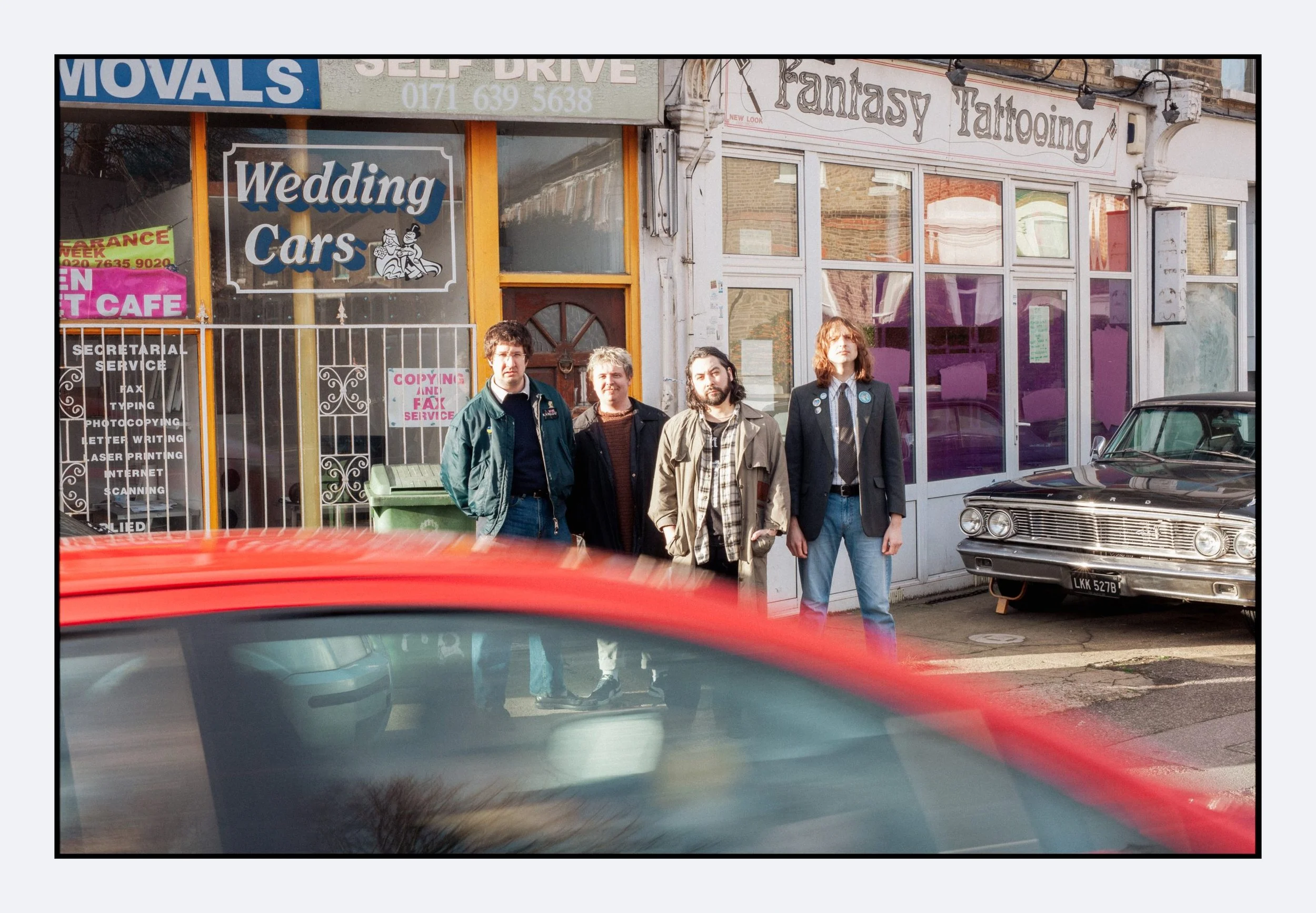
London is often in the crosshairs of two perspectives. One version perhaps feels his Welsh roots and the crushing anxiety of London’s cost of living more deeply, whilst the other has conceded that the city has given him so much. “People can be quite dogmatic about London, but I find it fun to write about because it kind of ruins your life and also makes it a lot better,” he says.
“There wasn’t much of a music scene in Cardiff growing up and I desperately wanted to move here. It’s also an incredibly humiliating place, especially when you’re so insistent on being in a band or being a writer and not pursuing a career. There have been a lot of hilariously terrible living situations, but then this is also where all of my friends are.”
With his Gob Nation collective, he has formed a dozen or so intensely close musician relationships that could only really come to be in a city that pulls in creatives so relentlessly. “There used to be places that were just for bands, but now everything’s a fucking cocktail bar as well as a venue,” he bemoans. “I feel like any sense of community or scene got annihilated at some point in the 2010s, I suppose Gob Nation is our attempt to claw some of that back.”
After the success of ‘Cotton Crown’ and their subsequent signing to Merge Records, I’m curious about how much strain that desire that DIY approach has been put under. “There comes a point where if you’re serious about being a really active band, you have to give up some control and try to make a bit more money,” he admits. “There has been a lot of fronting our own money or borrowing and paying people back a year later. Obviously Merge can help with that kind of thing. In a weird way, though, I still find it’s more cost effective to be DIY in some ways. I manage our tours and we don’t really fuck around with backline techs and front of house and stuff. I don’t really care if it sounds perfect, I’d rather the band keep the biggest slice of the pie.” It’s an approach that has served his band well, and one he’d implore others to consider. “A lot of bands get signed and straight away get a manager and a load of staff to bring on tour. It’s crazy. I’ve played with bands who are much bigger than us but earn around the same because so much money gets spent on hiring people.”
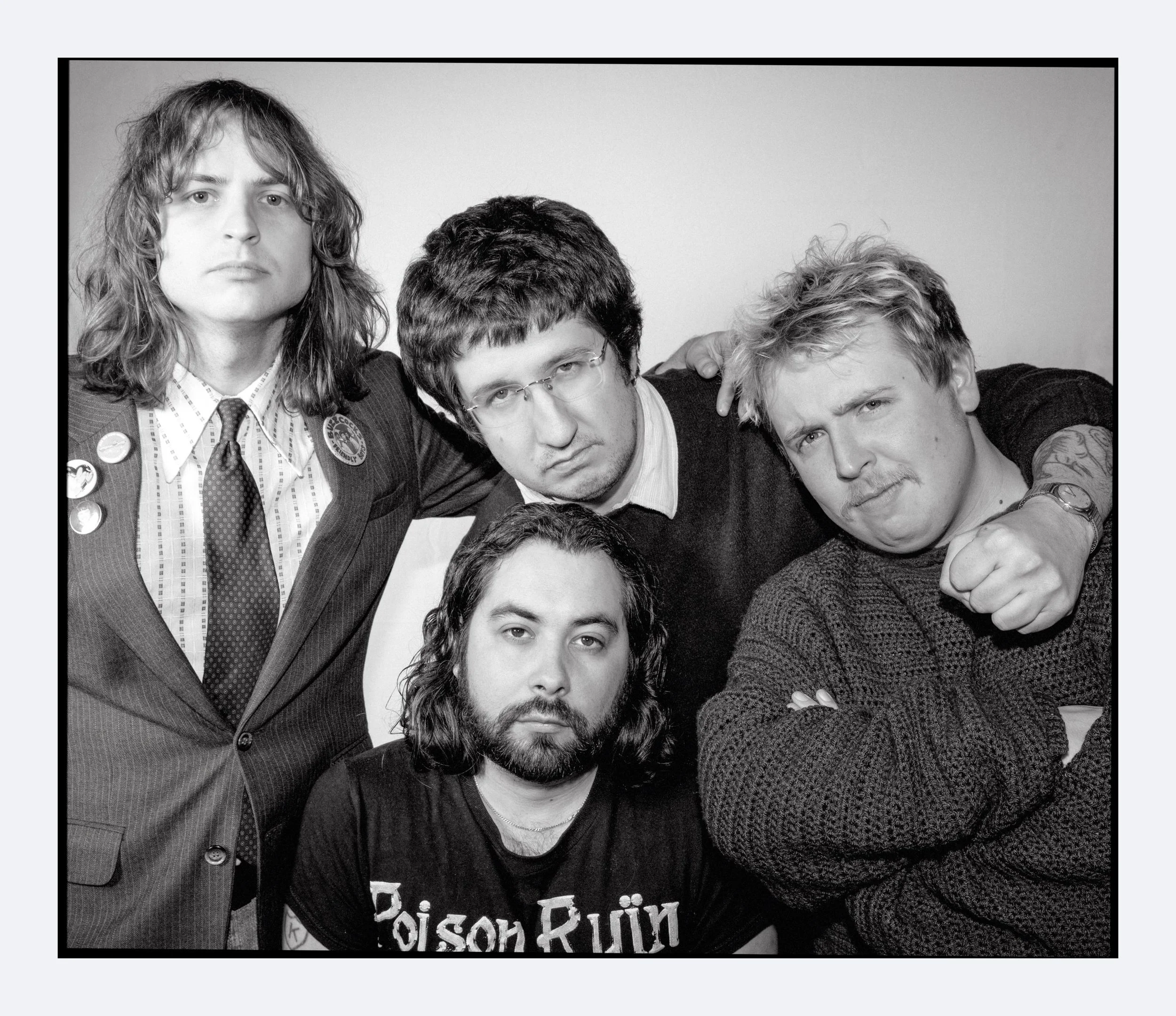
Keeping a relatively closed circle is something that our conversation keeps coming back to. It makes sense that much of the songwriting is centred around Williams’ immediate environment, so much so that drummer Taylor Stewart’s latest project The TSG get a shoutout on the lead single. “Using humour is a good way to try to be emotional and to make a feeling really land,” he explains. “Sometimes, though, I’m really just trying to make the rest of the band laugh. We have to play these songs all of the time.” Meanwhile, the sonic palette of the new record takes heed from much further afield. Nods to the more soulful tinges of The Jam and The Style Council notwithstanding, Williams describes ‘Hard Life’ as a “much more of an American record”. “We’ve spent a lot of time there and a lot of time with Americans, I think you can maybe hear that on the album,” he adds. Bob Dylan, Elliott Smith, Alex G and Guided by Voices are amongst the cross-Atlantic artists that he sees as having creeped into the band’s sound this time around.
As he details the folkier influences on the new record, I ask whether it’d still be fair to label The Tubs as a ‘power pop’ band, something which was in little doubt earlier in their career. Whilst he admits that he’s not always sure how to differentiate music under that label from the poppier indie corners of indie rock, the London and Chicago-headed revival of the subgenre is something that has at least given further context to his own work.
“It’s always been a bit fringe, which is weird because that kind of music is so pleasurable and hook-y. It felt like indie music was quite post-punk and moody for a while, so it’s good to see some pushback on that. The Tubs were quite lonely in terms of similar sounding bands for a while.”
A number of bands who can be filed similarly seem to be popping up (Kai Slater and Blue Harbour radio take plenty of credit here), but it’s those omnipresent contradictions that help to make The Tubs such a compelling outfit: A proudly Celtic band whose music could only really come to exist in London. Who are still operating similarly to how they have in the past despite having more resources available to them. Whose best songs are both bleak and infectiously jangly. Who wrote what should be a career-best album and then bettered it the very next year.
Photography By: Robin Christian