
Katie Gregson-Macleod’s debut album explores nostalgia, cycles, and the burden of fame, while cementing her position in the UK contemporary folk canon.
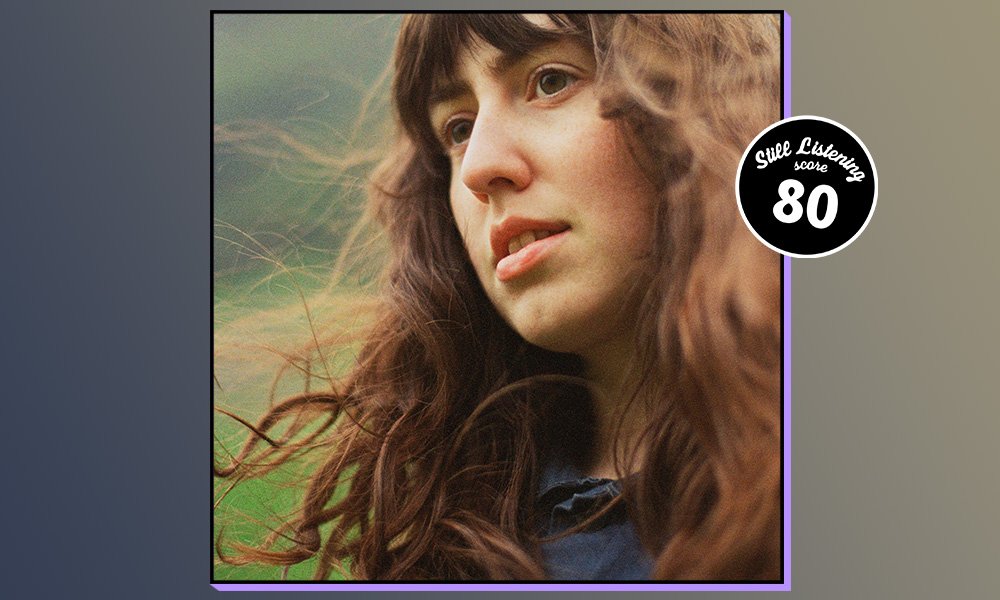
Katie Gregson-Macleod’s debut album Albatross is the singer’s maturation into the folk artist she was always meant to be. Backed by London duo Flyte on co-production and vocals, Gregson-Macleod explores nostalgia and unrealised relationships. Albatross’ production style exchanges the excitement and clarity of her 2025 EP Love Me Too Well, I’ll Retire Early for fully live and often imperfect guitars, fiddles, and even flutes.
The heart of the record is easily its second track and single ‘Nothing Really Changes’, where Gregson-Macleod discusses the temporal loop one gets stuck in whilst wishing for more. Alongside rhythmic guitars, drums, and Flyte’s floaty vocal harmonies, the song provides the thesis for other nostalgia-driven tracks on the album, including ‘196’, ‘How Were You To Know’, ‘I Don’t Think of Kissing You’, and more. The narrator of Albatross feels stuck in an endless cycle in the present, and is constantly wishing for a simpler past or an alternative future.
While most of these songs explore themes of complicated love and friendships, ‘The Big Lie’ hones in on how the music industry can use and spit out young, independent artists. This song is unmistakably a reference to Gregson-Macleod’s rise to fame in 2022 with the TikTok viral piano ballad ‘Complex’, which got her signed to Sony Music UK. ‘Complex’ became her ‘albatross’: the burden of success that she wants to shake off in ‘The Big Lie’. ‘Put me back / Where you found me / … / Back to luring tourists / Singing some else’s chorus’, she sings alongside sinister guitars and a small choir of backing vocals, wishing to go back to a simpler time in her career. Albatross, as an album, proves that Gregson-Macleod’s return to songwriting on her terms is successful in its own right.
Although ‘Nothing Really Changes’ presents a cynical thesis for the album, Gregson-Macleod still strives to escape this cycle through learning from the past. ‘Roadkill’ is another standout on the album, where Gregson-Macleod sings about imbalanced power dynamics in a past relationship. It feels like a sister song to 2025’s ‘Teenage Love’ that deals in similar themes with similarly uplifting production that is unlike its subject, though ‘Roadkill’ has a noticeably slower tempo and is more sombre and mature than ‘Teenage Love’ with its kicking guitar and drums. With the lyrics ‘If that’s power / I don’t want it / You’re the one behind the wheel / But I’ve never forgotten’, she grows from experiencing this dynamic rather than stewing in the impact it left.
‘Chicago’ is another attempt to escape the loop, where the narrator yearns to pack up and leave for Chicago, which is evidently a pipe dream: ‘I know you’ve heard it all before / It’s different now I swear.’ Instead of confronting the past, she avoids it in favour of a new adventure. This escapist fantasy is accompanied by plucky guitars and rising violins, assuring the optimism of the narrator while trying to convince the listener of its validity, though ‘Roadkill’ shows us that only grounded acceptance drives personal growth in the world of Albatross.
Katie Gregson-Macleod’s ‘...rebuilding [of] her relationship to music and songwriting from the ground up’ sees her fitting comfortably into the canon of UK singer-songwriters through not only embracing the folk genre, but also its emphasis on collaboration and community. Gregson-Macleod’s collaboration with Flyte, a cemented pillar of the folk scene in London, shows her commitment to the community and opens this album up to an entirely new audience. Their co-production with Dom Monks and pledge to live recordings uplift the songs on Albatross to a new stratosphere. The fuzzy live recording of ‘How Were You To Know’ is the most blatant example of this, putting its listener directly in the room with the musicians. While Gregson-Macleod sounds far off in the room, Will Taylor and Nick Hill of Flyte’s harmonies are sung directly in the listener’s ears. This fully live and charmingly imperfect style of recording falls in line with Gregson-Macleod’s contemporary folk peers like Elanor Moss, Yoshika Colwell, Lily Lyons, and naturally, Flyte themselves.
Elanor Moss, after her earlier release this year The Knife, The Needle, appears in a writing credit on the album’s closing piano ballad ‘Daughter’. This melancholy track adds Moss’ poetic descriptions of emotions to Gregson-Macleod’s usual bluntness. The song reflects on the two themes of the album: the ‘albatross’ of fame and wanting more than just the present. Through this song, which is framed as a letter to her father, then to herself, she realises that she can end this cycle by exercising autonomy over the process of healing. The broken bench mentioned in ‘Nothing Really Changes’ appears again as a symbol of regrowth: ‘Shout his name for just the river / Break a plank / and then believe her’, showing acceptance of her past self. The ending lyrics of the album, ‘I can do whatever I want to / I could forgive you’, in Gregson-Macleod’s goosebumps-inducing falsetto echo the resolution found in ‘Roadkill’, that acceptance breaks the cycle of want, and that things can really change once the burden is lifted. It’s also no coincidence that the closing chords of the album are directly from ‘Roadkill’s chorus.
Katie Gregson-Macleod’s debut album Albatross is full of longing, nostalgia, and heartache. The lyrics tell a developed narrative, while Dom Monks’ and Flyte’s production elevates it to new heights of the folk genre. Her Albatross may not end up weighing her down, but allow her to take flight into the UK contemporary folk canon.