
Start Listening To: Black Nylon
Dublin newcomers Black Nylon discuss their debut single ‘Juliette’, building a reputation from the stage up and creating a world that stretches far beyond the music.
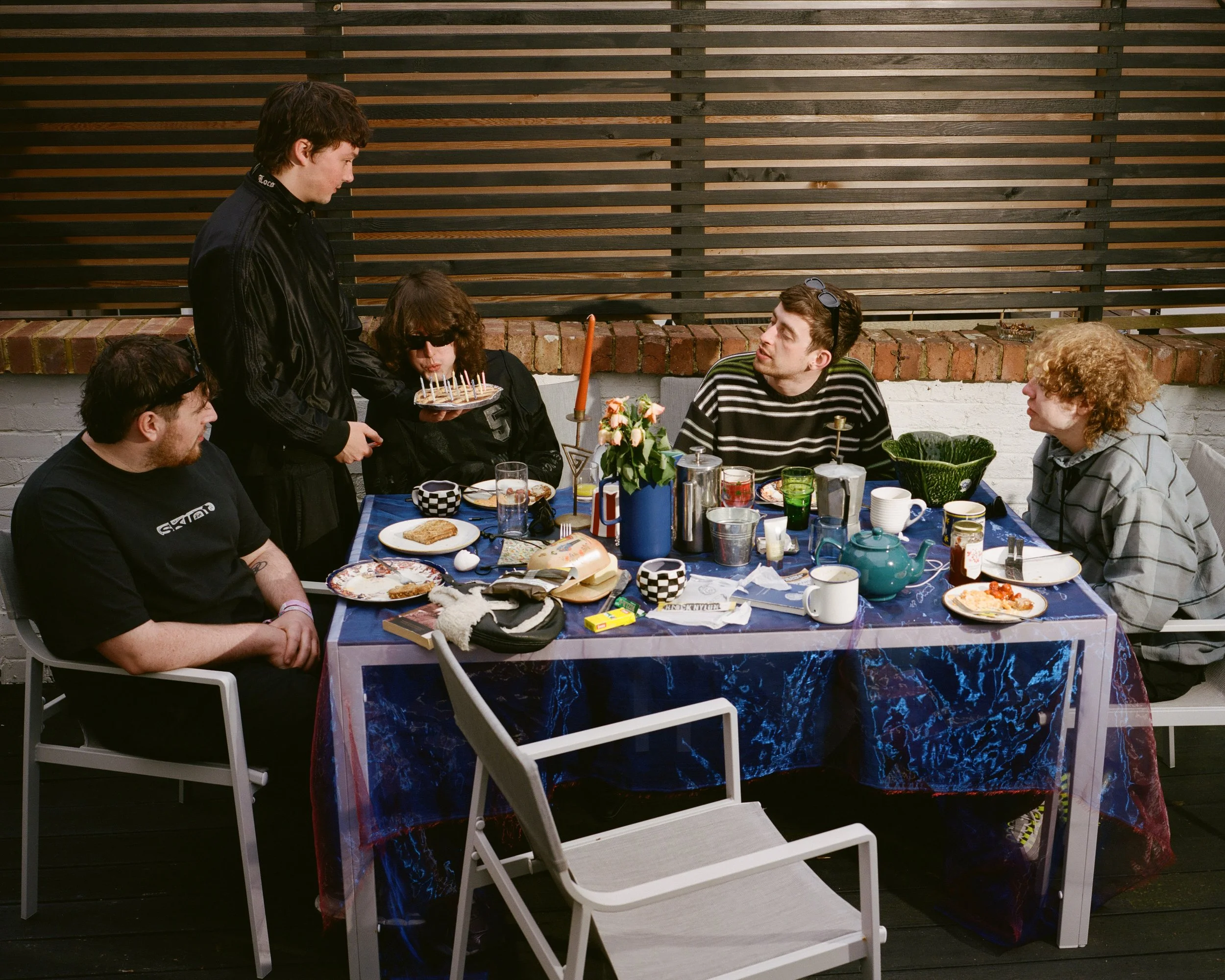
Black Nylon have done things slightly backwards. Formed in Dublin in 2025 from the remnants of various previous projects, the five-piece spent their first year building a reputation almost entirely from the stage, supporting the likes of Kneecap, Inhaler, Bleech 9:3 and THEATRE, selling out Third Man Records and appearing at some of Ireland’s biggest festivals before officially releasing a single song.
That finally changed with ‘Juliette’, the band’s first recorded introduction to the world they’ve been quietly constructing around themselves. Produced with Phil McGee and mixed by Just Mustard’s David Noonan, the track pulls together warped textures, a heavy rhythm section and the kind of cinematic atmosphere Black Nylon have spent the past year refining in front of live audiences. With ‘Juliette’ now out in the world, we caught up with the band to discuss their rapid rise, Dublin’s current musical landscape, their weekly DJ residency at Workman’s Club and what comes next.
For those unfamiliar with your music, can you tell us who you are, where you’re from and about the music you make?
We’re black nylon, we’re based in Dublin and we started the band last year after all the projects we were previously a part of ran their course. We were all sick of making straight forward indie music and a lot of those bands we were in were rooted in indie. We’d started all these early bands in school, and we changed a lot in the time of being in these bands and after time we finally found our way to create something that we felt was fresh and could pull ideas from a lot of different sonic angles.
Black Nylon only formed in 2025, but you’ve already supported Kneecap, Inhaler, Bleech 9:3 and THEATRE, sold out Third Man and played some pretty major festivals. Has everything happened quicker than you expected?
Yeah we think its been a nice and steady rise, what seems like maybe all these appearances have come out of nowhere we’ve worked really hard to make the band feel like something new and that people can feel from.
You came together from the remnants of previous musical projects with the intention of making something new. What were you reacting against when you started Black Nylon, and what did you want this band to do differently?
Our reaction was that the music we were making wasn’t really a representation of who we are as both artists and people, we listen to a lot of music, and consume all art forms and we really wanted to create something that wore its interests on its sleeve.
‘Juliette’ is your first officially released song, despite people having been able to see you live for quite a while. Why did this feel like the right track to properly introduce Black Nylon?
It felt right to release now, especially as our lives are adjusting to making this our full time job. We also happened to have release in between two major Irish festivals that we went to as punters for years and finally got to play both of them.
What’s the story behind ‘Juliette’? Is there an actual Juliette at the centre of it, or is the character something more fictional?
Juliette is a story of ostracisation, how apocalyptic that feeling is, is all revealed in its sonic architecture. And its titular character is a real person.
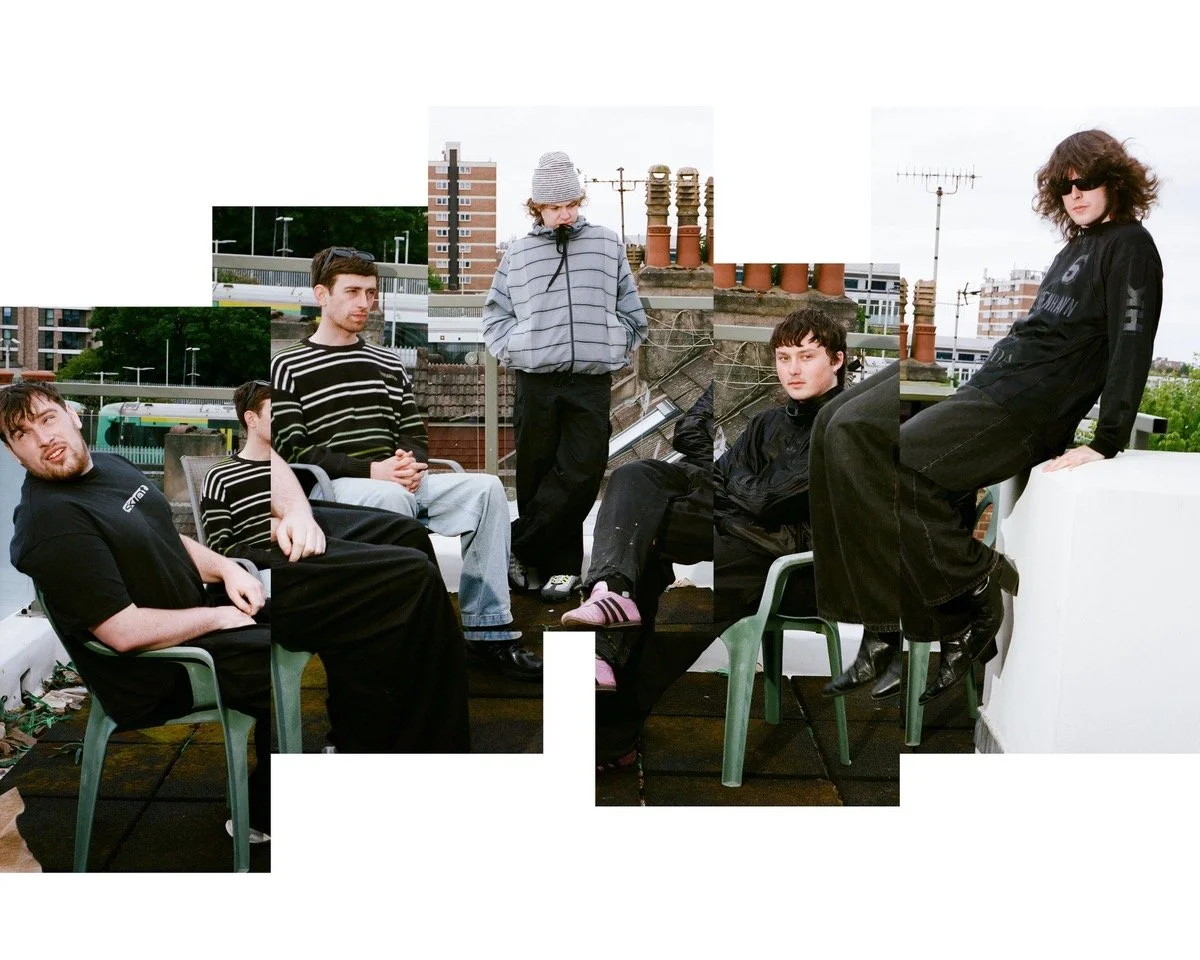
There’s a lot going on sonically in the track, particularly the contrast between those shimmering, warped textures and the heavier rhythm section. How did that sound develop between the rehearsal room and the finished recording?
The sonic palettes for that track have been there since its initial form, we mainly learned how to create the atmosphere by playing it live in rooms in front of people so when it came down to recording with Phil, we felt like it was crucial to be able to capture the feeling the track conveys in a live setting.
You recorded ‘Juliette’ with Phil McGee and had David Noonan of Just Mustard mix it. What did they bring to the song that you hadn't necessarily heard in it yourselves?
David and Phil both helped us bring the cinematic moments to the heights needed to reach in terms of impact and atmosphere, just as you think the song has reached its peak it goes harder even again, which feels like a spiral of chaos unravelling.
You’ve built much of your reputation through playing live before putting music out. Has that meant the audience has helped shape these songs in some way before they ever reach the studio?
Definitely and it’s also helped with songwriting, too. A lot of the songs we’ve been writing recently have been crucial for us to serve different emotions we’d yet to bring to the stage.
Dublin has produced a ridiculous number of exciting guitar bands over the past few years. Do you feel connected to a particular scene there, or is Black Nylon deliberately operating slightly outside of it?
There’s a lot of talent coming out of Dublin, and it’s great that a lot of people have their ears on what’s going on there but there’s definitely a disconnect between the scene there and black nylon. We’ve always wanted the band to be its own thing, that breathes in its own world rather than it to be attached to a place.
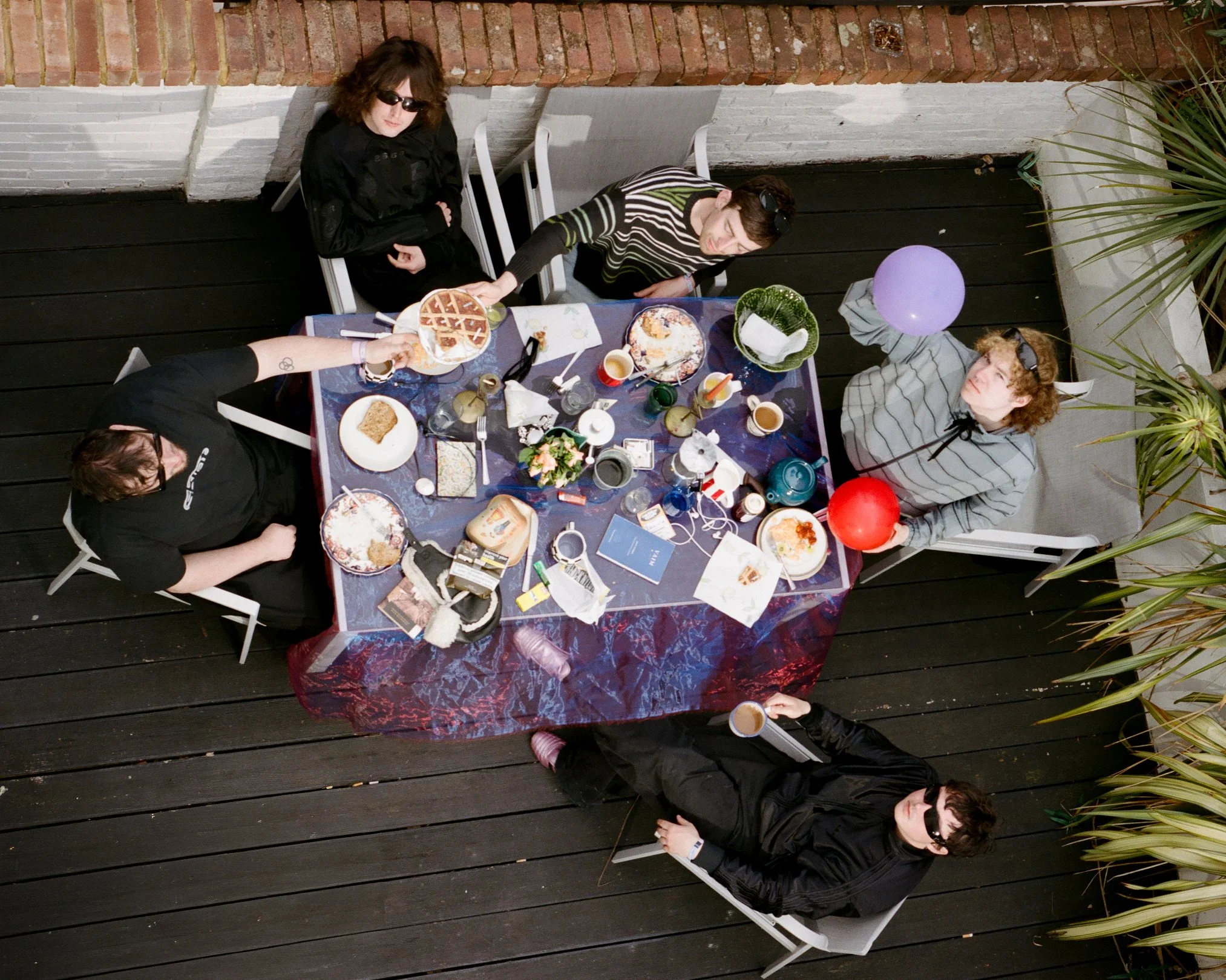
Alongside the band, you have a weekly DJ set at Workman’s Club. Does the music you play there feed back into Black Nylon at all, particularly when it comes to rhythm, atmosphere or how you think about a live set?
The dj sets have been a great outlet for us, we love electronic music and hip hop, so its been exciting for us to play these songs in a room where you can see people reacting to different rhythms and sounds, so we’ve been picking and choosing ideas that we’ve written down in between picking tunes behind the booth. It’s also been a really special time having the Workman’s residency, it was a sacred place for us when we were starting to go out in Dublin and so much of our own tastes developed in those rooms.
There seems to be quite a strong visual identity around Black Nylon already. How important are fashion, photography and the wider aesthetic of the band to the world you’re trying to build around the music?
Everything aesthetically is who we are down to the core, how we dress, the photography we love, the films we watch and when we started putting moodboards together we quickly realised this is a world that needs to be exposed with the story that we’re telling. And again with everything we do we always attempt to mix things that shouldn’t be mixed together and making the mix work.
What do you love right now?
Right now musically we’re really loving George Daniel’s electronic records he’s been putting out on his DH2 label. We recommend you listen to ‘Screen Cleaner’.
What do you hate right now?
How people consider art to be a competitive sphere instead of a creative fear, instead of championing and helping each other, people can tend to neglect and ridicule what’s going on around them out of jealousy.
Name an album you’re still listening to from when you were younger and why it’s still important to you?
The Stone Roses’ debut album is one we go back to quite often, as its best quality is that it feels timeless, that’s the question we ask ourselves when we we’re writing our own music, does this feel timeless.
‘Juliette’ is effectively the first piece of Black Nylon that exists permanently outside the live room. How representative is it of everything else you’ve been writing, and what does the next chapter of the band sound like?
Juliette represents one particular stream the band has dipped its toes in sonically, and it’s one we feel like it might be worth revisiting sometime. Aesthetically the video, the artwork and the photography that surrounds ‘Juliette’, feels like a true representation of what we had always set out to make.
Photography By: Eimear Lynch