
Start Listening To: Hollow Hand
Max Kinghorn-Mills discusses starting again on Wish Road South, life on tour and the bus stop name that made itself at home in his music.
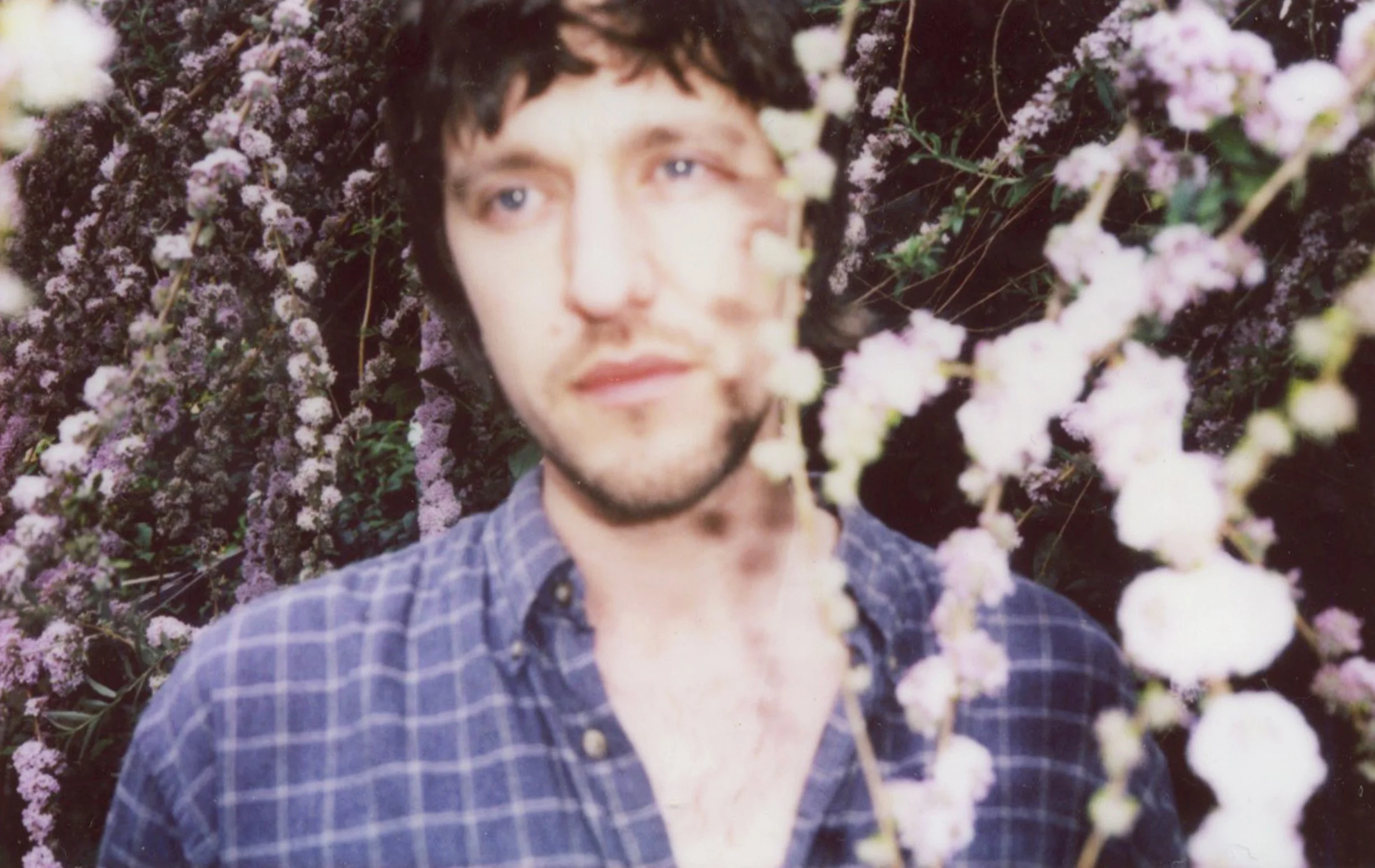
Max Kinghorn-Mills has no trouble throwing songs away. Recording as Hollow Hand, he’s used to working out of whichever room is available, often in the flats he’s rented, but the first attempt at Wish Road South left him with music he wasn’t ready to pursue. Time away from recording helped: playing in Caitlin Rose and Aoife Nessa Frances’ bands, touring with MJ Lenderman and trying his own songs live gave him space to work out what he wanted to make. Back in Brighton, he recorded with close friends Leo Clark and Oli Newton, opening the songs up to a collaboration built on years of playing together.
Life outside the studio fed into the record too, from conversations about guitars and songwriting with his Holiday Ghosts housemates to a bus stop name that kept appearing in his notebooks. Longtime friend Clarence Clarity came on board to mix the album, bringing the strange choices Kinghorn-Mills had hoped he would. In the conversation below, there’s plenty of affection for the people he makes music with, alongside memories of Los Angeles, an enduring love of Sonic Youth’s Murray Street and an eagerness to get on with the next record.
For those unfamiliar with your music, can you tell us who you are, where you’re from and about the music you make?
My name is Max Kinghorn-Mills and I record music as Hollow Hand. I tend to make my records in whichever space I find myself (usually the front rooms of various flats I’ve rented), but Wish Road South is the first album we’ve recorded in our small studio space in Brighton, England.
You’ve said that there are essentially two versions of Wish Road South, even though only one of them exists. How different was the album you originally thought you were going to make?
The first time I tried to record this album I ended up throwing away some songs, various things got in the way of progress. I think I had to learn a few things about myself before I was ready to restart at the studio. The result is an album which sounds a lot more vital, I knew quickly that I was on the right track.
What did you hear when you came back from touring and listened to those original recordings that made you think, ‘I don’t want to do this anymore’? Was scrapping that much work a difficult decision?
Scrapping songs is never a difficult decision for me, editing my songwriting is an integral part of the process of putting out the best music I can make. Sometimes I can maybe be kinda brutal but if I put on a recording I’ve made, I quickly know whether it’s going to make the cut or not.
You spent that period playing with Caitlin Rose and Aoife Nessa Frances, as well as touring with MJ Lenderman. Was there a particular show, band or experience on the road that completely changed the way you were thinking about Hollow Hand?
I think it’s more of a general learning experience, I’m always open and grateful for that. With Caitlin & Aoife I’m playing in their band and maybe getting to see the world through a different lens, looking outwards at the world through their songwriting instead of mine. I enjoy that feeling, I don’t do a lot of general session playing but I really love to get to travel and play music with friends. Touring with MJ Lenderman was so much fun, having a really tight-knit group of great people around every day & getting to watch them rock the place every night. I don’t think they’ll be playing venues that size again… some great memories.

Previous Hollow Hand records were largely made with you working away in the tradition of a bedroom producer, whereas Wish Road South was tracked live with Oliver and Leo. Did giving up some of that control come naturally to you?
Each album I’ve made has a very different story attached to it, I wouldn’t say I needed to hand over the keys exactly. I wrote the music and came into the studio to open things up for collaboration, it only worked because I trust Leo (Clark) and Oli (Newton)’s vision, we’re close friends & know the process through all of the touring we’ve been through together. I wouldn’t have been able to work so loosely if I didn’t know the people involved. I suppose it’d just be a totally different approach. Maybe I’ll try that some time too!
‘Here are the Tulips’ seems to have been the breakthrough moment where you realised you’d found the new record. What did you hear in that first take that had been missing from the earlier sessions?
If I knew how to explain it then it’d make things easier in the future, I think it’s just a feeling you get when you know something’s hit the mark for how you want to present your songwriting. That sound you’re looking for changes over time so it’s difficult to chase but if people listen to the album then I hope it’ll feel obvious!
You’ve described feeling ‘reborn’ once you started making the album this way. Do you think you’d fallen out of love slightly with the process of making records before this one?
Making an album is never really simple for me. If it was, I’d have made a lot more of them. A lot had changed in my life around the time I started Wish Road South, I suppose I was navigating that road & working out where I was at. I think I wasn’t ready to record, so getting out to tour so much & to try these songs out live instead was a great alternative.
Wish Road South takes its name from a bus stop you regularly passed on the way to the studio, but you’ve also connected it to searching for something and trying to find your way. When did you realise this ordinary place name had taken on a bigger meaning for you?
I wrote it down one day on the way into the studio. I write a lot down. Not all of it is worth remembering, but sometimes phrases stick with you. I’d keep coming back to it, noticing it in other notebooks… I think the phrase had already made itself at home with my music long before I realised it’d taken off its shoes.
You were living with members of Holiday Ghosts while making the record and digging through Sam Stacpoole’s collection, listening to The Clean, Violent Femmes and The Modern Lovers. How important was that environment outside the studio to what the album eventually became?
Sam and I would talk about music, guitars & writing a lot of the time we were hanging out in the flat. There was a lot of music around and 3 people with different (and shared) opinions on what makes art worthwhile, that’s a beautiful thing! For me, hanging out with kindred spirits makes life a lot more fun and the difficult parts easier to deal with. We got a lot of good work finished in that flat. I love those guys!
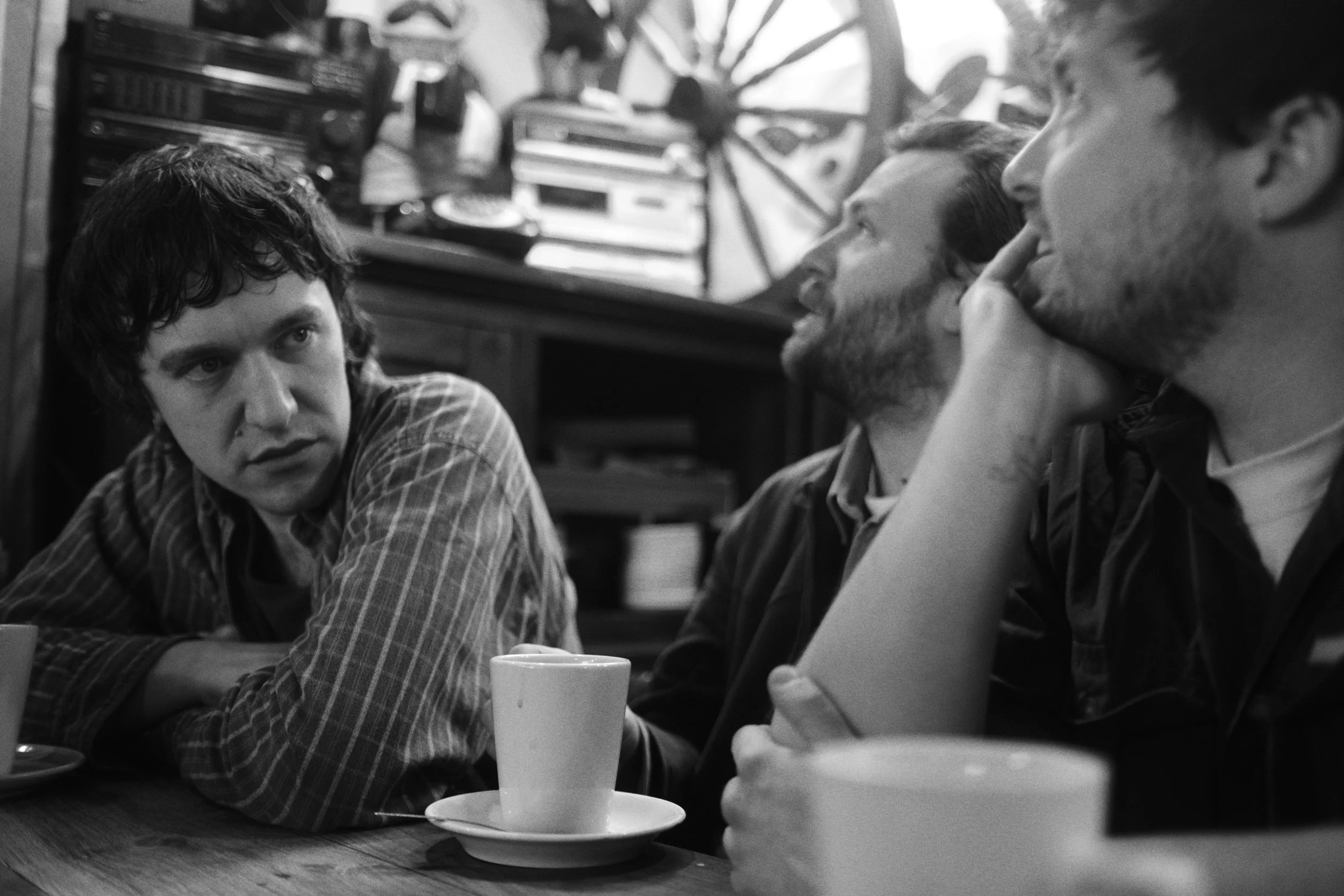
‘Drinking with Judy’ came from spending time in Los Angeles and feeling like an alien in the city. What was it about LA that fascinated you enough to eventually turn that experience into a song?
Getting to travel through America is nothing short of an incredible experience, you read about all of those iconic spaces & artistic movements in your early 20s but can’t really be prepared for what you might find there. Getting to play music in LA, NYC, Nashville, these are all moments I’ll never forget. We didn’t travel a lot when I was a kid, my family used to go camping in Cornwall, we didn’t get planes. Visiting LA tends to make a pretty big impact on you when you grow up in a small, grey, suburban part of England, reading about California and CBGBs.
Clarence Clarity feels like a brilliantly strange choice to mix a Hollow Hand record given his background in hyperpop. What made you think he was the right person, and did anything he did to the songs initially catch you completely off guard?
We’ve been friends for years, often shared houses & played music together always. We have a lot of trust going on too. We’d worked on various projects & toured together over the years but never committed to making a full LP together. It felt like a good time to check in. Adam and I share so many touchstones with music, our reference points are obvious to the point that we don’t need to talk about it, but we’re also into some different stuff. I suppose I was looking for him to make some strange choices, that’s what he does so perfectly with his music. We’ve been through a lot together & I’m just so happy with the new sonics that he brought to the record.
What do you love right now?
Brighde Chaimbeul’s last record & sleeping in the back of the car.
What do you hate right now?
Mosquitoes & living so far away from my sister.
Can you name an album you’re still listening to from when you were younger and tell us why it’s still important to you?
Murray Street by Sonic Youth, I’ve never really stopped listening to that album, it’s eternal. When I first got into it, it meant the world. It still does and is a great study for intertwining 2 guitars, magical.
You’ve said you needed the difficult period before this album to find yourself again. Now that Wish Road South is finished, has making it changed what you want Hollow Hand to be going forward?
I learn so much every time I make a record. There are feelings and attitudes from Wish Road South that I’d like to bring into 2027, I think the plan will be to travel and play a lot more. I already have new songs prepared, I just need a bit of time at home with them before I work out what to do. I’m really excited to get onto the next stuff!