
Start Listening To: Maripool
Maripool returns to Lisbon to confront old memories, isolation and the strange feeling of belonging nowhere on her new album Rotten Luck.
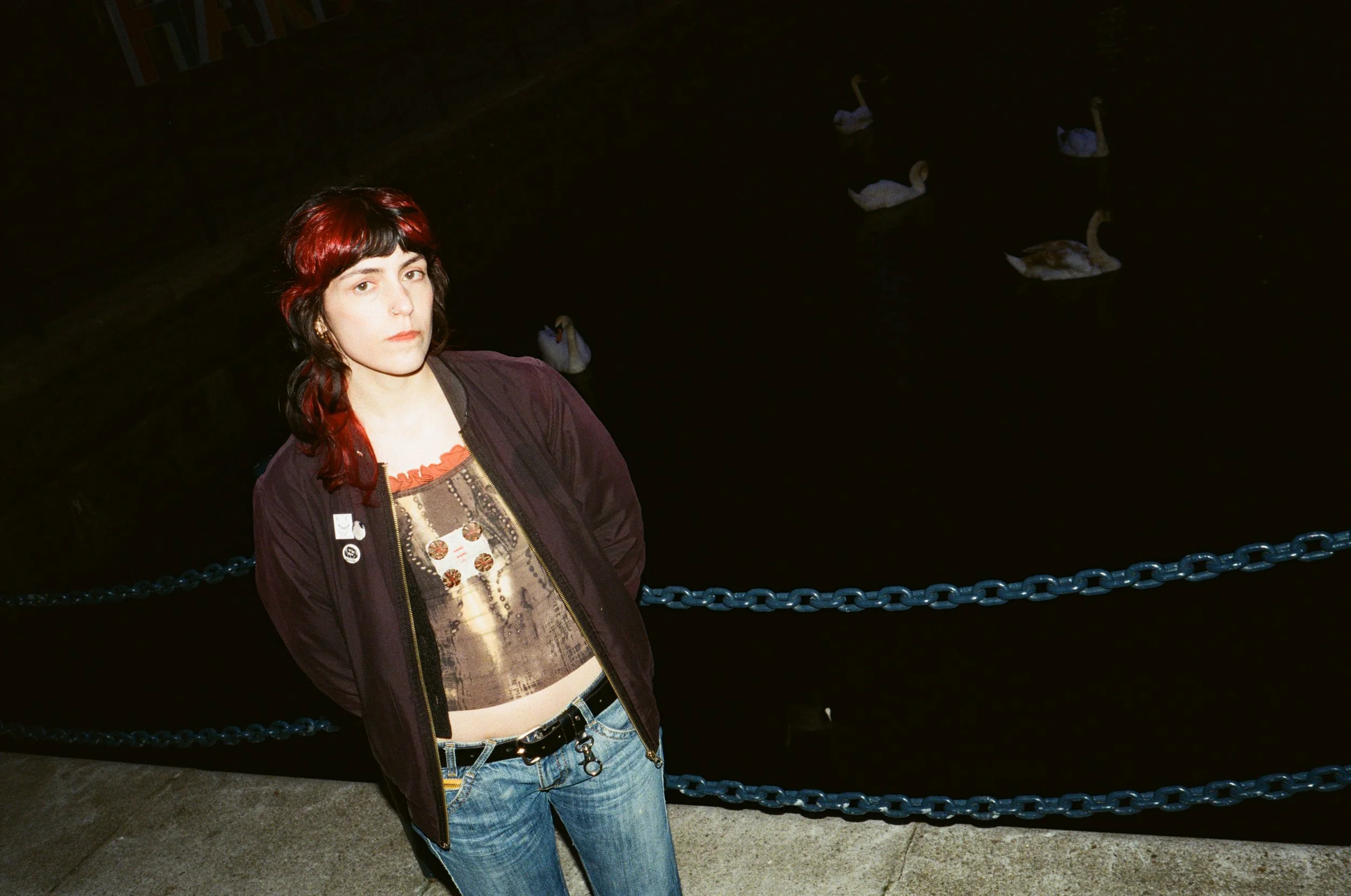
For Maripool, going home meant confronting everything she had once tried to leave behind. Born and raised in Lisbon before moving away at 18, the London-based songwriter returned to the Portuguese capital for a month-long residency, shutting herself away in a decaying fisherman’s building with no Wi-Fi, a broken window and enough distance from her everyday life to finally put some thoughts in order.
The songs she wrote there became Rotten Luck, an album caught between isolation and reconnection, looking back and moving forward. Returning to Lisbon forced Maripool to reconsider her relationship with the city, her family and the person she was when she left. We caught up with her to talk about making peace with the past, writing better when she’s alone, working with her sister and whether bad luck can sometimes take you exactly where you need to go.
For those unfamiliar with your music, can you tell us who you are, where you’re from and about the music you make?
Hello! My name is Natacha Simões but most people just know me as Maripool. I’m from Lisbon and currently based in London. I started playing guitar when I was 19, started writing my own songs maybe at 23. I was really bad for a really long time but practice makes perfect and today I write songs that I’m really proud of. My music takes influence from bands that I love like Alex G, Dinosaur Jr, Duster and a lot of midwest emo. But my music doesn’t really sound like any of that because I’m really bad at ripping off songs that I like which I think works in my favour.
Rotten Luck was written during a month-long residency in Lisbon, in a decaying fisherman’s building with no Wi-Fi and a broken window. How much did being physically cut off from your usual life shape the songs you ended up writing?
I write better in isolation, I can never write good songs in London which kinda makes me think I shouldn’t live here. It’s hard for me to process things when there’s so much happening around me, I’m often overstimulated. It was good to go away, to barely use my phone and put my thoughts in order. It allowed me to fully understand where I wanted to take my music and what I wanted to write about.
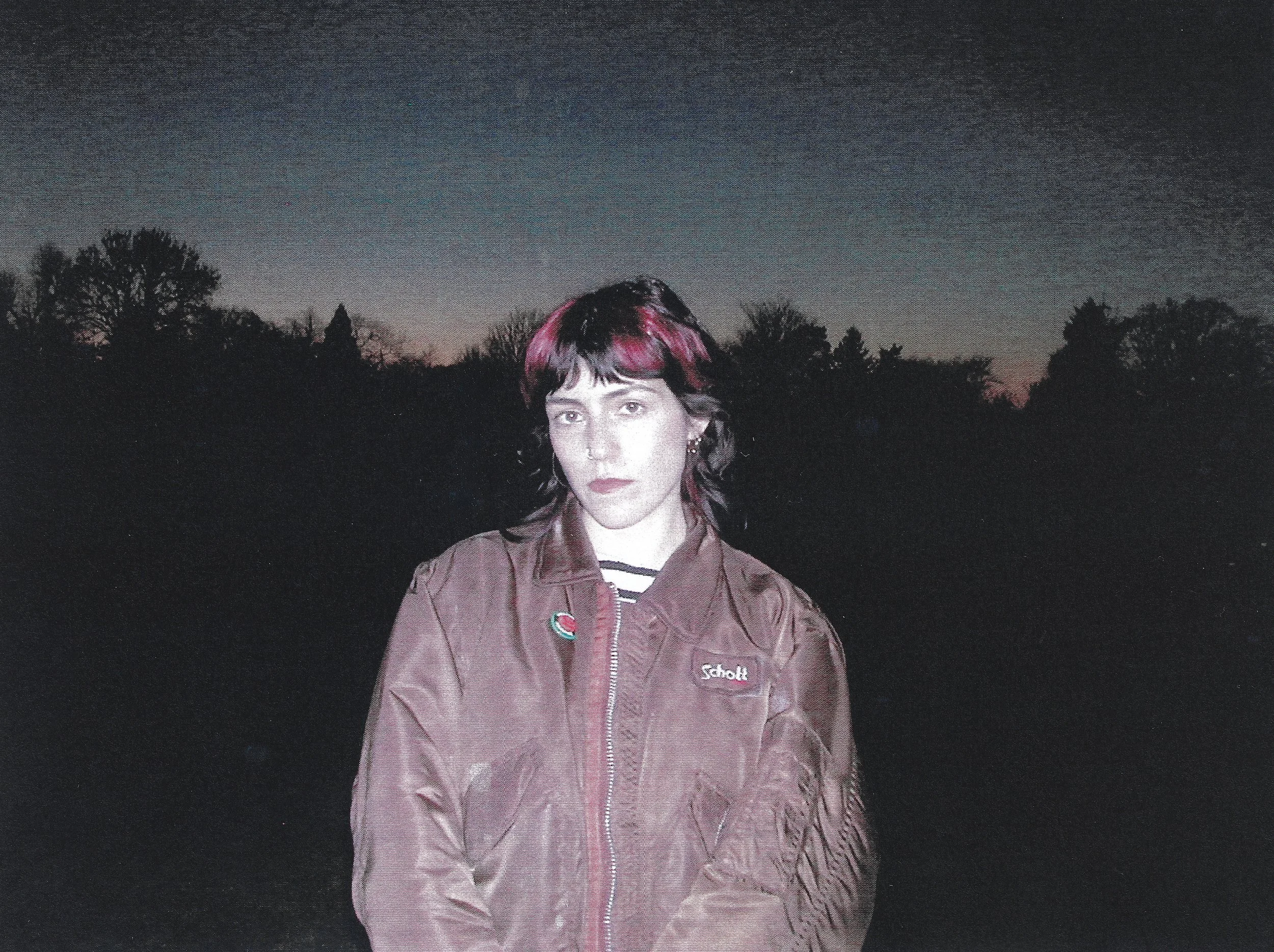
You left Lisbon as a teenager, so returning to write this record meant confronting both the city and a version of yourself you’d once left behind. Did being back there change the way you understood your own past?
It was mostly confronting a lot of things I tried to run away from. I left Lisbon at 18 and at the time I really hated it. Going back made me realise how important that place is for me and how it helped shape who I am. Now I love it and am so happy that I got to grow up there. There definitely was a lot of revisiting the past but more in a way of coming to terms with it.
There’s a strong tension throughout the album between reconnection and isolation. Did Lisbon feel comforting when you returned, or did it feel like somewhere you no longer fully belonged?
As an immigrant there’s a sense of not really belonging anywhere. I never felt like I belonged in Lisbon, that’s why I left, but London doesn’t feel like home either, more like a temporary place. In a way it feels like there’s two versions of me, and going back to Lisbon felt like reconnecting with a version of me and a life that I’d forgotten about.
‘Alone Tonight’ is about being back with your family while avoiding conversations about the things that went wrong. Why do you think families can become so good at collectively pretending everything is fine?
I come from a culture where people are either passive aggressive or just shout at each other. Dunno families are weird and complex and there’s always unresolved stuff that never gets talked about. I'm not really close with my family so even the concept of a family is quite strange to me.
You’ve called ‘Alone Tonight’ the saddest song on the record. Was it also one of the hardest to write or record?
I wrote this song on maybe my third day at the residency. It was written just after my mom’s birthday, where we all got together for dinner. It’s a sad song because it represents something quite sad to me, in the sense that I wish things had been different. When recording it we left it very similar to the demo, there was a certain energy in the demo that just felt perfect.
The video for ‘Alone Tonight’ was made with your sister Carina, and you’ve said she cried when you sent her the final edit. What did it mean to make something that personal with someone who shares so much of the history behind the song?
She is my biggest supporter, she believes in me and my music more than anyone. I love working with her because we are basically the same person and always have the funniest ideas. We also used to watch a lot of films as kids which makes us believe we are natural filmmakers. I think she cried mostly because she was really proud of it. Initially it was just supposed to be a funny video but we were making it up as we were filming and it ended up taking an emotional turn in the end.
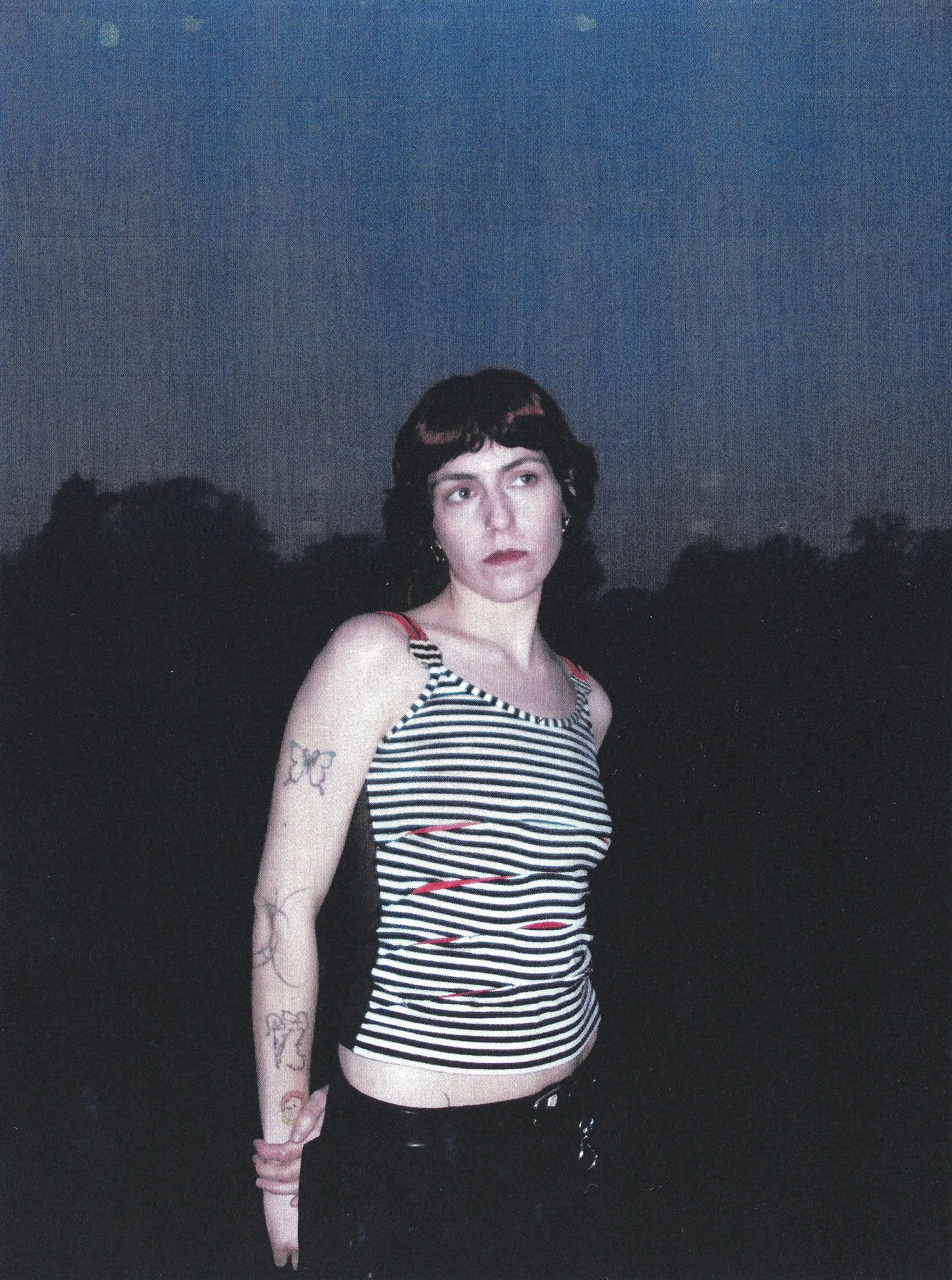
A lot of the songs were apparently still quite loosely formed when you entered the studio with Joseph Futak. Was there a moment where allowing a song to develop spontaneously took it somewhere you never would have expected?
Definitely with Crossing, the original demo was just my vocals and guitar. It was one of the songs I liked the most from the residency and I was scared it was gonna lose the rawness and directness of the demo. Everyone wrote their own parts and we tried it a couple of times as a band. It felt very fresh and loose when we went to record it which allowed for a lot of ideas to flow. In the end I just couldn’t believe how massive of a song it became.
The title Rotten Luck suggests bad circumstances, but there’s also something quite self-reflective about the album. By the end of making it, did you still see the things you were writing about as bad luck, or more as consequences of choices and change?
I think some things in life are just bad luck and there’s nothing we can do about it but just accept it. It’s interesting to look back at things and compare myself to friends or people I knew in Lisbon and think I would be a very different person had things happened differently. But Rotten Luck brought me where I am today and that’s pretty cool, it doesn’t always have to be bad.
You’ve described Rotten Luck as confronting who you are when everything external falls apart. After finishing the album, did you come away with a clearer answer to that question?
For sure but I think that is an ongoing question, music is all about self reflection and that’s why I love doing it. It’s a way for me to process things and understand myself better, as corny as that sounds.

What do you love right now?
Right now I’m loving not using my phone as much, my cat Kiškis, the new god of war album and the book I’m reading called Demon Copperhead.
What do you hate right now?
Cyclists who don’t stop at red traffic lights
Name an album you’re still listening to from when you were younger and why it’s still important to you?
Best Coast - Crazy For You
It’s funny because recently I was reading something about a perfect ten album and I think this one is it for me. Listening to it takes me back to being 15, every song evokes different feelings from that time. I’m a pretty nostalgic person and attach a lot of meanings to things, I found this album at a pivotal time in my life. I love listening to it and reminiscing.
When someone hears your music for the first time, what do you hope sticks with them?
I hope they get the same feeling that I get when I find music that I like, that they find it unique and authentic but most people that hear my music for the first time just say it sounds cool. I guess that works too!