
Solange’s A Seat at the Table Turns 10: Why It Still Matters
Solange’s pioneering album, perhaps more incisive than ever, turns ten.
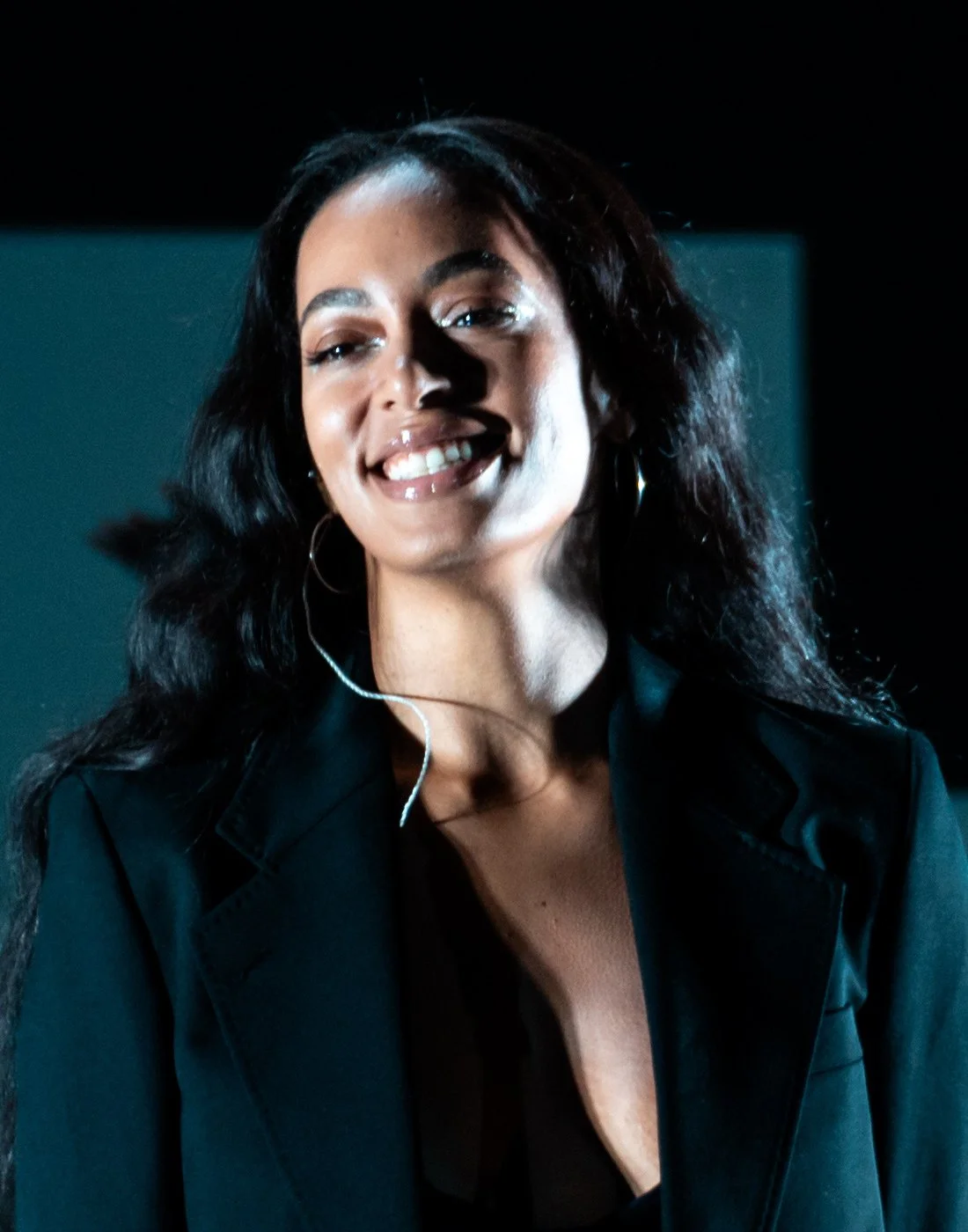
Few have impacted R&B with such integrity and grace as Solange. Ten years on from the release of her masterpiece A Seat at the Table, the reaches of this influence are still rippling out across the music industry. A moment of solace and defiance that has extended its simple wisdom through to several generations of listeners, the album, which incorporates elements of soul and funk alongside contemporary R&B, maintains unshakeable relevance. It was a demonstration of undeniable talent that has earned the Houston-born artist legend status.
Solange revealed she was working on a third album in 2009, following Solo Star in 2003 and Sol-Angel and the Hadley St. Dreams in 2008. She put out her sonically revered EP True in 2012 to a rapturous reception whilst still working on A Seat at the Table, and finally completed the album days before her thirtieth birthday, releasing it on 30 September 2016 through Saint Records and Columbia. It was a deeply collaborative process, representing the genre itself in its breadth of contributors, including Moses Sumney, André 3000, Kelsey Lu, Sampha, Dev Hynes, and Kelly Rowland. The cacophony of artistic input is just one element through which A Seat at the Table stretches the idea of what an album is, from a set of songs with a throughline, to a movement in its own right.
Angelic opening track ‘Rise’ sets a tone of both power and gentleness; a grounding, resonant prayer for strength. ‘Walk in your ways, so you won't crumble. Walk in your ways, so you can sleep at night. Walk in your ways, so you will wake up and rise,’ harmonises Solange, and in doing so, opens a portal into her mesmerising soundworld. Debuting the track at a live performance in 2015, she told her audience, “I wrote this one for Ferguson, for Baltimore”. Protests had been taking place across both cities following the deaths of Michael Brown and Freddie Gray, both Black men killed by police officers. The record itself not only references and responds to this collective action, it enkindles resistance.
A Seat at the Table’s release followed a year of political upheaval, including the first Trump campaign and continued amplification of the Black Lives Matter movement, primarily in response to police brutality. This context is reflected in the album’s eight interludes, including recordings from Solange’s father, Mathew Knowles, and mother, Tina Knowles. Alongside jazzy brass crescendos and fingerpicked electric guitar grooves, various speakers detail tender personal experiences, from the racial violence experienced in their youth, the empowerment of Black artists in the industry, and the pursuit of peace. Solange weaves her own experiences into tracks like ‘Weary’, about being overwhelmed by the world and needing to retreat from it in an effort to ground oneself, as well as exploring how existing political and social systems impact her on an individual and relational level in ‘Borderline (An Ode to Self-Care) (feat. Q-Tip)’. In doing so, she carves out a rare space to reflect on recovery and pride, whilst engaging with the realities of the world around her.
It’s a largely uncontroversial opinion that Grammy Award-winning ‘Cranes in the Sky’ is one of the greatest songs of the 2010s, if not beyond. It was penned eight years before its release, to an instrumental by writer and producer to every big name in R&B, Raphael Saadiq. The track never explicitly names grief as a theme, but it hangs over every line regardless. ‘I tried to keep myself busy, I ran around in circles, think I made myself dizzy. I slept it away, I sexed it away, I read it away,’ she sings, conveying in earnest the futility of outrunning one’s own pain. Of the song’s lyrical composition, Solange said, “I remember looking up and seeing all of these cranes in the sky. They were so heavy and such an eyesore, and not what I identified with peace and refuge. I remember thinking of it as an analogy for my transition - this idea of building up, up, up that was going on in our country at the time, all of this excessive building, and not really dealing with what was in front of us.” To so succinctly and eloquently untangle the complexities of life, love, and loss is the rare, poignant gift of this album.
‘Junie’, with its slippery funk edge, is another high point of the album, reaching into a free and open-hearted sound through the unprocessed thumping of piano keys and phantasmagorical synths. It’s a dance track, a much-needed respite, celebratory in its motion, and provides the ebb to its companion titles’ flow. Abstractly constructed, sultry ‘Scales (feat. Kelela)’ taps into inner power as the true gift operating beneath the push and pull of perceived success. Kelela’s recent success with her exalted album New Avatar is another turn in the cycle of slow process, as her career continues to uncoil and mature even after years in the game. It is no coincidence that so many of the collaborators on A Seat at the Table are now renowned for being unflinchingly married to their own internal artistic compass.
The record centres creation as a healing act over output, balancing a commitment to artistic integrity and divine timing with urgency and relevancy. That producing True, an entire and sonically defined EP, alongside A Seat at the Table was part of the artistic process rather than at odds with it, evidences Solange’s determination to create something in service of honesty and quality. For an album so critically acclaimed in its youth to go on to mean more to listeners by the year speaks to the sheer depth of its value, and directly mirrors the slowly unfurling process of its creation. Though some songs were written in single nights, the album as a complete work took years to hone. In 2026, as the nature of the industry and the realm of streaming pushes artists to release more, and faster, and wider-reaching music, recognition of the artistic journey is invaluable. Solange’s discography is a lesson in artistic integrity, and the unrestricted importance of reaching inside of oneself for truth, whilst equally maintaining a dedication to creative vision.