
A Beginner’s Guide To Proto-Punk
From the Sonics to the Stooges, we explore the bands that helped shape punk before it had a name, with five records to get you started.
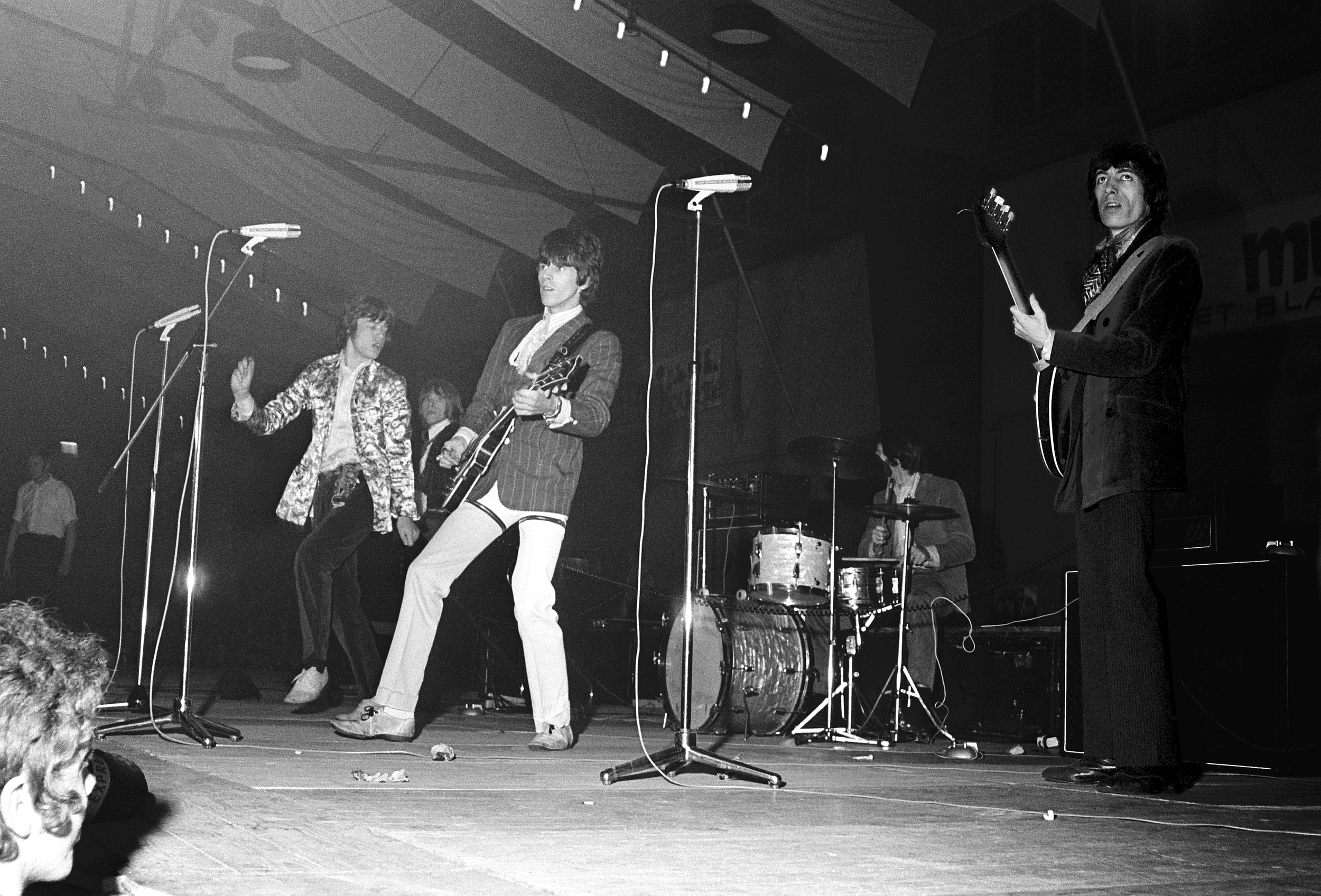
Whether you’ve heard the name proto-punk or not, you’ll know its influence. It’s a retrospective label for bands whose sound and attitude helped lay the groundwork for punk rock, drawing on psychedelia, hard rock and garage rock. Whilst definitions vary, the artists it covers mostly emerged before the mid-1970s, making music that would influence punk and its descendants (no pun intended).
These bands wouldn’t have called themselves proto-punk at the time. They might have described their music as straight-up rock and roll or hard rock, often pushing it into something harsher, more political or more experimental. Britain and America both played an important part in this history, with the British Invasion of the sixties helping ideas and influences travel between the two countries.
This era of popular music saw a polished sound and image for many bands, most notably the early years of The Beatles. However, British Invasion groups like The Kinks, The Rolling Stones and The Who would push rock into a dirtier, more aggressive sound. Whilst still being mainstream bands, they showed how much noise and confrontation could fit into a pop song. The Kinks’ ‘You Really Got Me’ would become known for the distortion on Dave Davies’ riff. That rough guitar sound would become a recurring feature of proto-punk.
American garage band The Sonics were no exception. They’re remembered for the volume and aggression of tracks like ‘The Witch’ and ‘Psycho’, with shouted vocals and overloaded guitars giving their music a ragged edge. Further into garage and psychedelia, the compilation Nuggets, released in 1972, brought together recordings from the first psychedelic era. Tracks like ‘Open My Eyes’ by Nazz and ‘I Had Too Much to Dream (Last Night)’ by The Electric Prunes capture the distorted guitars and restless energy that connect parts of this music to proto-punk. Also featured are The 13th Floor Elevators, whose ‘You’re Gonna Miss Me’ pairs Roky Erickson’s rasping vocals with the strange, bubbling sound of an electric jug. They weren’t the only band experimenting with unusual instrumentation. The Monks used electric banjo, insistent organ and repetitive rhythms to give their music an abrasive, confrontational sound. There’s rebellion laced through these bands that carries throughout proto-punk.
Detroit was another crucial centre. MC5 delivered political anger with Kick Out the Jams, an album whose live recordings capture the volume and intensity of their performances. There’s something about this record which feels like the perfect way to describe what proto-punk could stand for and sound like. Guitarist Wayne Kramer was central to that attack, with heavily distorted solos that veer away from tidy rock and roll phrasing. His radical, left-wing politics were also part of the group’s identity, connecting their musical aggression with their desire for social change.
Nearby Ann Arbor produced The Stooges, another group who would help define the genre. Their self-titled album contains ‘1969’ and ‘I Wanna Be Your Dog’, tracks now synonymous with proto-punk. Both maintain a raw feel, using repetition and blunt, distorted riffs to build tension. Their garage rock roots are easy to hear, as is the stripped-back approach that would contribute to punk later on down the line. They’d later deliver Raw Power under the name Iggy and the Stooges, with Iggy Pop’s distinct vocals and confrontational live performances making him an unavoidable focal point.
Meanwhile, in New York, The Velvet Underground and New York Dolls offered different kinds of provocation. The Velvet Underground brought experimentation and taboo subjects into their songwriting, with ‘Heroin’ explicitly exploring drug use while the music builds and subsides around it. Their association with Andy Warhol also connected them to the city’s wider art scene. The Dolls brought a ragged rock and roll sound and a flamboyant image that challenged expectations of how a band should look. In both cases, appearance and performance were part of the appeal, alongside music that would help shape punk.
It’d be a crime not to mention Boston’s The Modern Lovers, too. Their self-titled album puts Jonathan Richman’s conversational vocals against repetitive guitar and organ parts, finding excitement in everyday experiences on songs such as ‘Roadrunner’. Although the album wasn’t released until 1976, its recordings date from the early seventies, making it another useful example of how these ideas were taking shape before punk became an established movement.
For somewhere to start, here are five albums that show different sides of proto-punk, from political anger and abrasive guitars to art rock experimentation and ragged rock and roll:
MC5 – Kick Out the Jams
The Velvet Underground – The Velvet Underground & Nico
The Stooges – The Stooges
New York Dolls – In Too Much Too Soon
The Sonics – Here Are the Sonics