
Every Fontaines D.C. Album Ranked From Worst To Best
As Fontaines D.C. announce their fifth album Dopamine Chamber, we look back at the four records that turned them into one of the defining guitar bands of their generation.
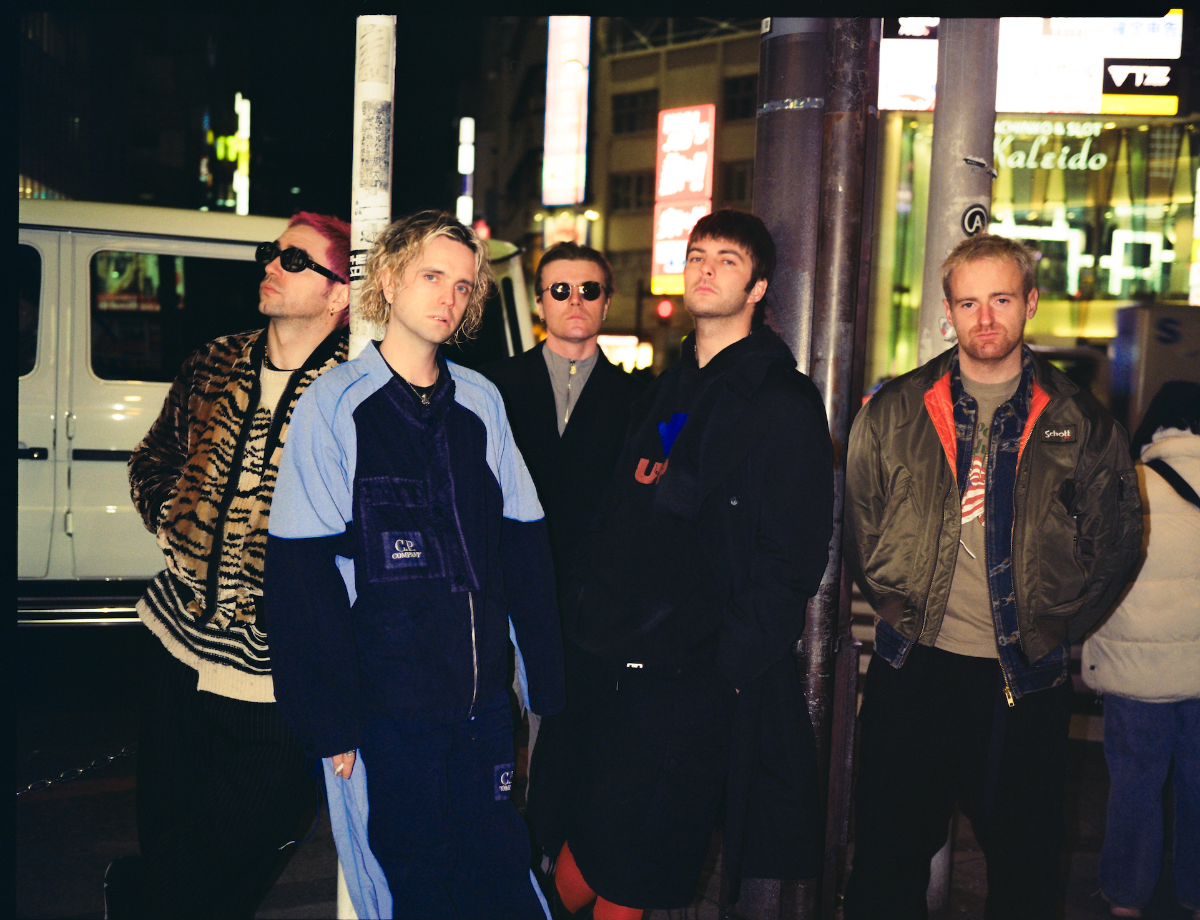
Fontaines D.C. are a band so big that they have, in a few short years, become the new Joy Division. An icon for an entire generation’s taste in genre, everywhere you go, no matter what festival up and down the country, you’ll see a guy in a Fontaines T-shirt. They’re massive: I caught several people sporting Fontaines tees at Jimmy Eat World at the weekend, for example. And one listen to any of the Irish band’s work makes it easy to see why. The flagship band of a revival and reappraisal of an entire country’s music, they’ve almost become an identifier for it themselves.
Pretty much every indie post-punk band nowadays is “Fontaines-like” – be they Keo, Wunderhorse or Gurriers. Their shadow of influence extends far and wide, thanks in no small part to the consistency of their albums, something that has carried deep into album number five, announced today on the eighteenth at the time of writing, alongside debut single ‘Marianne’, a barnstorming new track that matches the consistency of what has come before.
That consistency has meant that ranking just four albums has been an incredibly daunting task, somehow harder than selecting AND ranking 25 of the best songs by The Killers earlier this month. Ask me again on a different day and this order could be reversed, altered completely – the only fixed point is Dogrel. Because of course, as it always is, it’s Dogrel.
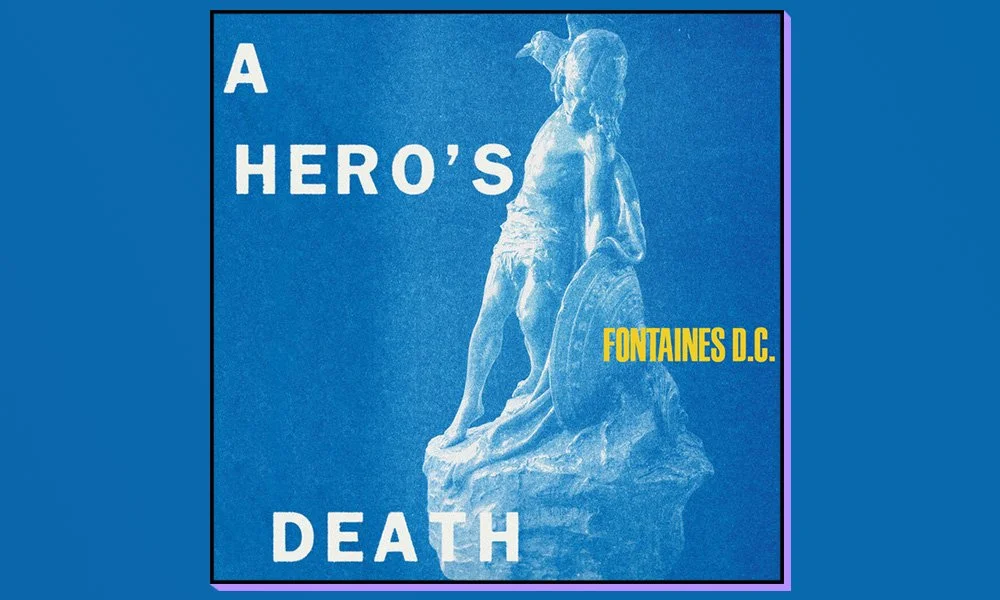
4) A Hero’s Death (2020)
A fusion of both the highs and the lows of life, Fontaines overcome the trials and tribulations of the “difficult second album” with a knockout that feels incredibly wrong to place fourth, stone cold, dead last.
It’s a difficult album to make after Dogrel – after all, how do you top that? You can’t. In Fontaines’ case, the answer involved recording in LA. Grian Chatten’s vocals are “ready steady violence”, embracing a sense of freedom and belief. Funny, fearless and full of manic triumph and horror in equal measure, it even drifts in parts into the kind of black comedy that films like The Banshees of Inisherin or In Bruges revel in.
It tackles the concept of self-destruction head on, embracing the literal concept of A Hero’s Death. If Dogrel was what made them heroes, then A Hero’s Death was what made them realise how close they were to being destroyed by the sheer intensity of Dogrel itself. Like on Dogrel, the lyrics are mission statements. “I don’t belong to anyone,” Chatten states, sullen and downbeat on the album opener, bringing Fontaines back down to Earth in the middle of their meteoric rise.
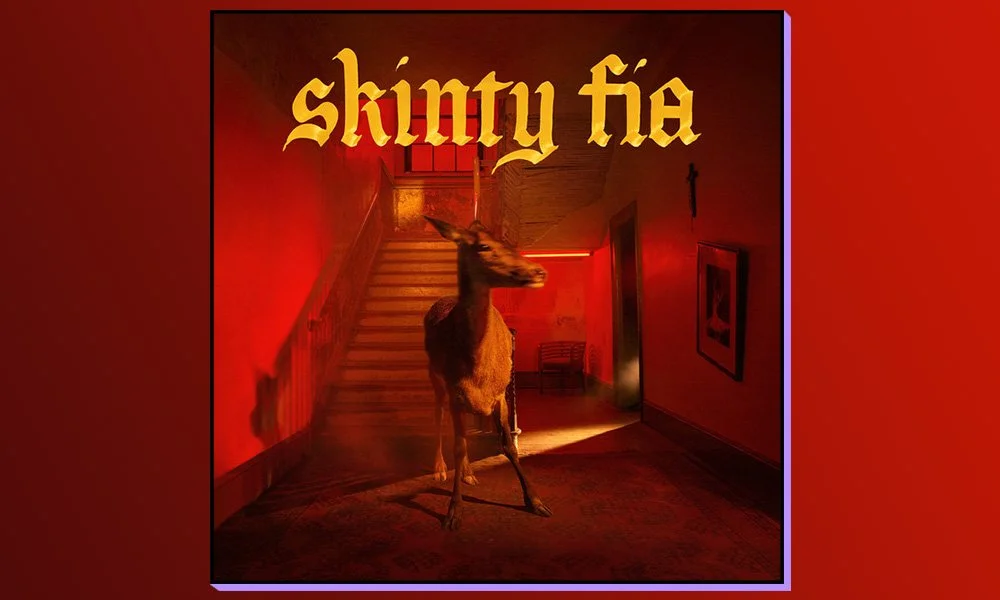
3) Skinty Fia (2022)
‘Jackie Down the Line’ is a belter of a track, and as album number three Skinty Fia is a real triumph, the band returning to their old ways after A Hero’s Death, the would-be arena-ready album were it not for the COVID-19 pandemic.
There are a couple of real earworms here that feel grippingly authentic: “Gone is the day / gone is the night.” The whole thing feels so much more cohesive and refined than anything they had put out up to this point, a real proving ground for Romance. The three-track run of ‘Jackie Down the Line’ > ‘Bloomsday’ > ‘Roman Holiday’ is just pitch perfect, remarkably consistent, and that’s before we even get to ‘Nabokov’, which has echoes of The Cure’s Pornography – not the first or last time the band would be inspired by The Cure.
It is their most adventurous album to date, scrappy and therapeutic in equal measure. Skinty Fia translates roughly as “the damnation of the deer”, its extinct Irish elk imagery becoming a symbol of Irish identity and culture. This is the album that sees the band grapple with a culture they become increasingly absent from the longer they spend away from their country, embracing an experimental and spiky cornerstone of the modern age.
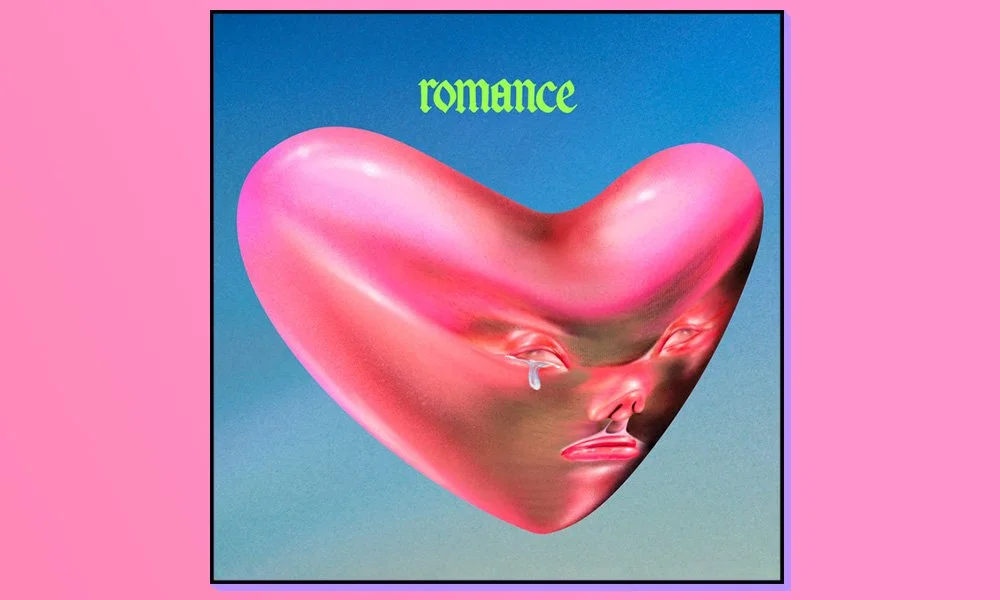
2) Romance (2024)
When I first made this list Romance was at the bottom, but the more I stopped to think about their latest album, the more I liked it. It’s the headliner-ready one, the one that confirms the band’s status as being unable to go back into small pubs for gigs ever again. It’s fast-paced, refined, approachable and a crowd-pleaser. For the first time, the band really try to appeal to the masses, and it works.
It’s a testament to Fontaines that they’re able to make their arena-level album feel so uniquely them, thanks to hits like ‘Starburster’ and ‘Romance’, which declares “Maybe romance is a place” in a way that feels incredibly seductive and alluring. This switch to pop excess in indie form is readily apparent on tracks like ‘In the Modern World’, which almost gives off Lana Del Rey vibes, a real departure from the earlier Ian Curtis influence. But the echo of Joy Division is still felt everywhere, with the album’s very first words dragging us “into the darkness again”.
Yet for all the gloom, it is sunnier than Skinty Fia, a reflection of the raw ambition of ‘Big’ that stays with them at every turn. ‘Sundowner’ drifts into shoegaze territory and James Joyce is again front and centre for ‘Horseness Is the Whatness’, as the band drift into The Cure territory, particularly in the back half.
This cascade of influences, especially The Cure, probably explains why I love it to bits. Specifically, centrepiece ‘Favourite’ has accompanied many an Instagram story. Dare I say it? Romance is furthermore their most nu-metal-influenced record to date, ‘Starburster’ drawing from the likes of Korn before leading into a chaotic, Gilla Band-infused injection of real revelry.
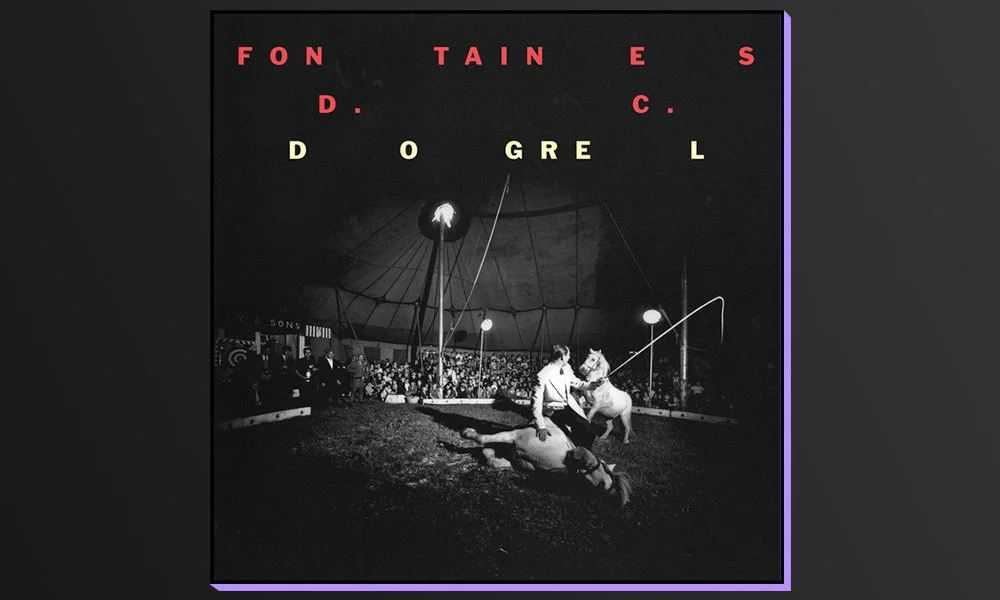
1) Dogrel (2019)
When Dogrel was released in 2019 it instantly changed the post-punk scene. Raw, abrasive, not quite possessing the refinement of their later works, it reinforces the theory that every modern post-punk band’s best album is their first.
But in Fontaines’ case, it’s easy to see why. ‘Big’ talks about their ambitions (“My childhood was small / But I’m going to be Big!”), ambitions they have very much fulfilled. It’s confident and brash, with an ego that few artists would dare to have, let alone the confidence to actually achieve what they promised.
‘Boys in the Better Land’ remains one of the best songs Fontaines have put out to date: short, sharp, fearless and punchy. There are echoes of The Fall here, operating in the same sphere as IDLES and Shame, capturing the DNA of an Ian Curtis reborn in Grian Chatten. It’s a shout-speak call and response that frequently veers away from traditional song structures in favour of its own storytelling and sharp vision.
The poetry influences lie heavily over the band’s debut, from bonding over Joycean poetry in pubs to nodding towards ‘60s garage. That fusion of poetry and garage at every turn makes for an unmistakably unique sound.
“Dublin in the rain is mine / a pregnant city with a Catholic mind…”
How many album openers this past decade stand a chance of matching that?