
Every IDLES Album Ranked From Worst To Best
Just like that, we’re nearly a decade on from the release of Brutalism. Have the post-punk pioneers ever surpassed their debut?
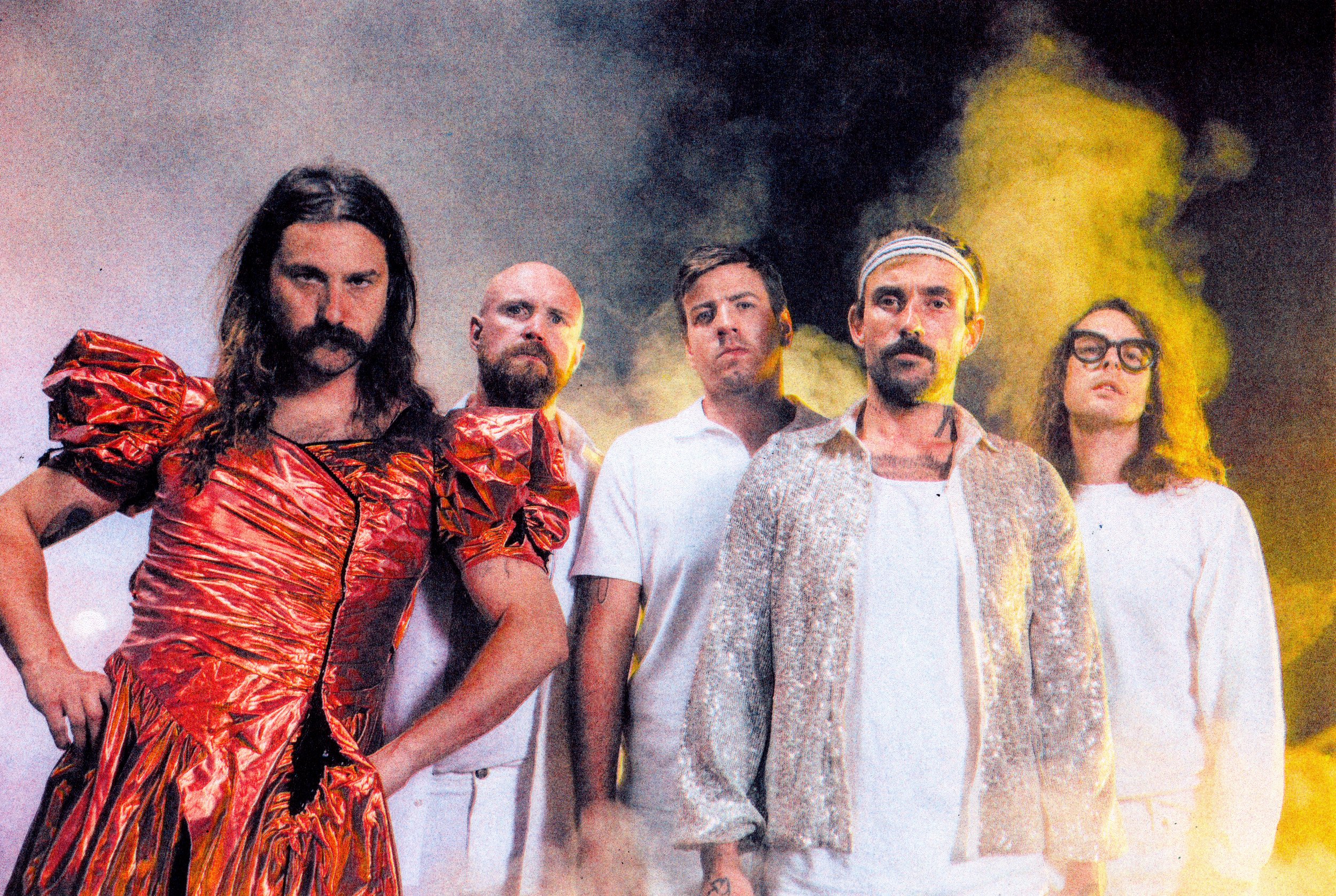
I had two equally cringe-inducing introductions to the mighty IDLES.
The first was while I was at university, aspiring to develop a decent music taste through sheer consumption and force of will. The humble Meat EP found its way to an inbox shared among a few budding critics, and I was the unsuspecting soul to pick it up. I had absolutely no idea what to make of it - blissfully unaware of the success the Bristol-based bunch would go on to have.
The second wasn’t a musical encounter, rather exposure via osmosis. I had an idea of what Joy as an Act of Resistance was before I’d heard a single song. Tees with the now-iconic artwork plastered over them, vague-posted lyrics, and cryptic stills from the 'Colossus' video were everywhere.
That dose of FOMO was all the motivation I needed to make up for lost time, opening the door to bands like Shame, Viagra Boys, and Amyl and The Sniffers.
Nearly a decade and a handful of LPs later, the quintet have galvanised their reputation as one of the most consistently invigorating live acts around. But how do their studio sessions fare when pitted against each other? Here’s all five of them, ranked from worst to best.
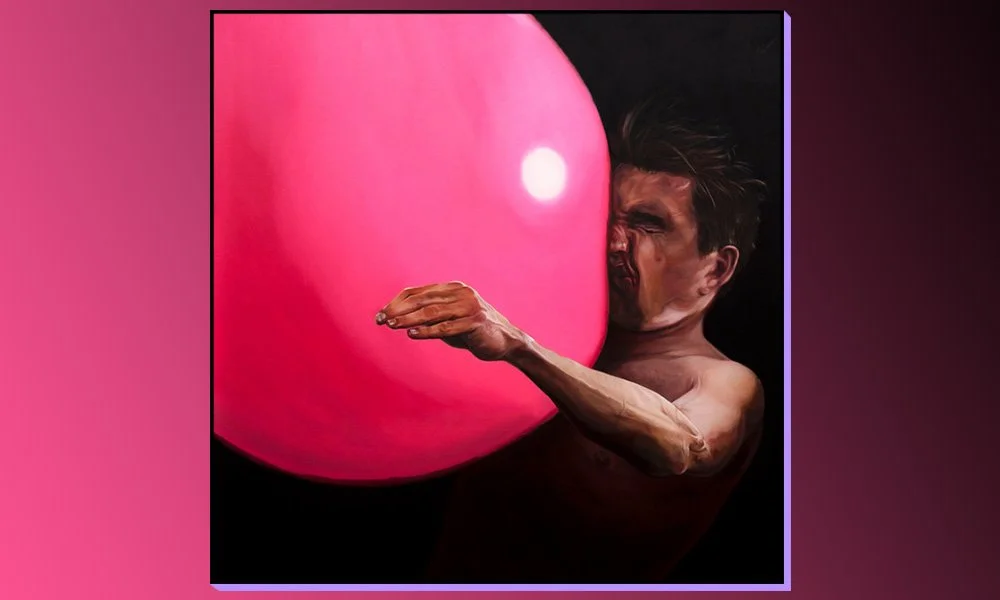
5) Ultra Mono (2020)
Recorded in La Frette Studios after a heavy bout of touring, Ultra Mono was born straight into the paranoia and uncertainty of the pandemic, greeting the world with something unapologetically violent, hysterical and blunt.
Opener ‘War’ is a microcosm of the album as a whole: a relentless, blistering assault on the senses that stubbornly stays its course, made all the more confronting thanks to a dry, weighty mix that gives each track a gargantuan sound. The production is a welcome and surprising change, considering Joy producers Nick Launay and Adam Greenspan reprised their duties for this follow-up.
But time hasn’t been too kind to this album. Beyond 'Mr. Motivator', relatively few tracks have remained central to the band's live set. The biggest marks against Ultra Mono are that the writing doesn’t go far beyond their established stomping ground, and that its undeniable heft is both a blessing and a curse.
Gone is the relative nuance, that characteristic wordplay that throws a volley of barbs at those perpetuating societal ills, replaced with a black and white series of takes - see ‘Anxiety’ and ‘Carcinogenic’. In ‘Grounds’ and ‘Reigns’, those highs are a moderated treat saved for the high of a chorus. In ‘War’ and ‘Kill Them With Kindness’, those highs represent a comfort zone that the band don’t want to venture beyond.
The album's directness often comes at the expense of the nuance that often elevates the band's writing. At times, Ultra Mono feels like a pastiche of Joy. But then again, any album would struggle in this position. It’s nothing personal, Ultra Mono. Honest.
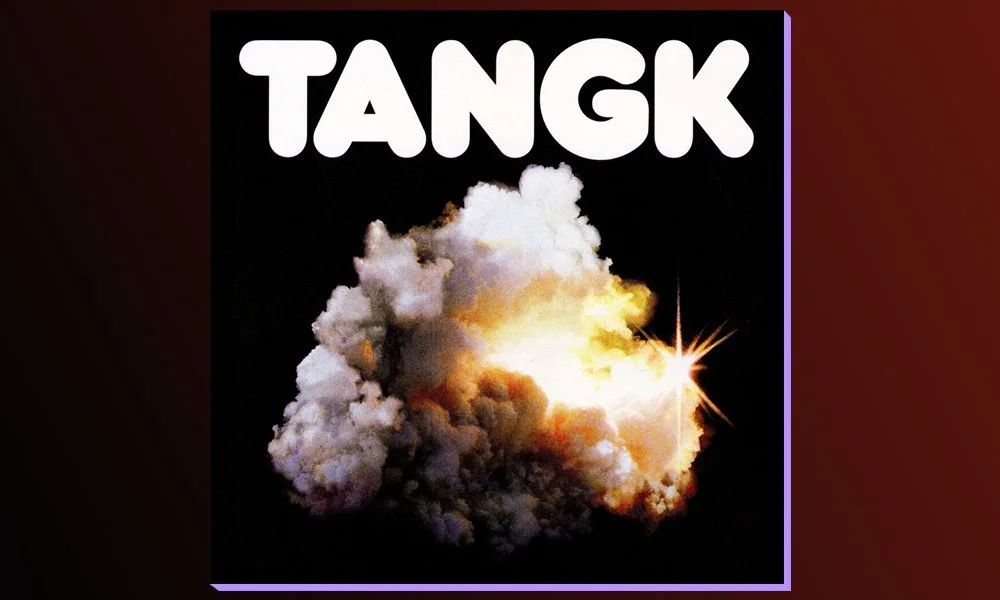
4) Tangk (2024)
No band is immune to the passage of time and the apparent mellowing it brings. The only difference is that when IDLES begin to incorporate more gentle textures into their work, they’re put against a still formidable backdrop of post-punk fervour. This works in Tangk’s favour: there’s far more to sink your teeth into here.
Take lead single ‘Dancer’. I was wary of the collaboration with LCD Soundsystem, frankly. That intro sting of strings caught me off guard, but the combination of the typically brutal verse and Joe Talbot’s ability to depict a simple act with such intimate intensity brought me back.
There’s a flash of newfound tenderness that comes with the new instrumentation, paired with Talbot’s newfound love for life and, well, love that comes screaming through. As he told NME back in October 2023:
“I want to make people dance, I want people to feel the love that I need in my life, I want to make people move, I want our music to be infectious again – and I want it to be infectious in a way that makes people feel, not think. I want to feel part of something electric again.”
The band’s candidness here elevates the LP. It’s why I can enthusiastically get behind the almost onomatopoeic tirade in the pre-chorus of ‘Gift Horse’ and its comedically simple chorus.
Even when Tangk doesn’t quite land, you can appreciate where the five-piece are trying something different. The opening drums on ‘IDEA 01’ hark back to live performances of the mighty ‘Colossus’, only for glittering keys to subvert expectations.
Tangk rewards the band’s willingness to challenge expectations, revealing new dimensions without abandoning what made IDLES compelling in the first place.
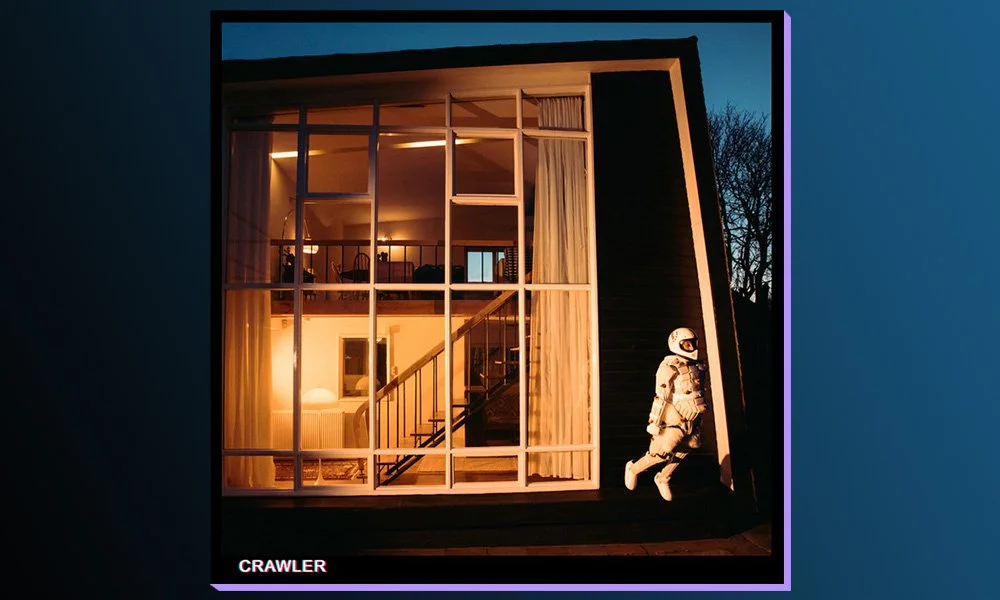
3) Crawler (2021)
Goodness, the opening track on Crawler still gives me goosebumps. If Ultra Mono is a vague tirade against a nondescript opponent, this fourth LP dives inwards with scathing introspection. From the stripped back instrumentation to Talbot’s opening drawl, ‘MTT 420 RR’ sounds like a vehicle for a hopeless subject: endlessly repeated descriptors as a way to rationalise the near-miss road accident that inspired the track’s name.
Then,‘The Wheel’. It’s utter despair manifest, as Talbot paints a picture of a disease that took his mother’s life with some gutting lines: a harrowing ultimatum, morbidly paired with the most danceable instrumentation on the album.
This run - from ‘MTT 420 RR’ through to ‘Crawl!’ hardly misses. Within this eight-track series, we unearth examples that don’t - at face value - fit IDLES’ proven frenetic formula. But those examples, take ‘Car Crash’ and ‘The Beachland Ballroom’, shine here.
They’re given space to breathe and grow. They explore new feelings IDLES haven’t explicitly tapped into previously, such as feeling lost as the band grows, recapturing fragments of repressed memories, or rediscovering yourself through new experiences. Plus, Talbot’s delivery of “I don’t want your dim sum” in ‘When The Lights Come On’ has long since been a vocal tick of mine.
Even in the valleys of the album, tracks like ‘Meds’ still offer flashes of that kitchen sink directness we first drank up in Brutalism. It’s all the more impressive considering that IDLES delivered this album just a year after the release of Ultra Mono, and that Talbot shared that “a couple of songs on Crawler were very much unfinished.”
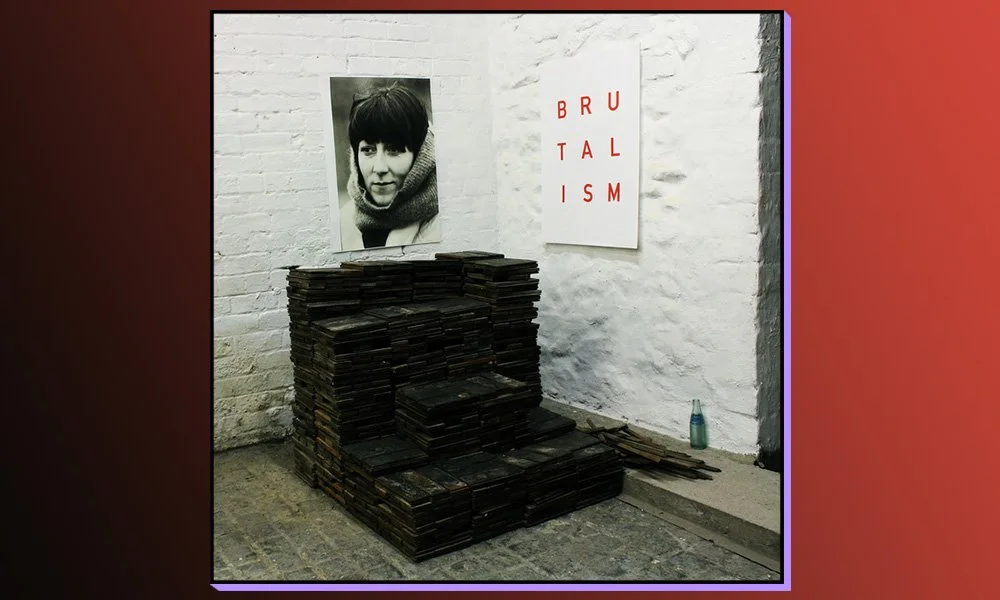
2) Brutalism (2017)
What an apt name. The sound of Brutalism is sheer dark grit. Undoubtedly influenced by the death of Talbot’s mother during recording - who is pictured on the album’s artwork - his despair is captured in ballads of grief, anger, and loss.
Some argue it’s the event that focused the band into creating something as frenzied as Brutalism and ultimately helped them find their voice. Eoin Murray’s excellent article in The Quietus offers a summation of this perspective. Yet Brutalism isn’t defined by it. It’s filled with feminism, odes against austerity and class derision, and sheer chaos.
Brutalism is front-loaded with a fistful of capable singles, but it has all the more impact for it. You just might survive the one-two punch of ‘Well Done’ and ‘Mother’; the latter of which is still one of the most chaotic tracks on a modern IDLES setlist.
Compared to later albums, there’s a shift in production. Not necessarily a dip in quality, but a slight washed-out sound that’s perhaps a necessity to keep the tightly-knit wall of noise in check, lest it rupture eardrums.
What makes IDLES’ debut stand the test of time is its sheer, undistilled feeling. God, it’s raw. It’s a vision of coarse despair that feels like several individual emotional breakdowns paired together in an ungodly amalgamation - kept slightly in check by Talbot’s guiding hand.
Listen to the opener, ‘Heel/Heal’. Unless you stick with it, you might not think it’s going to turn into an actual song - or not in the traditional sense, anyway. When it eventually does, you’re sold that IDLES’ particular brand of musical anarchy might be the way forward.
The result is a record whose urgency hasn’t diminished with time, despite nearly being a decade old. In it, IDLES set out their store with absolute uncompromising clarity: vulnerability and vigour, in equal measure. Need proof? All Talbot needs to do to keep the tracks timely is change ‘tory’ to ‘fascist’ in live performances of ‘Mother’.
Maybe it’s a sign of his uncanny ability to write a politically-charged track that’s still poignant to this day - or an observation that one societal scourge has changed its face.
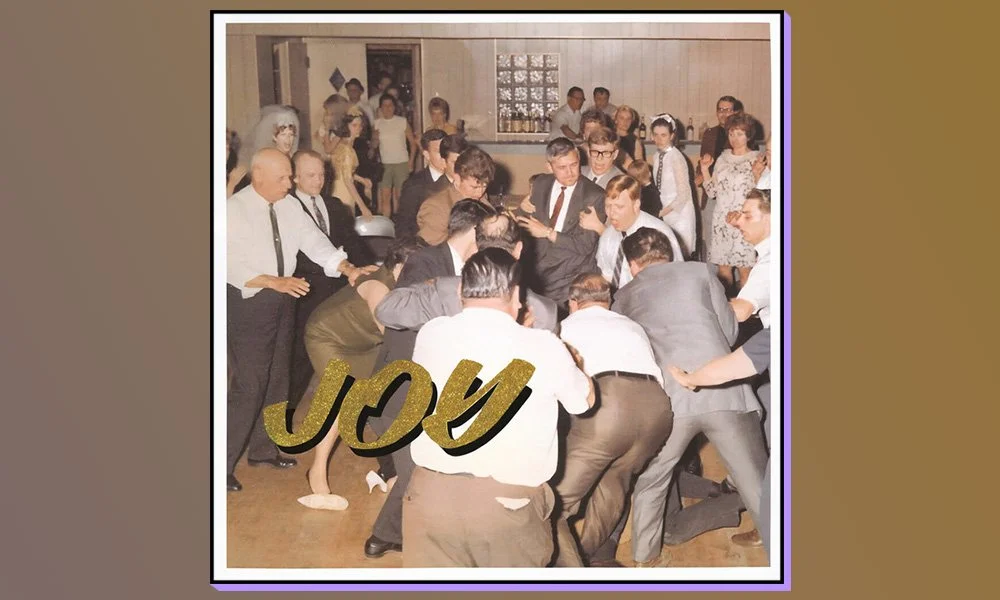
1) Joy as an Act of Resistance (2018)
For me, no other IDLES record matches Joy. IDLES’ sophomore effort felt like a so-nearly belated response to political turmoil, growing social tension and division brought on by that much-maligned B-word that’s coming back into the political lexicon at the time of writing. It’s certainly a product of its time, but each of the tracks on it have aged wonderfully.
If IDLES set out their mission statement with Brutalism, Joy was a sledgehammer of subtlety that made sure you got the band’s gist, delivered with a balanced side of scathing social commentary. Each talking point becomes a little louder: a more galvanised response to the emerging issues of Brexit, toxic masculinity, the need to accept oneself and an unrelenting pro-immigration anthem in ‘Danny Nedelko’.
Joy was a recognition that - for Talbot and co at least - you can’t pull apart the prose from the politics, which supercharged the impact the album would have. For many IDLES fans, the world was (and is) shit. This album dares to believe that something good might be on the other side. It also helps that the songs weren’t half bad, either.
This feels like the LP in which IDLES fully crystallise their sound. You can trace the band’s incremental improvements from this point. The mosh-inducing weight of ‘Never Fight a Man with a Perm’ would be transplanted into ‘The Wheel’. Try as they might, the band haven’t delivered a love song that’s surpassed the bluntly-titled ‘Love Song’. And for each attempt to make an explosive start and finish to an album, ‘Colossus’ and ‘Rottweiler’ are still the benchmark against which the band’s album openers and closers are measured.
No matter how you choose to read this album - be it through a historical lens or a modern retrospective - it still stands. And it does so with pride, anger, and love.