
From the alternative rock classics on The Bends to the dive into electronica on Kid A and Amnesiac, we rank every single Radiohead album.
After going through Radiohead’s top 25 songs last month, it felt fitting to rank the band’s discography from worst to best. With nine albums spanning over two decades and a sound that’s made every album feel completely different from the last, it’s a challenging task.
Radiohead have one of the strongest discographies in music and even the albums that make up the back end of this list are still strong albums. Also, a little note to say this is just studio albums, so no live albums or EPs from them.
It’s impossible to pick a perfect ranking of their work but we’ve given it our best shot.
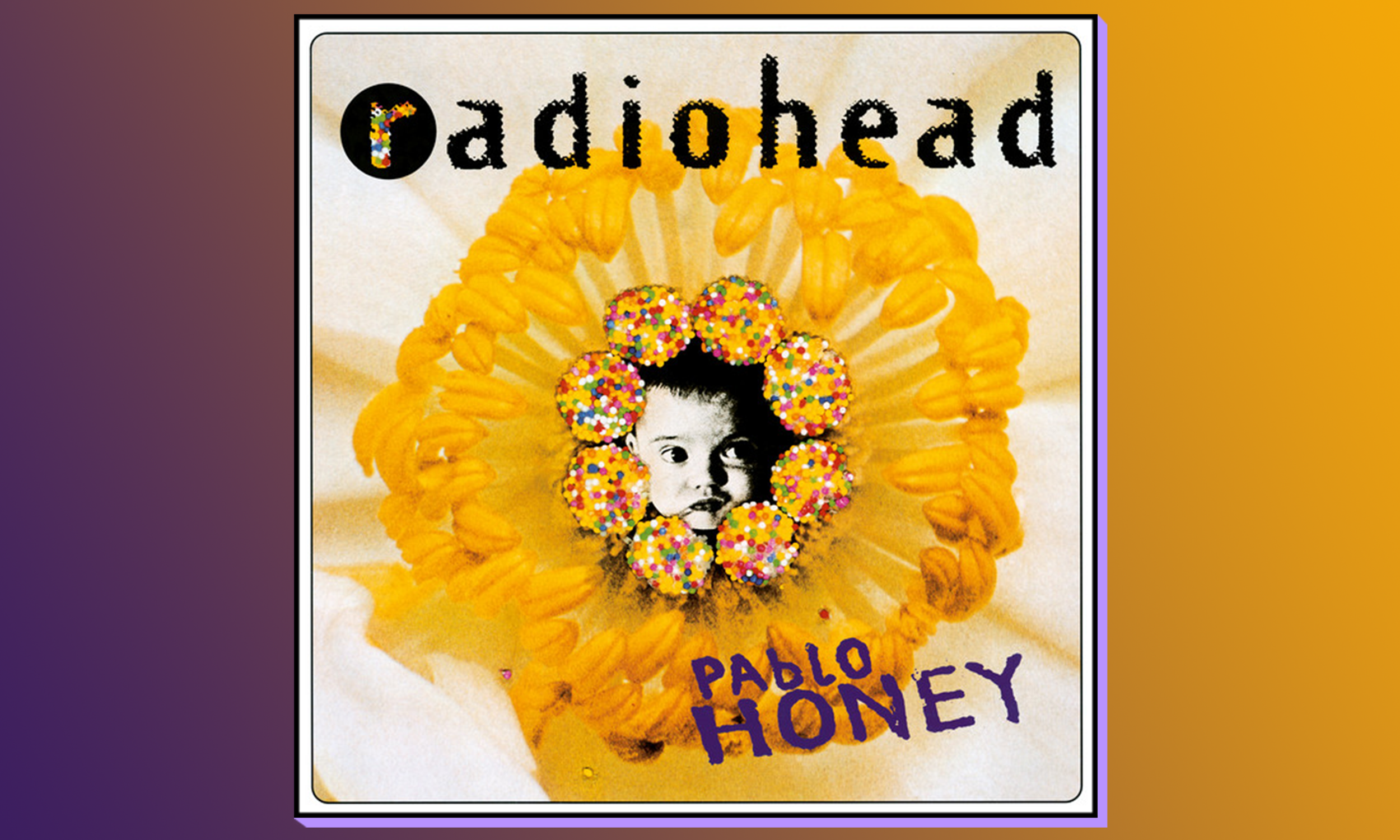
9) Pablo Honey
There is probably no real surprise to the two albums that make up the bottom two of this ranking. There isn’t a great deal between them but it’s the band’s debut album that comes in as their worst, Pablo Honey.
Released in 1993, it’s become quite unfairly seen as the ‘Creep’ album when actually it’s a pretty strong album outside of one of their biggest songs. It’s very much a 90s album with the grunge sound inspired by the likes of Nirvana coming through.
Tracks like ‘Blow Out’ and ‘Stop Whispering’ are standouts on the album but it can often feel like it wears its influences on its sleeve and that’s one of the main issues I have with the album. While the rest of the band’s discography feels distinctively Radiohead, Pablo Honey at times feels as though it could be made by a number of 90s bands.
Of course, ‘Creep’ has to be mentioned when talking about Pablo Honey as it’s probably Radiohead’s most iconic song. It’s safe to say it is a banger but I do have flashbacks to my late teen fresher clubbing days whenever I hear it.
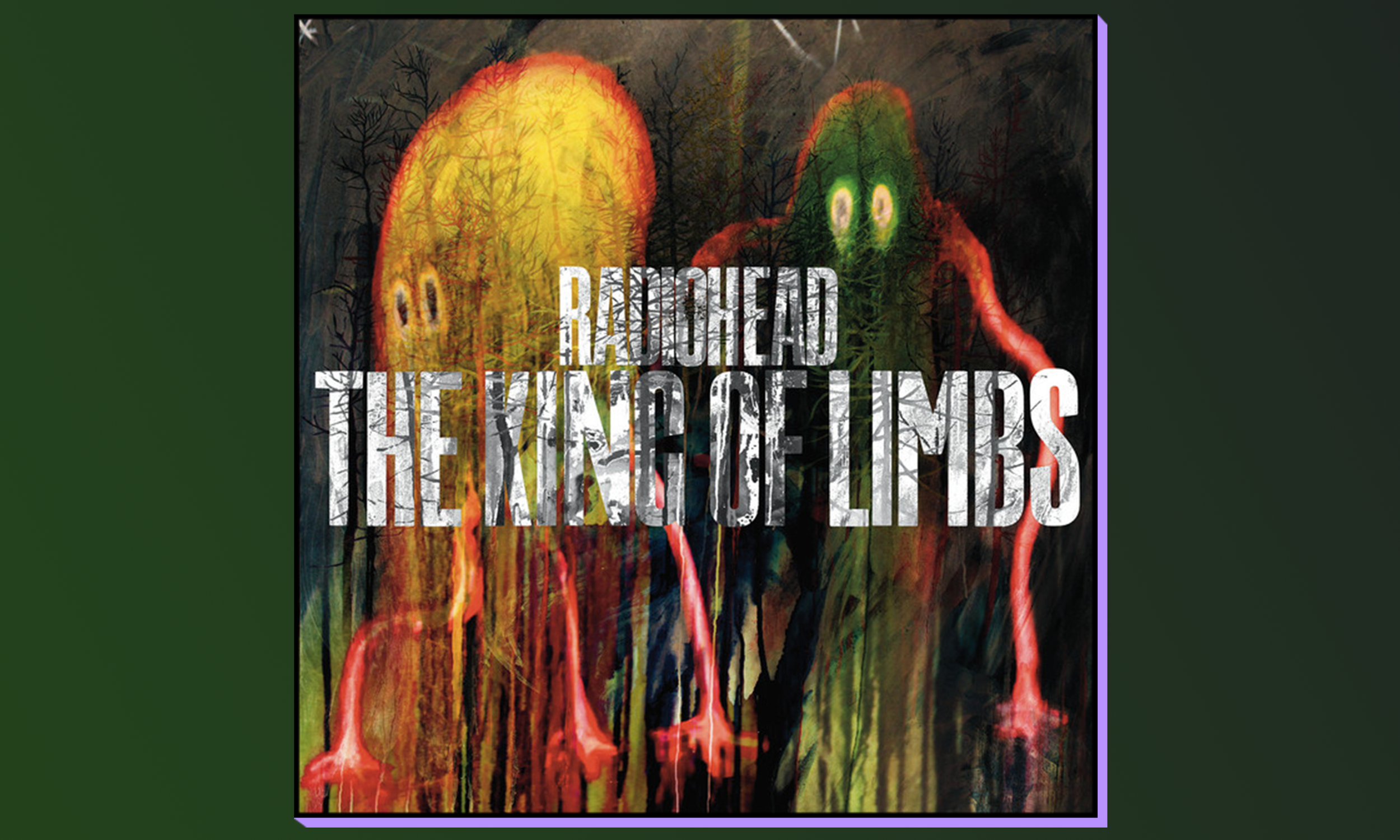
8) The King of Limbs
The next fairly obvious placement is the band’s eighth studio album, The King of Limbs. It’s one of their shortest and most experimental albums which leads to some mixed results but ultimately, The King of Limbs is perhaps the band’s bravest album so far.
The issue I have with this album is that I’ve never been able to connect with it. No matter how many times I listen to it, I can appreciate the instrumentation and technical ability but I always feel quite neutral about the whole album.
In each track there are elements to enjoy: Thom Yorke’s vocal arrangements on ‘Bloom’, the bassline on ‘Little by Little’, the gentleness of ‘Give Up the Ghost’ and we can’t forget the album’s fantastic closer, ‘Separator’. Ultimately though, there’s a lot of ideas being thrown around in this album and not all of them stick.
One of the best things about this album is its embrace of nature with the title being a reference to a tree in Savernake Forest. The title reflects the album’s messy nature at times too with it feeling like a collection of flailing limbs.
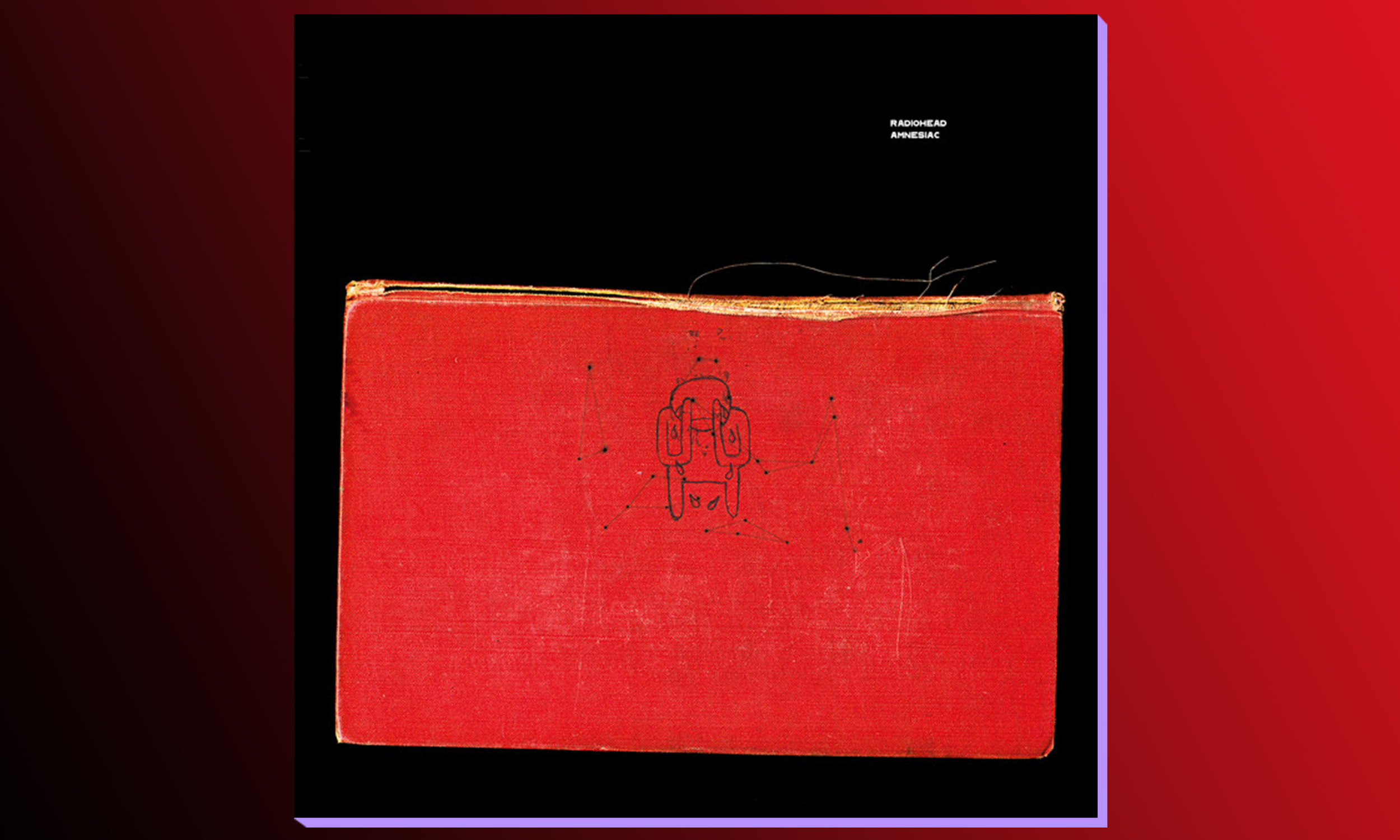
7) Amnesiac
With a pretty sizeable gap between eighth and seventh, we have Radiohead’s 2001 album, Amnesiac. It’s the twin to Kid A and while this is the weaker of the two, it’s still a fantastic electronic album with so many different sounds that leave you thinking, how did they do that?
This album has classics like ‘Pyramid Song’ and ‘You and Whose Army?’ that you can’t tire of listening to but it also fits in so many different ideas, similar to The King of Limbs, that shouldn’t work but really do.
At points on tracks like ‘Pulk/Pull Revolving Doors’ the distorted noises and sample glitching can get a bit too jarring and take away from some of the incredibly high highs on this album. That may be the main issue I have with Amnesiac: when it works, it works really well but at the rare times it may falter, it does weaken the album a fair bit.
In all fairness to Amnesiac, if you were to say this was a band’s best album, you’d guess the band were pretty great. It’s just unfortunate for Amnesiac that it’s up against some incredible albums in one of the strongest discographies in music.
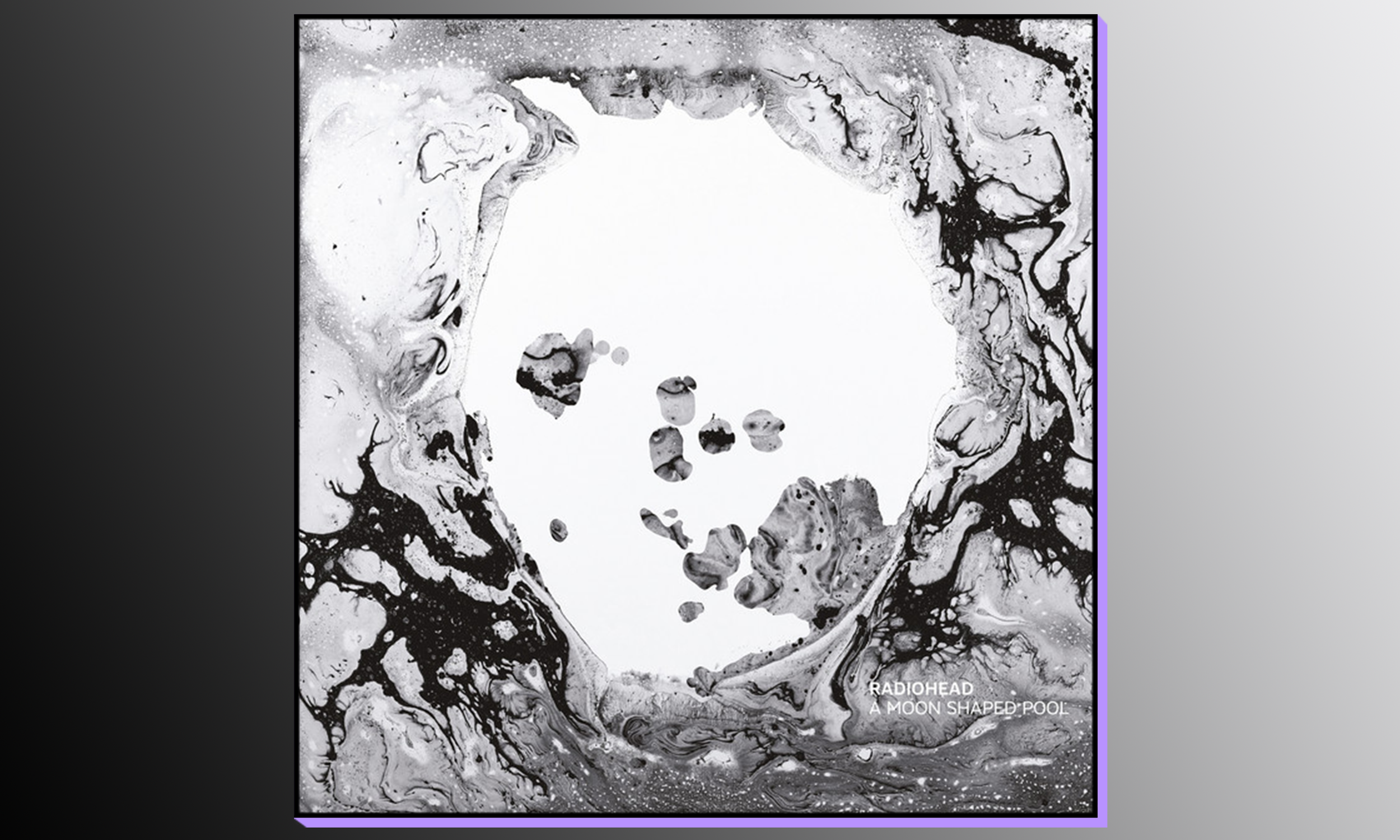
6) A Moon Shaped Pool
Radiohead’s latest album, which turned ten years old this year, is a brilliant body of music that incorporates genres such as art rock, ambient music and post-rock while having the band’s signature style.
This is probably Radiohead’s most floating, weightless album that really does feel like you’re lying in a pool (that just so happens to be moon shaped). Tracks like ‘Burn the Witch’, ‘True Love Waits’ and ‘Daydreaming’ are all up there with some of the band’s best work and the use of an orchestra for this album makes the album feel so much grander and richer.
Perhaps the only thing holding it back amongst the other albums to come up on the list is that it doesn’t have the classic status that perhaps nostalgia gives some of the others. In time, I’m sure it will be seen in best Radiohead album conversations but it’s not quite there yet. That being said, it’s one of the best albums of the 2010s.
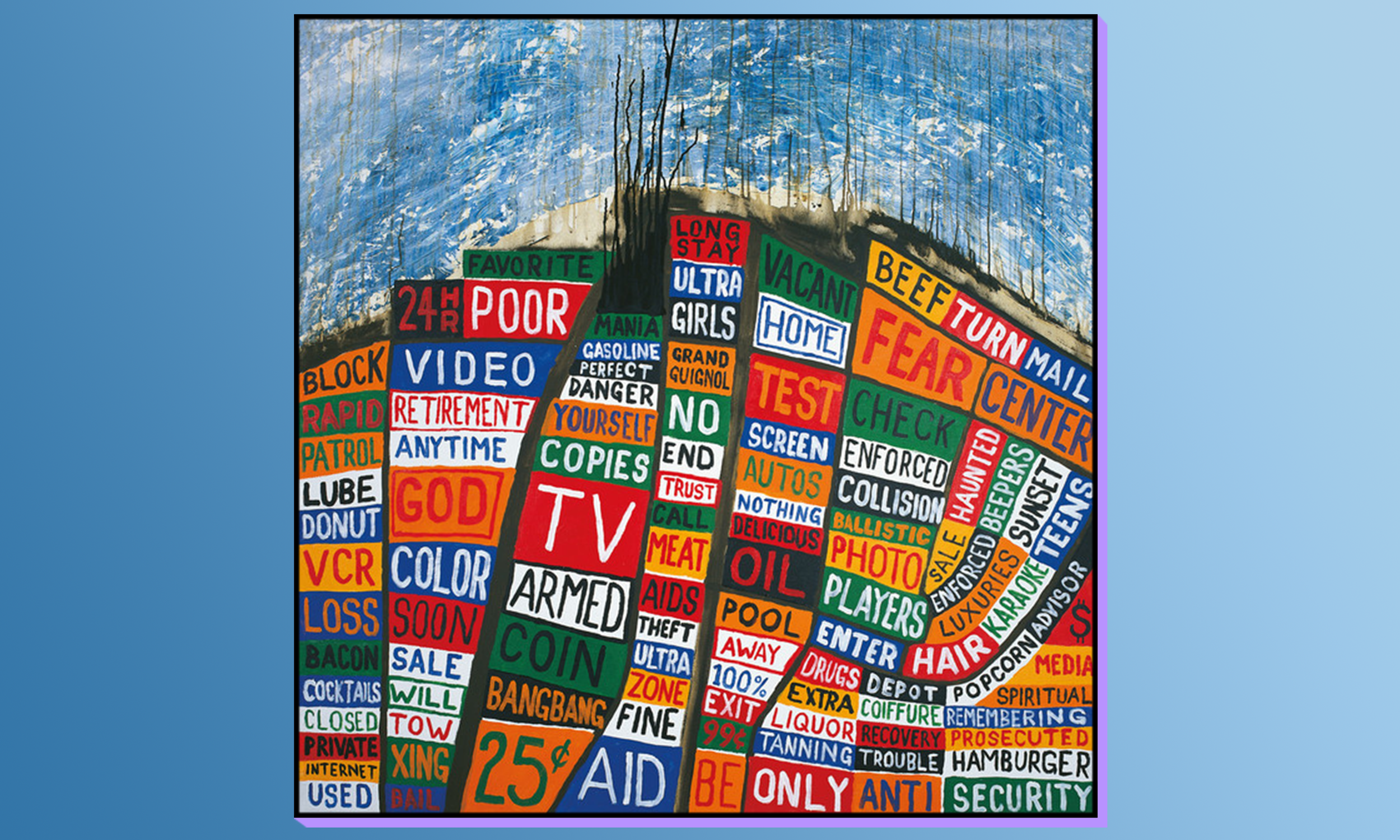
5) Hail to the Thief
Breaking into the top five is Radiohead’s Hail to the Thief which may have a case for being the band’s most underrated album. Perhaps because it’s sandwiched between the Kid A/Amnesiac era and In Rainbows, it gets a little overlooked in their discography.
Hail to the Thief was released in 2003 at a time when the war on terror was unravelling and this album is in many ways a response to America’s destruction, in the lyrics and the music itself.
The album’s opener ‘2 + 2 = 5’ is an explosive start to the record, throwing us straight into it with Thom Yorke’s vocals becoming more and more unhinged as the track continues. With the second track, ‘Sit Down. Stand Up’, the band don’t let up as they find a new gear to the album. The middle section begins to offer some respite with slower, more ballad-esque tracks which offer a nice range throughout the record. A mention has to go to the closer, ‘A Wolf at the Door’, which is a fantastic closer to the album, especially the end section which forces you out of any relaxing feeling the previous track ‘Scatterbrain’ may have caused.
One of the few criticisms you could make of this album is that it’s a little messy at points and it feels like they’re trying to stuff in too much, similar to The King of Limbs, but at no point does it get overwhelming.
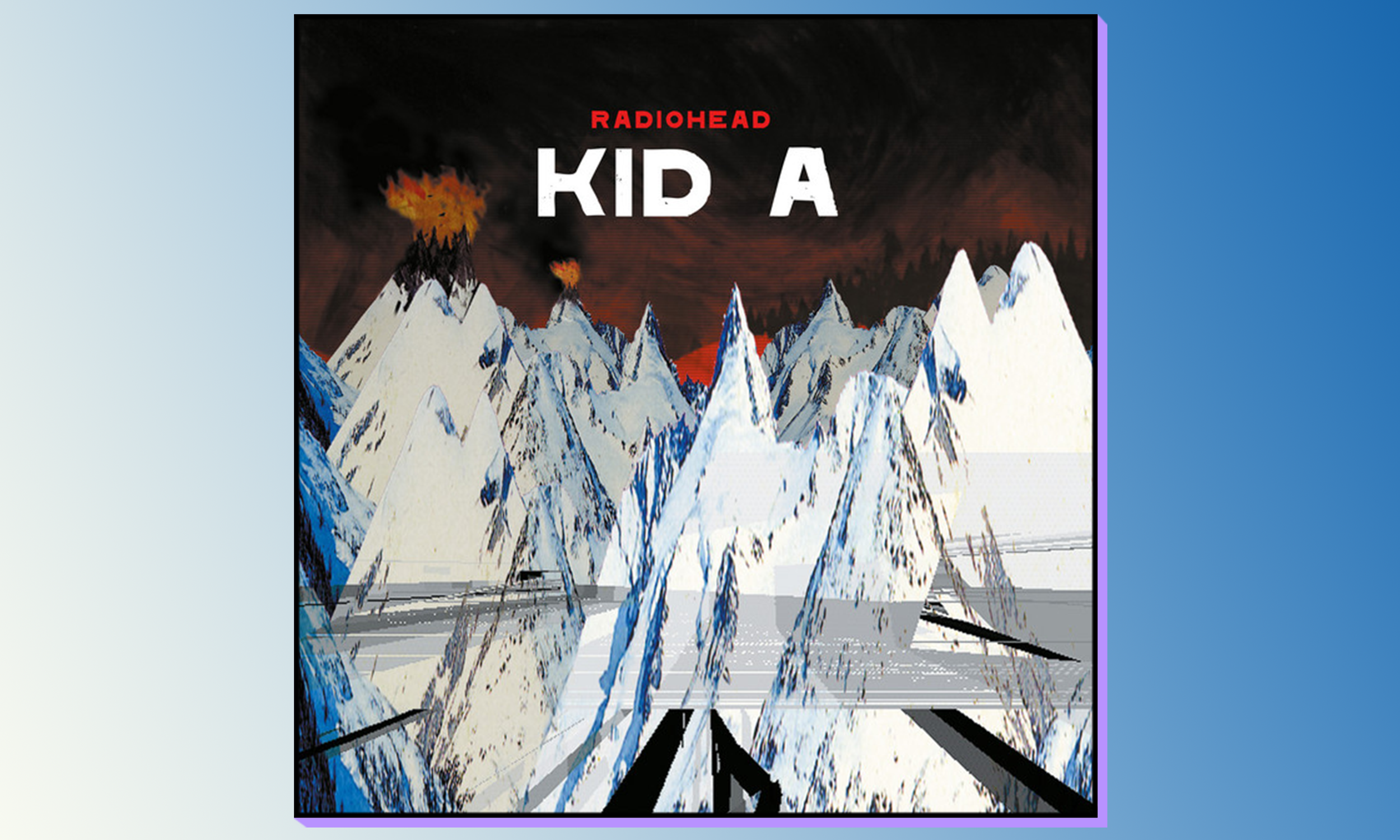
4) Kid A
At the fourth spot we’ve gone for Radiohead’s classic electronic album Kid A. It’s a whirlwind of an album that doesn’t sit still, ranging from tracks of pure electronica like ‘Everything in Its Right Place’ to ambient pieces like ‘How to Disappear Completely’ and ‘Treefingers’.
This album is one of Radiohead’s most experimental which is a significant feat in itself. Kid A has been labelled as being or taking influence from countless genres spanning jazz to electronic to prog which speaks to just how dense the album is. That being said, it still feels incredibly unique and distinct, carrying its own sound.
Kid A is often seen as being a rejection of rock music or where the band decided to move away from conventional rock music and, while this is certainly the least rock-heavy album from them, it didn’t happen out of thin air. In many ways, this album feels like an extension of some of the more atmospheric moments of OK Computer and its experimentation. You can’t tell me ‘The National Anthem’ would look out of place on OK Computer.
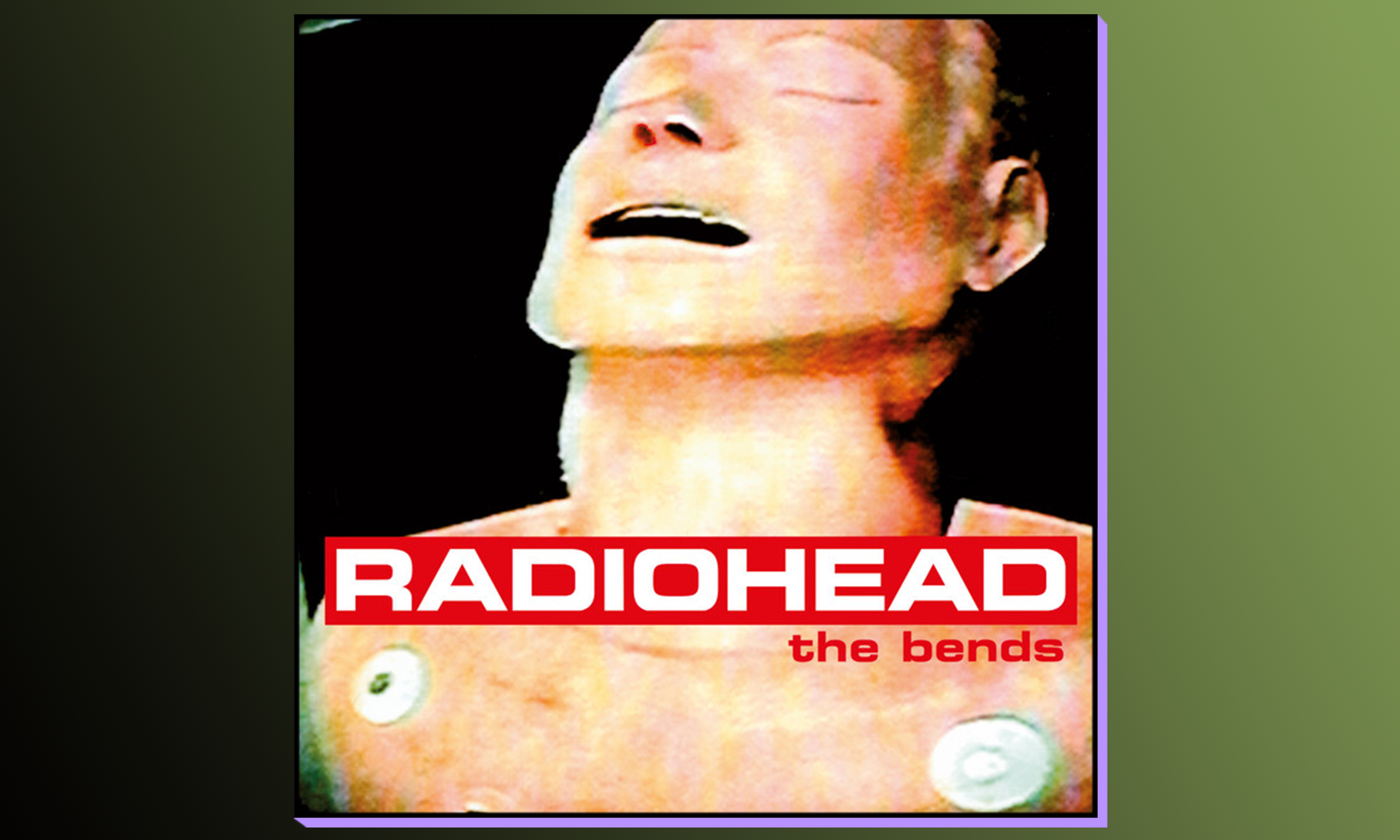
3) The Bends
In an entirely different era to Kid A, The Bends takes the bronze position as an album that well and truly defined Radiohead as an alternative rock staple of the 90s. It’s an album steeped in nostalgia with some fantastic guitar work and all-round absolute bangers.
As their sophomore album, it really expands upon and improves on the grunge sounds of the band’s debut. The album swings between strong heavy pieces and quieter, gentle passages that make for some incredible music. Tracks like ‘High and Dry’, ‘Street Spirit’ and ‘Just’ have become classics in Radiohead’s discography and need no introduction.
It’s tracks like ‘Fake Plastic Trees’ and ‘The Bends’ which are some of the standouts on here but the album is so consistently strong that you could pick any favourite track and most Radiohead fans wouldn’t have a problem. The Bends is really the album where they announced to the world that they weren’t just the band that made ‘Creep’ and, from here, they never looked back.
2) OK Computer
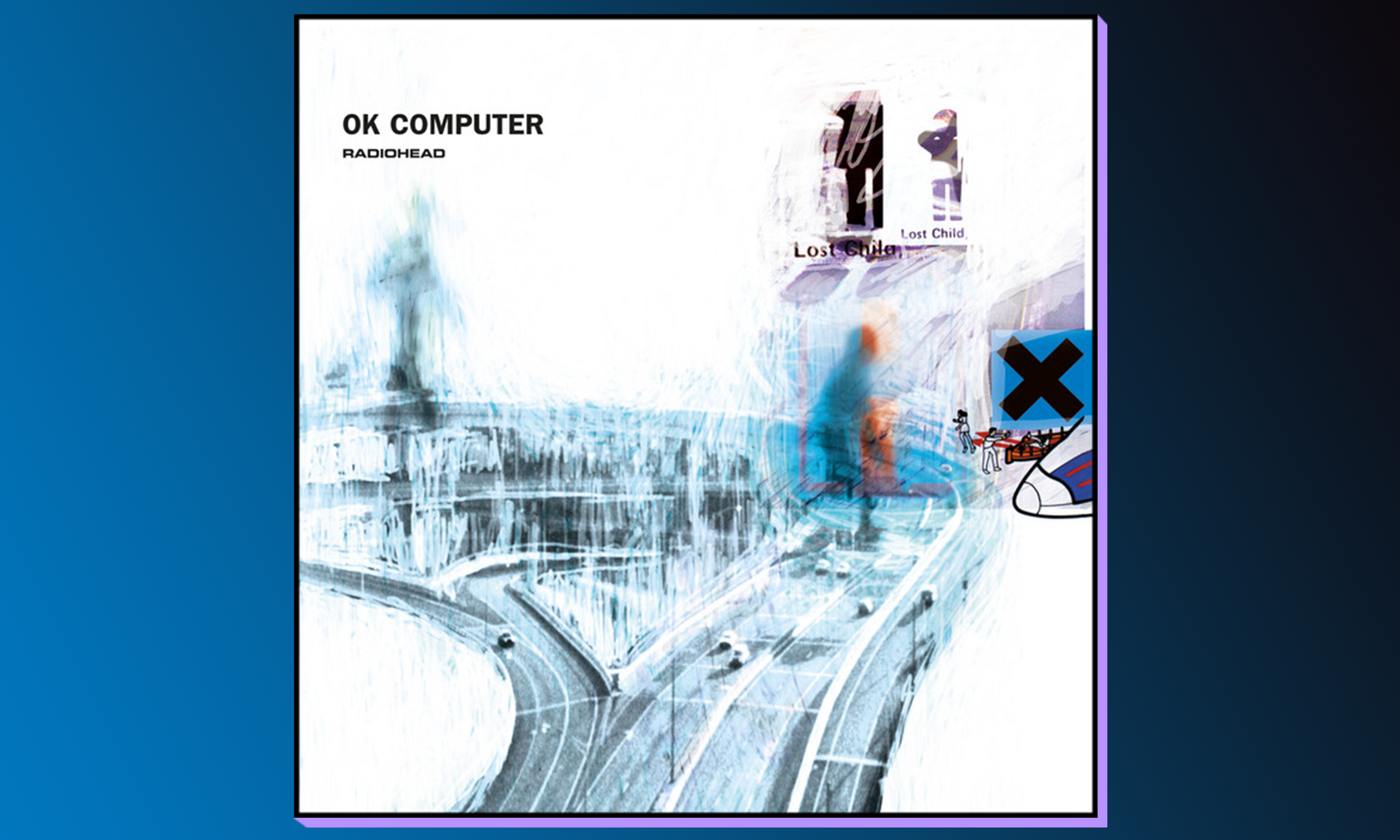
Well, let’s be honest, it was always going to come down to these two for the number one position. Both of these albums are some of the best albums of all time and the only factor that decides which one is number one is how I’m feeling. Ultimately though, OK Computer comes in at second place but all I can do is sing its praises.
The band’s third album, released in 1997, is quite rightly spoken about in all-timer conversations. It’s a soundtrack to late-stage capitalism as Yorke sings about social isolation and consumerism. Tracks like ‘No Surprises’ and ‘Exit Music’ are gentle and delicate while hiding a darker reveal either in the lyrics or the music with the latter. It also marks the beginning of the band starting to truly experiment with their sound and you can hear flashes of OK Computer in almost every album they would make after it.
On OK Computer, it’s difficult to point out one member of the band as every single one is at the top of their game, working in harmony together. What else can I say about this album that hasn’t already been said? It’s a classic for a reason and, if for some bizarre reason you haven’t already, go and listen to it now!
1) In Rainbows
And taking the number one spot is In Rainbows. Against OK Computer, this really was a battle of old vs new which is what makes the final decision that much harder. In a perfect world, they would both be crowned number one but we can’t let that happen.
In Rainbows takes the number one spot for having the slightly higher highs and being slightly more intriguing musically. But, again it’s worth mentioning, at this point in the ranking I’m splitting hairs.
The bass from Colin Greenwood throughout the album is something to behold, especially on tracks like ‘Nude’. It’s hard for there to be highlights on here as the highlights would make up half of the album. The one that does stand out the most and, spoiler alert, was also ranked our number one Radiohead song is ‘Weird Fishes/Arpeggi’ which is a spellbinding, mesmerising song that you can never get tired of listening to.
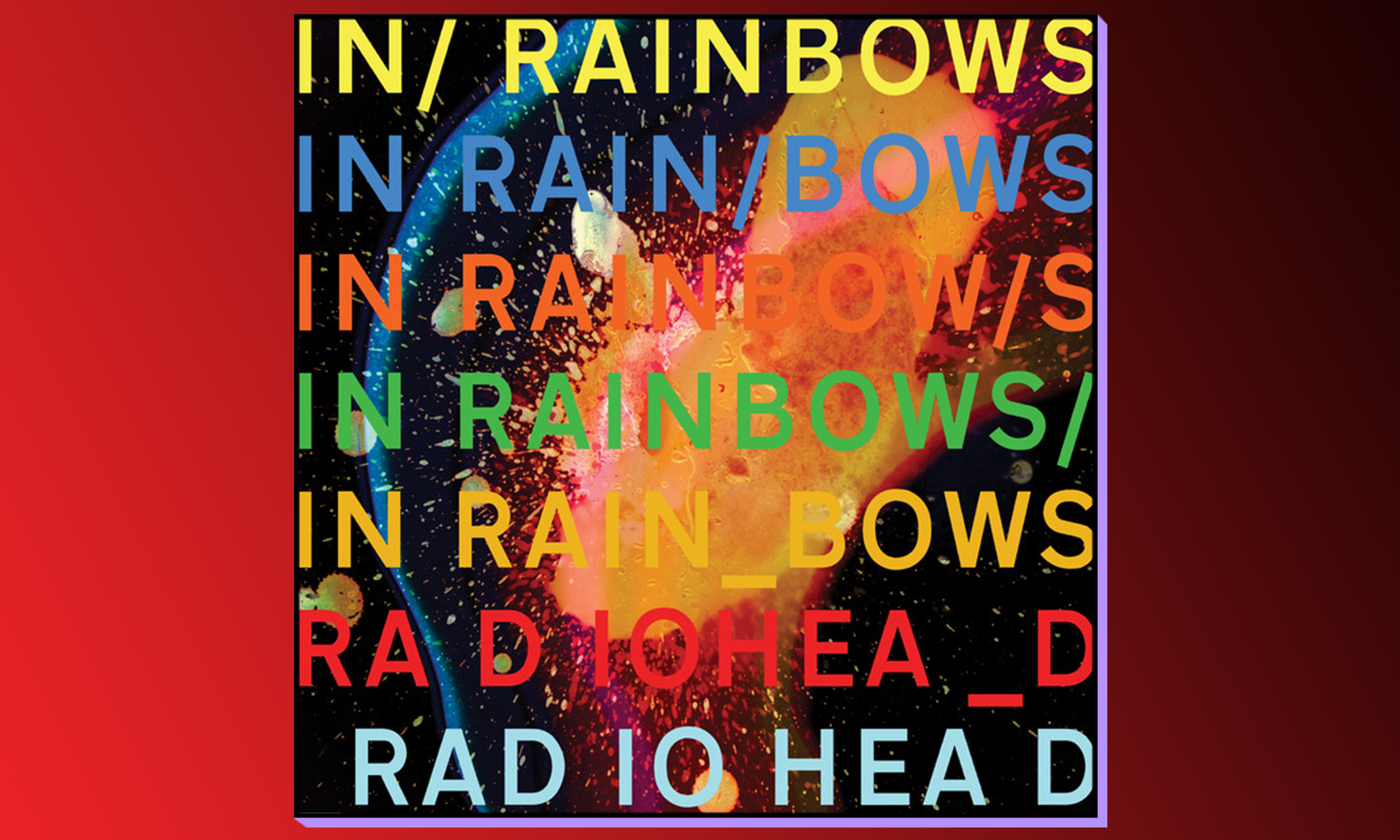
In Rainbows really reflects the cover art of the album with the orange glow being comforting but also fiery. The title of the album across the cover and the band name is interrupted with dashes and slashes that show how this album isn’t what you think it might be.
Altogether, In Rainbows is a masterpiece that, nearly twenty years old, still feels fresh and experimental. It is the perfect representation of how Radiohead have always pushed boundaries and evolved their sound. I’d say it’s a fitting album to have at the number one spot.