
Every The Strokes Album Ranked Worst To Best
Twenty-five years after Is This It, we look back at The Strokes’ entire discography and rank all seven albums from worst to best.
I first discovered The Strokes when I was 14, around the time my entire life got uprooted. My dad had started working in Scotland, so for whatever reason we decided to leave the lovely shithole that is Hartlepool and move to Edinburgh. Going from a very rough comprehensive school, where at least a few people in my year were pregnant, to an all-boys private school in Edinburgh where the kids were still playing tig (tag, if you’re American, or maybe just not Northern?) in the courtyard, was a culture shock to say the least.
I’d been ripped away from my home, my friends and most of my family and dumped in a completely different world at probably the worst possible age for it. It was unbearable. So I retreated into music, and The Strokes became somewhere I could call home.
Weirdly, it wasn’t Is This It that got me into them. The first song I remember hearing was ‘Vision of Division’ on someone’s MySpace profile, I was instantly hooked. At that point The Strokes only had three albums out, and I absolutely rinsed them.
Off the back of that, I found myself digging through what would eventually become the foundation for most of the music I love. Searching “bands like The Strokes” led me to all the obvious artists they’d borrowed from (ripped off), and from there I went down a rabbit hole that completely changed my life musically. I probably wouldn’t have discovered The Velvet Underground, Television or The Stooges when I did without them, and eventually that journey took me towards two of my favourite bands, Beach House and Dirty Projectors, both of whom I actually discovered through recommendations from Casablancas himself.
I’ve now spent the best part of two decades listening to these records, changing my mind about them, defending some probably indefensible Strokes songs and occasionally wondering what the fuck Julian Casablancas is doing. So with seven albums now to argue over, here’s every Strokes album ranked from worst to best.
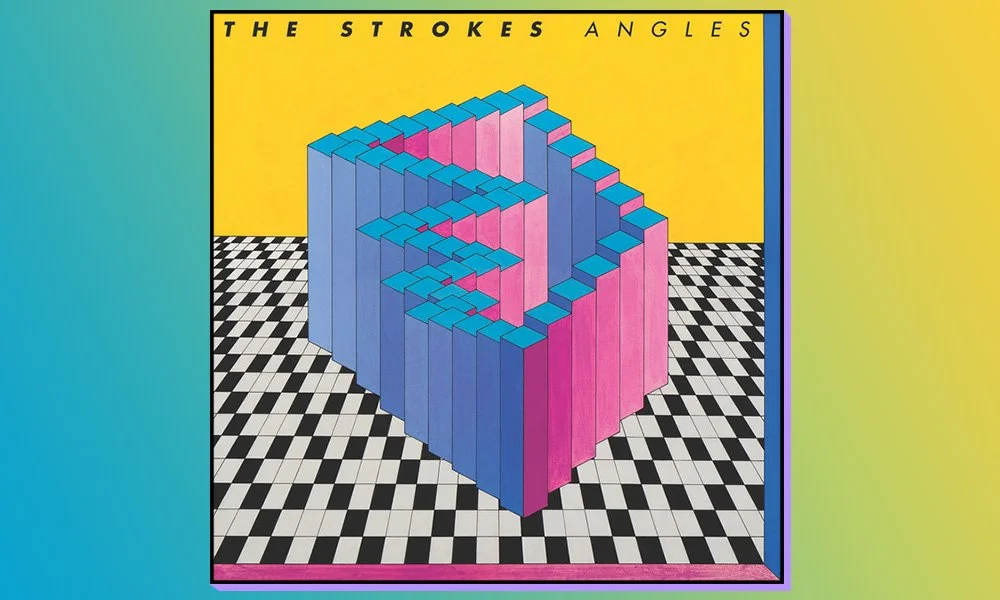
7) Angles (2011)
And in last place, it’s gotta be Angles. The album actually had something of a false start, with The Strokes initially recording with producer Joe Chiccarelli at Avatar Studios in New York before deciding they weren’t happy with how things were going and scrapping almost the entire thing. They eventually started again, working largely with engineer and producer Gus Oberg at Albert Hammond Jr.’s studio in upstate New York. The only recording to survive those original sessions was ‘Life Is Simple in the Moonlight’, which pisses me off because it’s probably the best track on the album. Maybe that should have told them something.
I think Angles and First Impressions of Earth are both really patchy albums. You’ll have some of the best tracks in their entire discography sitting right next to some of their worst, but Angles is the one where that problem really stands out. There are simply more duds than good ones.
I’d go as far as saying the only genuinely good tracks on Angles are ‘Life Is Simple in the Moonlight’, ‘Machu Picchu’, and ‘Taken for a Fool’ (watch this live version where Jules is very pissed off at Fab, then read the comment from @vlandorrackhum5420 for the full second-by-second analysis). Okay, maybe ‘Metabolism’ and ‘Under Cover of Darkness’ are alright too, although the latter feels kinda cringey these days.
Albert Hammond Jr. said the title Angles represented what the record sounded like because it came from five different people. It marked a deliberate shift away from Julian Casablancas being the overwhelmingly dominant songwriter, with all five members contributing ideas. Julian deliberately relinquished some of that control, while Nick Valensi later made it pretty clear that he hated the fractured recording process. And you can definitely tell. It sounds like five people pulling The Strokes in five different directions, and not in a good way.
I guess Angles is interesting to me because, by the time they released it and ‘Under Cover of Darkness’, I was probably at the absolute peak of being a Strokes fan. There was a lot of cope around this album at the time. They’d been gone for five years, ‘Under Cover of Darkness’ had arrived as this huge comeback single and I desperately wanted the album to be great. But I knew Angles was a mess compared to the first three albums. Sixteen-year-old me might have been willing to defend almost anything these guys released. Angles was where even I had to draw the line.
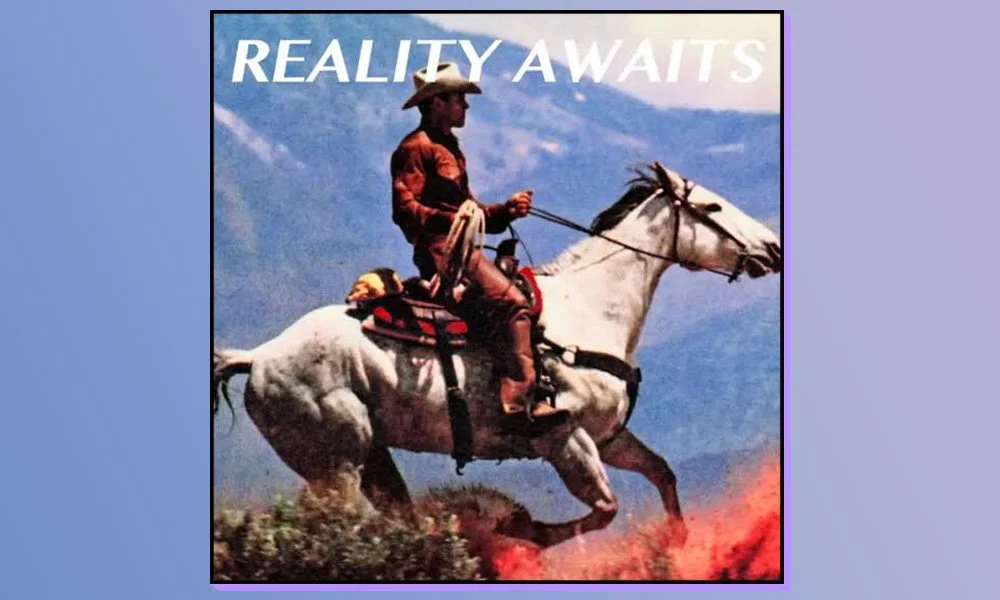
6) Reality Awaits (2026)
Look, say what you want about the Rick Rubin-produced Reality Awaits, but it’s nothing if not consistent. Start to finish, it’s a cohesive and enjoyable listen if you can get past the Auto-Tune (oh my god, not Auto-Tune, wa wa wa). More importantly, it’s actually interesting. Much like the first two albums and The New Abnormal, this feels like a record with a clear identity from beginning to end, both musically and thematically.
I have a soft spot in my heart for Angles and Comedown Machine, and they house some of my favourite Strokes songs, but they’re also probably the least consistent albums in their catalogue. They just aren’t great start-to-finish records. Reality Awaits is.
A lot of the early criticism of Reality Awaits has focused on how little interest the band seem to have in recreating their classic sound. And honestly, good. A lot of people seem to hate this album, but when I ask why, so much of it comes down to: “Oh, there’s Auto-Tune on it.” Which just feels like a rubbish excuse for disliking something. It’s not 2006 anymore.
I’m a big believer in how important the voice is in music, but Casablancas has been playing with Auto-Tune since the earliest days of The Voidz, more than a decade ago. So to me, it’s hardly the big fucking deal people seem determined to make it out to be. The music on this album is good. It’s catchy for the most part.
By Comedown Machine, The Strokes had already stopped worrying so much about what a Strokes record was supposed to sound like. You get the sense on Reality Awaits that they barely think about it at all anymore, which is probably why I like it.
Of course, putting Reality Awaits anywhere on this list feels slightly ridiculous considering it came out about five minutes ago. Comedown Machine took a while to reveal itself to me, so there’s every possibility I’ll come back to this ranking in a few years and wonder what the fuck I was thinking. But right now, this feels like a much better and more complete record than its early reputation suggests.
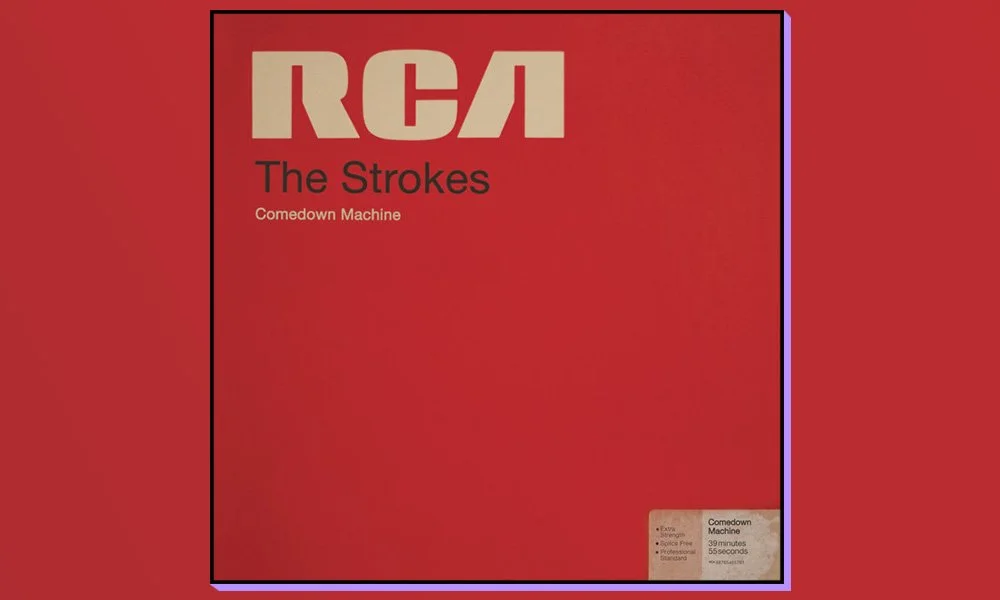
5) Comedown Machine (2013)
Comedown Machine is another Strokes album that critics weren’t particularly kind to at the time, but I think it’s aged really well. I have a feeling Reality Awaits might eventually go the same way. Released as the final album on their original RCA deal, Comedown Machine has always had this reputation as The Strokes getting their contractual obligations over with. The incredibly low-key way it arrived certainly didn’t help.
Like First Impressions of Earth and Angles, Comedown Machine can be very hit or miss, but it’s also one of the few albums in The Strokes’ discography where they genuinely don’t seem to give a shit about what anyone expects them to sound like. Musically, they do whatever the hell they want. There’s the ‘Take on Me’-style, 80s-tinged synth-pop of ‘One Way Trigger’ (also, that chord progression underneath is banging and incredibly underrated), the lullaby-esque ‘Call It Fate, Call It Karma’, the cheeky ‘Welcome to Japan’ and even ‘Slow Animals’. Check out its alternate version, ‘Fast Animals’, for an MJ-tinged take that feels much closer to a disco song.
Ironically, one of the only tracks people could point to and say, “Oh yeah, this sounds like The Strokes,” was ‘All the Time’, and that one has never really done it for me. It feels like they’re just retreading old ground. Comedown Machine is at its best when The Strokes are getting weird. The problem is that it isn’t consistent enough.
Everything surrounding Comedown Machine screams “we don’t give a shit anymore”: the final RCA album, virtually no promotion, no proper tour, anonymous-looking artwork and an album announcement accidentally discovered in the source code of their own website.
And yet that’s exactly what makes the record interesting. The actual music contains some of the weirdest and most adventurous stuff The Strokes had made up to that point. ‘Tap Out’, ‘One Way Trigger’, ‘80’s Comedown Machine’, ‘Chances’ and especially ‘Call It Fate, Call It Karma’ don’t sound like five guys lazily recreating Is This It to fulfil a contract. If anything, Comedown Machine sounds like what happens when The Strokes stop worrying about what a Strokes album is supposed to sound like.
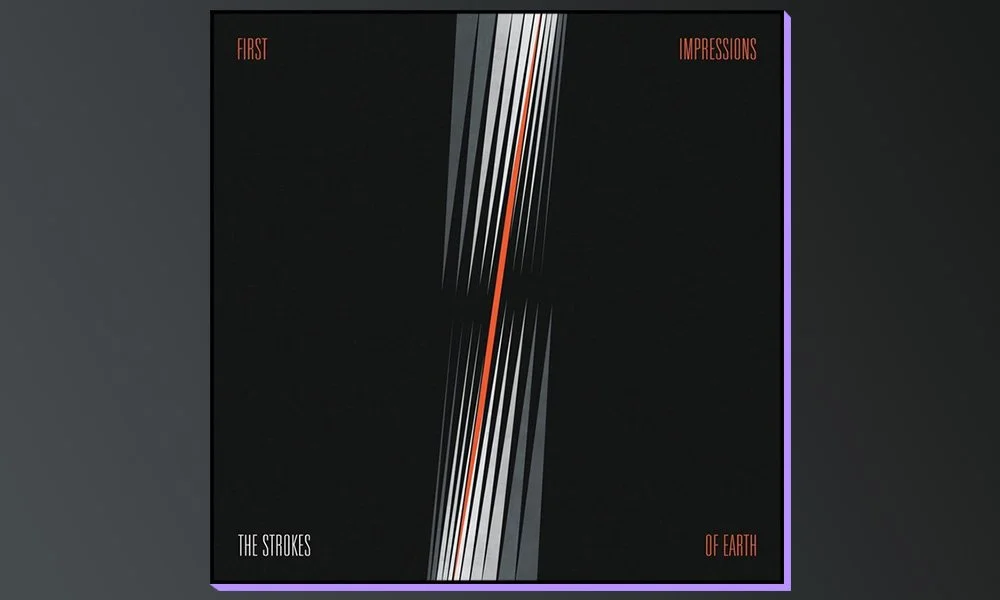
4) First Impressions of Earth (2006)
First Impressions of Earth is where I started with The Strokes, which meant I spent most of my early obsession listening to songs from this album before going back to their far more acclaimed first two records.
And First Impressions of Earth might house some of the best songs The Strokes have ever written. ‘You Only Live Once’ feels like a real maturation of Casablancas’ songwriting compared to the directness of those first two albums, and the opening run is incredible. ‘You Only Live Once’, ‘Juicebox’, ‘Heart in a Cage’, ‘Razorblade’. Come on. ‘Juicebox’ in particular has always been a personal favourite.
The album loses some of that momentum in the middle, but they pick it back up towards the end with songs like ‘Ize of the World’ and ‘Red Light’. That’s basically the problem with First Impressions of Earth. When it hits, it really hits, arguably harder than the first two albums in places. It just doesn’t come close to their consistency.
It was also the first Strokes album not produced by Gordon Raphael, who had produced both Is This It and Room On Fire. The band initially started album three with him before abandoning those sessions and moving on to David Kahne, with Andy Wallace mixing much of the record. You can hear the difference immediately. Everything is bigger, cleaner and heavier, sometimes ridiculously so.
After Room On Fire was criticised for essentially being Is This It Part II (is that really a complaint?), The Strokes went pretty hard in the opposite direction. The songs got longer, the production became more expansive, Julian started experimenting more with his voice, and Albert Hammond Jr. and Nick Valensi’s guitars became much heavier.
I can completely understand why First Impressions of Earth was divisive at the time. But in hindsight, its problem isn’t that The Strokes had run out of ideas. If anything, they had too many of them. There’s probably a genuinely incredible nine-track album buried somewhere inside these 14 songs.
3) The New Abnormal (2020)
I think a lot of people consider the Grammy-winning The New Abnormal to be The Strokes’ return to form, and I couldn’t agree more. ‘The Adults Are Talking’ somehow captures the essence of what made them so great in the first place, but repackages it for a modern, Clairo-style indie audience. There’s something interesting about that. The Strokes influenced so many of the artists who came after them, and The New Abnormal almost feels like some of that influence finally coming back the other way.
There’s also a consistency here that hadn’t really been seen across the three albums that followed Room On Fire. Rick Rubin’s production works incredibly well, and there are standout tracks all over it. ‘At the Door’, ‘The Adults Are Talking’, ‘Ode to the Mets’. It feels like they finally worked out how to move forward without completely abandoning what made them great in the first place.
The New Abnormal arrived in April 2020, right as COVID lockdowns had taken hold across much of the world. There could be no conventional tour behind it, while songs about isolation, ageing, regret and disconnection suddenly felt weirdly appropriate. The New Yorker was already calling the album eerily prescient within days of its release.
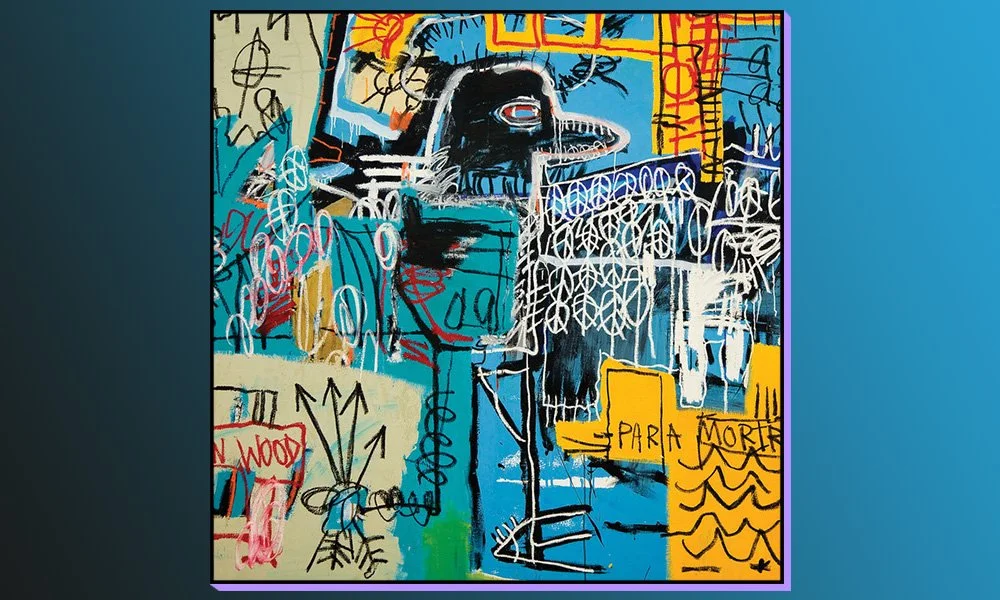
The cover is Jean-Michel Basquiat’s 1981 painting Bird on Money, which has become one of the most immediately recognisable Strokes sleeves. I have the poster framed in my living room. To anyone who comes round and thinks I’m cultured: no, I just like The Strokes.
I think I’m actually glad there was such a massive break after Comedown Machine. I needed to put The Strokes on the shelf for a while. By the time The New Abnormal arrived seven years later, I could come back to them and appreciate them in a way I probably couldn’t have if they’d just kept pumping out records every couple of years. And The New Abnormal rewarded that wait. It somehow worked for people who’d been following them for 20 years while finding a younger audience at the same time.
First Impressions of Earth was them desperately trying not to repeat themselves. Angles was fractured. Comedown Machine felt almost wilfully detached from expectations. The New Abnormal finally seemed to work out what those three albums had been reaching for all along.
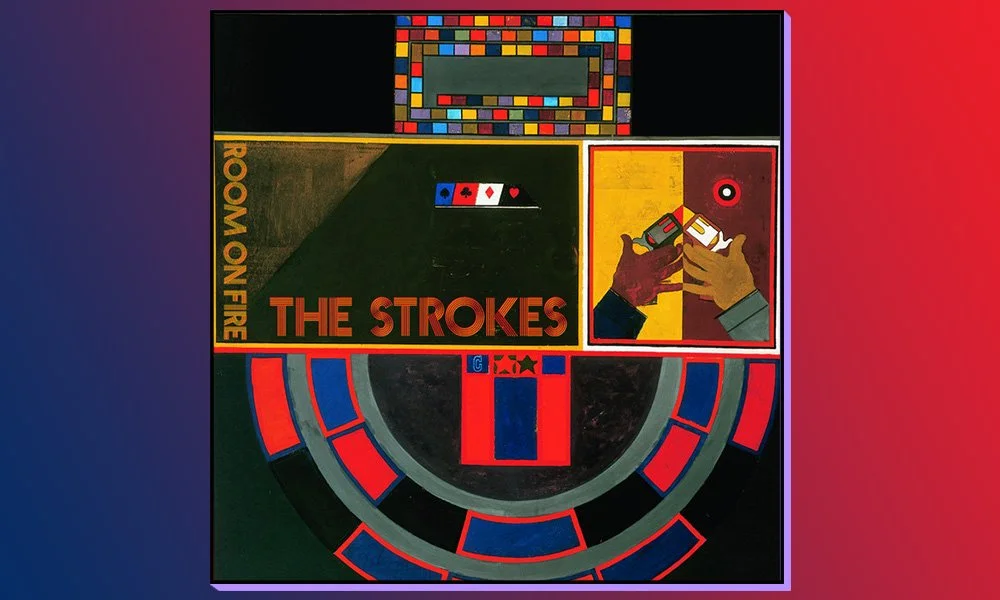
2) Room On Fire (2003)
Look, I know Is This It is the important one. I know it’s the record that changed everything. But I’ve always preferred Room On Fire. I’ve spent years telling people it’s my favourite Strokes album and it probably still is. But favourite and best aren’t necessarily the same thing.
For me, Room On Fire takes everything that made their debut so groundbreaking and somehow makes it better. The riffs are even more intricate and angular, Julian’s vocals have more bite and the production is so warm and full. More importantly, I just think the songs are a step up, especially musically.
Take ‘Reptilia’. The thing basically revolves around two chords, but the second that chorus hits you get this iconic riff that’s probably as close as The Strokes ever got to a football chant, followed by Albert Hammond Jr. playing this mind-melting, almost mathy guitar part underneath it. Casablancas sounds incredible too. The distortion on his voice is perfect here. And the rest of the album isn’t far behind. ‘What Ever Happened?’, ‘Automatic Stop’, ‘12:51’, ‘Under Control’, ‘Meet Me in the Bathroom’, ‘I Can’t Win’. There’s basically no fat. Eleven songs, roughly 33 minutes, somehow even shorter than Is This It.
Getting there wasn’t completely straightforward though. The Strokes initially tried recording the album with Nigel Godrich. Yes, the Nigel Godrich who produced OK Computer. They weren’t happy with how those sessions were going, scrapped them and went back to Gordon Raphael, who had produced Is This It. In hindsight, I’m glad they did.
The pressure to follow that first album must have been ridiculous. The Strokes had gone from being an unknown New York band to getting treated like the saviours of rock almost overnight, and rather than disappearing for four years to figure out what came next, they released Room On Fire barely two years later.
And what did people complain about? That it sounded too much like Is This It.
Again: is that really a complaint?
But what matters to me is that Room On Fire still brings me so much joy from start to finish. Maybe I’ve simply heard parts of Is This It too many times. Some of those songs are so overplayed that they’ve become a little grating to me over the years. I don’t really have that problem here. Twenty-plus years later, I can put Room On Fire on and still get excited.
And the album ends with ‘I Can’t Win’, which feels almost too perfect for a record made under those expectations. Make another Is This It and you’re repeating yourself. Change everything and people complain you’ve lost what made you great.
Room On Fire was criticised for not changing enough. The Strokes then spent much of the next decade changing everything, with wildly inconsistent results.
Maybe they should have just kept making records like Room On Fire.
1) Is This It (2001)
The album that started it all. Who would have thought five rich kids from New York would cause such a storm? After releasing The Modern Age EP, The Strokes found themselves at the centre of a label bidding war, eventually signing deals with Rough Trade and RCA/BMG and releasing what would become one of the most pivotal albums of the 21st century. In many ways, Is This It helped shape “indie” as we know it today.
And the singles are ridiculous. ‘Last Nite’, with its crazy 70s-inspired video; ‘Hard to Explain’, with its listless lyrics about a fame-obsessed culture; and ‘Someday’, one of those melodies so completely embedded in my head that I’m not sure I can remember a time before I knew it. Julia Jacklin’s beautiful stripped-back cover somehow made me appreciate it all over again.
The album was recorded with Gordon Raphael at Transporterraum in New York over roughly six weeks in early 2001. Raphael had already recorded The Modern Age EP, and instead of suddenly making The Strokes sound like an expensive major-label rock band, they deliberately kept that rough, intimate sound. The apparent simplicity of Is This It is deceptive though. Casablancas had extremely specific ideas about the guitars, arrangements and production. Everything sounds effortless, but an enormous amount of thought went into making it sound that way.
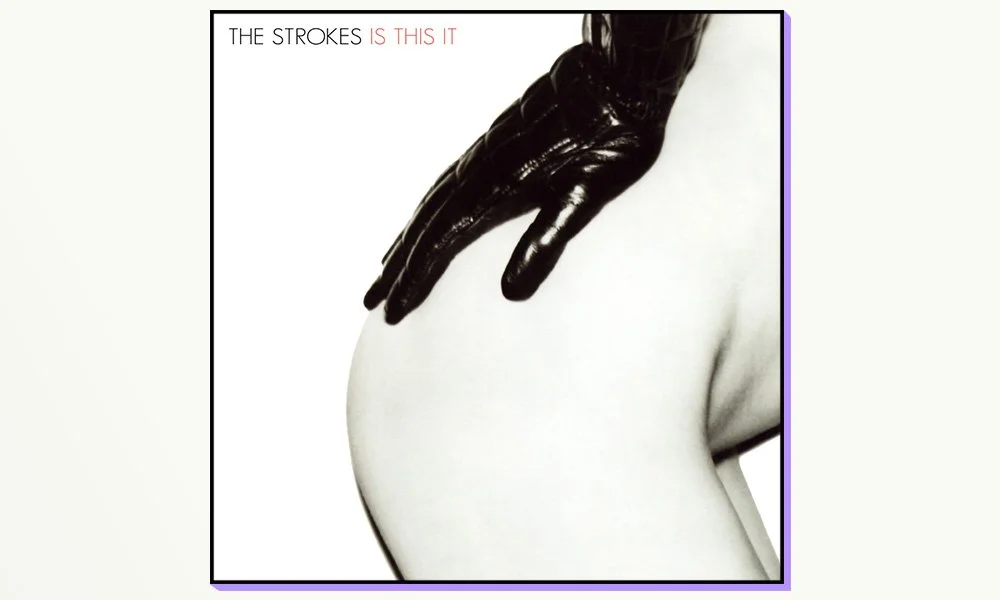
Then there’s all the weird stuff surrounding the album. Is This It ended up with two covers because, I guess, Americans couldn’t handle a glove on an arse. The original Colin Lane photograph was replaced in the US by an image of particle collisions. ‘New York City Cops’ was also removed from the American release in the aftermath of 9/11, with ‘When It Started’ taking its place on the CD, which is hardly a bad consolation prize. I might actually prefer it.
I’ve spent years arguing with myself over whether I prefer Room On Fire or Is This It, and most likely I’ll spend many more years doing the same. But favourite and best aren’t necessarily the same thing. Is This It is eleven songs that completely changed the alternative music landscape, and 25 years later you can still hear its fingerprints everywhere. There’s something almost annoyingly perfect about it. Most bands take a few records to figure out what they’re doing. The Strokes somehow seemed to know from the start.
So fuck it. Is This It is number one.