
Roskilde Festival Reveals Expansive 2026 Line-Up Led by The Cure, Gorillaz and David Byrne
The Danish non-profit giant returns this summer with a globe-spanning programme of over 180 artists, alongside a renewed focus on art and activism.
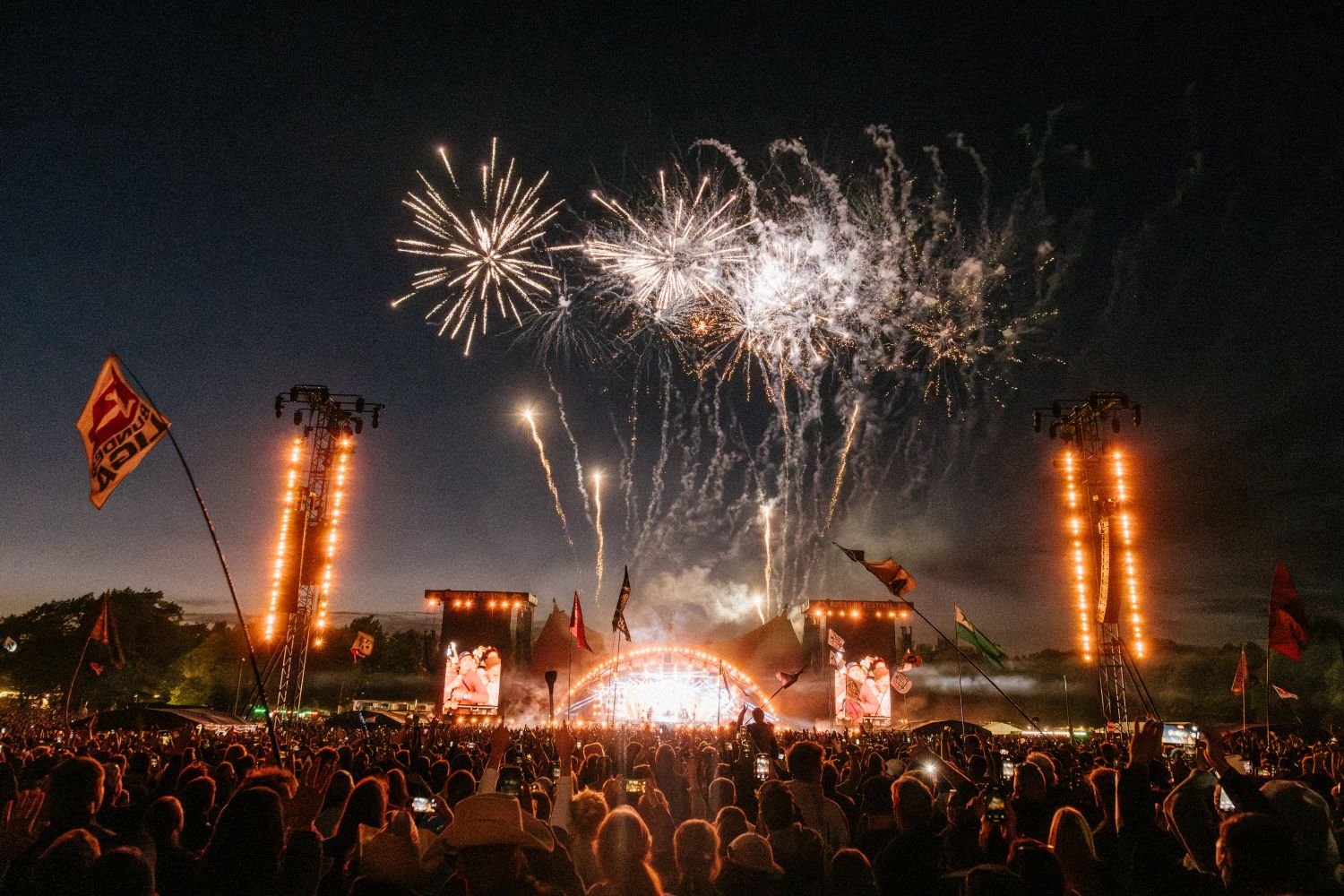
Roskilde Festival has unveiled the first wave of its 2026 programme, confirming a wide-reaching line-up that once again positions the long-running Danish event as one of Europe’s most forward-thinking festivals. Set to take place between 27 June and 4 July, the festival will bring together more than 180 artists from over 30 countries, alongside a parallel programme of art and activism.
Among the headline names are The Cure, Gorillaz, David Byrne, Zara Larsson and Lily Allen, each anchoring a different night of the eight-day event. The Cure’s appearance will mark both their 50th anniversary celebrations and a debut performance on the newly expanded Orange Stage.
Elsewhere across the week, the programme balances established names with newer voices. Wolf Alice, Ethel Cain, Little Simz and Lykke Li sit alongside more underground and emerging acts, while Kneecap and Napalm Death highlight the festival’s continued openness to politically charged and extreme sounds.
Friday’s bill sees Byrne take centre stage, joined by Addison Rae and a rare joint performance from Yung Lean and Bladee. The closing night, led by Larsson, also features a high-profile set from Clipse and a return from Allen following the buzz around her recent material.
True to its reputation, Roskilde’s 2026 edition places strong emphasis on global representation. Artists from Latin America, Africa, the Middle East and Asia are spread across the line-up, including names like Young Miko, Liniker, Lojay and Marwan Moussa. The result is a programme that moves fluidly between genres, from pop and hip-hop to metal, electronic music and experimental forms.
Heavy music also maintains a visible presence this year, with artists like Uncle Acid & The Deadbeats and Honningbarna reinforcing the festival’s commitment to intensity as much as accessibility.
Danish talent remains central to the event’s identity. A strong local contingent includes Tobias Rahim, Tessa and TV-2, alongside rising names like Pil, who will open the Orange Stage in a slot traditionally reserved for breakthrough domestic acts.
Beyond music, Roskilde continues to expand its art and activism programme, revealing an initial set of interdisciplinary works spanning performance, installation and community-led practice. Highlights include projects from Noah Umur Kanber and Jesse Darling, alongside collaborative and AI-driven installations that invite direct audience participation.
As ever, the festival’s ethos extends beyond the stage. Since its founding in 1971, Roskilde has operated as a non-profit, with proceeds supporting youth, cultural and social initiatives. With more artists still to be announced, the 2026 edition looks set to continue that legacy while pushing further into new territory.