
The Jam and Mod Culture: Why Neither Ever Went Away
How Sound Affects: The Jam may be gone, but from restless youth to reminiscent parents, the spirit of mod culture never really disappeared.
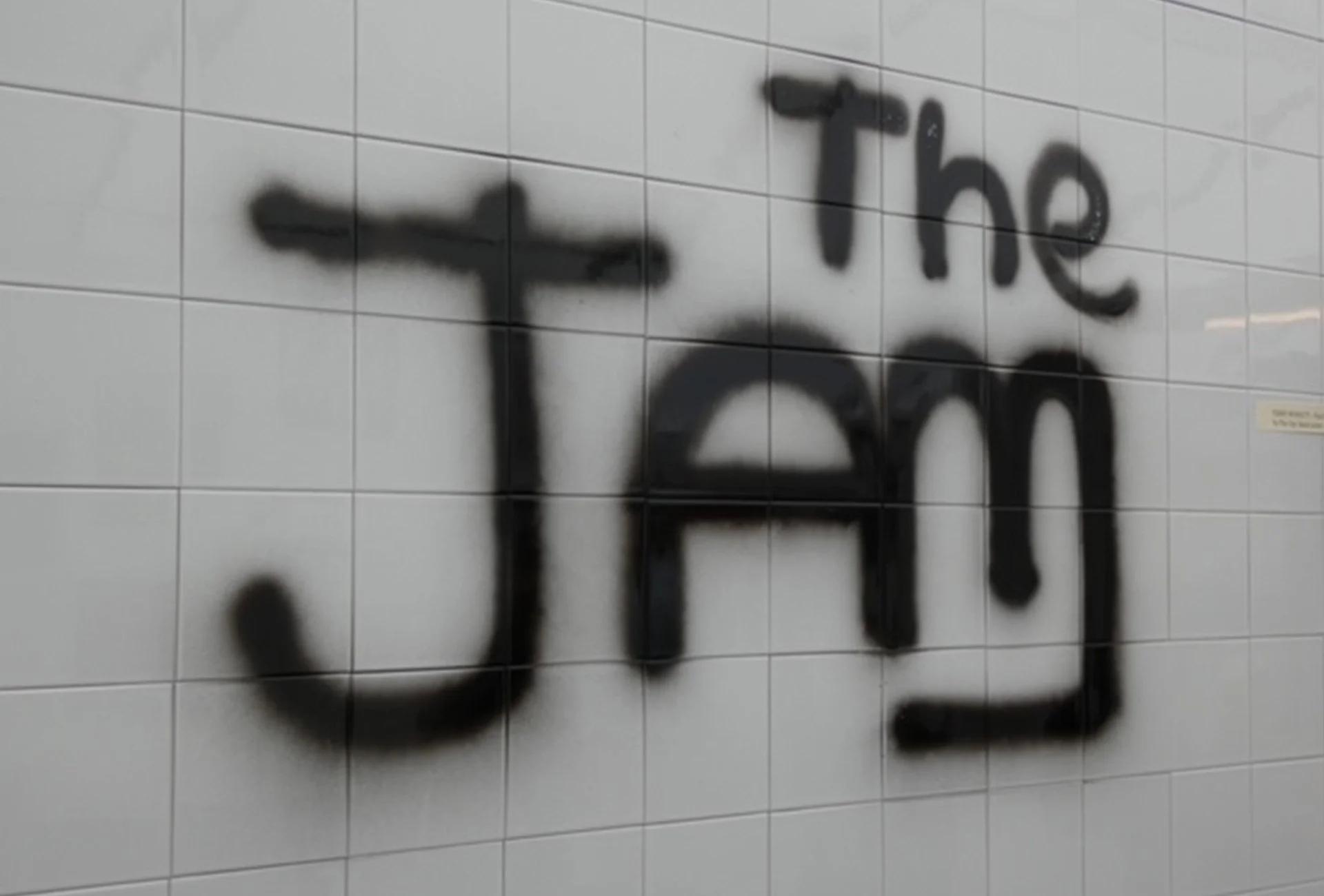
Woking, 1972. A band takes to the stage in the local club: Michael’s. They deliver covers of American rock ‘n’ roll; old hits by the likes of Chuck Berry, performed for a small audience. They’re school students, scrappy and energised, with notions of something greater. Soon, the group will solidify their formation: Paul Weller on lead guitar and vocals, Bruce Foxton on bass and Rick Buckler on drums. And soon after that, they will embark on their journey towards being hailed as one of the most influential bands of their generation.
They are, of course, The Jam.
About a year ago, I read an article entitled ‘Mod Youth Culture is Back’. As the daughter of a very passionate member of the 1980s mod scene, I hesitated to agree with this culture being back. The bright yellow Q-Tips record sat on the kitchen table, and Lambrettas that would often race past my home, gifting me their distinctive gurgling as they did so, told me that the aesthetic had certainly not retreated after the 1980s revival. Nor, more importantly, had the attitude underpinning mod culture: one of working-class resistance and unashamedly celebrating your roots. Instead, perhaps it was the leaking of mod culture into social media consciousness that rendered it cool and thus, back, as Northern Soul clubs were beginning to brim with Fred Perry-clad youths once again.
When discussing this with my dad, a man resistant to the internet’s trends, he also staunchly agreed that mod culture has, and always will, persist. I have always relished his stories of Lambretta rides in smart suits, racing to cramped London venues for guitar-heavy, accent-punctuated sets. And while those escapades may now be in the past, the energy and, more importantly, the music that fuelled them has, if anything, grown stronger. So, who better then to feature in these stories but The Jam? A hugely influential band for the subculture, I thought it only appropriate to take a look into their explosive trajectory.
After breaking out of their small-town venues, The Jam released their debut single, ‘In the City’, in April 1977. That same year, they joined The Clash on tour, showcasing their ’60s-influenced rock: a fusion of soul and guitars. And sound wasn’t their only distinctive feature, with early tracks such as ‘Bricks and Mortar’ and ‘Time for Truth’ filled with bold, political lyrics. The Jam, interestingly, leaned more conservative at the time, before their notable transition towards a more left-wing ideology, something made particularly clear in ‘Down in the Tube Station at Midnight’. The latter, released only a year after ‘Time for Truth’, highlighted Weller’s songwriting ability, with his sharp social commentary continuing into future releases through cutting lines such as ‘what chance have you got against a tie and a crest?’ and ‘kidney machines replaced by rockets and guns’.
Testament to their unique, fast-paced instrumentation and memorable lyrics, the group were seemingly unstoppable, releasing five albums in the span of three and a half years. They achieved four number one singles and even sold out Wembley Arena for five consecutive nights in 1982. But who propelled them? Who devoured their albums and crowded their shows to enable all of this success?
Jim, my dad, did. So did his mates. And all their friends. And then, all their friends. And all the people that proudly called themselves mods. The Jam appealed to the mods, their three-piece suits, working-class observations and high-energy music all capturing the essence of the culture. The ’60s style had been given a new lease of life.
And now, with present-day bands like The Molotovs drawing inspiration from acts such as The Jam, and shows like This Town highlighting Northern Soul, it’s unsurprising that the culture is also experiencing a renewed surge in interest. The Molotovs particularly are leading the way for a new generation of sharply tailored individuals to crowd into sweaty venues and sing along to lyrics that comprehend the realities of a working-class background.
The ’80s revival differed from the ’60s blueprint, with its sharper, more aggressive edge. Similarly, there is a difference between the recent attraction to mod culture and the ’80s explosion: today’s movement seems less class-motivated and more crowd-reliant. What I mean by this is that there is less emphasis on social mobility, and instead perhaps almost a performative trendiness to the subculture, something I too may be guilty of, that was not present in previous eras.
It feels now to serve a purpose as a quest for personal style and individuality in a world shadowed by the monotony of screens and categories. I think there is a rebellion within all classes of Generation Z, a visceral response to a society that isn’t working for us. A reaction that our parents and even grandparents have also been part of.
So, while it is not incorrect to say that mod culture is yet again reaching a wider audience, I think it would be unfair to say that it is back, when really, with a constant supply of restless youth and reminiscent parents, did it ever go away?