
Tokyo Tea Room Shed Their Skin On ‘Feel Forever’
Daniel Elliott, songwriter/guitarist/producer/ of five-piece psych-pop project Tokyo Tea Room speaks on what’s new in ‘Feel Forever’, what has partially changed, and what has stayed exactly the same.
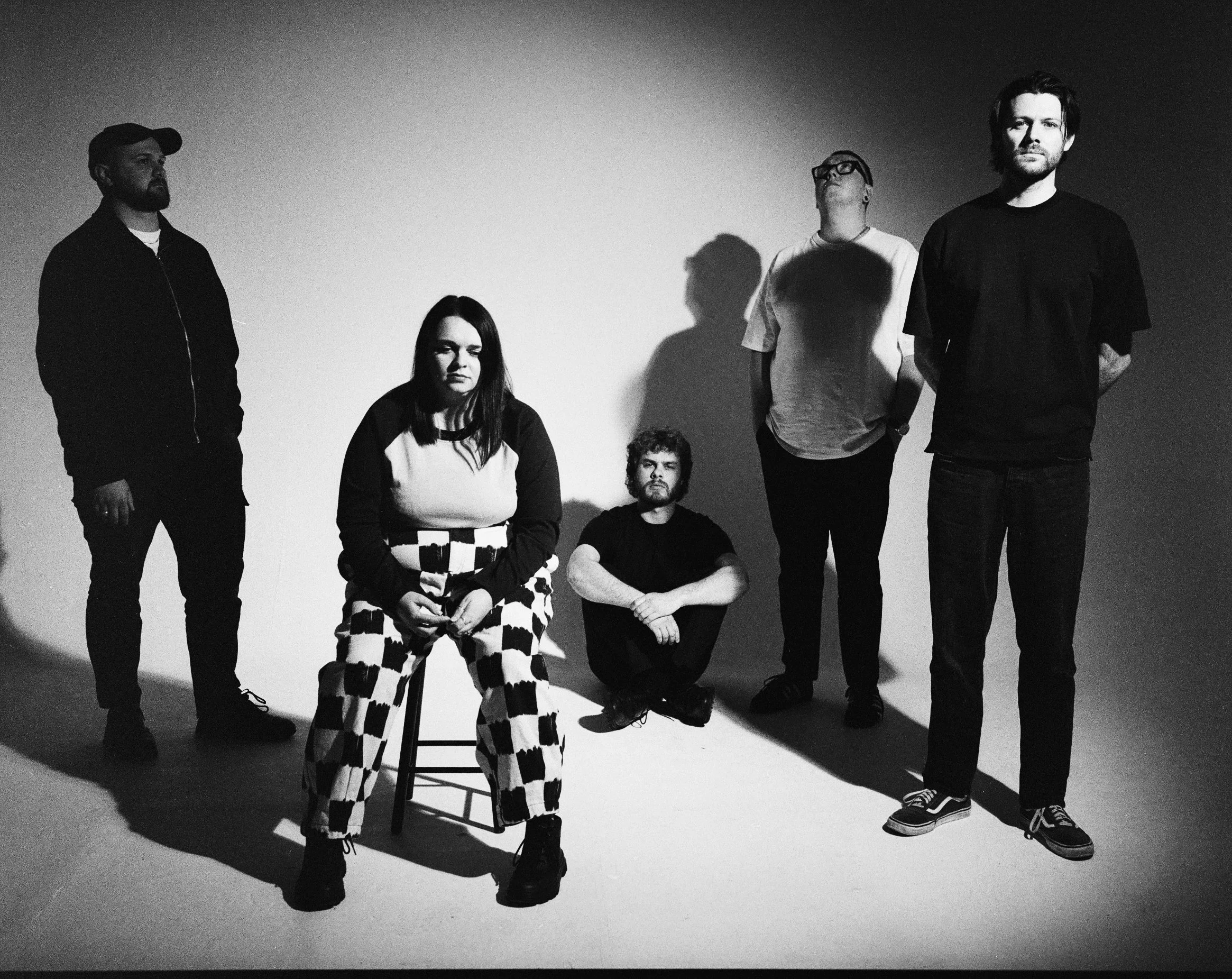
The trick to making psychedelic music isn’t to confuse the listener into a trance, but rather to excite them into a trance; a sort of cousin to hypnotherapy, both work best when the listener is very much enjoying the experience. In their sophomore record ‘Feel Forever’, Margate pop-project Tokyo Tea Room understands this even better than you may immediately give them credit for (due to your immediate hypnosis). Throughout its 10-track run, the pop-psych project prints around one compact and colorful idea per micro-moment: for a couple of samples, think bright pebbles of sound tossed out from the guitar, well-oiled fingerprinty bass from Ben Marshall, and Sam Teather’s geysering drums briefly transfixing before benevolent synths concshell them into the upper corner of the soundscape, and the next excellent idea ushers forward. Then, of course, there are the upward-curling melodies that always pass just right to the side of you, like the literal embodiment of the cold fog in a club carried in TTR vocalist Beth Dunn’s flawless soft-serve soprano: taken as a whole, ‘Feel Forever’ makes for an experience that fixates and fades away your attention, all at once.
Another understandable misconception from the layman’s end about making psychedelia click: it’s not as laissez-faire of a creative process as you’d imagine. Daniel Elliott, lead producer, guitarist, and songwriter of Tokyo Tea Room admits to having a somewhat pedantic creative temperament: ‘‘There isn’t an inch of that record that I don’t know inside and out,” he shares. “I think just the tiny little details in all the songs, where there are these flourishes in the reverbs and delays that kind of pop in and out of the tracks. You wouldn’t necessarily even know they were there unless you listened to it a hundred times, but they kind of fill out that atmospheric background. So there are a lot of those, and I love all of them, because it’s always about the tiny details making up the whole picture.
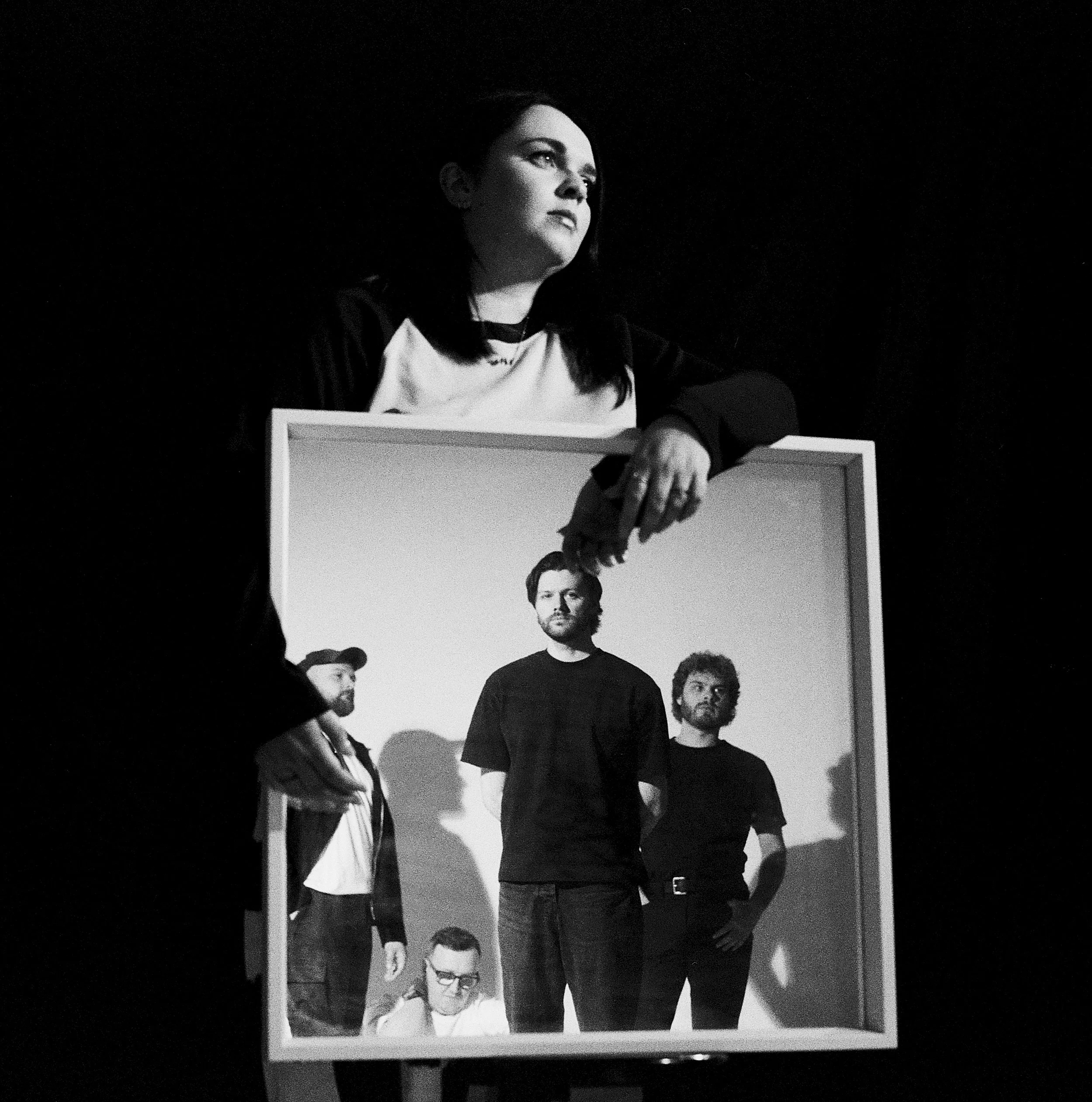
Early on, some of the tracks got compared to Yacht Rock, which was like, ‘How did you arrive there?’ It didn’t seem right to me. But, you know, I love Steely Dan”, he continues. Actually, I took it on board and used it in another interview. I said that we did take a bit of a Yacht Rock approach to producing the record - Yacht Rock is kind of like bad dad rock, but a bit more technical”, Elliott adds while discussing his production process. “We were magnifying all the details and really honing in on them, which I imagine you’d do with Steely Dan. They were the perfect kind of studio band, more obsessed with the perfect sound, and that’s kind of what we were like. So I guess it became a compliment in the end.
This one is - I don’t know if this is the right word, it’s just how I describe it - a cleaner record”, he elaborates on how his approach changed on ‘Feel Forever’ compared to previous Tokyo Tea Room projects. “I worked with a guy called Chris Harris in Margate - he works with pop artists and is really good at getting that clean, cool pop sound. I’d probably say that this album has a broader appeal because of the more pop-centric disposition of it. But it does end up sounding like a Tokyo record, you know?”
The secret, of course, to ‘Feel Forever’ still sounding very much like TTR offspring: blurred, transient synths, with Max Taylor at the helm of synths and Elliott helping shape production. “I love things to sound a little bit out of tune, a little bit woozy”, he enthuses. “Everything kind of is a little bit woozy-sounding, so I was running all of my synths through those tape emulations. But that’s not really a new approach for me; that’s sort of what we’re used to.” Still, despite small alterations in his approach to synths, Elliott emphasized that his relationship to the instrument hasn’t entirely changed. “I guess, from the beginning, when I first started making music for Tokyo Tea Room - before it was the version that you hear online now - everything was a lot more guitar-driven.
At some point I kind of just got bored of playing the guitar, which sounds mad, but there was a whole new landscape with synths: new possibilities in terms of sound, exploration, and songwriting. I guess you could say that my relationship with synths has dwindled a little bit, and I’ve moved on to the more organic sound of acoustic instruments. I still love those weird country tones that I get from my old Yamaha PS-20. I didn’t make any conscious effort to try and bring anything from the first record into this one. I just was like, ‘Let’s do this.’ It sounds dumb, doesn’t it? I love shedding my skin in that way and trying something new.
“I didn’t make any conscious effort to try and bring anything from the first record into this one. I just was like, ‘Let’s do this.’ It sounds dumb, doesn’t it? I love shedding my skin in that way and trying something new.”
My earlier stuff, especially before ‘No Rush’, was always very crusty and lo-fi, and it was kind of intentionally like that”, he continues on the major differences between his recent work and past projects. “Half because I was very poor and I didn’t have a lot of equipment, but half because that was what I liked to listen to. So I feel like I would bring more of the early kind of, like, reverb vocals and dreamy, crusty tape sounds. In the earlier days - before the stuff that you can hear on Spotify - we were very indie, and then we went from indie to being very psychedelic and garagey and thrashy, and we were all blending our own unique perspectives on music into that era. It was chaotic. So then we kind of reinvented ourselves and refined it a lot more.
I don’t know how much growth I’ve done [on ‘Feel Forever’],” Elliott concedes in his ever-humble way. “I think it’s more mature. The pop aspect of it is probably a bit of growth. I don’t even know if it’s growth or just exploration, you know? As a band, in terms of how we’ve operated, there’s been a lot of growth and professionalism and taking it more seriously. And in terms of the creative stuff, I guess that I have more of a head screwed on for the production element of it. Yeah. I have no clue whether I’ve even got anywhere in terms of growth. I just feel like the same person. Same silly songs, to be honest.”
Photography by: Tamibé Bourdanné