
Wishy on Getting Bored, Writing Together and Making Music While the World Burns
With Nature’s Pill on the way, Kevin Krauter talks about bringing the whole band into the writing process and finding room for humour when everything feels a bit bleak.
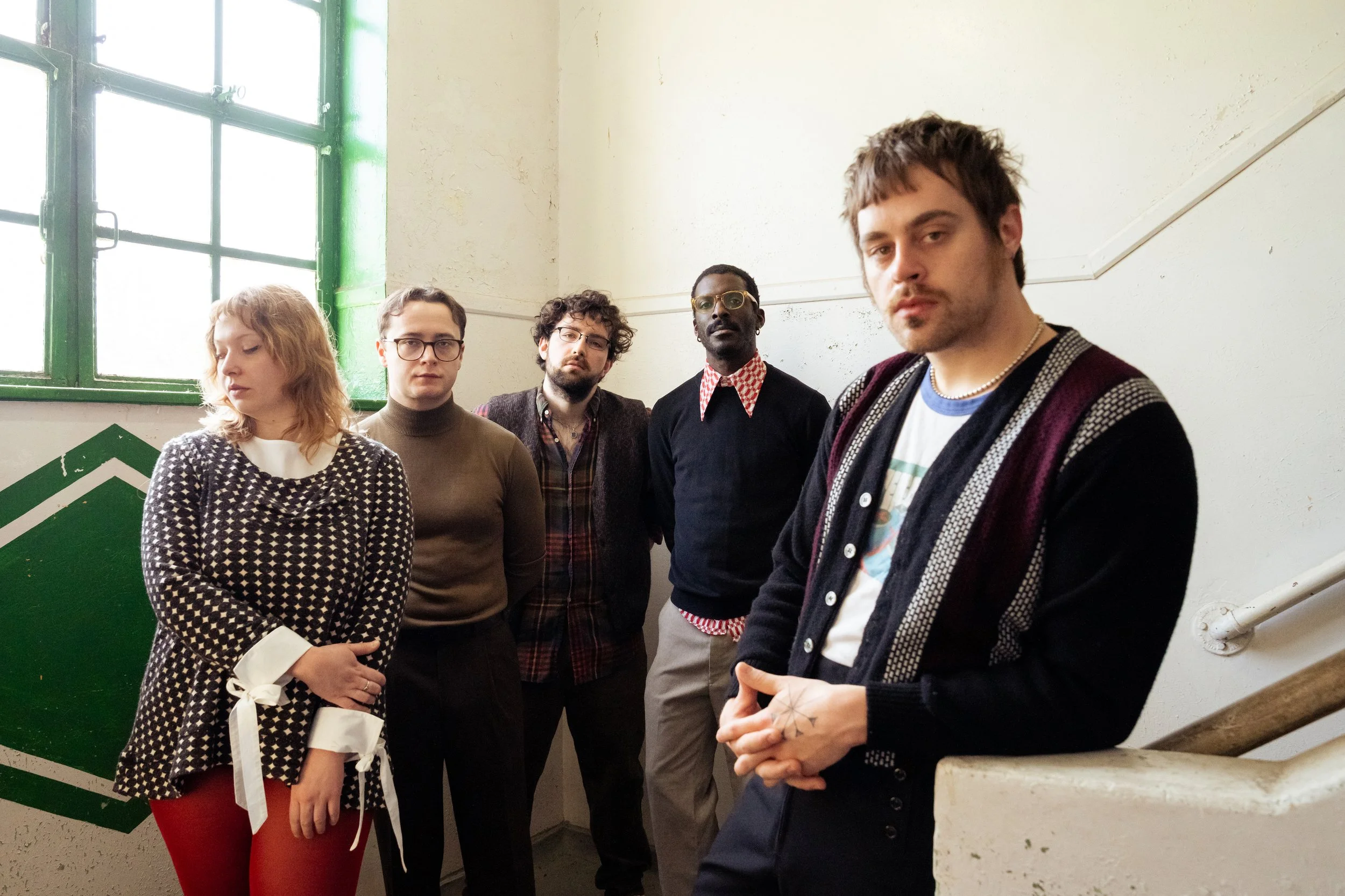
Wishy had barely finished making Triple Seven before they started thinking about the next record. The Indianapolis band’s debut album arrived in 2024, followed by the Planet Popstar EP in 2025, but the songs that became Nature’s Pill were already taking shape while that EP was still being mixed. ‘I think we had two or three songs already written,’ says vocalist and guitarist Kevin Krauter. ‘We had grown restless with the existing batch of songs as some of them were quite old. We get bored easily.’ Krauter plays alongside fellow vocalist Nina Pitchkites, guitarist Dimitri Morris, bassist Mitch Collins and drummer Conner Host. He calls their music ‘alternative power-pop’, though he admits he doesn’t really know what that means. ‘We like to have fun and rock out. And me and Nina love 2 sing.’
Krauter and Pitchkites first met in high school, though they weren’t particularly close then. Their shared taste in indie music gave them a starting point; it was in college and afterwards that they found more common ground. By the time they started Wishy, Krauter says, ‘it was just kind of obvious that we were on the same shit’. On Nature’s Pill, he wanted them to lean on each other more as songwriters, while the rest of the band found their way into the writing too. Morris brought a nearly finished song to practice that Pitchkites developed into ‘Covergirl’. Collins’s bass lines, played around with during soundchecks, became the starting points for ‘Sensational’ and ‘Party World’. ‘The collaborative element of this album was half intentional and half spontaneous,’ Krauter says.
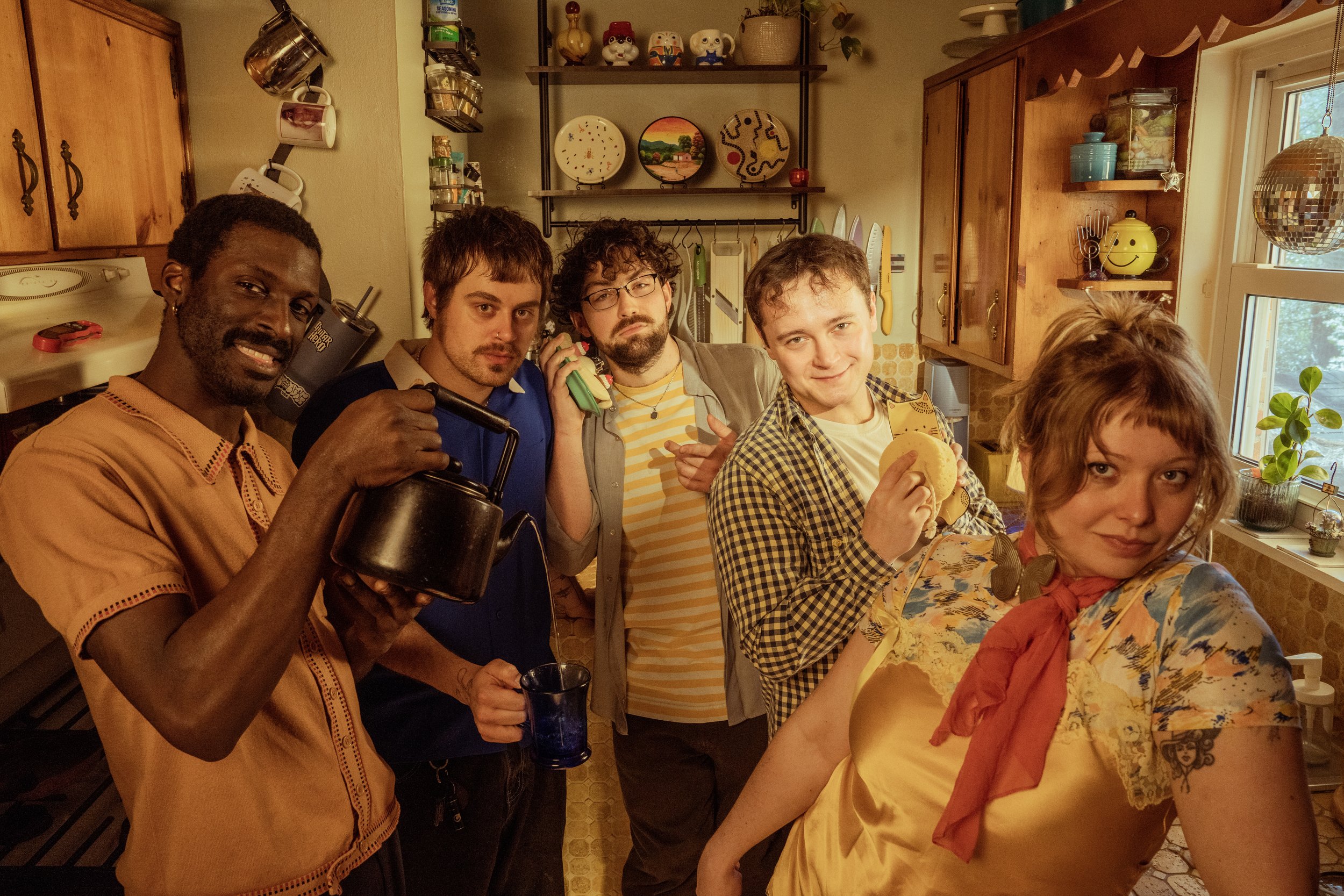
Some of those songs were still taking shape when Wishy went into a small Los Angeles studio, where they recorded half the album live together. ‘Sensational’ remained a fairly bare idea, with its lyrics unfinished; ‘Mona Lisa’, ‘Kiss Kiss Kiss’ and ‘Party World’ were in a similar state. ‘That’s the fun and kind of scary part about recording,’ Krauter says. ‘You come to the studio with these nebulous ideas and just kind of trust that they’ll work themselves out. Sometimes they don’t and you have to cut your losses, but it’s very very exhilarating when they do.’ Touring had made the five of them particularly keen to capture what happens when they play together. ‘Basically every song was written and recorded with the band in mind,’ he says. They’ve already been filling their sets with the new material because, as he puts it, ‘we’re just too excited!’
That excitement doesn’t seem to have come with much anxiety about following up Triple Seven. Knowing that more people are listening has made Krauter curious about their reaction, but he says it hasn’t changed the way the band works. He’s similarly unfussy about explaining when a song is finished: ‘You just kinda know, ya know?’ His attachment to a good melody goes back some way, though. One album he still returns to from his younger years is The Shins’ Oh, Inverted World, for its ‘airtight songwriting, great melodies, interesting chord changes’. It’s a fairly straightforward answer from someone whose own songs can take a less straightforward route to a chorus.
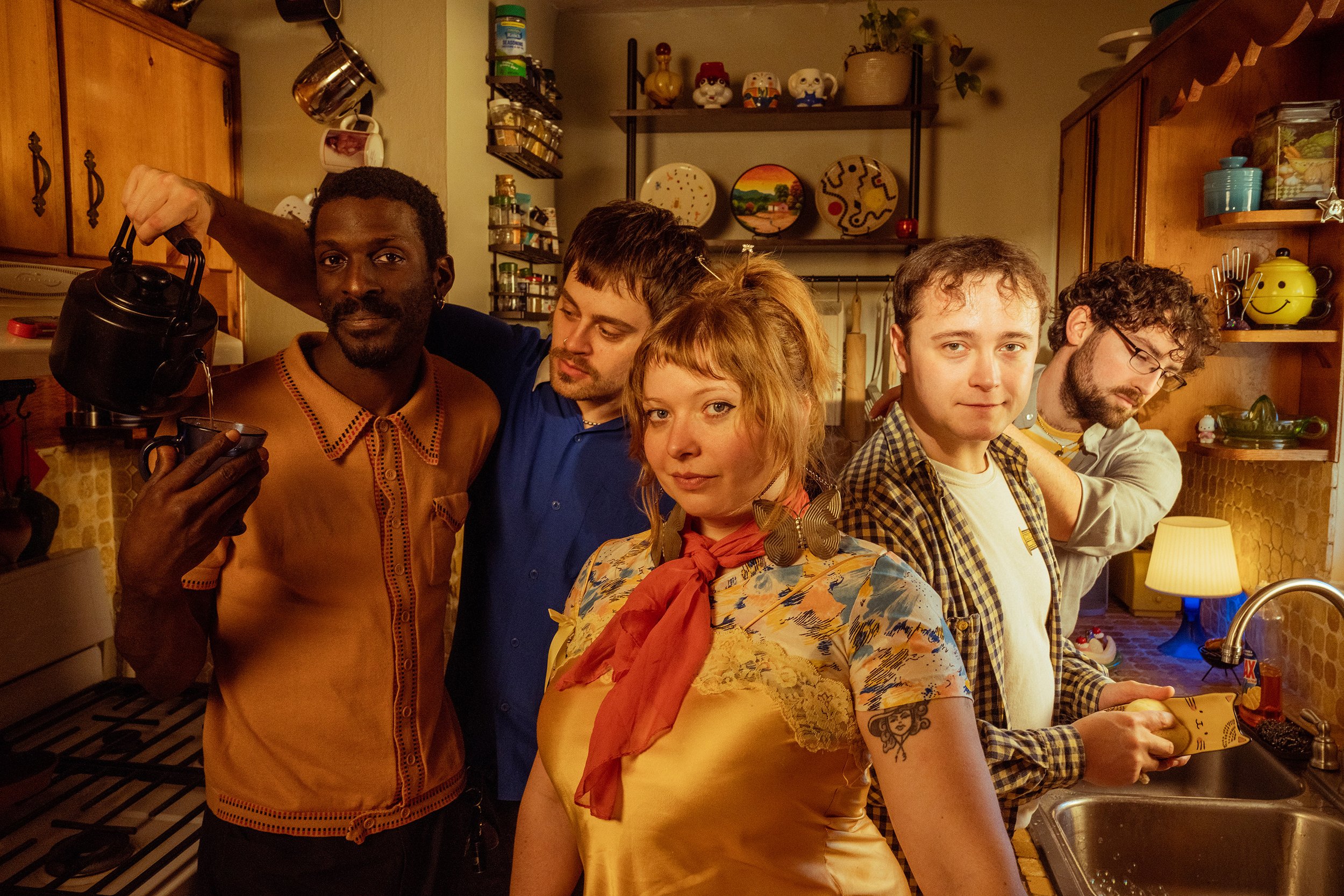
For all the romantic frustration running through Nature’s Pill, Wishy aren’t especially interested in treating every lyric as a confession. Pitchkites has described ‘Lovesick’ as a chance to be ‘stupidly romantic’, but Krauter sees the band’s songs as ‘mini soap-operas that are mostly full of nonsense’. If somebody hears their own experience in one, he’s happy with that. Humour helps offstage, too. When everyone in the van is tired, hungry and getting on each other’s nerves, a joke can make the problem easier to talk about. Even the album title resists a serious explanation: ‘It basically means nothing, and it basically came from nowhere,’ Krauter says. It was a lyric that sounded good and, eventually, seemed to fit the atmosphere of the record.
There is one concern Krauter takes more seriously: the strange feeling of making music while the world appears to be falling apart. ‘We aren’t nihilistic people, quite the opposite,’ he says. ‘I like to think our business of music making stands in joyful defiance to the dejected attitude that many in power would hope for us to adopt and maintain.’ Then he catches himself: ‘At the end of the day though, we’re just a band haha.’ The attention that followed Triple Seven has given Wishy an audience whose reaction they’re curious to see. Asked what he most wants to find out when they play these songs to people, Krauter offers one last, cheerfully ambitious answer: ‘That music really can heal the world.’