
Cameron Winter - Live at Carnegie Hall Review
Cameron Winter, Paul Thomas Anderson and a piano walk into Carnegie Hall…
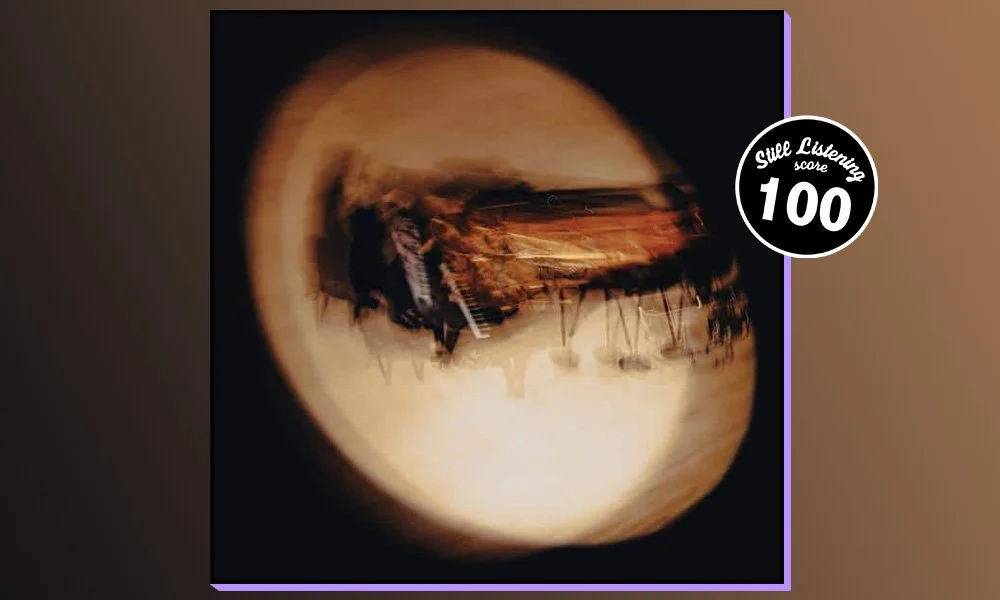
It’s been a pretty intense year for Cameron Winter and Paul Thomas Anderson. Both were consistent recipients of the highest praise across their respective artforms. Geese’s Getting Killed rocketed to a cultural notoriety that few ‘alternative’ albums have been able to reach in the past decade, also summoning a retrospective reappraisal of Winter’s solo debut Heavy Metal that slid under most list seasons’ cutoff in December 2024. Concurrently, Anderson’s One Battle After Another – released on the same day as Getting Killed, no less – was likewise drowned in acclaim, resulting in the highest-grossing film of his career, looming over the Oscars podium like an unmoveable spectre finally being channelled into reality.
Both men’s work, too, provoked a rumble of discourse that ultimately stretched their creations into ricepaper-thin extremes, each end canonising them into statures unlikely to have been their raisons d'être amongst their inception. Their eventual – perhaps inevitable – union is, then, disarmingly understated. Granted, the echelons Winter has ascended to and Anderson has now been recognised in aren’t unassuming by textbook: a sold-out Carnegie Hall and Benny Safdie of Uncut Gems fame as a co-producer is hardly tantamount to a back-to-basics approach.
However, each auteur’s presence across Live at Carnegie Hall and its accompanying visuals seems like a deliberate recentering after the furores smouldering behind them. No flash, no illusion: just voice, piano and one camera in front of a phantasmic crowd. Despite the numerous liturgical allusions in Winter’s Ginsberg-meets-unhinged preacher lyricism (not to mention the often ecclesiastical locales he’s booked at) the solitary unmasking captured by camera and microphone at this show reads as emphatic denial of any deification grafted upon him as his stature blew into the mainstream. Prodigy or not, he is still just a man, a young man, and his abuttal of these expectations is one of the essential morsels his wordsmithery can fatten on.
With nary a wayward comment to the audience, such lyrics provide Winter’s sole communiqués to his surroundings, aside from their pared piano backing. From the first swell of applause to the last, these tears of songs trickle, bursting in droplets onto the keys beneath to become little rectangular annexes of melancholy. The set siphons from Heavy Metal, its preceding non-album single as well as three brand-new songs, all of which traverse a self-contained mythology where scenes of self-doubt, avoidant attachment and faith interrogations duplicate and echo.
Oftentimes they are impenetrable, images piling up in a code that likely only Winter can piece together. Between the cells of curtailed context, though, radiates an emotional pulse that somehow affords pathos to the most obtuse phrases. Many of his finest pleas are constructed with language as texture rather than form: “I need your feet more than you do”; “try as I may to love what fits in my hand” – objects and scale fall by the wayside for almost expressions that stuff square pegs into round holes and beg them to fit.
Although his solo body of work remains shrewdly slim, Winter is determined to continue to maintain its vitality and longevity, a pair of hands shaping clay compositions still embedded by a timeline of fingerprints. ‘Try As I May’ stumbles through chords in as much self-consciousness as the sabotaging shoelace lines it retells, far apart from the more stoic studio cut. Meanwhile ‘Drinking Age’ collapses into silence even more potently than its album variant, the gaps between each rested key rendered just as impactful. Probably his defining tune thus far, ‘Love Takes Miles’ is dispatched nonchalantly early on in the set, a quickened tempo and extended coda wrinkles already suffused with the weight of a standard.
The three unreleased tracks cradle among their brethren with equal assurance. ‘It All Fell In The River’ opens the show, piano sinking like the “little bells” within the lyrics. A concerted vignette of legacy and memory, it views acceptance as a form of cleansing that transcends the spiritual. Conversely, ‘Emperor XIII in Shades’ remains astride the religious, invoking our forgoing of the purpose of Jesus’ suffering for its fleeting gains. The oldest debuted out of the trilogy, ‘If You Turn Back Now’ ripples out across the piano anxiously seeking answers that one may not actually crave, lighting on the comfort of the mundanity of Heaven and Hell.
As was the case on Heavy Metal, ‘$0’ is the effusive peak here, no less than an exorcism where Winter gifts his vocal rapture to an assortment of melismatic ecstasies. He unleashes his final “god is real” to whoever will listen, whether it's his fellow artist behind the lens or the burgeoning creatives in the audience to those fans ensnaring everything inside their headphones or the baying eyes as the film credits trickle.
Ordinarily, it would seem presumptuous to pronounce something so new as unquestionably inspirational. But even more so than Getting Killed or Heavy Metal, Live at Carnegie Hall already writhes with the untameable promise of influencing a generation of artists. Beyond the set dressing, it possesses an identical intimacy to a teenager premiering songs in their bedroom. So you better start walking, the miles don’t seem so long from here…