
Lizzy McAlpine finds her footing, although some of her songs struggle to shine in the shadow of her extraordinary previous work.
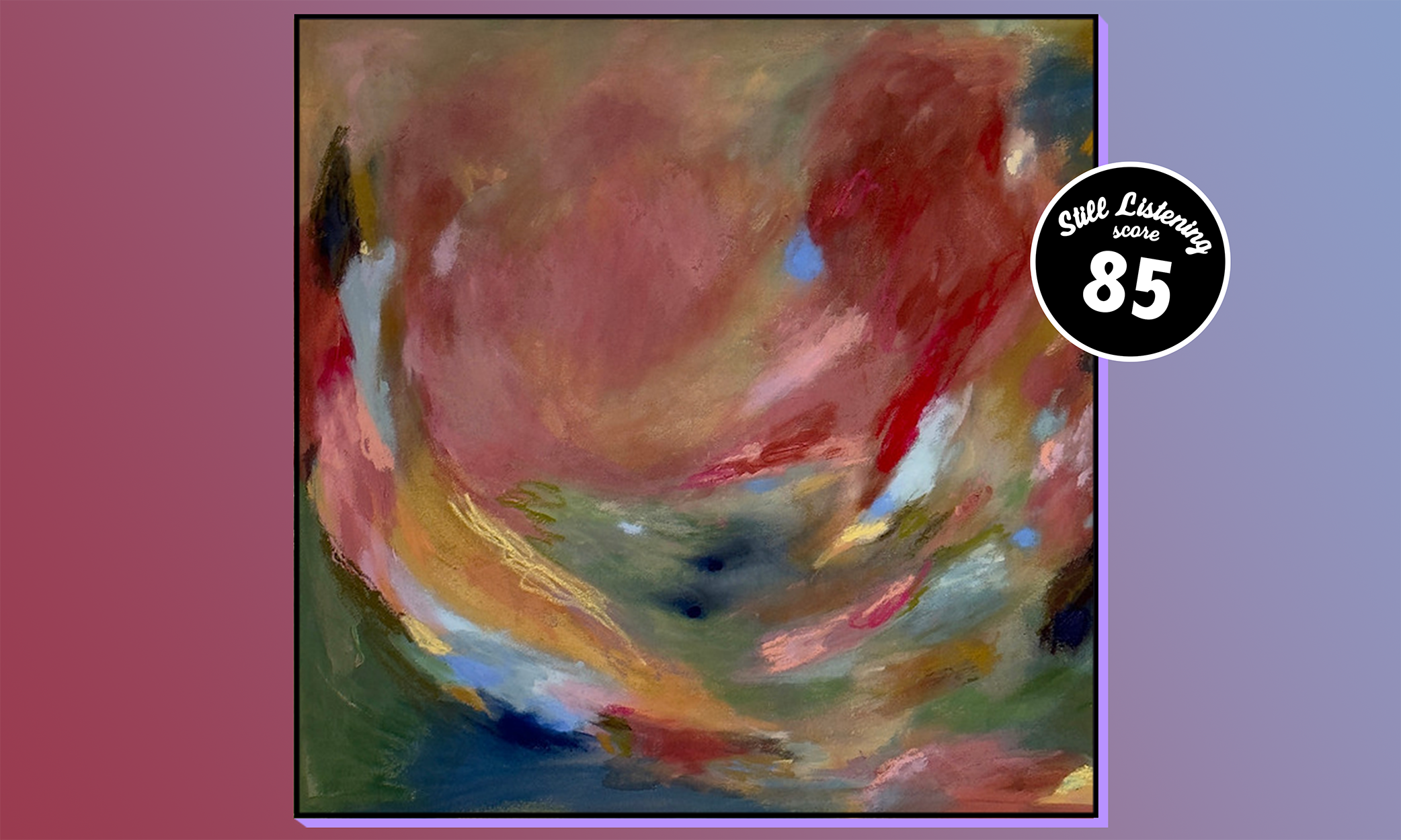
For the sake of full disclosure, I have yet to recover from five seconds flat. Lizzy McAlpine could make an album consisting entirely of voice notes from her kitchen and I would, at the very least, give it a chance. That said, loving an artist is a different thing from loving everything they make, and Angel is an interesting exercise in trying to separate the two. Particularly when the artist in question seems to have made an album that is, emotionally speaking, better adjusted than the person reviewing it.
Following 2024’s Older, Angel finds Lizzy comfortable in a sound she has spent years making her own. Acoustic guitars, piano, and organ provide the foundation for a folk-leaning record that very rarely feels the need to interrupt its own train of thought. The dramatic shifts in perspective and production that made five seconds flat so exciting are less apparent here. Lizzy sounds calmer, more assured and, more interestingly, less apologetic. There is a difference between an artist finding her lane and an artist getting too comfortable in it, and for much of Angel, I found myself wondering where exactly that distinction lies.
‘The light in the painting’ certainly does not leave much room for complaint. As an opening track, it establishes a lovely relationship between the physical and the sentimental: a person becomes the detail in a painting that draws the eye before anything else does. Lizzy McAlpine has always had an aptitude for taking perfectly ordinary things and assigning them devastating amounts of emotional significance. Even the title of ‘A car wash and a new pair of pants’ is characteristic of her writing. Why have a grand, cinematic epiphany when you could run a couple of errands and attempt to become a new person in the process?
What I find most compelling about this era of Lizzy’s writing is that the tenderness no longer demands an apology. ‘Anybody’s fool’ and ‘Ugly things’ still allow for the less flattering aspects of loving somebody, but they exist on a record that appears far less concerned with putting its narrator on trial. There is a confidence to the way she allows an uncomfortable feeling to exist without necessarily turning it into a catastrophe. Anyone who has spent a considerable portion of their twenties listening to Lizzy might find that change a little confronting. What if the girl we’ve been crying with is getting better?
My biggest reservation is, inconveniently, also one of the album’s greatest strengths. Angel flows beautifully. A little too beautifully. There are stretches where I would struggle to tell you precisely when one song ended and another began, and not because I wasn’t enjoying myself. When so many songs occupy a similar musical and emotional space, it becomes difficult for their individual qualities to register. I remember loving an entire passage of the record without necessarily being able to identify which song earned that reaction. On five seconds flat, the songs had remarkably distinct personalities without sounding as though they belonged to different albums. I miss a little of that here.
Which brings me to ‘Over country’, ‘Two elevens’ and ‘Our strange ways’. The latter lasts a little over seven minutes, and frankly, I would not have been particularly upset had it gone on for another two. There is something wonderfully indulgent about giving a song that much room on a record already so committed to taking its time. ‘Over country’, another personal favourite, is where the album’s patience really pays off for me: it has enough space to let the uncertainty of moving forward coexist with the pleasure of imagining where you might end up. These are songs that benefit from Lizzy’s refusal to rush a thought. I only wish more of their neighbours were quite as recognisable.
The final stretch also offers a welcome expansion of what love can mean on a Lizzy McAlpine record. ‘Mason’s song’ makes room for friendship, and ‘The crowd’ continues her tradition of writing about her late father. There is something valuable about reaching the end of an album concerned with intimacy and finding room for relationships beyond the romantic. And then there is ‘Angel’, which I adore. Bringing the tenderness of the opening track back into focus, the closer feels like an appropriate destination for a record that has spent so much of its time learning to live with uncertainty.
I could quite happily spend another hour in the world of Angel, which is no small compliment considering I have already spent an hour there. But I would not necessarily remember every stop along the way. It is a beautiful record, and I suspect its softer edges will continue to reveal themselves with repeated listening. For now, I am happy to meet this more self-assured version of Lizzy McAlpine, even if a part of me is still mourning the dramatic little masterpiece she made in 2022. That is my problem, not hers.