
Lone - Hyperphantasia Review
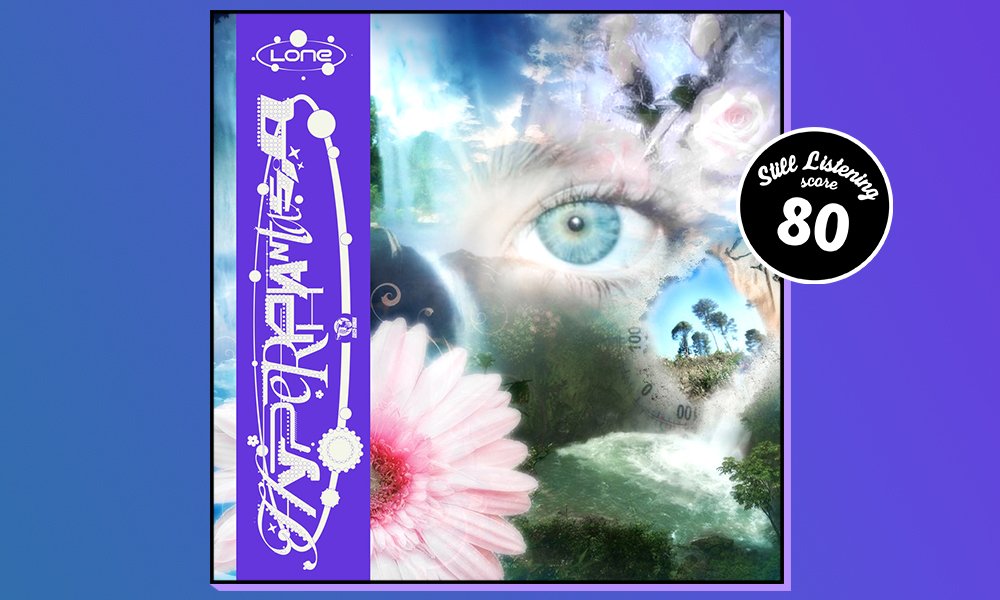
A hyperreal rush of rave, memory and imagination, Hyperphantasia pulls together Lone’s full spectrum into something vivid, euphoric and just slightly unreal.
Hyperphantasia is a neurological condition affecting a small percentage of the population, and is characterised by extremely intense and vivid mental imagery. Fantazia was also the name of a seminal series of raves in the early 1990’s at the height of the breakbeat-hardcore scene, which is a sound that Lone has frequently drawn on, over seven albums and dozens of EPs. The rushing breakbeats, day-glo synths and hyper energy being just one part of a mix that’s always occupied that very sweet spot between hazy nostalgia, psychedelia and dancefloor energy.
Even for an artist with a maximal aesthetic, generally disposed to working in lurid technicolour, Hyperphantasia paints a particularly vivid picture. Matt Cutler’s own description, “Like taking every style I've worked with, amping them up to 11 and firing them off a cliff” sums it up pretty neatly. Taking a more circumspect view, one could see this as a bit of a career retrospective, a breathless tour through the influences that have coloured Lone’s style over two decades: rave, breakbeat, hip-hop, house, ambient and progressive, but always united by that slight sense of fantasy. As if this was rave music from an alternative dimension, a hidden bonus level of the kind one feels one could unlock after an especially loved-up night of raving.
And there’s something to satisfy ravers of all stripes here, as Hyperphantasia spins us round a giddy carousel of constantly morphing genres and tempos. Affinity (Cloud Four Four Mix) is a frothy soulful garage-jam, Triton is pure Balearic bliss: trancey pads, diva vocals and a bubbly beat. Throw the Ember, featuring underground rapper Juga-Naut, is an easy-going hip-hop jam, before Wemove pitches things back up to breakbeat-hardcore levels again, replete with ‘hoover’ synth stabs for that classic rave vibe. Speaking of classic rave, Waterfall Reverse owes more than a little to the iconic sound of The Prodigy circa 1992, as jungle breaks build energy ahead of a loved-up piano breakdown, before Cutler unleashes a savage and propulsive 303 riff of the kind Liam Howlett would be proud.
But even at its raviest and most “avin-it”, Hyperphantasia never strays too far from that soothing zone of unreality; the aforementioned carve-up, Waterfall Reverse, dissolves into clouds of digital glissandos and the sound of rushing water during the outro as if to say, “it was all just a dream”. And skimming through the track titles, Photographs that Don’t Exist, Sickly Sweetly Summer Movie, Opening a Portal, one gets that strong sense of fantasy, perhaps masquerading as nostalgia. A yearning for a golden time that may not have existed in the way it appears in dog-eared, sun-kissed photos.
To ease the transition across so many different styles, Hyperphantasia is woven through with several dreamy interludes, generally consisting of billowy synths and feathery textures. Every now and then we hear a voice that seems to come from some kind of audio-visual test, asking us to identify colours and sounds. All of which induces the feeling that all this - this utopian, rainbow-coloured party music - isn’t real, it’s some kind of dream, or some kind of experiment we’ve found ourselves in.
None of which is to suggest this is an insubstantial record, or that the music isn’t quite all there. On the contrary it feels realer than real - hyperreal. Cutler had challenged himself to bring all his influences together and recreate the album he could “hear in his mind”. Obviously only Cutler knows what the music in his mind sounds like, but Hyperphantasia certainly manages to unify a rainbow of styles into one beautiful multi-coloured cloud. In so doing, Lone has crafted a homage to the glory years of rave, but unlike so many others who rely too much on nostalgia, it’s his production wizardry that does the heavy lifting. Truly a master of his craft.