
Overmono - Pure Devotion Review
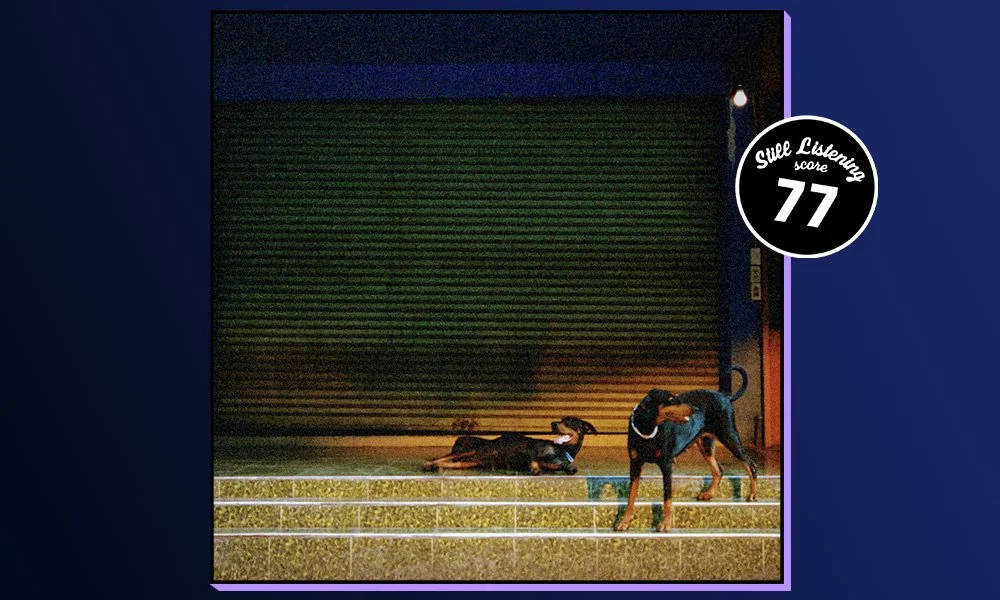
On Pure Devotion, Overmono use experimental methods to journey through high highs and the quiet they leave in their absence.
Two decades ago, when Ed Russell was just 15 years old, he would send demos to XL Recordings. Now he and his older brother Tom are Overmono, one of XL’s most acclaimed signings. They’ve seen huge success over recent years, running a set of live events called Pure Devotion in 2024, just a year after their debut album Good Lies dropped, with venues including Alexandra Palace, Warehouse Project, and even Glastonbury’s West Holts stage. But the movement wasn’t over yet. That connectivity and exhilaration has been moulded into a new album of the same name, set to further define a future-pushing approach to Nu-garage now synonymous with the duo.
The pair typically hone their sound in secluded retreats; this record called for an escape to Iceland with just two synths and an FX unit, followed by two trips to the coastal mountains of Northern Spain. It took them some distance from Overmonnow, the rural suburb of South Wales where the Russells were raised, from which they took their name. This isolated, minimalist approach resulted in clean production, as is characteristic of the duo, but many of the layers within were more saturated and experimental in their creation. “The first approach with anything on the record was always: how can we achieve this in a physical way?” Overmono said of their exploits. “We ran tape over magnets, blew up some speakers and finally utilised that dirt cheap overclocked FX unit we snaffled years ago in Bromley. We even oven-baked a cymbal covered in coffee grounds, crisps and vinegar- thank you Sylvia Massy for that one,” referencing core inspiration for the album Massy, whose work with System of a Down and Tool was a key reference in the creation of Pure Devotion.
The eerie trip-hop Geoff Barrow brought to Portishead and the boldness of the French Touch movement, proponents including Daft Punk and Saint Germain, further guided the Russells in finding their unique sound. Through this commitment to paying homage to dance music classics, the album distances itself from grungy electronica whilst still managing to find favour with new and old fans, adding to a discography hailed amongst gateway ravers and purists alike.
From the jump, the record feels like the point in the night where you’ve realised you’ve lost yourself in music and movement. Lead single ‘Lockup’ is classic Overmono: a bold and searing start modelled on Simon Reynolds’ writings on the post-punk era and its dedication to rule-breaking. In this vein, the track samples Fast Relief’s ‘What A Waste’, layered with melodic breakbeats and a saw-like pulse that shifts off-grid. A swallowed beat twists into a robotic siren, circling overhead, before merging back with a cat’s cradle of dancefloor thumps and hi-hats. To conjure this level of immersion, of devotion, with little to no build-up is true mastery.
‘Knight In Shining Prada’, featuring poet and LAW magazine founder John Joseph Holt, shines in the lineup. Holt’s contribution, originally in the form of a voice note, went through 83 iterations before Tom and Ed settled on the final draft. His raw emotion and pristine cadence leave the song feeling timeless, rehashing the soulmate spark between electronic music and spoken word. Holt’s words address his late brother, Thomas, who took his own life in 2017. “I’m not sure if I’m getting closer to you or further away,” he opens, traversing not only a reckoning with love and grief, but also the brotherly relationship between the Russells.
The ode holds a flavour of Justice in its aggressive synths and euphoric ascension. It evokes a shared wavelength as though there are no boundaries between fellow dancers; the skin-splitting togetherness of a connecting experience. “May this song remind people of loved ones they have lost and bring them closer to their hearts. If we play it loud enough, do you think they will hear us in heaven?” Holt said of the track, and in doing so, grounded the album in its heedless approach to devotion.
A distorted, hundred-year-old train announcement speaker shapes atmospheric track ‘Barum’, alongside careful, experimental recording practice, in which Ed Russell allowed sound to bounce off the structure of his face by holding two dummy mics close. What’s conjured goes beyond 2-step; the ambient textures come like a moment of clarity, a deep breath on a smoker’s terrace, somewhere looking out over tower blocks in the night’s darkness. It does feel as though a faster or deeper moment is withheld, the track covered with a sheen of untapped intensity that never quite gets going as you might hope. Though this is intentional, it could have been an opportunity for a more severe, ecstatic drop.
Loose and subdued track ‘Adre’ (meaning ‘homeward’ in Welsh) is a divine lament to pull the night to its end, reminiscent of heavy limbs and eyes that intermittently buzz closed. To build the song’s otherworldliness, Overmono overused a cheap Behringer FX unit until it ran out of data, and the reverse reverb reset became unusable. The effect is soothing, caught in an acceptance between uplifting and commiseratory. ‘After The Rain’, featuring Norwegian sensation Smerz’ formant-shifted vocals, is dynamic and frenetic. The song's pop EDM elements edge it into Jamie xx territory, closing the album in moody, nostalgic exultation.