
Start Listening To: Aure
On printemps, Aure explores transition, intimacy and the beauty of not quite arriving.
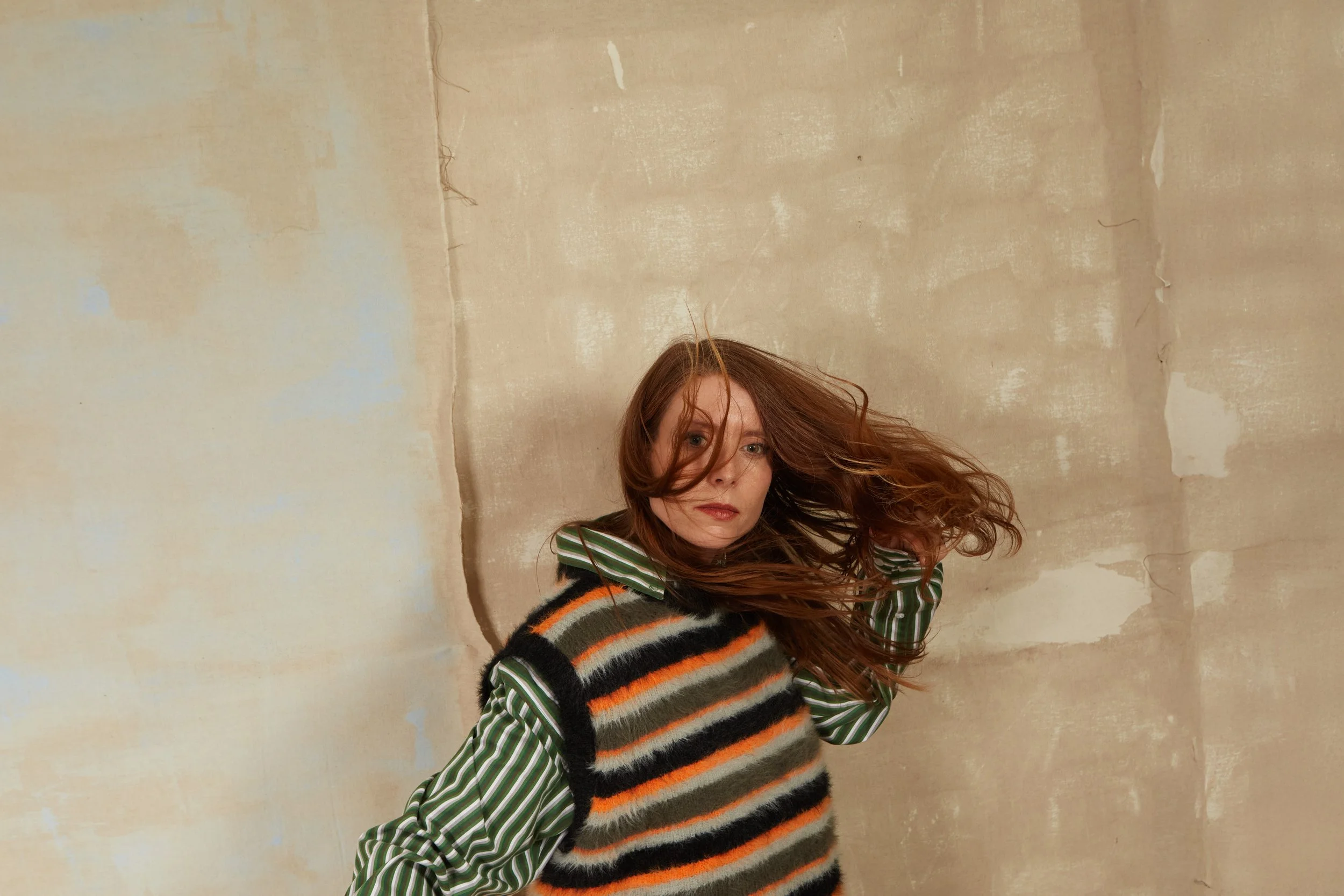
Moving between languages, cities and states of mind, Aure writes songs that feel suspended in motion, never quite settling, always searching. A former architect turned musician, her work is rooted in observation, space and restraint, with printemps capturing a period of profound personal change, from relocation to motherhood. Built on quiet detail and emotional ambiguity, her music lingers in those in-between moments where feeling is fluid and meaning is still unfolding.
For those unfamiliar with your music, can you tell us who you are, where you’re from and about the music you make?
I’m a French singer-songwriter, I wrote folk songs in different languages: English, French, Spanish. I worked for years as an architect, but a few years ago I decided to focus more on music.
‘La Nuit’ feels suspended between longing and risk, what first sparked the idea for that song?
It’s about two people who don’t really manage to meet. There’s a sense of ambiguity in the song, whether it’s a couple stuck in a routine and becoming strangers, or strangers longing to meet again, or a little bit of both. It explores the idea of escape, of searching through the night for something unexpected. It’s about fear of routine and the desire for something more, even at the risk of losing ourselves.
You describe it as trying to prolong the night, what draws you to those in-between moments rather than clear beginnings or endings?
Maybe it’s about boundaries. I like to think of them not as endings or limits, but as points of contact between two worlds, sometimes between two feelings. This song and others are about that idea, that if you go a little further, if you push the frontier, you might find something else, something unexpected.
The arrangement gradually expands from something very intimate into something more intense, how did you approach shaping that emotional build?
This was the idea of the song, and of those nights when you want to get lost. It starts softly and it becomes more intense later in the “balade”.
There’s a quiet darkness running through ‘La Nuit,’ do you find yourself naturally pulled toward that mood when writing?
I think that when I first started writing songs, yes, I naturally leaned toward melancholy, but that’s changing a bit now, I don’t want to stay in that mood. I need to explore different feelings. The darkness part in life is something that I need to look at but I try not to focus on it and I think it’s the same in the way I write songs. People sometimes tell me I write sad songs, but that’s not really what I want to convey. Sometimes in both life and music, there is this in-between space where sadness and happiness can be really close to each other.
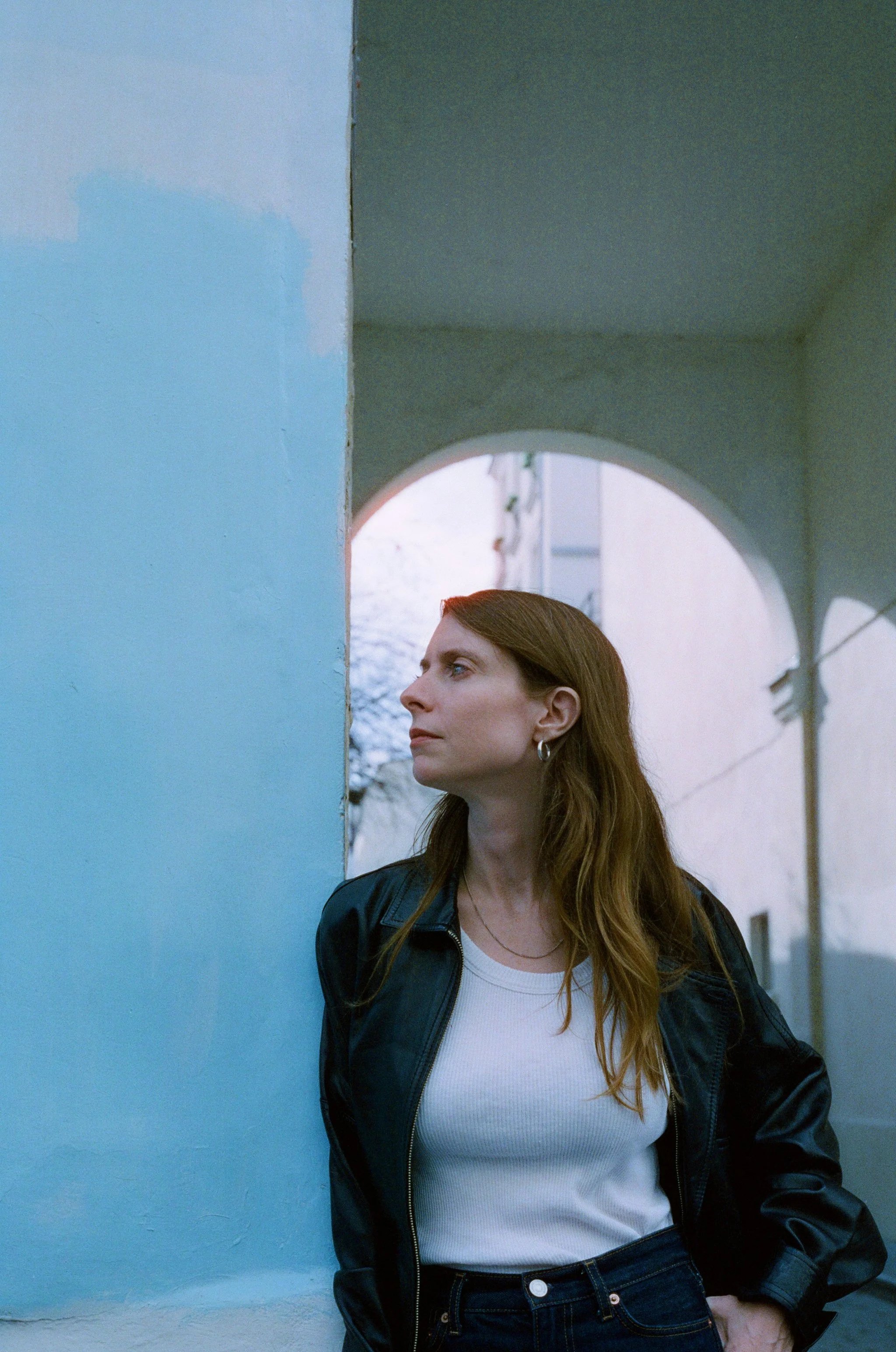
printemps is described as an album of thresholds and transitions, what was changing in your life while you were writing it?
I was going through a lot of changes, I moved from Mexico to Paris after a separation. It was also a time when I decided to focus more on music after spending years working in
architecture. During the recording, I was also pregnant with my first child. He was born last spring while we were finishing the recording sessions.
Your music moves between languages quite fluidly, how do you decide which language a song wants to live in?
The song decides for itself. I’ve sometimes tried to translate, but it never worked. The language is really part of the composition, and everything comes together at once: chords, lyrics, language. The atmosphere and the language are there from the beginning and then I develop the song. It’s not only about meaning, but also about how it sounds. For example, in “A ti te tengo”, I like the percussive effects of the “t” which wouldn’t work in French or English.
There’s a strong sense of imagery across your work, from birds in motion to cinematic references, do songs begin with visuals for you or with sound?
Yes, it often comes with visuals. For example, the song “The Sailors’ Tales” came to me while I was looking at the sea and that line that doesn’t really exist, but that you can see between the sea and the sky. Here, it was a real landscape - I started wondering about this line and ended up writing the song. Sometimes, I have an image in mind and a song follows this imaginary. “Le jour se lève” was also very visual. I had this image of haze, hills, and the morning light beginning to appear, I wanted to write a song for this image… For me, writing is, first of all, observing and waiting for the song to reveal itself. Sometimes, the images come from other things. In “Corriendo”, I had in mind the desert landscapes you can see in Graciela Iturbide’s photographs.
You’ve cited artists like Sibylle Baier and Nico, what is it about their approach to songwriting that resonates most with you?
I really like the strangeness and freedom of Nico and the intimacy of Sibylle Baier. When I discovered Sibylle Baier’s album, I couldn’t stop listening to it. The simplicity of the voice and guitar, her voice… I like the fact that it doesn’t sound perfect, but feels true for me. It’s more about poetry than performance. There is also Jessica Pratt who is really a reference for me. I’ve listened to her album “Quiet signs” a hundred times without ever getting bored. I really appreciate the atmosphere and quietness she brings.
Having come from a background in architecture, do you see any connection between how you used to work and how you build a song now?
Yes, there are a lot of connections, but they lead to different places in my mind. Music is very intuitive for me, whereas architecture is something I had to learn. In music, I’m looking for freedom, but in both practices I like roughness and the idea of not overfilling things. I like silence, and I like the idea that the user or listener is not overwhelmed with information, but can instead fill in the voids and silence themselves. It’s also a lot about quietness for me in each field.
There is also the idea of compositions and harmony in the two disciplines that I find very interesting. In architecture or music, you can follow rules for the harmony, using the
golden ratio for example or in music knowing the rules of harmony. Or you can also search for it intuitively. And for me, that question of harmony holds its own mystery: why does it work or not? Why is one song nice to listen to, or a proportion visually harmonious?
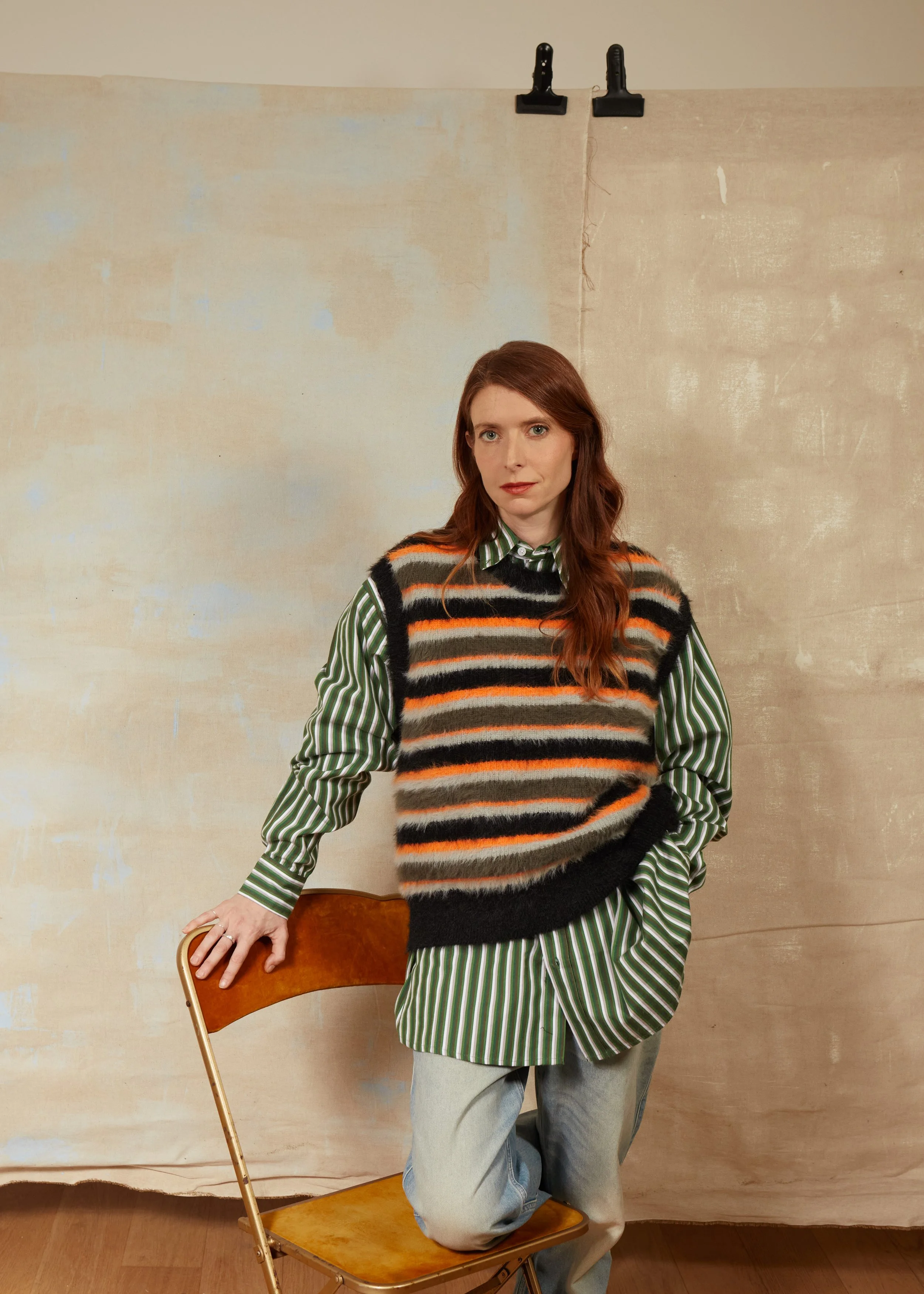
You worked closely with Corentin Ollivier on the record, what did that collaboration bring out in the songs that might not have been there otherwise?
Corentin has a true understanding of my music. He’s very skilled and truly understands this idea of not overfilling a sound. He’s very precise, and we took time to find the best way to record the songs, and to find the right arrangements. I started working with him because we did a live session together, and I felt that everything he suggested was perfect each time - without any need for explanation. That’s why I asked him to help me on this record, and I felt very glad he accepted.
Your music feels very stripped back but still emotionally expansive, how do you know when to stop adding to an arrangement?
It’s always a question of: do we really need that? Sometimes we tried something then listened to it again without that line of arrangement. If there's any doubt about whether it’s necessary, we remove it. And sometimes, I have to say, I already thought it was enough, but Corentin helped me to go a bit further and try new things.
There’s a sense of movement and migration running through printemps, what does “arrival” look like for you at the end of that journey?
I feel it’s more like a step than an arrival. The songs are recorded now, but I hope they will continue their own journey, with listeners and through live performances as well. There’s definitely an echo of printemps in my own life, like a late awakening... But I liked the idea that spring is something that always comes back. I feel it more like a moment of renewal in life rather than a happy end, maybe because, as you said, I’m not really into clear beginnings or endings :)
What do you love right now?
Spending time with my son and my family, making music, talking about architecture, walking in the mountains and feeling small in nature.
What do you hate right now?
Promote myself on social media.
Name an album you’re still listening to from when you were younger and why it’s still important to you?
I don’t know which album exactly but I think all the work of Nina Simone or Jacques Brel.
When someone hears your music for the first time, what do you hope sticks with them?
Hope :)