
Start Listening To: Farveblind
On Micro Pleasures, Farveblind channel chaos, collaboration and fleeting moments of escape into something built for the dancefloor.
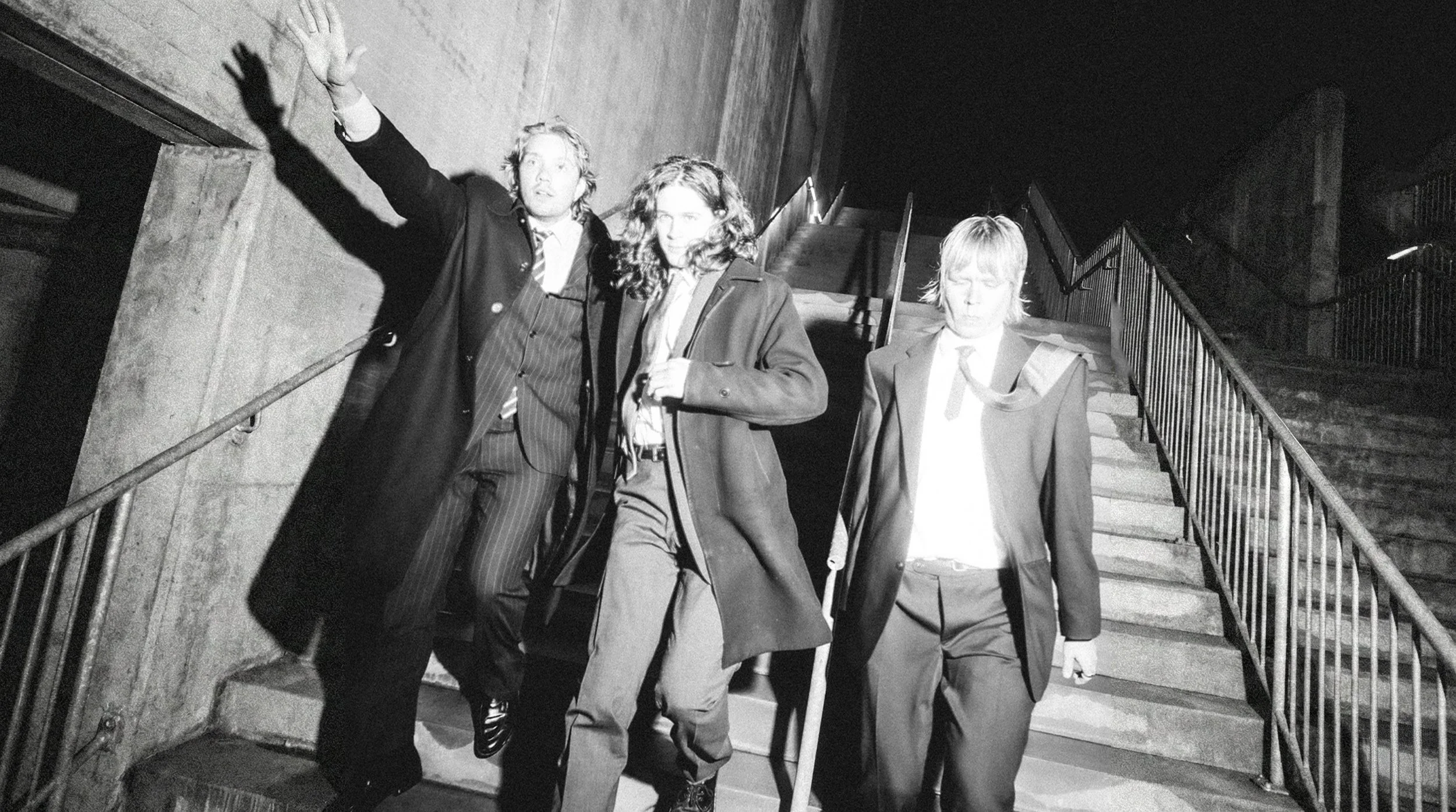
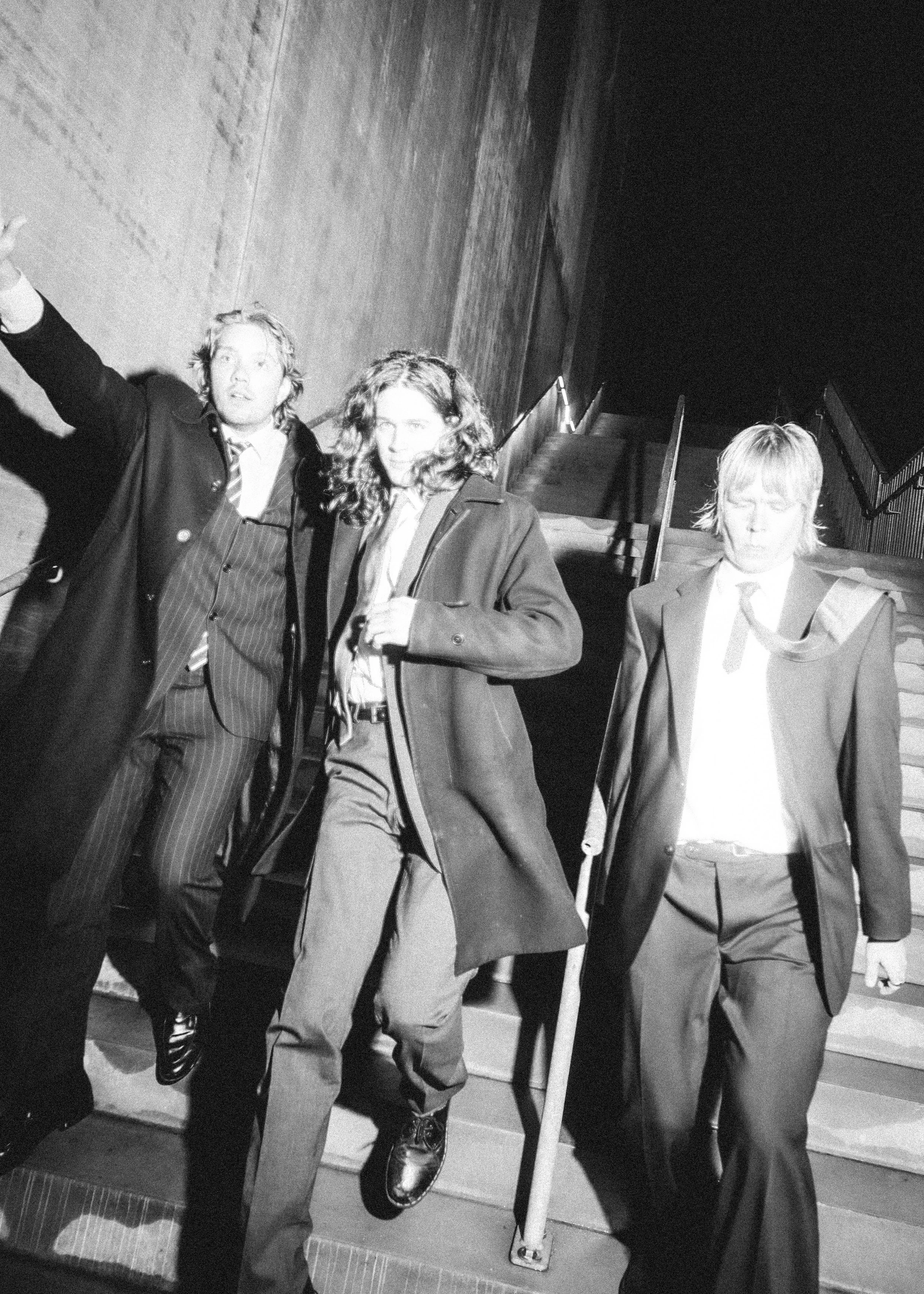
Copenhagen trio Farveblind make music that hits like a rush, pulling from punk, rave and industrial to create something loud, restless and built for release. Their debut album Micro Pleasures leans into that intensity, pairing high-energy production with a sharp look at modern life, where small moments of joy cut through an otherwise bleak backdrop. Built through a series of collaborations and what they call “creative collisions,” their sound thrives on movement, instinct and the feeling of everything being just slightly on the edge.
For those unfamiliar with your music, can you tell us who you are, where you’re from and about the music you make?
We’re a producer trio based in Copenhagen, Denmark. We make high-energy electronic chaos for the dance floor - mixing punk, rave, 90’s big beat, industrial, and everything that makes a Tuesday feel like a Friday.
‘Things’ feels sharp and confrontational but still really immediate, what was the starting point for that track?
When we started working with K.Flay, we actually worked on a completely different song, which we ended up shelving. She had sent us the demo back, and had only kept the kickdrum (which we completely understand). We quickly recorded drums and bass for a new demo to send her - which ended up becoming Things.
The song digs into consumerism and ownership, was that something you set out to tackle directly or did it emerge as you were writing?
Well, we knew we wanted that sort of song writing on the track, as it fits in with the overall theme of the album. K.Flay had written a verse on a previous demo that we cut up and sampled into what is now the chorus. She then wrote the rest of the lyrics.The lyrics felt like a direct attack on our lives, and after releasing the song it seems that we're not the only ones who feel that way.
Bringing K.Flay into the track adds a different voice and perspective, how did that collaboration come together?
The internet. You can literally just write people - it’s crazy.
You’ve described your collaborations as “creative collisions”, what does that actually look like in practice when you’re in the studio?
There’s a kind of fetishisation of lead singers and front figures in the musical landscape - but one of our biggest strengths is that we get to choose from song to song. We get to tap into new energies and genres with each of our features, and let them tell a story on top of our productions. Some we fly in, some we send demos and references back and forth - but in essence, it's about finding a common story to tell.
Micro Pleasures is built around small moments of joy in a pretty bleak landscape, what do those “micro pleasures” look like for you personally?
A cup of coffee, a beam of sunlight hitting your face, a cigarette, a toilet break at work, your favourite song turned on a little louder, after-work drinks - the list goes on. When you feel it, you feel it.
Sonically you pull from punk, rave, industrial and electronic music, how do you stop that from becoming overwhelming and keep a clear identity?
It’s a strength. All three of us come from different backgrounds when it comes to music and influences, but the main thing that brings it all together is the energy to it. Punk, rave, industrial etc. all aim to do somewhat the same thing: to kick in doors, and make you feel alive. All our songs want to do the same thing.
You worked with Gustav Brunn on the mix, what did he bring to the record that helped shape its final sound?
We’ve been fans of Gustav’s work for some time, and we really think we brought the whole record together. He’s really good at retaining a loud, live-esque sound, while still keeping it perfectly mixed.
Tracks like ‘Salary Man’ and ‘Natural Behaviour’ feel quite critical of modern systems and behaviours, do you see the album as political in any way?
It would be stupid to say it’s not political in any way - But we’d like to think of it more as a comment on the time and society we all live in. It reflects the necessity of glimpses of joy, in a world that feels like it's trying to choke every single last color out of you.
You’ve built a strong reputation as a live act, how important is that physical, chaotic energy when you’re translating songs into recordings?
It’s really important to us. We first learned how to play live shows before we got any good at song writing, so it’s naturally in the DNA of recording songs for us.
You’ve played festivals like Roskilde and Eurosonic, what have those experiences taught you about how people connect with your music?
We live for playing live and take a great deal of pride in our live-sets, so it doesn’t just feel like some DJ is pressing the spacebar on a MacBook. We want it to feel like a proper concert, and we think that the audience wants that too. Live concerts are a visual medium - and you want a show.
With so many collaborators across Micro Pleasures, how did you make sure the album still feels cohesive and distinctly Farveblind?
To be honest, we can’t help it. We think about it a lot, but in the end, everything we touch seems to naturally gravitate towards sounding like Farveblind.
What do you love right now?
Each other.
What do you hate right now?
Hate itself.
Name an album you’re still listening to from when you were younger and why it’s still important to you?
This list is long - but one album all three of us can agree on is Fat of the Land by The Prodigy. That record does not have a single skippable song on it. It was also a great inspiration in terms of how much you could push the limits for songwriting with electronic music. Sampling-wise it is also a masterpiece.
When someone hears your music for the first time, what do you hope sticks with them?
An overwhelming sense of release. Like you just let go on the dancefloor and everything that's been building up inside you for weeks has just disappeared.