
Start Listening To: Ea Othilde
The Oslo songwriter discusses growing up in Norway’s music scene, the raw immediacy of her new EP and why honesty remains at the heart of everything she writes.
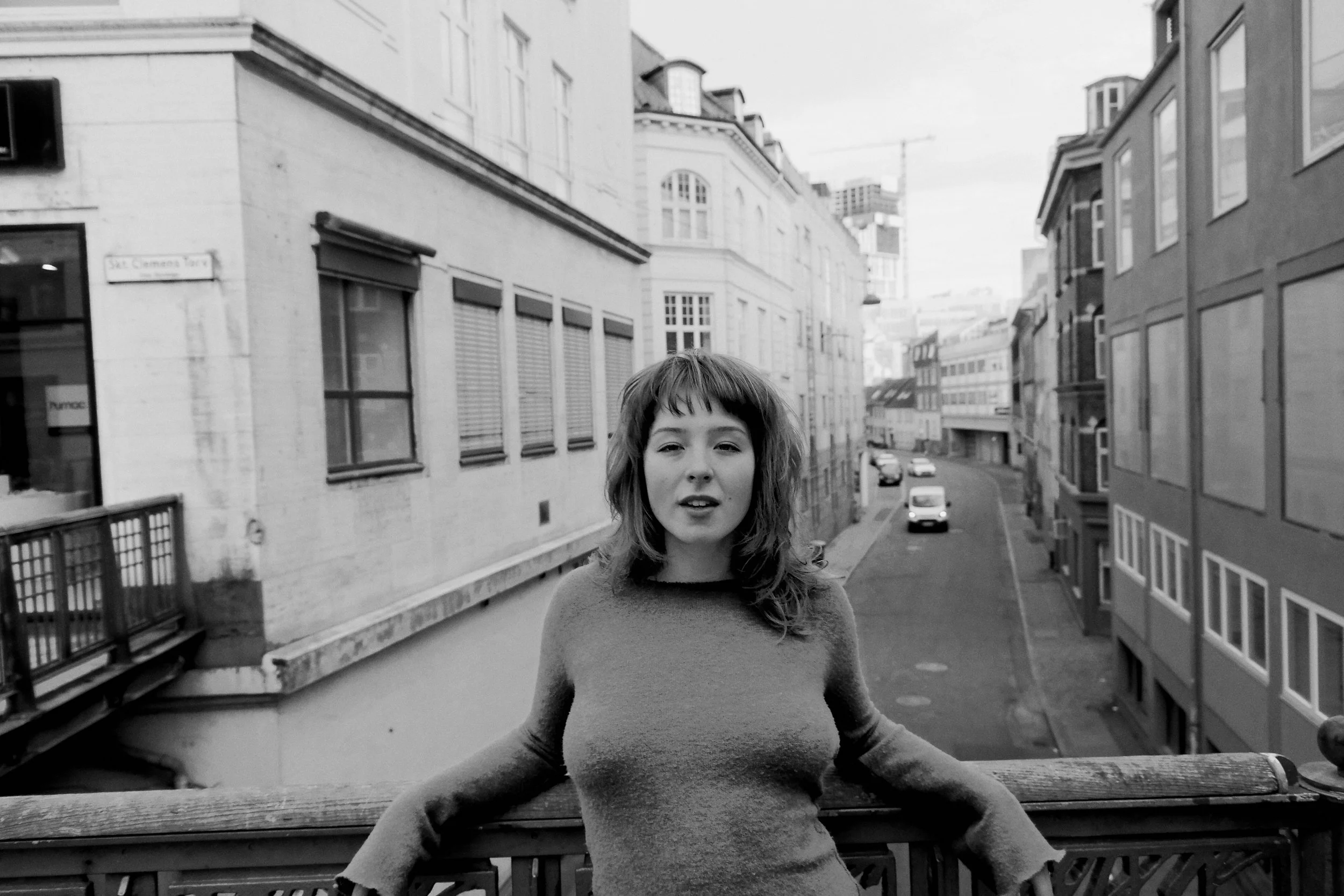
At just 21 years old, Ea Othilde has already established herself as one of Norway's most compelling young voices. Since emerging as a teenager, the Oslo-based songwriter has earned widespread acclaim and multiple Spellemann nominations, all while crafting songs that feel deeply personal and disarmingly honest. Her latest EP, You'll Leave the City, finds her embracing a more direct and guitar-driven sound, with shades of shoegaze and alternative rock sitting alongside the intimate songwriting that has defined her work from the beginning. We caught up with Othilde to discuss writing as a form of emotional release, the pressures that came with early recognition and why she hopes listeners above all else come away believing in the sincerity of her music.
For those unfamiliar with your music, can you tell us who you are, where you’re from and about the music you make?
My name is Ea Othilde. I’m 21 and work as an artist and songwriter in Oslo, Norway. I make alternative rock music, sometimes leaning towards shoegaze. I’ve been releasing music since I was 17, and I feel like I’ve grown up within the music scene of Oslo. Writing music is a very personal process to me. I write about my life and people around me. Writing lyrics and composing music is my way of going through life. I’ve been heavily inspired by musicians like Elliot Smith, PJ Harvey and Radiohead. Listening to their music has shaped the way I write lyrics and the way i want to produce my songs. I released my debut album last year and just released an EP called You’ll Leave The City.
Your new EP You'll Leave the City feels more direct and guitar-driven than your previous work. What drew you towards that sound?
The sound of this EP is a direct result of the circumstances surrounding its writing and production. After releasing my debut album last year, we had a handful of demos that we wanted to finish and release. Together with Hans Olav Settem and Marit Othilie Thorvik, I spent two weeks in Florence working on those songs while also writing and recording new material. During that time, we worked intensively in the studio, writing and recording this EP. The sound became more stripped back, built around guitars, drums, bass, vocals, and the lyrics we wrote. The songs came to life over a very short period of time. To me that gave the music a sense of rawness.
The EP explores the uncertainty that comes with your early twenties. Was there a particular moment or feeling that acted as the starting point for these songs?
I think it’s very entertaining to read reviews about my music, exactly because people have their own interpretations about what the music is about. I write very personal lyrics. My songs are about specific events, stories and people. That means that when I write an album or an EP, it doesn’t have an overall theme. The songs are about different things that have happened in my life during my writing-process. I could tell you every detail about what’s behind every song, but that would be very long and a bit too personal. My point is that the EP is not about uncertainty in your early twenties in general. But I am in my early twenties, and I experience things that most people can relate to about being in your early twenties. And then I write music about my experiences.
Relationships, insecurity and longing run throughout the record. Did you find writing about those subjects cathartic, or did it sometimes make things harder to process?
Writing songs is my way of processing emotions. I was writing music long before I started working as an artist, and it has always been a way for me to put my feelings into words. In that sense, writing lyrics is almost always a cathartic experience for me, and that’s why I do it.
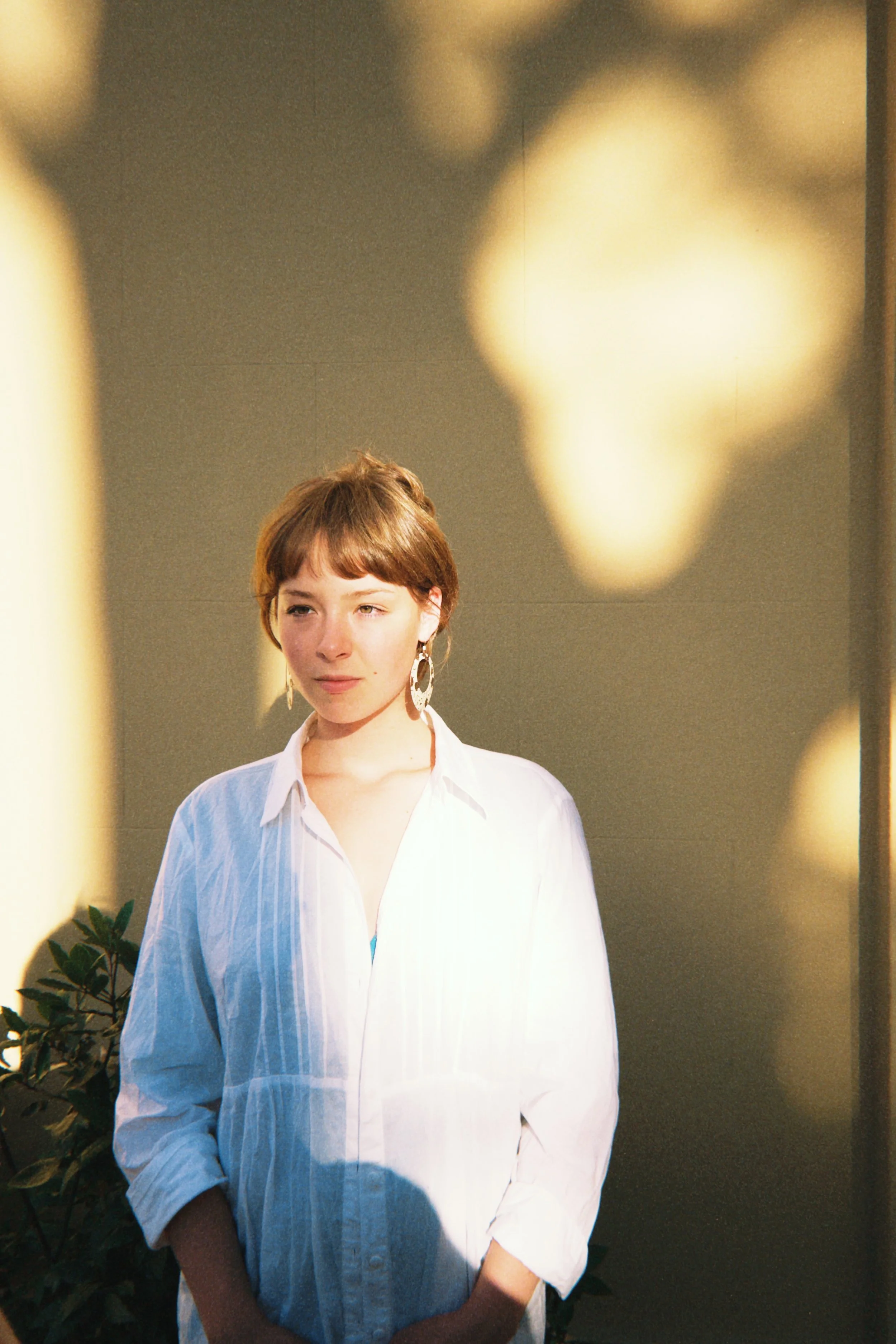
You’ve already received Grammy nominations in Norway at a young age. How have those experiences affected your confidence and expectations of yourself?
First of all I feel very thankful to receive such attention for my music. It’s special to know that people appreciate what I make. Receiving such attention when I was younger, and had just started releasing my music, was a very special experience. It felt surreal, because I had no idea of what to expect from the industry. I didn’t know it, I only knew the people I worked with and the life I had with them. I remember one periode of time I was struggling with a heavy writer's block, and I think it was because I was feeling a bit under pressure after my first Spellemann nomination (Norwegian Grammy). I actually wrote a song about it, it’s called I’m Not A Writer. I wrote “don’t you wish you never opened your mouth? I silenced myself, I messed up.” But overall it’s the biggest honor to receive such good words about the music I write.
There are touches of alternative rock and shoegaze across the EP. Were there any records or artists you found yourself returning to while making it?
I was listening a lot to Bar Italia and their album Tracy Denim when we were writing and recording the EP. The sound on that album is a big reference for our production. Especially their song Nurse. I listened to it over and over again. I fell in love with the sound of the guitars in that song, and how they change between different voices. 7. ‘Florence’ found listeners all over the world very quickly. What was it like seeing that song resonate far beyond Norway? It was really crazy to see how people were listening to Florence from different places. After having my main base in Oslo since the beginning of my artist career, I’m longing to reach people outside of Norway. I would love to play concerts around Europe in the coming years.
You worked with producers Hans Olav Settem and Marit Othilie Thorvik, while Mikko Gordon handled the mix. What did each of them bring to these songs?
I’ve been working with Hans Olav Settem and Marit Othilie Thorvik from the beginning. They brought me into this music-world and have taught me everything I know about this industry. My artist project is shaped by us three working together. They mean everything to me and to my music. This was the first time we didn’t do the mix ourselves. It was such an honor that Mikko Gordon wanted to mix the EP. We felt like he really understood our vision of the music. He completed the sound of the EP in the best way and it was such a pleasure to work with him.
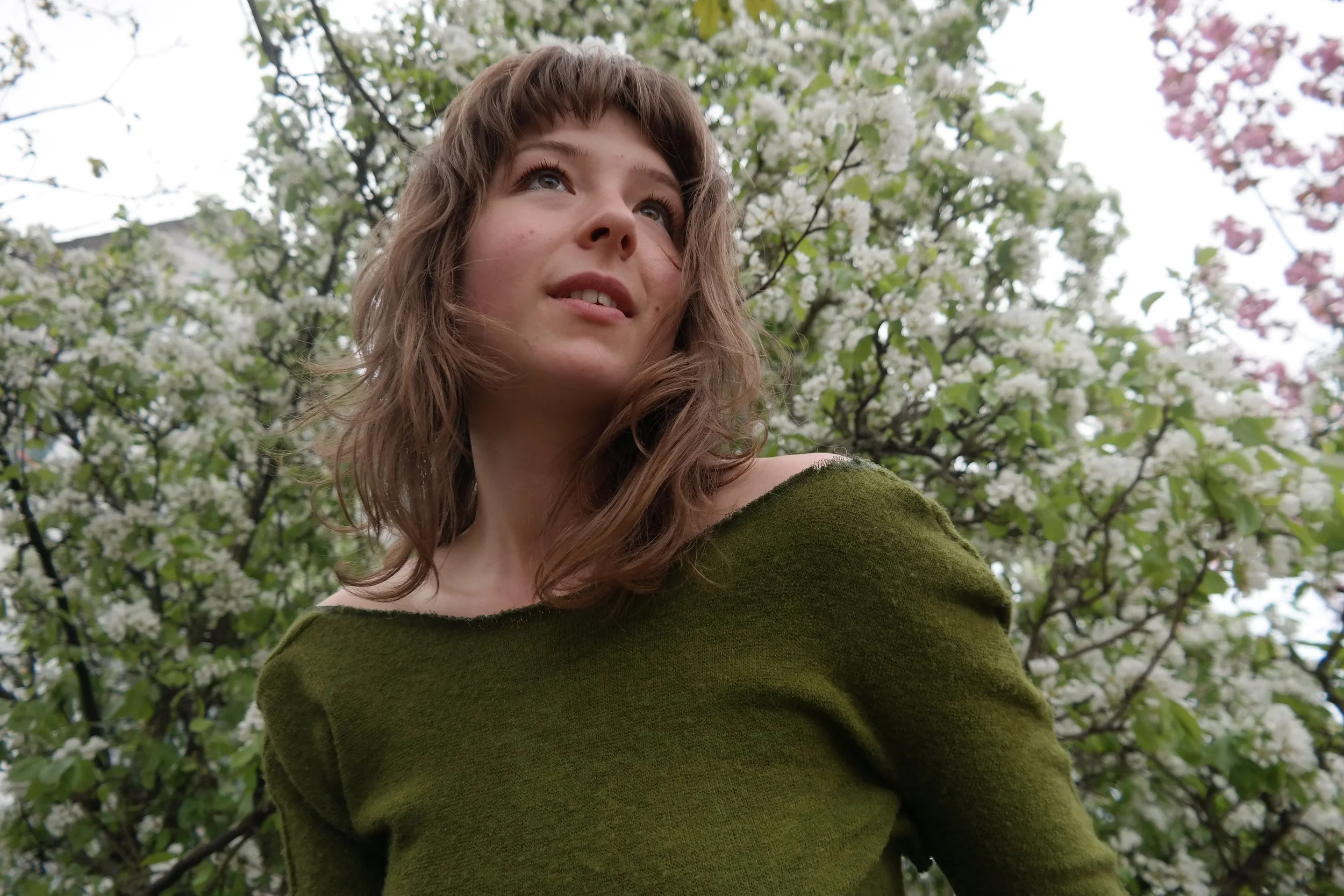
Despite the bigger sound, there’s still an intimacy to your music that feels very personal. How do you decide how much of yourself to reveal in your songwriting?
My songs are very personal. I write music because I need it. It gives me a feeling of relief. But that also means that I feel very vulnerable when I release it. Especially because I know that people around me will understand what it is about. A lot of the time I feel like my music is more honest than I am in person. So I feel like my songs reveal things I wouldn’t necessarily tell people face to face. But I would never hold things back for that reason. My motivation for writing music is to express myself. Sometimes it feels like an indirect way of talking to people.
You’ve played festivals like Øyafestivalen, Pstereo and by:Larm. Has performing live changed the way you think about writing and arranging songs?
Yes, in some ways playing live has affected the way I write and produce music. When I started writing music, and in the very beginning of my artist career, I really completed the songs I wrote. I remember I thought it was difficult for me to imagine the production of the song, because to me the song was already finished with guitar and my voice. But after working a lot with production and playing live, I leave more and more up to the musicians. The musicians play a big part in arranging the music both when we record and when we play live.
The EP’s title, You'll Leave the City, suggests movement and change. What does that phrase mean to you personally?
The title of the EP, You'll Leave the City, is a phrase from the song I Forgot You. That's where the title comes from. I like using sentences as song and album titles because they leave more room for interpretation. We named one song on the EP Florence and another City of Love. I thought You'll Leave the City fit well with those titles and gave the EP a sense of melancholy and nostalgia.
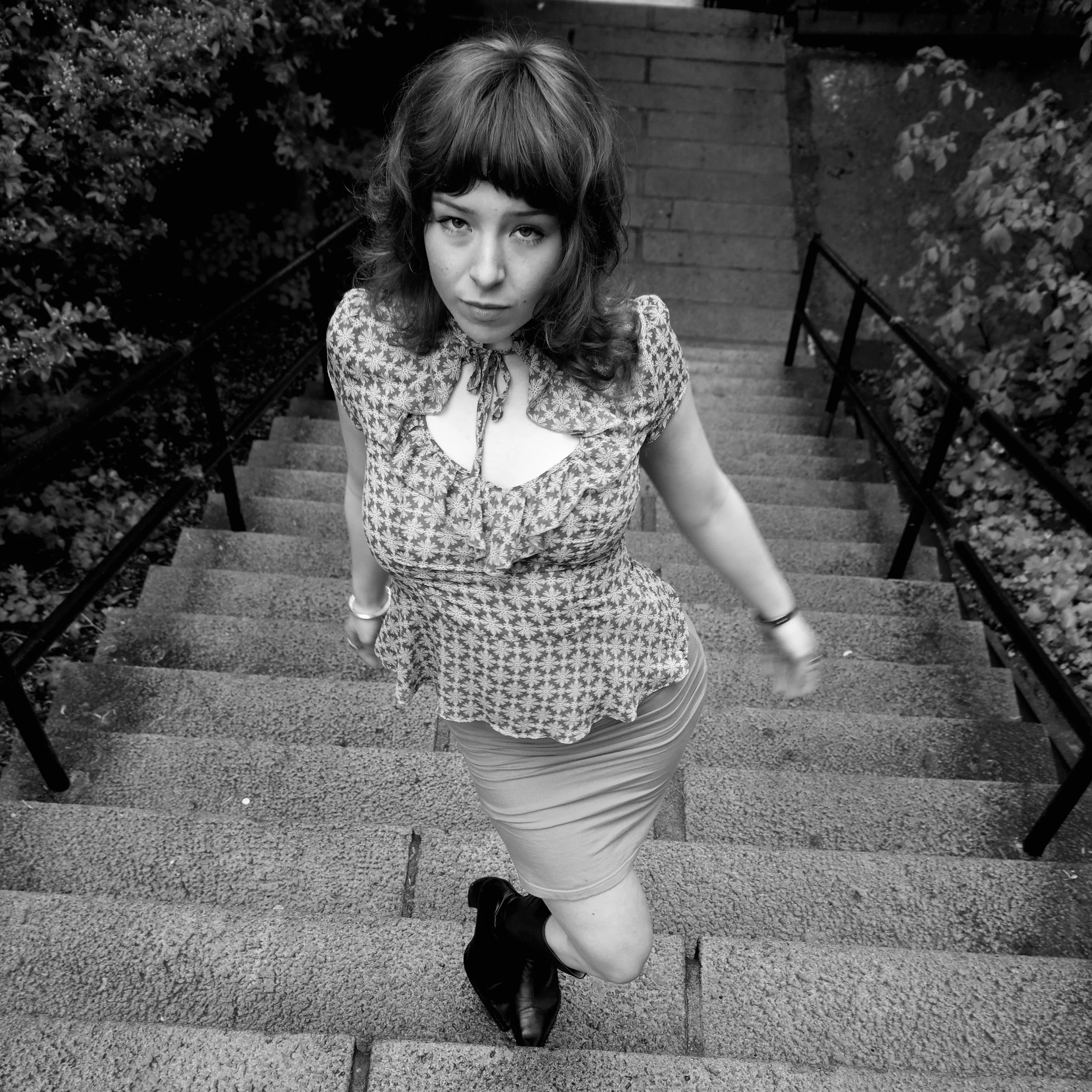
What do you love right now?
Right now I’m really enjoying the summer in Oslo. My life here is usually very busy, but now for the summer vacation I have time to enjoy the city and my people. It’s a beautiful city during the summer.
What do you hate right now?
I don’t really hate a lot of stuff. I’m really a yes-person. There are things I don’t like, but I can’t think of anything I hate right now.
Name an album you’re still listening to from when you were younger and why it’s still important to you?
I like to go back to “New Moon” by Elliott Smith. I used to listen to this album a lot when I was in high school. I love the songwriting of Elliott Smith and this is my favorite album of his. I have covered the song “High Times” from this album countless times in concerts.
When someone hears your music for the first time, what do you hope sticks with them?
The most important thing to me about my music is that it feels real. So I hope people are left with that feeling-that my music is real. That it's motivated by, and written to express, genuine emotions.