
Start Listening To: Frankie Archer
Frankie Archer discusses reshaping centuries-old folk songs into something fierce, physical and futuristic on her debut album The Dance of Death.
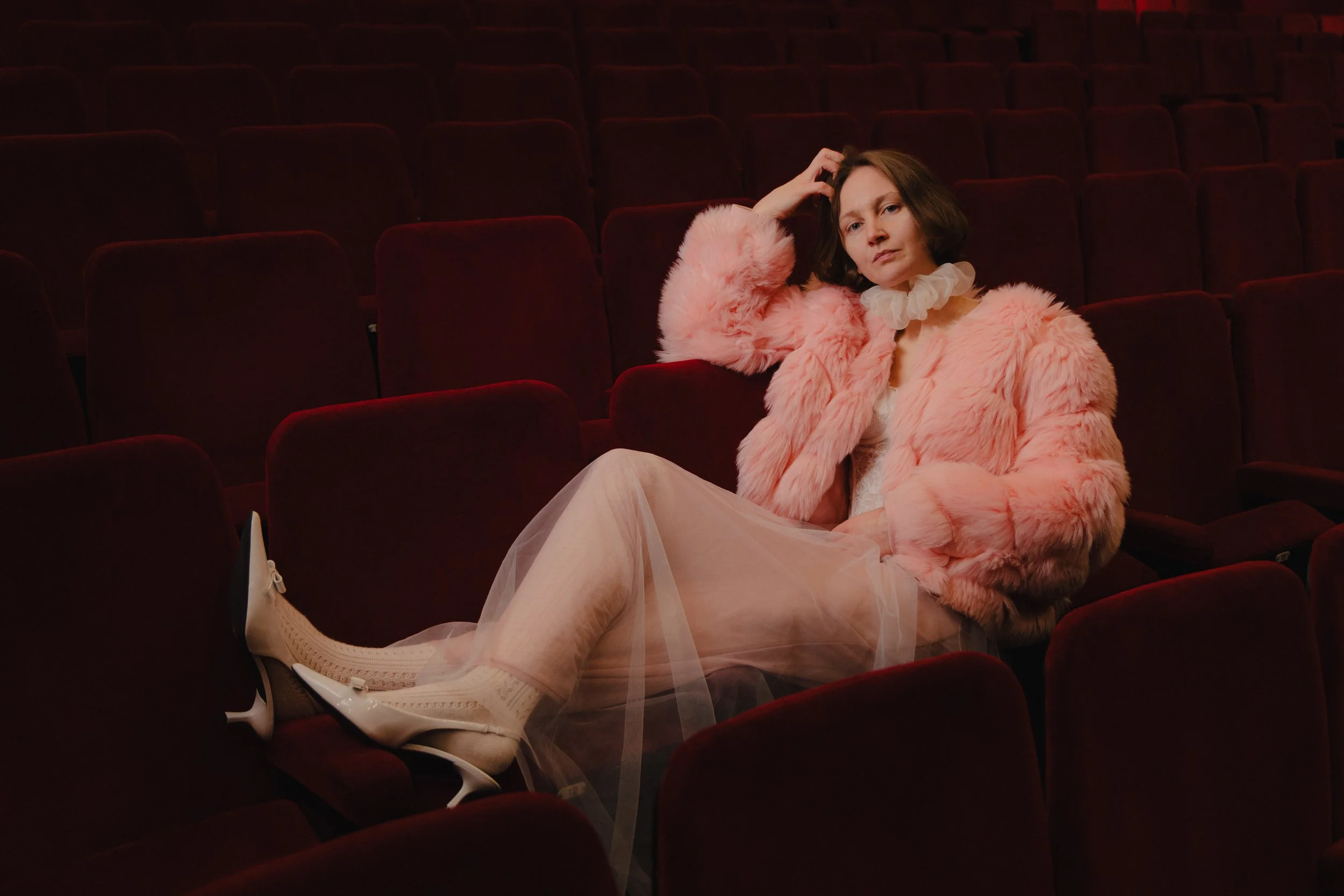
There’s something thrillingly untamed about the way Frankie Archer approaches traditional music. Drawing from centuries-old ballads, medieval texts and Northumbrian folk melodies, Archer rebuilds them into towering electronic compositions filled with synths, drum machines and immense physical energy. Her debut album The Dance of Death never feels like a museum piece or a reverent update of the past; instead, it sounds alive, volatile and completely modern. Across the record, themes of mortality, obsession and identity collide with rave-ready production and cinematic intensity, creating a world that feels both ancient and futuristic at once. We caught up with Archer to talk about instinctive production, challenging the hidden meanings inside traditional songs, working with legendary producer Guy Massey, and why people are increasingly turning back towards older stories in a hyper-online age.
For those unfamiliar with your music, can you tell us who you are, where you’re from and about the music you make?
I’m Frankie Archer, and I’m from Consett in the North East of England. I take very old traditional words, tunes, songs, and build them into a totally new sonic world. There’s plenty of synth, drum programming and riffs, alongside fiddle and my quite trad-sounding vocals.
Your music feels rooted in tradition while also sounding incredibly modern. What first drew you towards blending Northumbrian folk with electronic production?
I never set out to blend traditional music with electronic production, it was kind of born from necessity. The first couple of songs I created had loads of layers and I wanted to play them live, so I did a lot of research and bought a sampler-sequencer. It’s a bit of gear that’s made for EDM really, so playing around with that opened up so many possibilities for arranging and manipulating sounds, and led to my music sounding like it does.
The title track ‘The Dance of Death’ turns medieval imagery into something that almost feels like a rave anthem. What was the process of translating those old themes into such a high-energy track?
First, like most of the time, it’s about whittling down the words to the ones that are gonna tell the story best. The John Lydgate version of The Dance of Death has 82 stanzas so some had to go! Then I patched together the melody from different versions I found online, and added my own bits. Once the vocal line was down then I made this really simple but catchy, hooky synth riff and some big percussion. I knew I wanted this song to be punchy, catchy and kind of insane and the riff does that. I often put a new chorus in old songs and for this one I just went with a repetitive chant of ‘dance, dance, dance’ to make it even more dizzy and maddening. And that was it! I took it to the studio and me, Fran (Mezanmi) and Guy Massey worked together on getting the sounds and effects right to cook it into something beastly and huge.
A lot of the songs on the album deal with mortality, obsession and loss. Did spending so much time with those traditional ballads change the way you think about those themes personally?
For me the album, and The Dance of Death in particular, took me straight back to the YOLO era because that’s kind of what the song’s saying. Well, in medieval times it’s saying ‘you only have one chance to get to heaven so behave yourself’, but without the context of religion or the promise of an afterlife it’s kind of reminding you to live your life the way you want to before it’s too late. Overall it just reminds me of how precious and fragile human life is.
Folk music is often treated very carefully or traditionally, but your approach feels much more fearless and producer-led. Did you ever feel resistance to pushing these songs into stranger territory?
I am treating these songs carefully in that I do a lot of work to make sure I don’t misinterpret them by looking at them too simply. But in terms of the sounds that I use to present these songs, absolutely anything goes. I do not want for one second to restrict myself and my music by sticking to norms, and that’s not how my mind works anyway. When I’m creating I don’t know what I’m led by, but wild ideas come to me and I just know they are meant to be for that particular song.
There’s a really physical energy to your music, especially with the drum machines, synths and processed vocals. Were there any artists or records that helped shape the sonic direction of this album?
There are so many incredible producers I look up to and am no doubt influenced by. Björk, Caroline Polachek, Sofia Kourtesis. Moonchild Sanelly’s power, James Blake’s tenderness, All of these have made my music what it is.
Working with Guy Massey must have brought a fascinating dynamic to the record. What did he encourage in the studio that maybe pushed the album further than you originally imagined?
Guy was everything that the album needed, and everything that I, as an artist, needed. I arranged the songs at home and then brought them to the studio where me, Guy and Fran (Mezanmi) produced them further and made them what they are now. Guy and Fran brought this really positive, open playfulness to the studio. It made me feel like every idea we tried would be magic, and most of the time it was. Things just flowed and fell into place, nothing felt forced. What Guy was really good at, as well as mixing and mastering the whole thing to sound incredible, was gently pushing me to do more than I might have felt brave enough to do. We need a bass line. I don’t really play it but Guy’s there handing me the bass saying ‘yeh give it a go, it’ll be great!’ and before you know it I’m playing bass on the album and it sounds fucking lush!
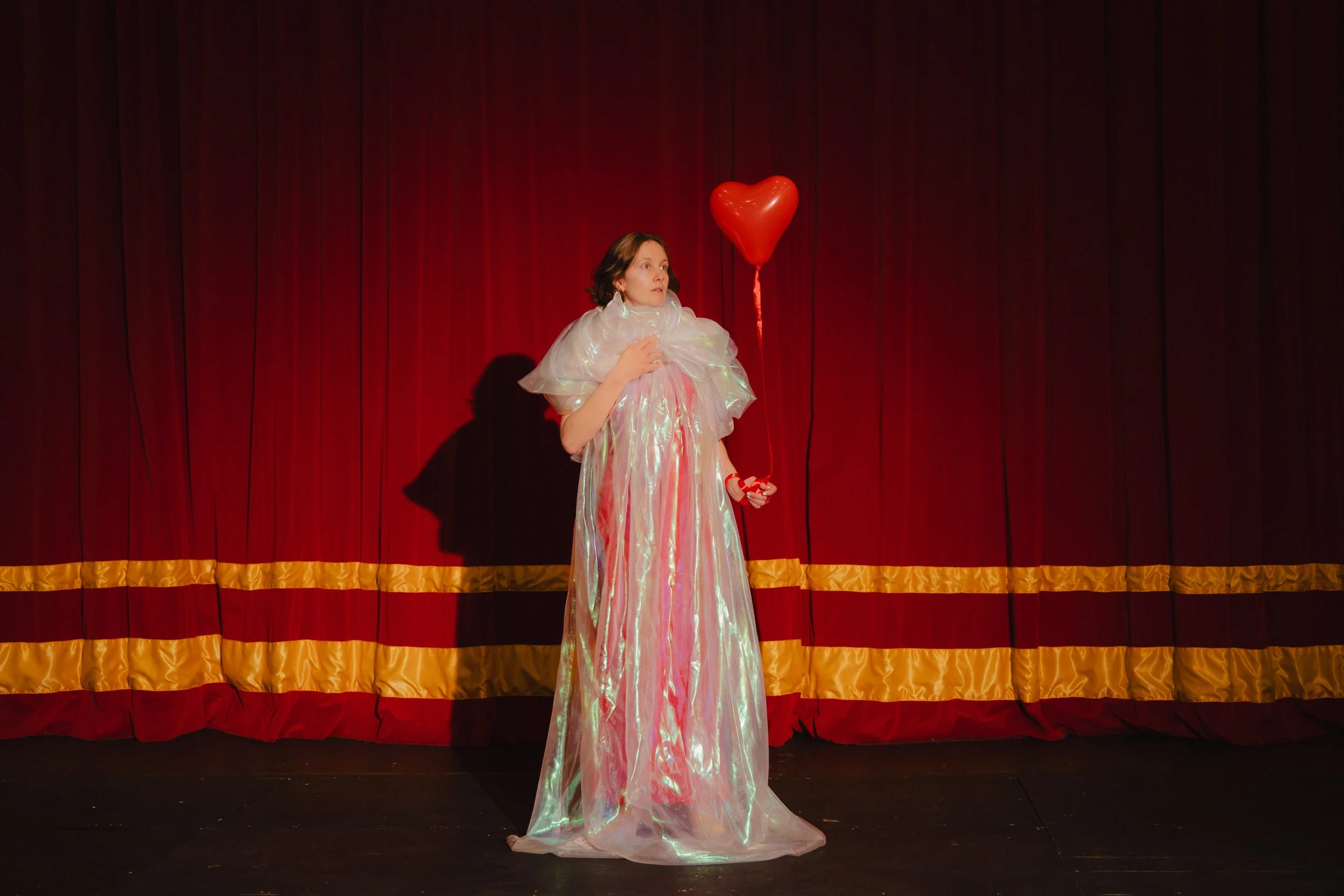
Tracks like ‘The Unquiet Grave’ and ‘The Demon Lover’ have existed in various forms for centuries. How do you decide what parts of those stories stay intact and what gets reimagined?
For me this is both instinctive and really carefully thought out. Certain words and lines just feel right, they stir me and that tells me they need to be in there. And another part of the process is unpicking - why is that line there? Why is it said in that tone or from that perspective? What’s the unwritten message that’s hidden between the lines? A lot of the time in traditional songs the hidden message is misogyny, and often perpetuates harmful ways of thinking. So I carefully challenge these, present them in a new way or add new lines to flip perspectives.
Your music often feels cinematic and immersive rather than simply “folk songs with electronics added”. When you’re producing, do you think visually or emotionally about the worlds you want listeners to step into?
No, not really. In terms of the sound world I’m creating, everything after the lyrics and vocal melody feels instinctive. The visuals come later, when I’m listening to what I’ve created often I get strong visual ideas for music videos or photoshoots.
You’ve had an incredible rise over the last couple of years, from Glastonbury to Later… With Jools Holland and the BBC Proms. Has your relationship with live performance changed as audiences have grown?
I was SO fresh and wobbly when I first started performing. I practised a lot, to get fluent with my sampler and synth, and to manage playing those whilst playing fiddle and singing. I still was so new though. I had barely been gigging a year when I performed on Later… with Jools Holland. It was insane. Now, I’ve got my band, Amy Thatcher on synth and Francesca Knowles on drums, so I’m not tied to the table managing synth/sampler. It feels amazing. I’m free to perform more and give the songs the theatrical element they need.
Folk music has always evolved through reinterpretation and retelling. Do you see yourself as continuing that lineage, or does the term “folk” sometimes feel limiting to what you’re doing?
“Folk” is tricky to talk about. For me the term “folk” is more of an aesthetic now than a movement. I see myself as a trad musician, definitely, because I work with traditional words and melodies. And I am continuing the lineage of people tweaking and passing on traditional songs. The world has changed a lot since these songs were first sung so it feels right that they should be seen in a new light.
The album feels deeply connected to the past while also sounding futuristic. Do you think people are craving that connection to older stories and traditions more right now?
I think there are a lot of people who are resonating with old stories, songs and traditions, and offline ways of connecting at the moment. New technology used to mean hope and excitement and new creative possibilities. It still does in ways, but with sinister AI, extreme online misogyny and doomscrolling it feels like the wheels have come off and people are thinking ‘this isn’t fun any more’.
What do you love right now?
TOMORA’s new album COME CLOSER
What do you hate right now?
Billionaires dismantling our empathy
Name an album you’re still listening to from when you were younger and why it’s still important to you?
A Certain Trigger by Maxïmo Park. It was the first time I heard a North East accent in popular music. I didn’t know it at the time but that album taught me that I don’t need to change my accent to make music that people will love.
With ‘The Dance of Death’ finally about to be out in the world, what do you hope people take away from the album after sitting with it from start to finish?
That’s up to them. I just hope they sit with it from start to finish.