
Start Listening To: Vera Daisies
Paris-based Vera Daisies answers our burning questions about the pain and payoff of producing on digital platforms, her unconventionally fruitful live career pre-release, and more.
As memories of COVID-19 begin to rust, so do those of our teenage selves’ desperate attempts to create a digital masterpiece with no training on GarageBand. Fortunately for the more determined amongst us, the enforced hermit arc granted time to emerge back into the world with a set of budgetless yet inspired productions; unfortunately for the genre’s overall reputation, the DIY-spirited digital-garage-rock sound temporarily reverse-engineered itself into a cultural token of germinated mania and a generation with too much time on their hands.
Thankfully, how long the obligatory deferential period stays in vogue is often correlated with the brevity of the shared short-term trend that preceded it. Any self-imposed debts that we had have been paid off in time and ample self-awareness, and digital-pop-rock is finally being rightfully recognized as a genuinely applaudable form of musical colloquialism again.
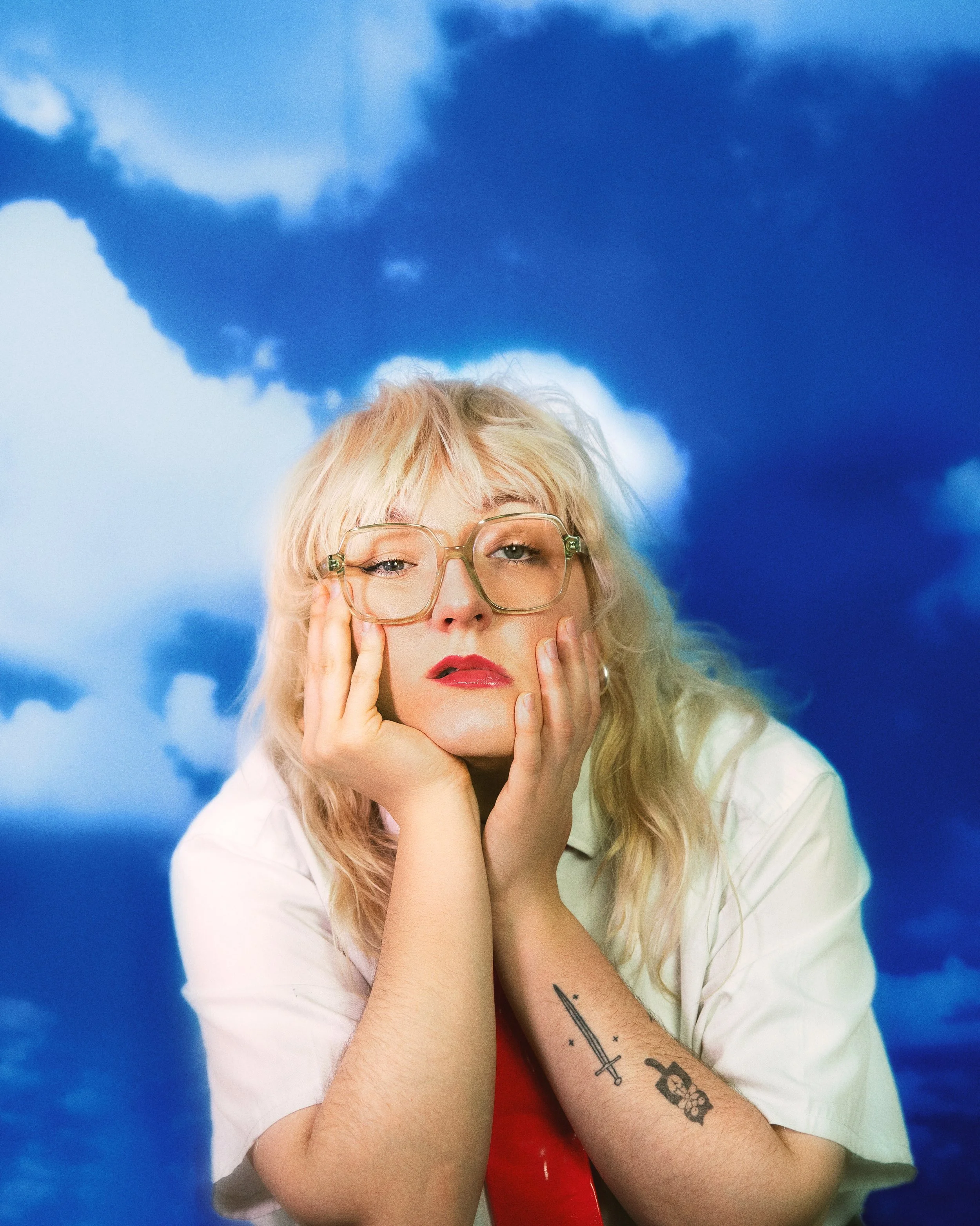
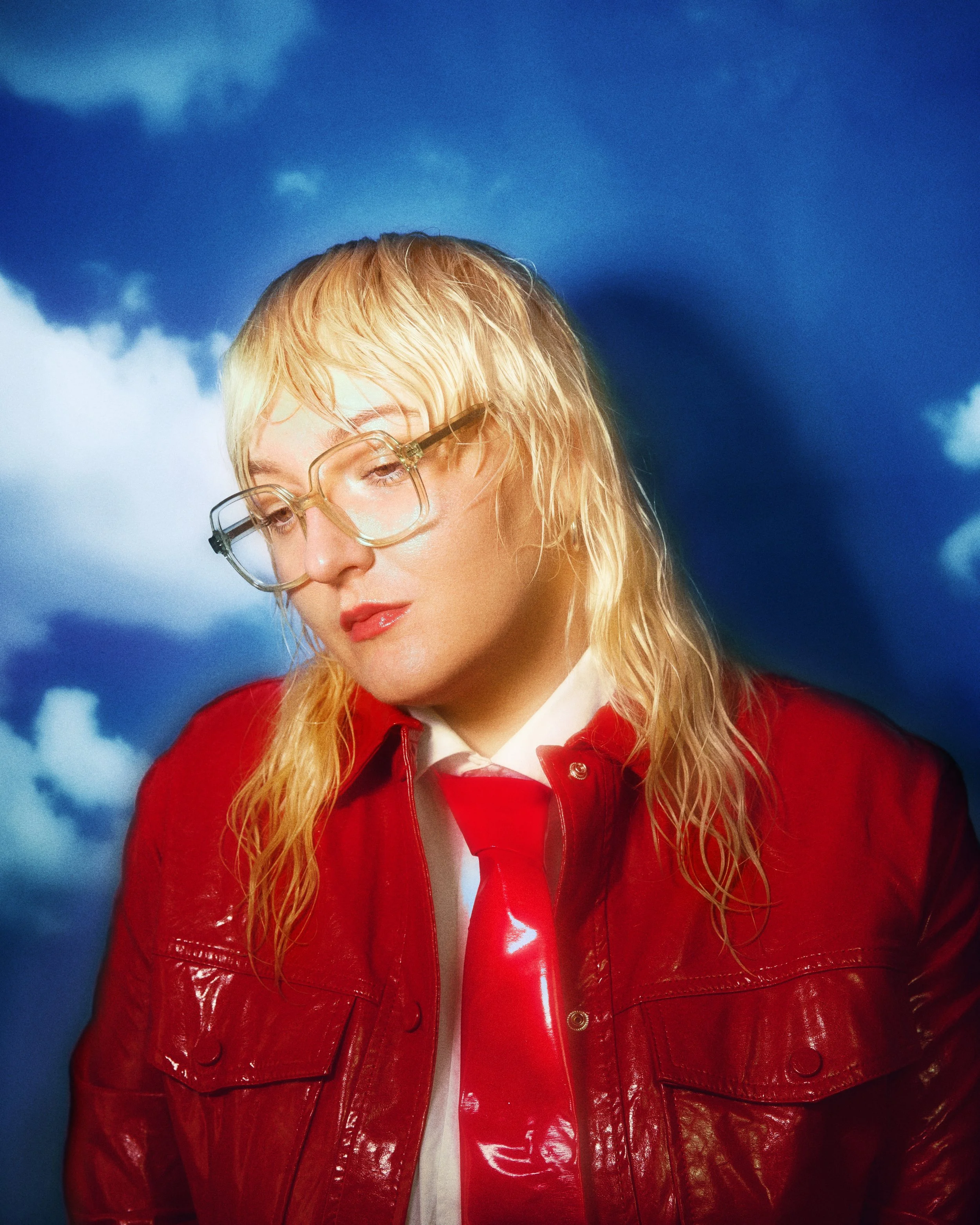
Paris-based Vera Daisies is one of the few amongst us that have pounced upon the hotbed of opportunity that advanced digital platforms have granted artists in recent years in good taste. Though she has been opening for the likes of Angine de Poutrine, Sorry, and The Libertines since 2021, her breakout EP ‘Clever Girl’ was released in early 2026. Working in part with Alex Farrah (MJ Lenderman, Hotline TNT) on the project, ‘Clever Girl’ flays through expectations of what an artist with little preexisting digital footprint ‘should’ be: the project is a controlled riot of nimble, liquidated melodies spilling around hollow steel bars of electric guitar, spatterings of digital production maximalism, and occasionally pedantic avant-pop precision tie it all together. I caught her at The Great Escape to chat about moving from solo production to working with a producer, building a live reputation before putting out music, and the unexpected merit of self-imposed creative limitations.
Your native language is obviously French, but you write a lot of music in English. In what ways do you find this affects the result of lyricism or the songwriting process?
French is very… monotonic. With French lyrics, I would focus more on the meaning instead of English-written songs, where you would focus on rhythm and melodies. I feel like the words in English are more rhythmically interesting, too.
What are some unexpected influences that inform your sound, but may not be obvious to the average listener?
I would say illustration in a way, because I’m also an illustrator - that’s a bit unexpected. I feel like I’ve always been more mature in the illustration process, especially when I was mostly writing songs as a teenager for the look of it. At some point, though, some old guy told me I would succeed more in illustration than music; that’s when I decided, little by little, to join my two passions and make something that really is me without concession. So I would say I felt secure and legit in illustration, and I tried to bring that artistic legitimacy into the music.
What made you want to work with the main producer that you did on “Clever Girl,” and why did you think she was a good fit to shape your sound?
I started doing the production myself, learning Ableton just to sing music basically. I learned so many things, but at some point, I was stuck on the songs I’d been working on. So I called my friend. She is a French artist called Gigi. We went to the studio, we recorded the guitars and some bits of the songs I produced.
In what ways do you think her style was different from your original vision?
I’m chaotic. And she’s more into clean production, very precise. And that, I think, was the thing my process lacked - it was great to have the two personalities complementing each other.
That actually leads me to another question that I had. You worked with Ableton on “Chess Game,” you mentioned. For young artists, what do you think the attributes are for using platforms like this? And what would you say some of these setbacks or difficulties are?
I would say the software is not very accessible. It’s just so overwhelming. You don’t really understand what’s happening at first, yeah - but once you get into it, it’s incredible how you can do so many things. You have so many plugins and effects that replicate the overpriced analog stuff that’s sitting in the studio. But also, I would say when you know too much on those sorts of platforms, the lack of limits hinders creativity. When you can do anything, you just don’t know where to start. You need rules to play with when you write music. It gives the process humanity in a way. I don’t think it’s a bad thing to do electronic music or only focus on electronic and forget about the analog, though; I mean, there’s good everywhere.
Have you ever heard your music be described in a way that surprised you?
So people say my music is very ’90s. I say it myself, but I never actually had a big thing on ’90s music; not even my inspirations are really from the ’90s! Maybe the artists I listen to were inspired by 90s music, and that’s why it keeps being compared to my music?
Are there any artists whose career models inspire you as much as their music does?
Actually, I used to be a big fan of Jack White: and when I like something, I like something. I read so many interviews that he did, and he really inspires me in the music he makes, but also in the creative statements that he says; like I was saying, he also believes in having limits to creativity. I think it was a really big inspiration for me at that time, because having a sort of ‘game to play’ made me more motivated to keep creating.
He (Jack) is an influence on me, but I’m also very inspired by women in general; it’s hard to say who, though, because every woman that I can see making music is very inspiring.
What is a sonic risk you took recently that ended up paying off?
I would say it’s in general being able to live with the fact that people won’t like me, my music, or what I do. It’s a big risk for me. I used to be a very strong people pleaser; but I feel like the more confident I get in my work, the more I’m okay with not being liked.
You’re great. I only interview artists whose music I like. Okay, I saw in a feature about you that the music you make tends to be live-oriented. Can you give me examples of how this plays out during the songwriting or production process?
I used to have a band before, and the band I used to write in French. The booking agent for Tess Parks said she was playing in Paris in a big venue that I love. She asked me, ‘Do you want to do the opening?’ And I was like, ‘Yes’, but I didn’t have music ready for that. It was in two months. So in two months, I just finished the writing and did something for the live show. I never released music until this January, but this first experience with Tess was back in 2021. I opened for so many artists that I love and had many great opportunities, but I never actually recorded music. It was all just in my head still.
Would you recommend artists do that in general? To have an audience before they put music out?
I think some of them, yeah. But I can see as well with Ableton - like we were talking about - some people are more streaming artists and some people are more live artists; but also, some people are both.
One more question: describe your dream record to me. If you didn’t have a budget or any other limitations in mind, what would it sound like? What would it feel like? Who would you work with?
This is going to make me emotional, because I dream of making orchestral music. I love movie soundtracks. I’m a big fan of John Williams. My dream is to animate and create the soundtrack to go with it. I want a record that could be rock music - maybe prog orchestral, but not the kind that is made in really bad taste.