
Start Listening To: Growing Pains
Portland’s Growing Pains talk debut album Daniel Loves Mandy Forever, romantic fixation, fuzzy guitars, Elliott Smith and the enduring magic of Diet Coke Lime.
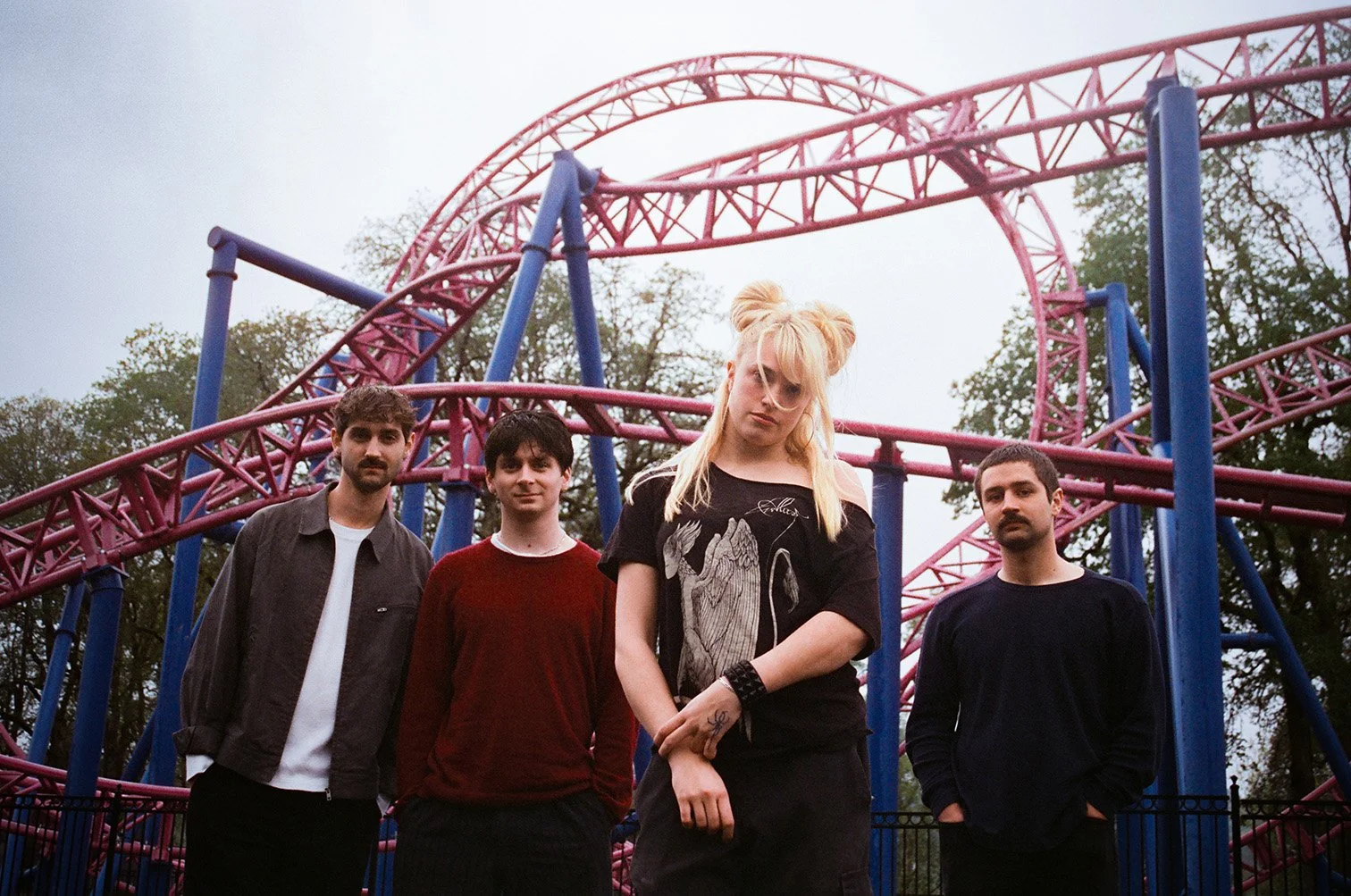
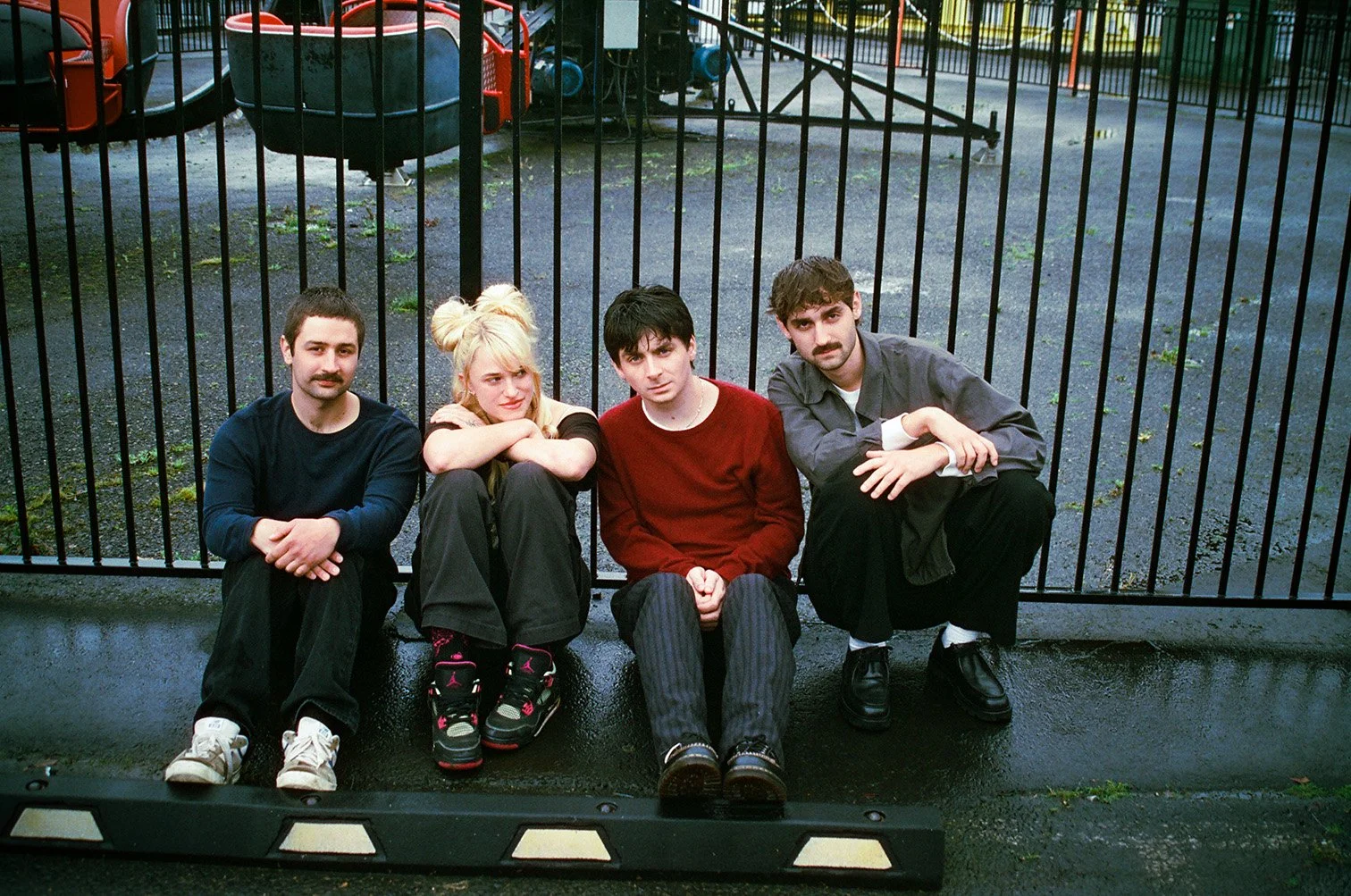
Portland four-piece Growing Pains have spent the last few years turning teenage friendship, shared obsessions and a lot of very loud guitars into something increasingly their own. Their debut album, Daniel Loves Mandy Forever, feels like the point where all of that starts to lock into place: a record full of romantic fixation, emotional overload, dreamlike vocals and riffs that still carry the charge of the band’s earliest days. We caught up with Growing Pains to talk about writing from the edge of language, working with Nathan Tucker, the Pacific Northwest, Eric Rohmer and why Parachutes still matters.
For those unfamiliar with your music, can you tell us who you are, where you’re from and about the music you make?
Kyle Kraft: We’re Growing Pains, from Portland. When we were 15, fate brought us together, and we realised we all loved Joyce Manor and started writing riffs together. Eight years later, we feel so lucky that we get to play those same riffs, and so many new ones, on tour. Our sonic influences come equally from the guitar rock of the ’90s (Jimmy Eat World, Third Eye Blind), and the softer, janglier acts like The Sundays and Cocteau Twins.
You started playing shows while you were still teenagers and have built a real word-of-mouth following over the last few years. Looking back now, did it ever feel like things were building towards this debut album, or has it all happened faster than you expected?
Kraft: Throughout our tenure as a band, we’ve been grateful for so many moments, places, people and times. We can all remember so many special moments that led to the creation of this record and where we are now as a band, and I think a lot of that comes from watching each other grow up. We’ve been a constant in each other’s lives since we were 15, but we’ve got so much closer over the last few years with more touring, extended writing sessions, and just hanging out with each other outside of being bandmates. This record couldn’t have come together without this strong bond that we’ve developed both as friends and as bandmates.
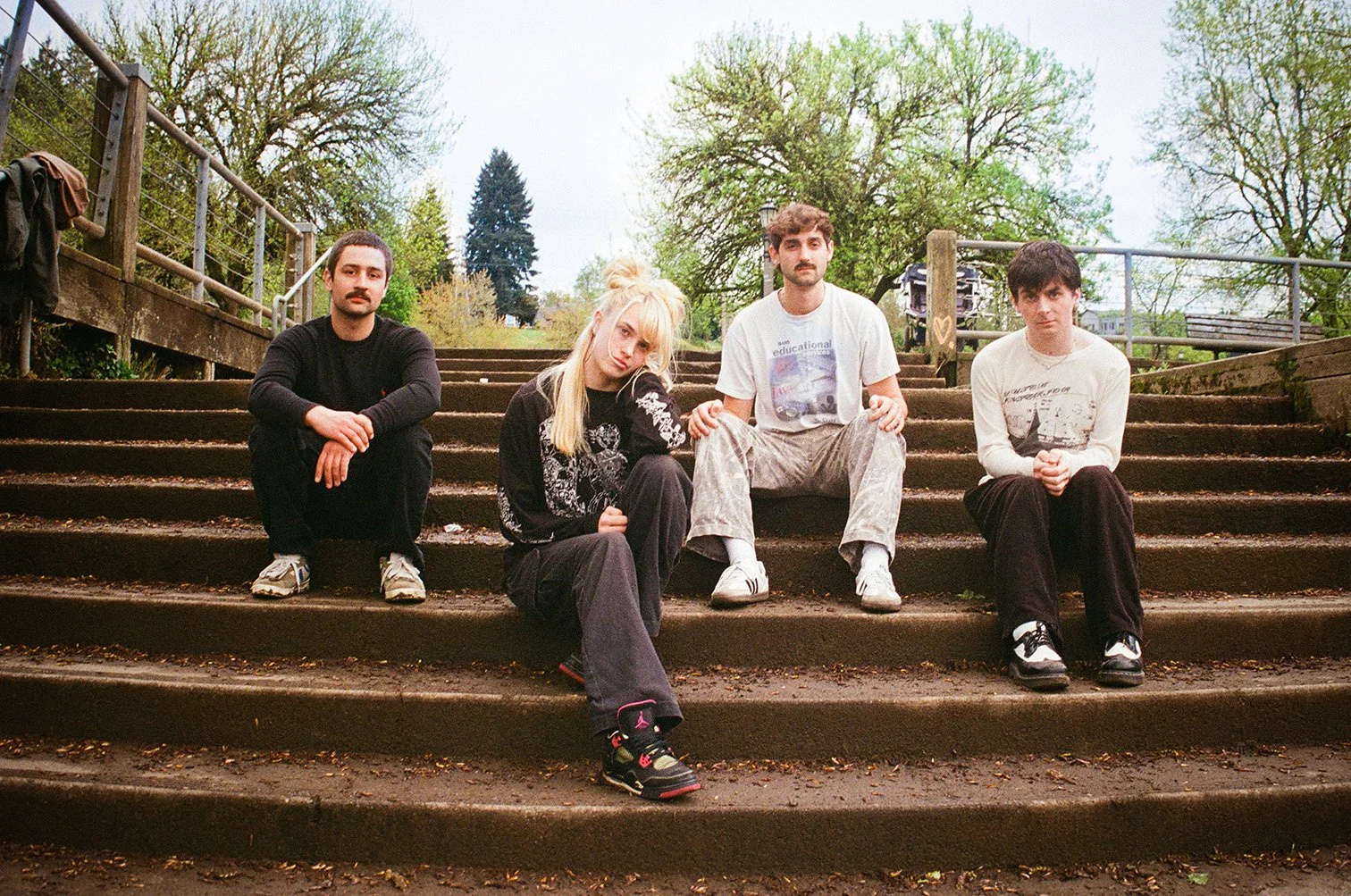
How does it feel to finally have a debut album coming out in the world after spending the last few years refining the band through EPs and live shows?
Kraft: Daniel Loves Mandy Forever feels like the album we always wanted to write, but were never aligned enough in our personal lives to truly do it. Heaven Spots was us just finishing high school, unsure of what would happen with the band next. For Thought I Heard Your Car, we were split across two cities (Eugene and Portland), and we were all living pretty separate lives. Daniel Loves Mandy Forever was truly brought to life when we were all living back in Portland again, and it was the first time we were able to get together and write consistently in a long time. Bits and pieces of the album came together across a ton of different settings: at a 10x10 storage unit in Beaverton, at a remote cabin near Detroit Lake, at multiple studios spread across NE Portland, and in the living rooms and basements of all of our parents’ houses. It’s been over two years since we began recording these songs and we couldn’t be more stoked for the record to be heard.
Daniel Loves Mandy Forever explores everything from near-death experiences to obsessive romance, but treats those emotions with the same intensity. What drew you towards those extremes while writing the record?
Kalia Storer: Life experience and being a generally sensitive, emotional person. I have heard people describe intense social anxiety as feeling like they are being hunted for sport. I think similar brain misconnections have happened to me when faced with the vulnerability that’s laced into my romantic life.
You’ve said these songs come from feelings that can be so overwhelming they almost exceed language. Does songwriting become a way of making sense of those emotions, or simply somewhere to let them exist?
Carl Taylor: We’ve always written songs by coming up with the music first and the lyrics last, so the lyrics are influenced by the music itself. Music and painting feel like the only two mediums that can transcend beyond the power of language. When a feeling or situation lends itself to the creation of a song, it feels like that song is the only way that those emotions can be brought into the external world.
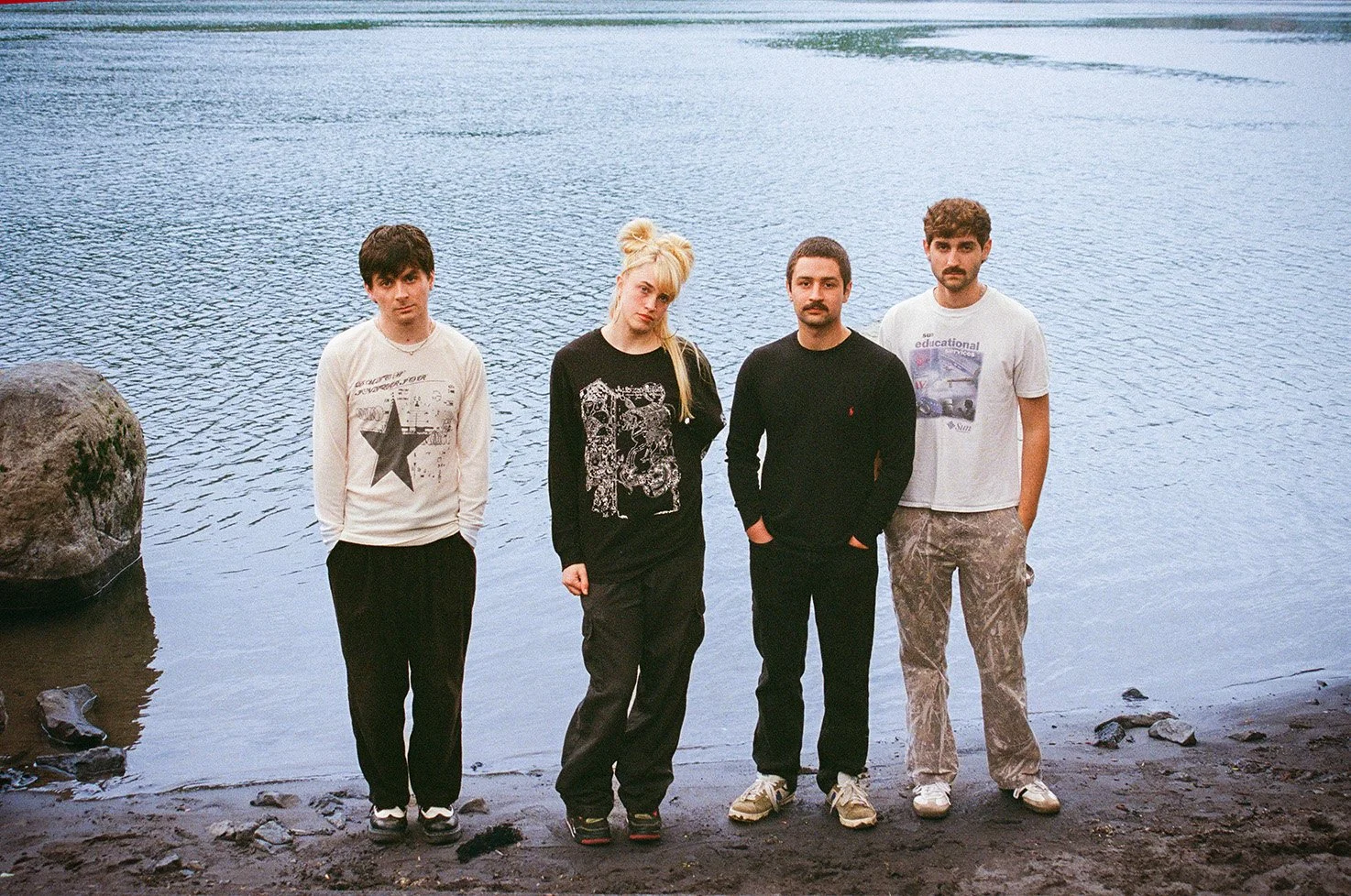
‘Drive’ is such a vivid introduction to the album, bringing guilt, longing and romance into one story. What made that feel like the right song to introduce this new chapter of the band?
Taylor: ‘Drive’ is one of the first songs we’ve written that’s addressed to a specific individual, so it felt like an apt introduction to give to an album that’s centred around romantic fixations. I wrote the lyrics in a transitory state when I was moving from a small town back to Portland. It was my first time driving more than 20 minutes to see loved ones, and I found myself spending a lot of time thinking about how local geography can analogise emotional distance.
Carl, you’ve spoken about ‘Drive’ being inspired by Bruce Springsteen and Roy Orbison. Were there any other artists or records that quietly found their way into the DNA of this album?
Taylor: I spent a lot of time listening to George Harrison’s solo stuff while writing the arrangements on the album. The track ‘Isn’t It a Pity’ served as a kind of guiding light for some of the more orchestral moments on the album, especially on the tracks ‘Crush’ and ‘Bottle Rocket’.
Nathan Tucker has now worked with the band on both Thought I Heard Your Car and this debut album. What does he bring out of Growing Pains that perhaps wasn’t there before?
Taylor: Nathan is a good friend of ours and really understands the importance of referentiality in art. We’ll spend hours with him going down YouTube rabbit holes and sharing influences with each other. Making music is a vulnerable act and you have to be comfortable enough to try out awful ideas to see what sticks. Nathan has become a close friend and we feel incredibly comfortable trying out our most outlandish ideas with him.
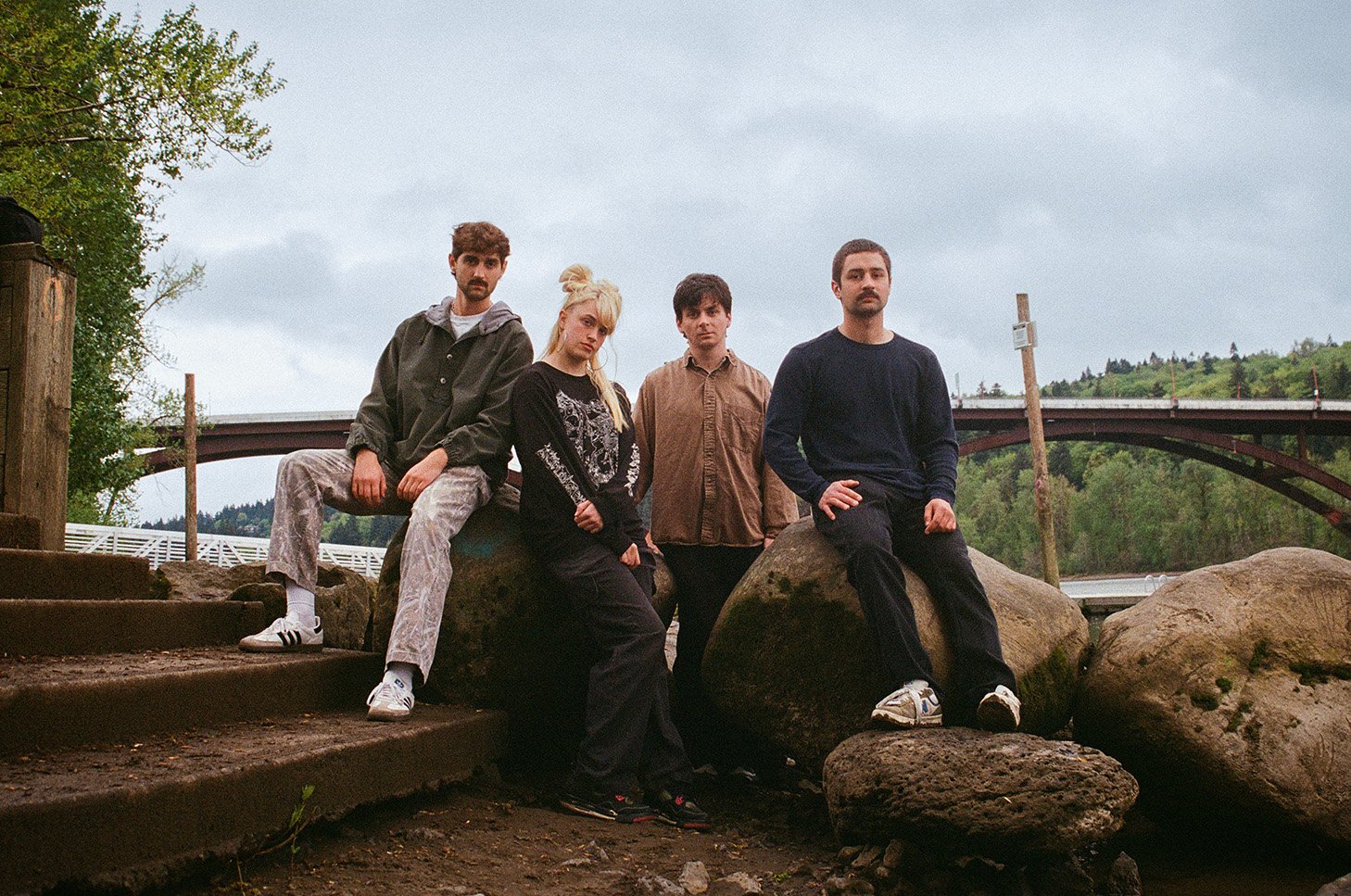
There’s an interesting contrast between the huge, fuzzy guitars and Kalia’s softer, dreamlike vocal delivery. Was that dynamic something you consciously wanted to explore, or has it always been part of the band’s identity?
Taylor: We’ve always written music with vocals being an extension of the music rather than a separate entity. We believe that so much of the meaning of lyrics is conveyed not just in the words themselves, but in the way that they’re delivered. There is just as much meaning and emotion in the delivery of a word as there is in the way a cymbal is hit or the way air emanates from a guitar speaker, so it makes sense for these things to exist in dynamic harmony. We also love My Bloody Valentine so much.
Signing to Photo Finish marks a big milestone for the band. Has joining a label changed anything about your ambitions, or has it simply given you a bigger platform to keep doing what you were already doing?
Taylor: Everyone at Photo Finish is very genuine and incredibly supportive of letting us do what we do best. We’re so grateful for the opportunities they’ve provided, and it’s exciting to have a team of talented people that believe in us and enable us to keep creating songs that we care so much about.
The Pacific Northwest has such a rich history of alternative guitar music. Do you feel connected to that lineage, or is Growing Pains trying to carve out its own corner of that scene?
Taylor: One of our biggest influences for this album was the work of Elliott Smith, and we were really fascinated with the way that Portland and the PNW show up throughout his discography. There’s something special about an artist you love referencing the place you’re from, and we’d love to have that effect on people.
What do you love right now?
Taylor: I’ve been really into the movies and writing of Eric Rohmer recently. He brings together the worlds of the real and romantic in a way that’s really inspirational to our own art. His work is so grounding and empathetic in a way that feels so rare in art these days. Also, the limited-edition Diet Coke Lime flavour is really refreshing. It’s sold out at Fred Meyer, but you can still buy it at certain corner stores.
What do you hate right now?
All: Fake people.
Name an album you’re still listening to from when you were younger and why it’s still important to you.
Taylor: I’ve been really obsessed with Parachutes by Coldplay recently. We take a ton of influence from the chord progressions and harmonic movements on the album.
When someone hears your music for the first time, what do you hope sticks with them?
As a creative person, the greatest honour is learning that you’ve inspired someone else to create something. It always means so much when people come up to us after shows and tell us that they want to learn our songs on guitar or start playing bass, etc. I think there’s a lot of strength that comes with creating something everlasting, and it means the world to inspire someone to do the same.