
Start Listening To: Headaches
Across We’ll Make Our Beds When We Get Home, Mel turns late-night restlessness, avoidance and city-bound dislocation into intimate bedroom pop.
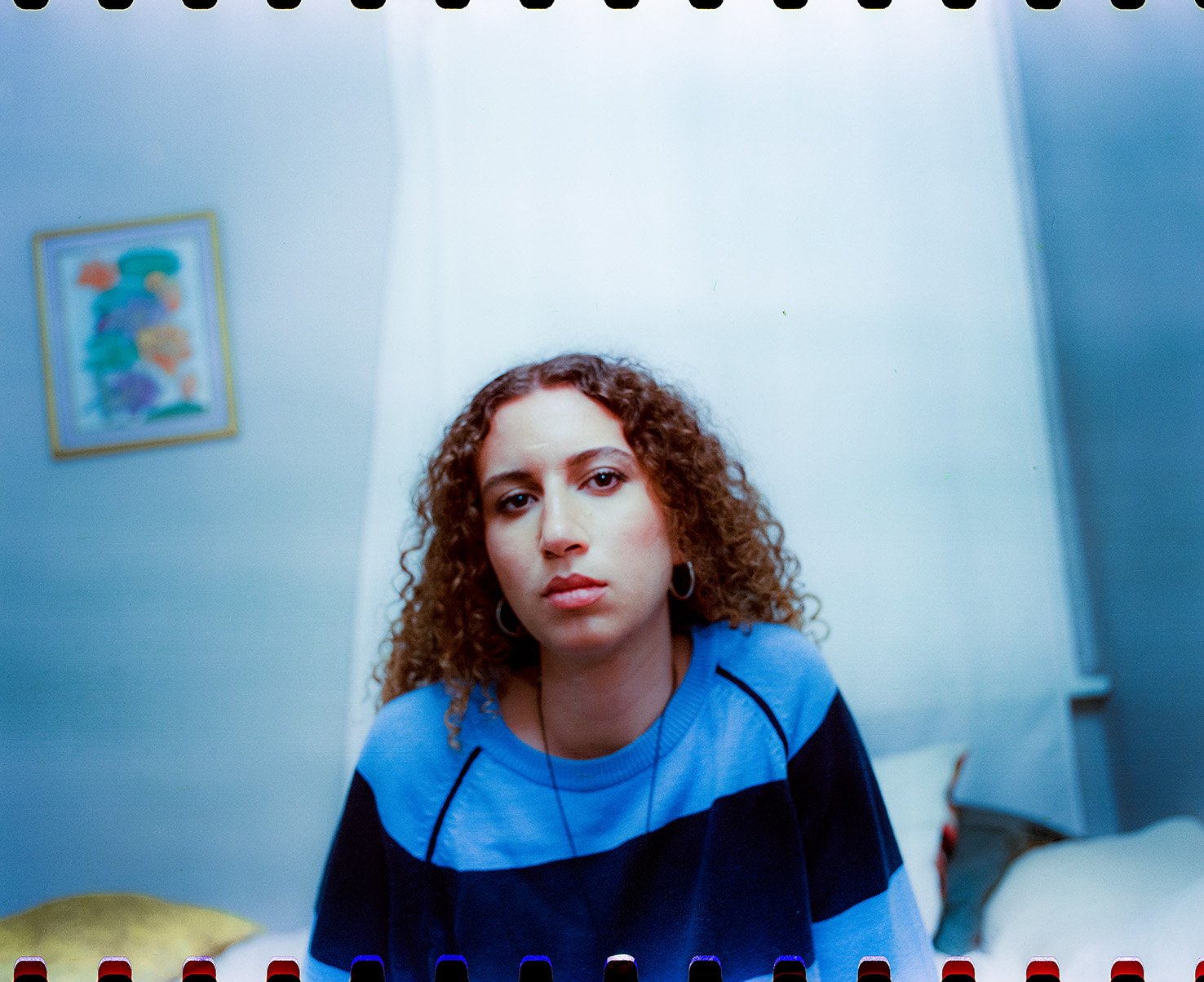
Mel makes music from the in-between moments: bedroom recordings shaped by late-night bus rides, restless patterns, bad dates, self-scrutiny and the strange emotional weather of being young in a city that can start to feel too familiar. On We’ll Make Our Beds When We Get Home, the Gadigal Country-based artist keeps things lo-fi, minimal and confessional, following impulse where it leads while allowing each song to sit with the harder, less easily spoken parts of herself. Here, she talks about writing through avoidance, making most of the EP at home, and why Jeff Buckley and Frank Ocean are still in rotation.
For those unfamiliar with your music, can you tell us who you are, where you’re from and about the music you make?
I’m Mel, and I live and create on Gadigal Country in so-called Sydney. The music I make is quite lo-fi, minimal and confessional. I make most of it myself in my bedroom in the in-between moments of life.
We’ll Make Our Beds When We Get Home is a lovely title. Where did it come from, and what does the idea of getting home mean to you across these songs?
Thank you! The title is a lyric from my song ‘Sweeter Than This’ (the fifth track on the EP). That lyric is kind of a play on the saying about making your bed and then lying in it. I guess it’s about avoiding taking responsibility for your decisions for as long as possible.
You’ve described the EP as capturing the feeling of being young and stuck in the city. What does that look like in your everyday life, and how did it start finding its way into your writing?
It kind of looks like seeing the same faces all the time, not leaving your neighbourhood, repeating old patterns of behaviour, feeling restless and bored. I guess I write about it to feel like I have some sort of control over something.
You wanted this release to be feeling-led, without overthinking its elements. As both the songwriter and producer, how do you recognise when following an impulse is working and when a song needs more attention?
In the initial creation period of the song, I try to just go with my first instincts on things and not force anything. If the ideas are flowing and I’m enjoying creating, then I know it’s worth following those ideas. Once the bulk of the songwriting and basic production ideas are done, then I try to look at it a bit more analytically in terms of what further work the song needs.
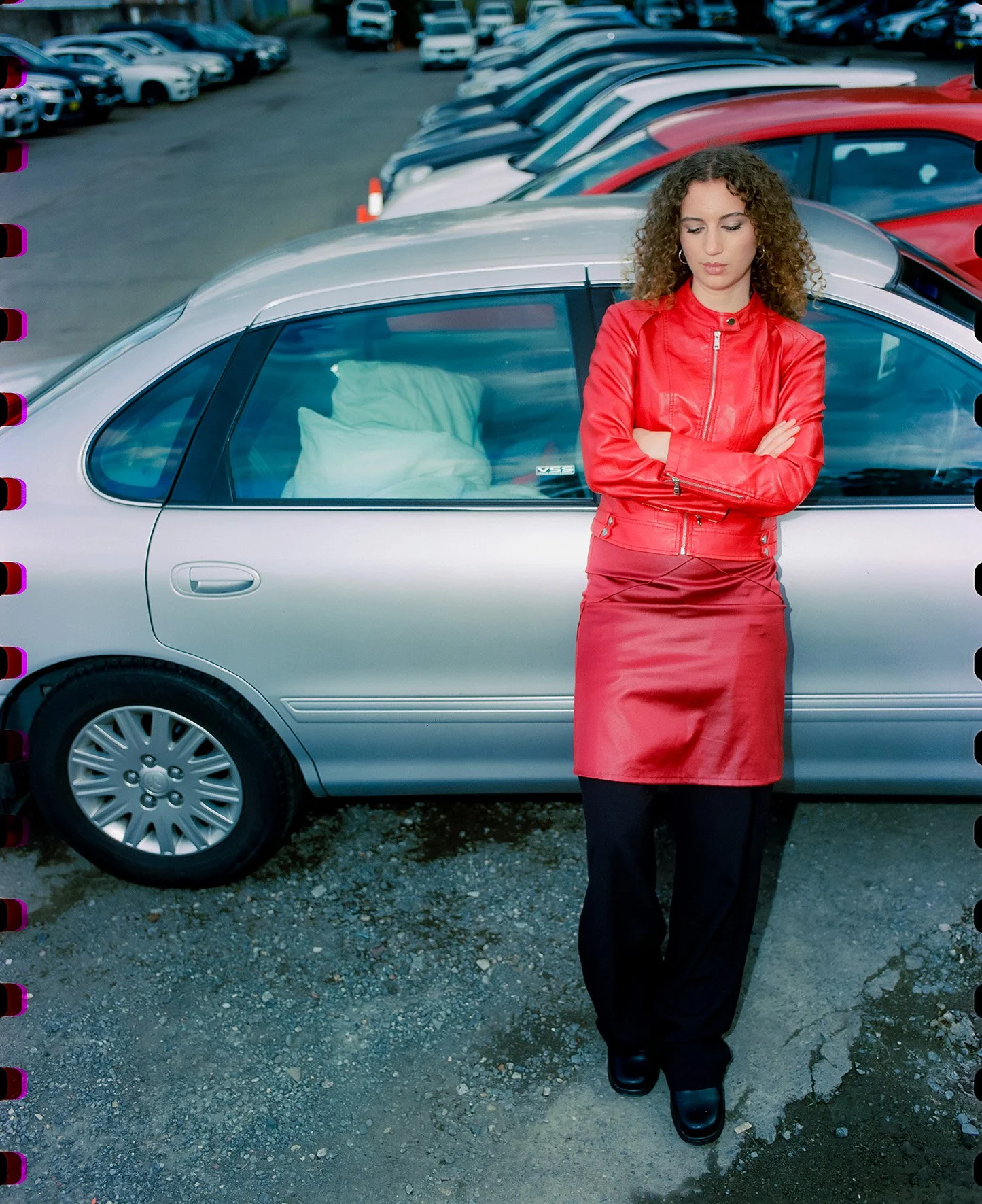
Most of the EP was made in your bedroom. Could you talk us through the making of one track, from its first idea to the finished recording?
The last song I wrote for the EP is the sixth track, ‘Sinking Feeling’. I remember it came together so quickly. I started with this awesome drum-machine-y loop from a borrowed Korg Monologue I have in my room. The beat’s quite abrasive, and I liked the idea of playing some pretty, melancholy piano chords over the top, so I added those. I added a synth bass, and then from there I wrote the lyrics and melody. I later added the outro with the little sax solo. I sent it to my friend Max (who mixed the whole EP), who added these two little synth sounds at the end, and then the song was basically done.
You’ve connected the EP with late-night bus rides, waking up at 3am and walking home from a mediocre date. How did you translate those situations into the sound of the record?
I think I was just naturally drawn to writing with certain sounds, chord progressions and textures that had a nocturnal feeling to me. I think I also wrote a lot of this EP at nighttime as well, so maybe that influenced the sound too.
You’ve spoken about feeling misunderstood while avoiding understanding yourself. Did writing these songs reveal anything you’d been reluctant to admit, or change how you saw a situation?
I think writing these songs helped to shine a bigger light on how avoidant and slightly self-destructive I was during that time. Once it’s turned into a song, it’s much harder to ignore.
‘I’ll Grow’ explores growth through pain, including pain you might have caused yourself. What helped you find a way to write about that honestly?
I’ve always found it easier to write about things than to talk about them, and I guess music kind of adds a protective layer over everything you’re sharing, so that makes it easier to share. But also just lots of work on myself throughout my life to be able to acknowledge the parts of myself that aren’t as easy to talk about.
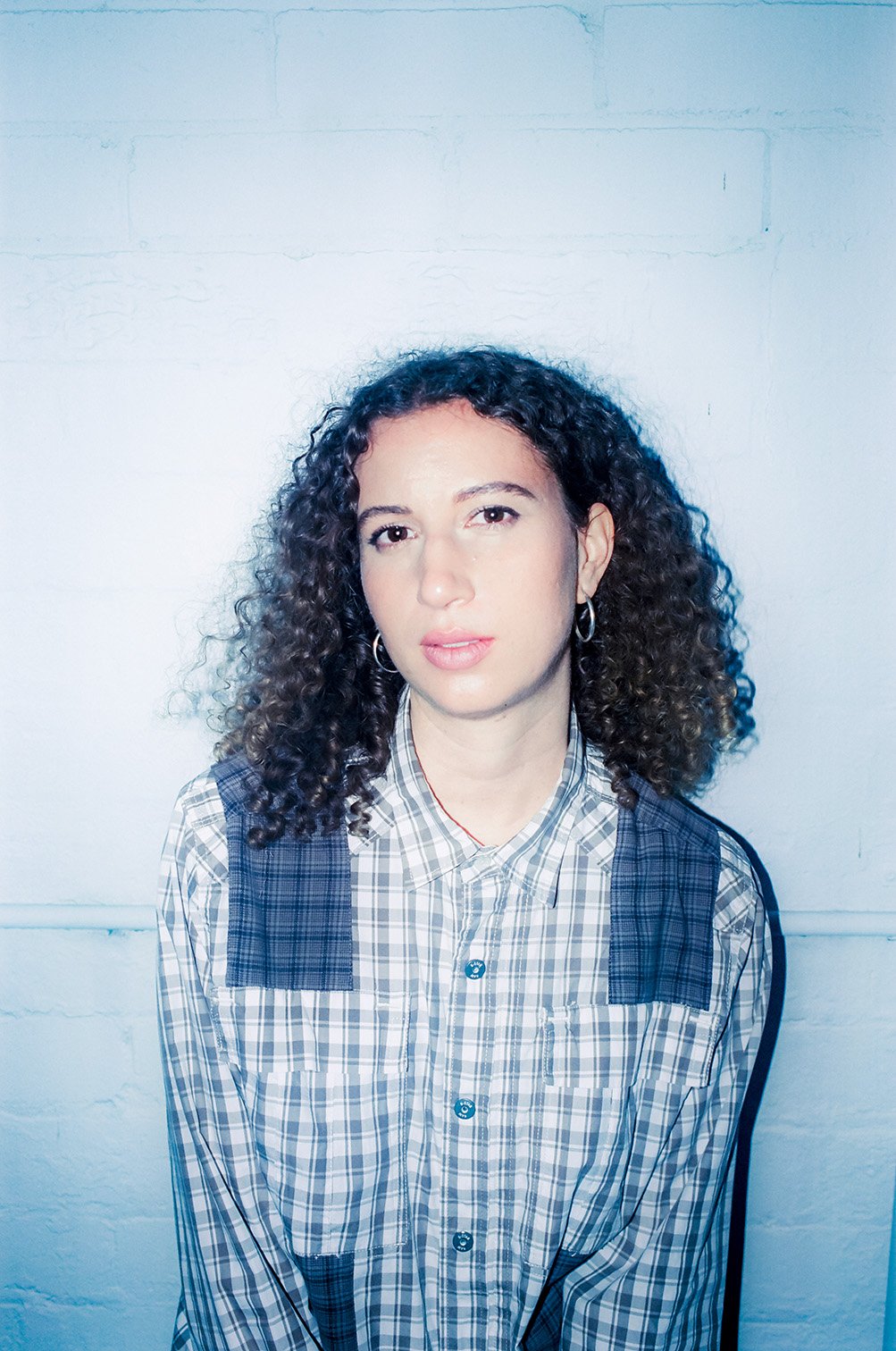
‘Don’t Cry For Me Now’ deals with concern that feels performative or insincere. What were you trying to get across in that song, and how did you approach its music video?
I guess I was trying to get across a sense of frustration with someone’s performative sincerity, telling them that real care comes with time and knowledge. I think the video reflects that dynamic by being set in the super intimate setting of a bedroom, paired with this disorienting and almost manic kind of energy.
What do you love right now?
Sunshine on my skin, ghormeh sabzi (super yummy Iranian herb stew), my local secondhand bookstand and ‘Esperanto’ by Nico Niquo.
What do you hate right now?
Humidity, generative AI, mould and the manosphere.
Name an album you’re still listening to from when you were younger and why it’s still important to you.
I’ve been listening to Grace by Jeff Buckley since I was 14, and it has remained one of my favourite albums to this day. That album is just a display of pure artistry and raw emotion, there’s nothing like it. Another is Blonde by Frank Ocean, which turned 10 this year, and for each of those 10 years that album has been on high rotation. Blonde broadened my horizons in more ways than one, and I still feel inspired by both the writing and production on it.
When someone hears your music for the first time, what do you hope sticks with them?
I hope people take whatever resonates. If people relate to what I’m saying, I hope the music helps them feel less isolated in those feelings. I hope I’ve articulated some of the internal experiences that often go unspoken.