
Liverpool trio Horrid Fog discuss ghost stories, British folklore and psychedelic rock, as they look ahead to their debut album.
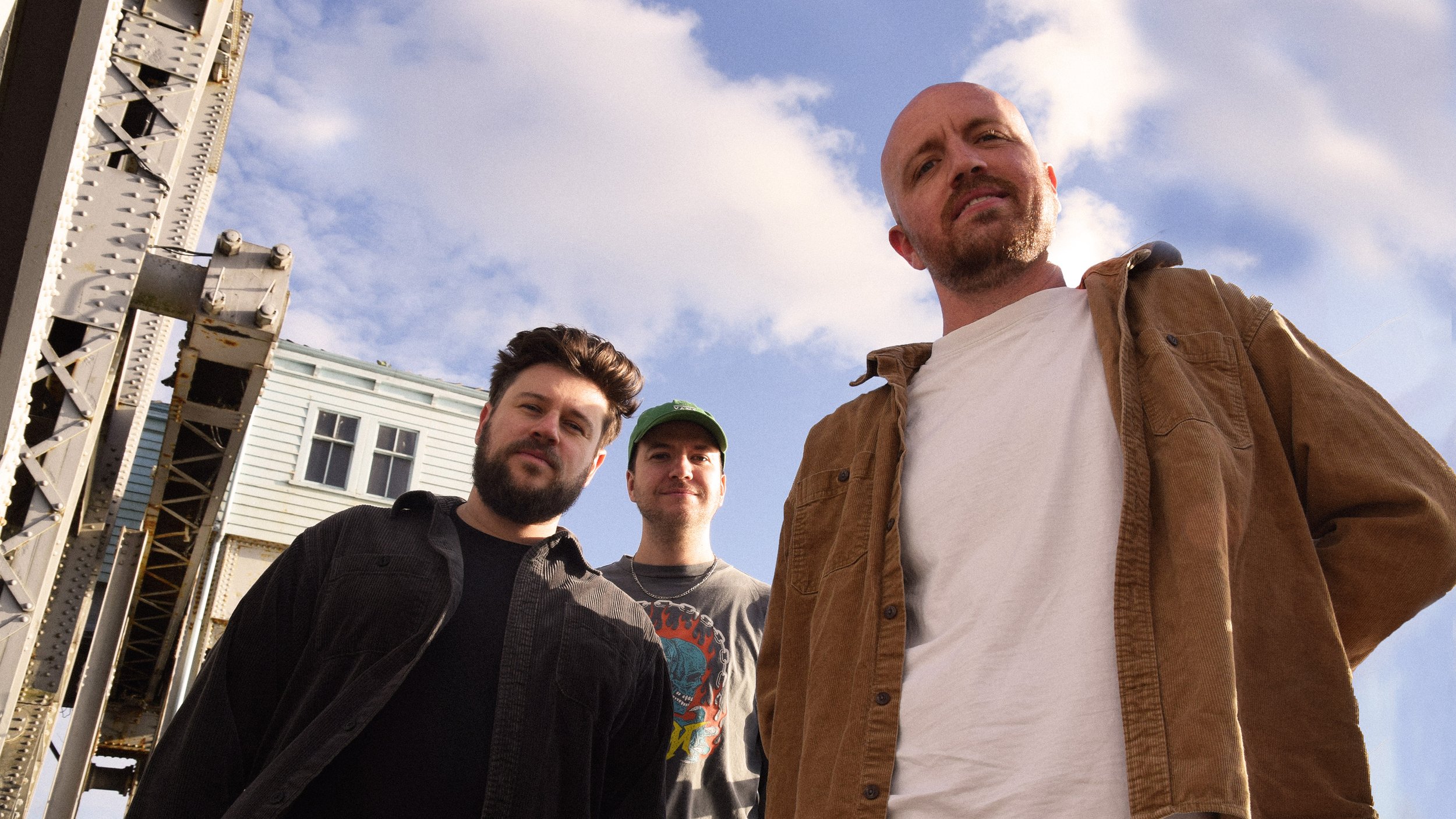
Liverpool trio Horrid Fog have carved out a peculiar corner of psychedelic rock, taking inspiration from traditional folk music, ghost stories and the darker corners of British history. Formed initially as a home-recording project, the band, comprising Tommy Hearne, Joe Rhead and Robin Turner, have since released two EPs, with their latest, Horrid Fog 2, pushing their sound into heavier, more expansive territory. Described as 'Wicker Man rock', their music draws comparisons to everyone from Fairport Convention to King Gizzard & The Lizard Wizard, with a theatrical streak that has already found its way into their live performances. With a debut album now in the works, we caught up with the trio to discuss Liverpool's ghostly history, the strange stories behind their songs and their ambitions for what comes next.
For those unfamiliar with your music, can you tell us who you are, where you’re from and about the music you make?
We are Horrid Fog from Liverpool. The current line-up consists of Tommy Hearne, Joe Rhead and Robin Turner. We make a sort of acid folk / psych rock. Think a mix of King Gizzard, Black Country, New Road and Fairport Convention.
Horrid Fog started as a home-recording project. What were you making in those early days?
Two of us were originally just jamming folk songs, other random bits and bobs and trying out ideas we both had. Because Joe has a home studio, we started recording things and experimenting with different songs. There was a lot of scrapping things, starting again and moving ideas around before we eventually decided the music was actually quite good and so we should probably come up with a band name!
What first connected the three of you musically?
It was a bit of serendipity, really. We'd already been jamming and had some recordings together, so there was clearly something there that we all connected with. We all found each other on the Liverpool musicians subreddit. When Robin first heard the music, it was unlike anything he'd really heard before. Maybe it was that shared interest in doing something a bit different that brought us together.
Folk songs and ghost stories are central to the band. Can you each pick one that has stayed with you and explain what makes it difficult to shake?
The one that really stuck with us was the story of Who Put Bella in the Wych Elm? It's such a strange, unsettling real-life mystery that we've turned into a bit of a ghost story. But we’ve all had spooky experiences too. Robin had this dream about his cousin telling him to wake up, just before he got a phone call at four in the morning to say my nan had gone into hospital. Another was a childhood night terror that stayed with Tommy for years, and then his sister later dreamt that she'd travelled back in time and caused it.
Your music has been described as 'Wicker Man rock'. How do you feel about that description, and what might someone miss about the band if that's all they had to go on?
We quite like it. The Wicker Man is an incredible film, and we think it's a fun description. Maybe people might assume we're a bit folkier than we actually are, though. There's a lot more going on musically than that label might suggest.
You draw on folklore to explore contemporary intolerance, division and unease. What makes an old story useful for writing about the present?
People have always suffered, and in a lot of ways the same things keep happening. There's always an oppressor and the oppressed, and people trying to hurt other people. Those stories are universal because, sadly, these themes keep coming back in people’s lives and in the stories written about them.
When you're writing, do you tend to start with the character or story, or does the music suggest what kind of song or world it might inhabit?
I think it's a bit of both. Sometimes there's an idea knocking about that we want to write a song about, and separately there are musical ideas we're playing with. Sometimes we pick from the pile of unfinished ideas when we’re looking for something musical to match up with an idea or a story we want to write about.
Horrid Fog 2 takes a heavier direction than the first EP. What were you looking for in that extra weight, and how did you achieve it in the recordings?
The heaviness came from trying to make things feel more epic, really. We added more heavy guitars, turned things up and expanded the amount of toms on the drum kit. But it wasn't just about making everything heavier. We wanted the whole thing to feel bigger and more expansive, so there are quieter moments too. We just tried to push things in both directions as much as possible, and so the heaviness was a result of that.
How do the three of you share the writing?
Robin came in after the EP had been recorded, so the writing process on that record was mostly between me (Joe) and Tommy. We tend to go away with separate ideas and bring them back to the group. Since Robin joined, though, the way we play things live has changed, and we've developed some of the musical ideas together in rehearsal rooms.
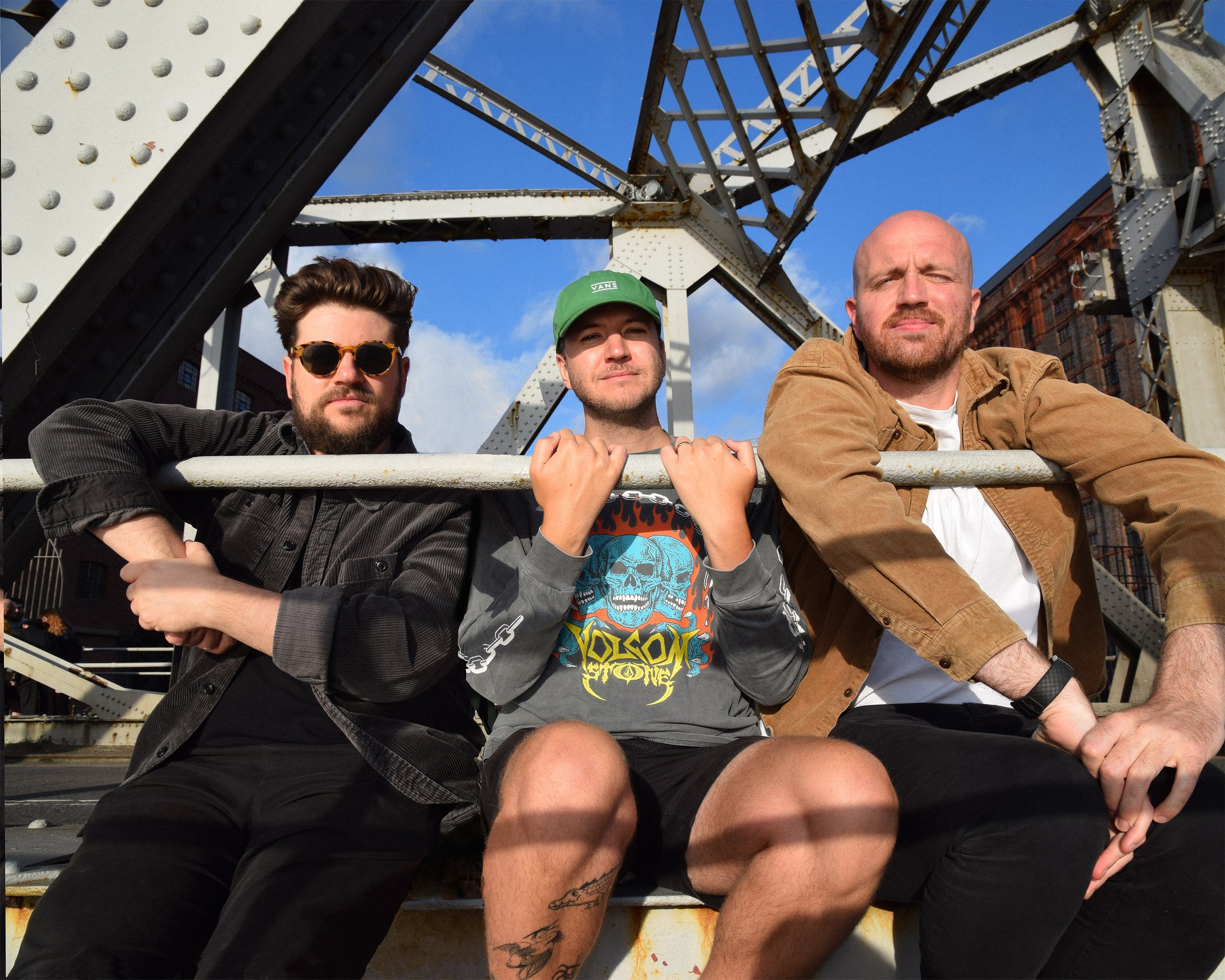
'Guts and Luxury' picked up play on Stuart Maconie’s Freak Zone. What was the starting point for that song, and what did it take to get it into its finished form?
That was probably our most collaborative song. We had a few different musical ideas and just tried joining them together. The lyrics came from being pissed off about the parties the Tories were throwing during lockdown. It’s mostly about the idea of rich people indulging in their own desires while normal people are suffering. We ended up mashing what were basically two separate songs together.
What has Liverpool given Horrid Fog beyond being the place where you were formed?
There's a real sense of history here, particularly the nautical history, which connects quite naturally with the folk side of what we do. Music is also such a big tradition in Liverpool. And it's quite a spooky place too, with all the Gothic architecture and that sense of darkness. Especially when a fog rolls in!
You marked the EP with a sold-out show at Commune. What do you remember most clearly about that night? And did hearing the songs in the room change how you thought about any of them?
It was a pretty cramped venue, which made the whole thing feel quite intense. We managed to put together some proper stagecraft, with projections and a backing track, even in a tiny space. It showed us that you can create something theatrical wherever you are. As long as you've got speakers, you can work with what you've got.
You're now writing your debut album. What do you want to attempt over a full-length record that you haven't had the chance to explore on two EPs?
We’d love to do something more conceptual, maybe even a whole side of an LP that works as one big piece. We’d also like to get more musicians involved and bring in some more instruments. A brass section would be brilliant, particularly something really solemn but loud, like a traditional colliery brass band.
What do you love right now?
Tommy: I'm reading The Wake by Paul Kingsnorth, which is absolutely blowing my mind. It’s written in this sort of readable version of Old English and it’s this incredible experience reading it. You really feel connected to the Anglo-Saxons who were knocking about before 1066.
What do you hate right now?
Robin: The internet, generally. I’m a bit sick of technology, social media and AI. It can feel a bit hypocritical saying that, but there's a real desire to get away from it all. Joe has just got an allotment, so there’s a feeling I think we’d quite happily grow vegetables and forget about everything else.
Name an album you still listen to from when you were younger, and explain why it's still important to you.
Robin: I still listen to Metals by Feist quite regularly. It's one of those albums that's stuck with me over the years with contrasting moments of dark/light and heavy/delicate.
Tommy: I still listen to a folk compilation my parents used to play when I was younger. It's called Folk Heritage, something I've kept coming back to.
Joe: I still listen to Midlake a lot. They’re such a good band, and their album is one I've kept coming back to. I actually used to get them mixed up with a band called Madina Lake, which led to a bit of confusion when a mate recommended them to me.
When someone hears your music for the first time, what do you hope sticks with them and makes them want to listen again?
We think it takes a few listens to get into, and we’d quite like people to finish it thinking, 'What the fuck was that?' But we also hope they recognise how ambitious it is. We're just making music at home. It's all very DIY, but we think what we've managed to create is pretty epic.