
Start Listening To: Merryn Jeann
Merryn Jeann discusses the intuitive process behind Fear Of The Beauty Parlour, finding glamour in a small country town and sharing a studio with some unwelcome guests.
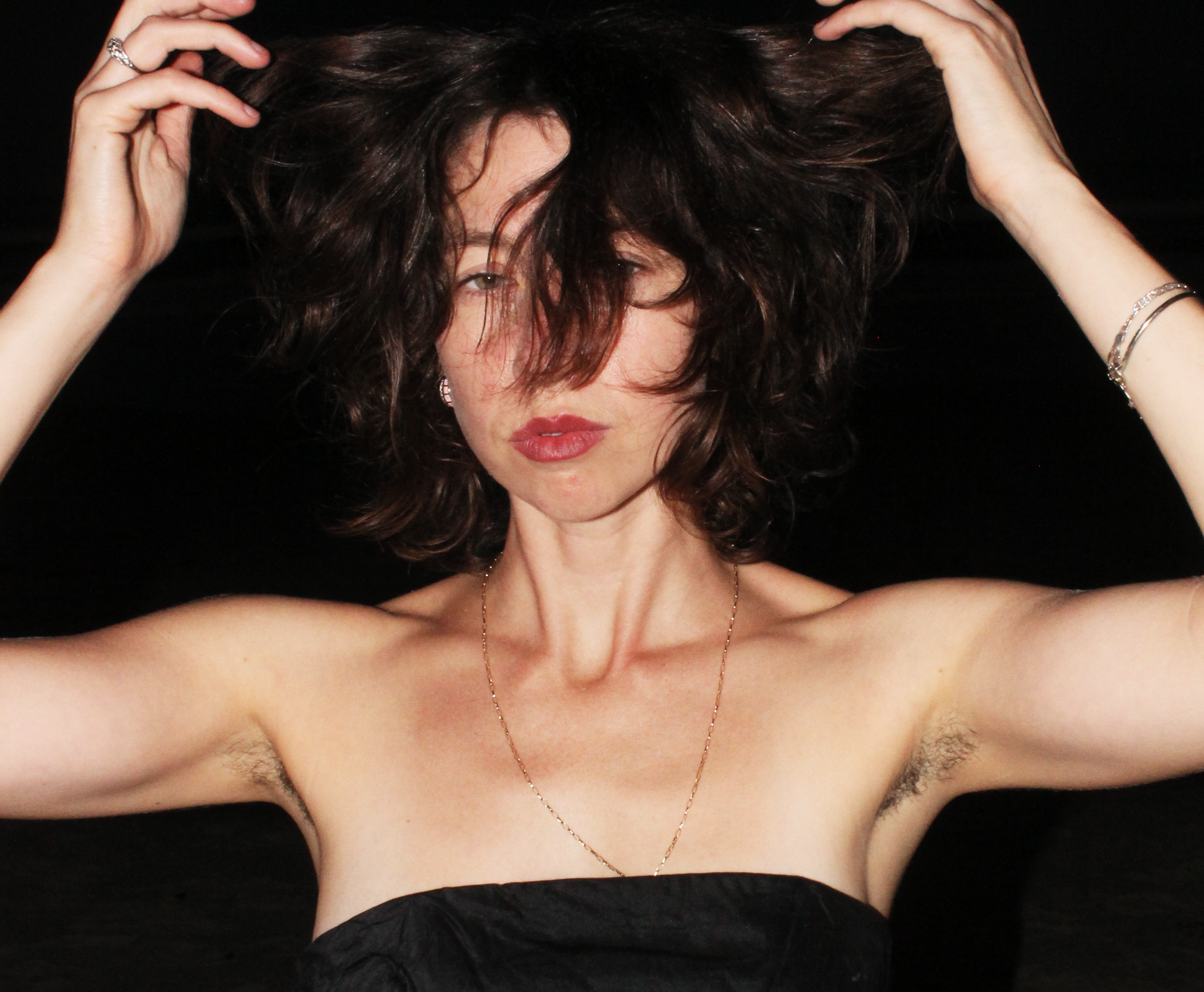
Merryn Jeann hadn’t intended to produce an album when she began gathering sounds for another project, but Fear Of The Beauty Parlour gradually took shape in a shed at her friend Mikey’s place. Working with synths, phone recordings and keyboards run through pedals, she gave herself space to follow whatever caught her attention. The record’s title emerged from a visit to her late grandmother’s house, where an afternoon spent photographing glittery shoes prompted a realisation about her own enduring love of glamour. Here, she talks about trusting her subconscious, letting her voice sit within the music and finding inspiration everywhere from shop signs to butterfly wings.
For those unfamiliar with your music, can you tell us who you are, where you’re from and about the music you make?
I live on Wijabul Wia-Bul Country on Bundjalung Nation, in the Northern Rivers region on the east coast of Australia. I have been making music for over 16 years and have traversed many a genre. My most recent live show is apparently ‘Mazzy Star meets Kate Bush meets German Expressionism meets Cabaret’.
My latest album is somewhat of a completely intuitive album. It is a cinematic and lo-fi and intimate sonic journey that has been described as the perfect album to accompany one when returning home from partying or when one might be open to contemplation during the creative process. It is sure of itself but allows the listener to feel it out as their own. To me, it is a movie.
Fear Of The Beauty Parlour is such a striking title. Where did it come from, and how did it become the name for this collection of music?
The original title for the album was ‘What Does the Gum Tree Sing to You’. I wanted to evoke this sense of the natural world, the longing I had for being in Australia when I was still living in Paris. The title very quickly became too soft and starchild-esque and I knew I needed something more provocative. I think Fear Of The Beauty Parlour came after I visited my grandma’s house in the UK. She had died earlier that year. I didn’t make it to the funeral, or rather I didn’t think the funeral would be the fitting way to say goodbye. Grandma was a glamorous woman. She was very tall with a demanding presence, sporting her horrendous salmon-coloured lipstick, gemstones, plastic Swatch watches and glittery shoes. I pulled out all of her shoes from her cupboards and placed them around her bed, spending the next few hours filming and photographing them. I realised that afternoon that I was subconsciously very inspired by her and that I carry this love of glamour in a deep way, no matter where I am.
To quote my Substack: ‘I live in a small country town but I want to wear my favourite burgundy loafers to the general store because any moment can become memorable and wearing my favourite shoes is like a portal to receiving the magic.’ There’s a whole chat about this on this post.
This record marks a new step for you as a producer. What made you want to take on that role, and what could you explore by producing the music yourself?
Producing an album was not the intention. I was finding other sounds for another album but a month or so into this process, I realised a larger body of work was en route. It happened very fluidly. I let it come and was surprised at the outcome. Almost like it was never mine in the first place. My partner thinks this is my best work yet because it feels so ‘me’, uninterrupted by any other creative mind. I think I agree. It was revealing and comforting to find I’d given myself this space and opportunity.
Can you take us inside the space where you made the album? What did a typical day of working on it look like, if there was such a thing?
Yes! In a shed at my friend Mikey’s place. It’s a shed turned studio (kind of). I have a big spaceship desk that is pretty empty because there isn’t so much gear on the desk, mostly cassette tapes (for the film we made to go with the album), piles of paper with ideas, a mini harp, broken Casios and a Nord keyboard that I hate but never manage to get rid of as it always ends up being quite handy. I found some interesting textures running the Nord through guitar and vocal pedals.
There are also rats and spiders and snakes living around the studio. I don’t mind the snakes and spiders but I wish the rats would relocate, they can be quite rude and leave a mess.
My process is not really describable. Structure powered by ADHD impulse and willingness that comes and goes when it pleases lol.
You built the record using synths and phone recordings. What kinds of things were you recording on your phone, and how did you recognise something you wanted to bring into a track?
Hmmmm all sorts of things. The album feels more like a collection of collages rather than songs.
You’ve described the songwriting as a subconscious expression. How do you get yourself into that state, and what happens when you return to those ideas with a more deliberate ear?
When you take the time to be there for the art, the art will always come, even if it takes a while. I take comfort in knowing that I am always absorbing and try to take myself to ‘inspiring’ places to encourage this. I have to head to the city quite regularly for interesting characters and amicable shop sign graphics and then love returning home to sit under a gum tree and watch spring bloom. That’s the gift of living in the world as an artist, you never know when something will move you and you’ll have a whole new project inspired by it. My current obsessions are butterfly wings, shoes and streamers.
There’s minimal lyricism across the album. How did you decide when a piece needed words, and when the voice or another sound could carry what you wanted to express?
Honestly, my last album DOG BEACH felt compelled to speak as many lyrics as possible and as a response to that, I didn’t want my lyricism or even voice to be the main star of the show. I felt like burying my voice into the music rather than sitting on top of it.
You made an experimental film with close collaborators. How did you communicate such a personal world to them, and what did they bring that you couldn’t have arrived at alone?
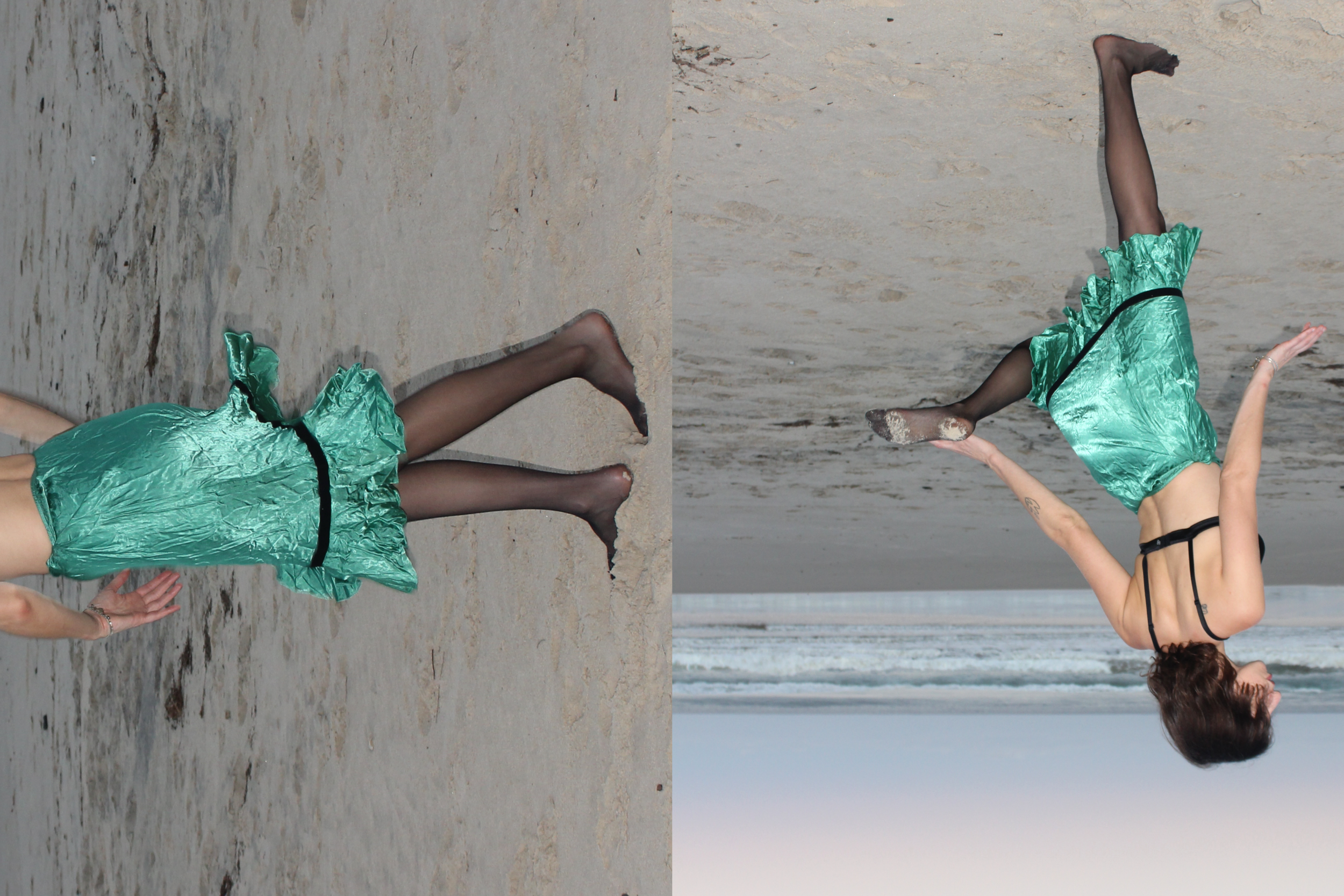
Making the film was a funny process! Initially I thought there would be actors and dialogue but as we started filming things, I had to surrender to the style and approach that came naturally to me, which was a collaged approach allowing the images to speak something to me, then somehow trying to edit them into a sort of narrative that was revealing itself in real time.
It was challenging for me to describe what I had in mind and I think I would leave directing to someone else next time, but I’m proud of the images we shot, there is some truly beautiful stuff in there.
Name an album you’re still listening to from when you were younger and why it’s still important to you.
Hmmm… How much younger are we talking?? I keep listening to Waak Waak Ga Min Min by Waak Waak Djungi. A deeply touching collaboration of First Nations Yolngu Songmen from Northeast Arnhem Land. From Efficient Space’s Bandcamp: ‘Yolngu are the indigenous peoples of Arnhem Land in Northern Territory, Australia; their clans are the Marangu and Malabirr, the languages Djinang and Gannalbingu. Their songs are of instruction, story and ceremony.’
Listening to this album always grounds me and reminds me of where I am and who was here before me, over 70,000 years ago.
When someone hears your music for the first time, what do you hope sticks with them?
That it is true and honest and in honour of the spirit I believe is in everything.