
Start Listening To: SEREN
SEREN talks folk influences, creative experimentation and navigating the uncertainty of growing up on Love At The End Of The World.
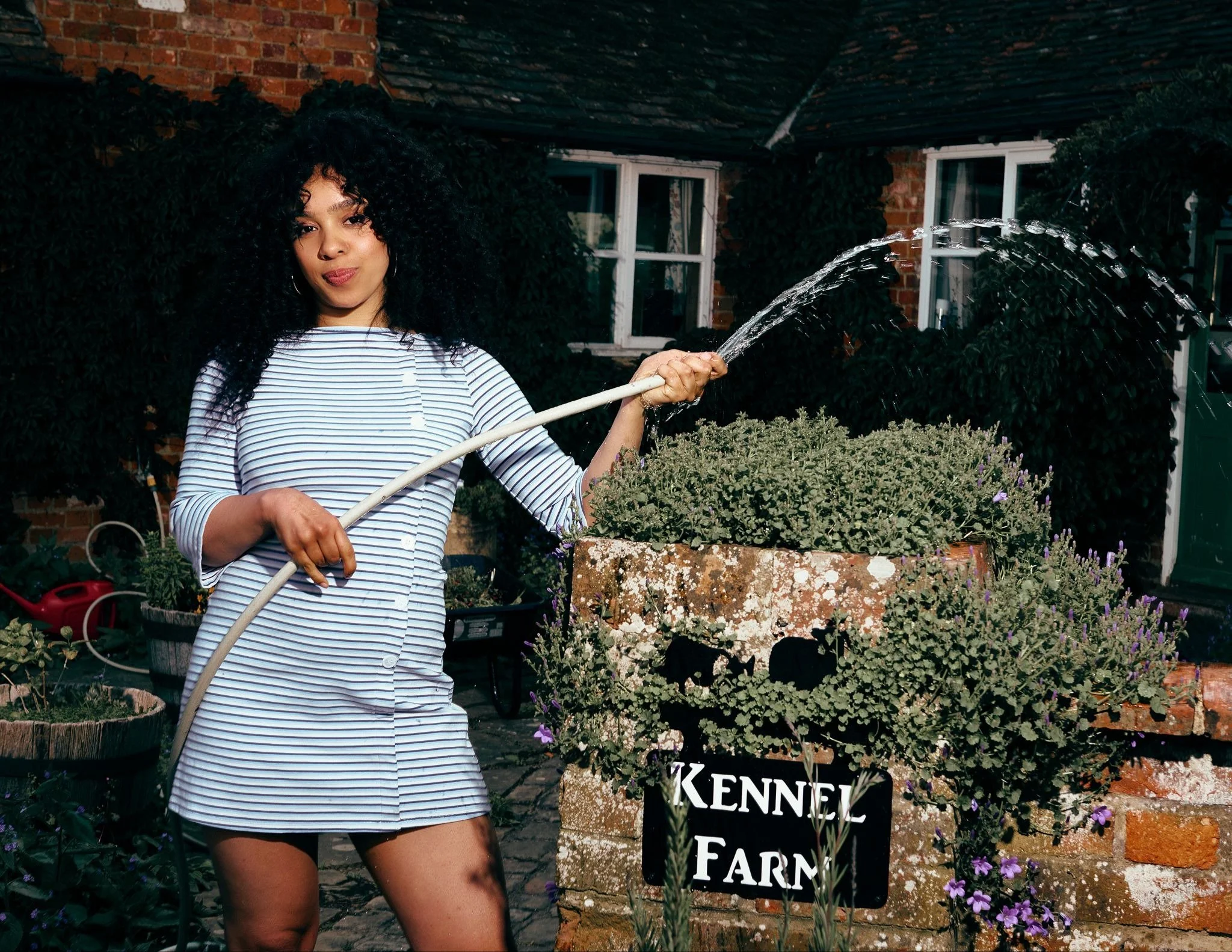
Growing up in Stroud, SEREN found her first musical world in the folk songs her mum would sing her to sleep. Since then, the 21-year-old songwriter has swapped small-town life for London, graduating from the renowned BRIT School to now carving out a sound that pairs the introspection of her folk roots with touches of indie influence. Last year’s debut EP Where The Heart Is looked back towards the people and places that shaped her. Since then, she’s taken those songs to stages, including a recent support slot for Only The Poets at O2 Academy Brixton.
Her newest EP, Love At The End Of The World, lands September 11th, and the singles so far have begun to map out the wider world of SEREN. From the reflective pull of ‘Something True’ to the more expansive and spacey moments in 'Asteroid,' SEREN’s new material finds her moving beyond the people and places that shaped her and towards the considerably messier question of what's to come. Across the project, she turns the uncertainty of growing up into songs about vulnerability and allowing yourself to hope for what comes next, her folk roots melding with increasingly ambitious production.
We caught up with SEREN to talk about her musical influences and making sense of the complicated, amazing weirdness of being young.
For anyone discovering you through this upcoming EP, who is SEREN?
I am a small-town girl through and through. I’m 21, I’m young, and I write a lot of songs about the complicated and amazing weirdness of being a human, basically.
Music seems to have been part of your life from a really young age, particularly folk. Do you remember the first moment you realised it was something you wanted to pursue more seriously?
I went to a concert with my mum at the Beacon in Bristol to see London Grammar. It must have been in 2012, and it just blew my mind.
I think that was the first time I was like, “Wow, you can kind of create a world through music.” I think that was the moment I was like, “Okay, I want to do this.”
There’s also this artist called King Creosote, who’s a Scottish folk artist. His music is quite traditional, but he did an album with Jon Hopkins, who’s an electronic producer. I just found the mix of folk and electronic music really interesting, and the way they use silence on the album Diamond Mine is really cool.
Your songwriting feels very reflective. Has writing always been a way for you to make sense of experiences and emotions?
Yeah, I was talking to my mum about this the other day, and there was a long period of time where she’d hear me bashing the piano keys and singing to myself, trying to work out how to write songs and what I wanted to say.
But I’ve always written little stories and had quite a big imagination, so I think storytelling is something I’ve always used as a way to make sense of what was happening in my life.
Where do your songs begin?
It really depends on who I’m working with. I’ve got a producer who I work quite closely with called Tobie, and that can be so random. We can cycle through eight things that I really don’t like, and suddenly he’ll play a melody and I’ll be like, “Oh, that’s what I’m talking about.”
If I write by myself, it could be lyrics or melody, but often they kind of come at the same time.
Who are the songwriters or artists you’re listening to right now that are influencing your music? And beyond music, where else do you find inspiration?
I think Erin LeCount is amazing. She’s just really creative, and you can really see that she has such an interesting brain. I still listen to a lot of Fleetwood Mac. I always listen to that kind of music.
I watch a lot of films, actually. I love my Letterboxd, and I’ve always loved the way music is used in film and how it can help tell a story.But I think I take a lot of inspiration from where I grew up, my own experiences, and my friends and family’s stories. A lot of the time, what I’m talking about comes from the world around me.
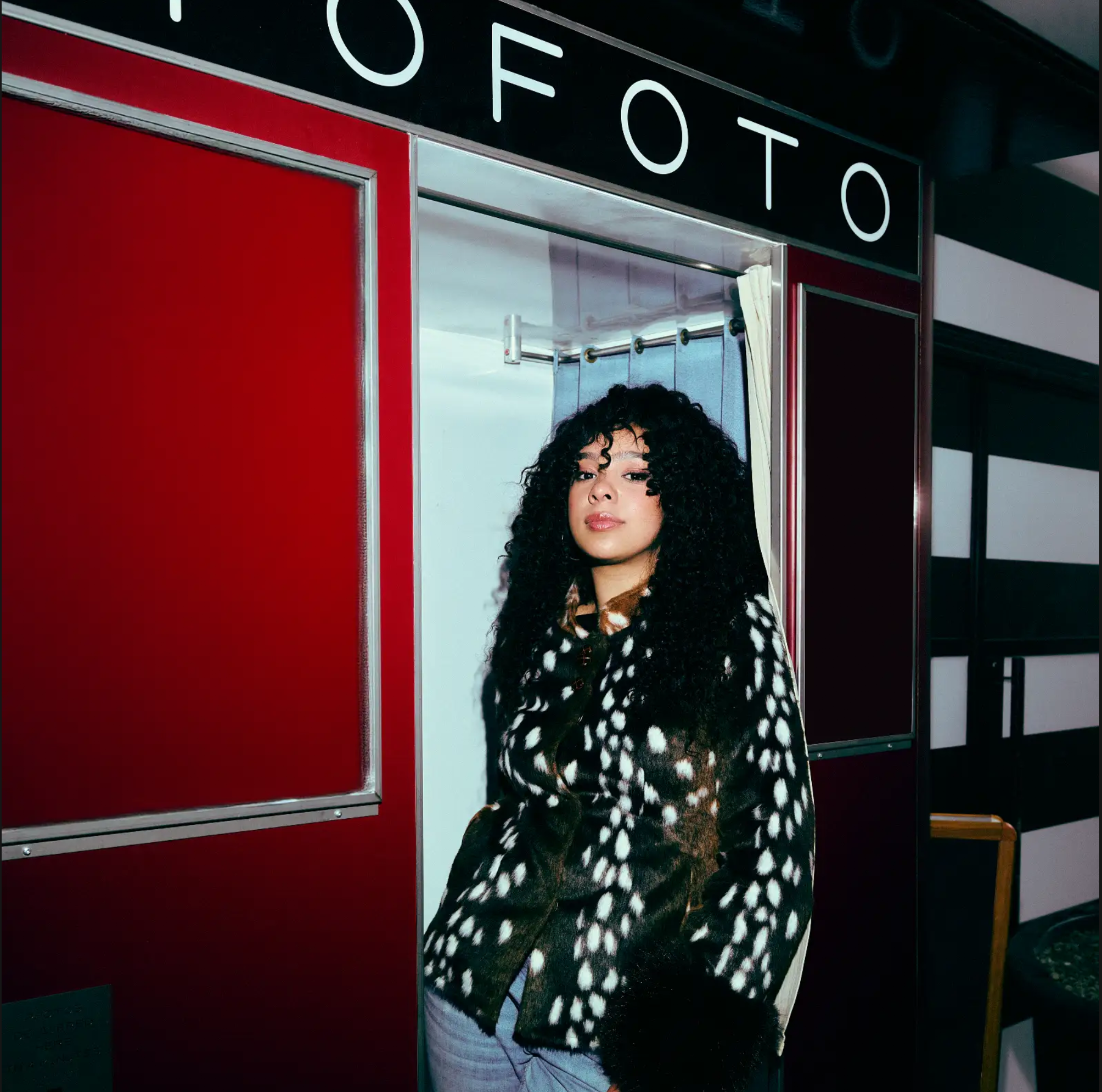
If you could spend a day in the studio with any artist, living or dead, who would it be and why?
I feel like it would have to be somebody maybe a bit rogue, who could teach me things I wouldn’t otherwise think about.
I think being in the studio with Prince would be crazy. I’ve read a bit about him, and apparently he’d just go for hours and hours endlessly. I can’t do that, that would stress me out so much! But I think it would be really interesting learning from somebody like him. He did everything himself and is just such a legend.
I actually saw you supporting Only The Poets at O2 Academy Brixton. That’s such a huge stage relatively early on, what did playing a room of that size teach you?
It’s crazy. Literally up until the moment I stepped on stage, I was like, “I’m terrified. I’m so scared.” I think it taught me that, in a situation like that, in front of 5,000 people, I just had to take it in, and if it went badly, that was okay.
It also taught me a lot about how to interact with a big audience and the kind of songs I wanted to perform. Hearing my music in a larger space for the first time was so inspiring. Even thinking about it now, the adrenaline was insane.
How different is the live version of your music from what people hear on record?
I think it is different. We try to keep some songs similar, then try different things depending on the track.
My band and I are all 21, and I’ve known them for nearly five years, so we spend a lot of time working out how we can make it the best show possible. We’ve still got a bit of a way to go in terms of trying different things out, but I hope they at least sound a little bit similar to the records!
Your debut EP, Where The Heart Is, looked back on home and identity, whereas this EP feels like it’s looking towards the future. Did you notice that shift whilst you were writing it, or only once it was finished?
Yeah, I think I did notice, because it was made over maybe a year. There was a lot of time spent on my Notes app on the way home from parties, or lying awake not being able to sleep.
I think it’s about that change from being a child into being an adult, and how confusing that can be. I kind of knew what I wanted to make when I started writing it; I just didn’t know how that would come out.
Why did Love At The End Of The World feel like the right title for this EP?
We actually wrote the title track after I came up with the title. I think, when you’re an artist, there’s somewhat of a pressure to write songs about boyfriends and breakups. But I was thinking, “Well, I’m more worried about the news, my friends, what it all means for the future.” Everything feels very confusing.
I was like, “Okay, well, if I don’t want to write about boys, I still want to write about love, but what does love feel like when the world is ending, and when we’re all just trying to get by and grow up?”
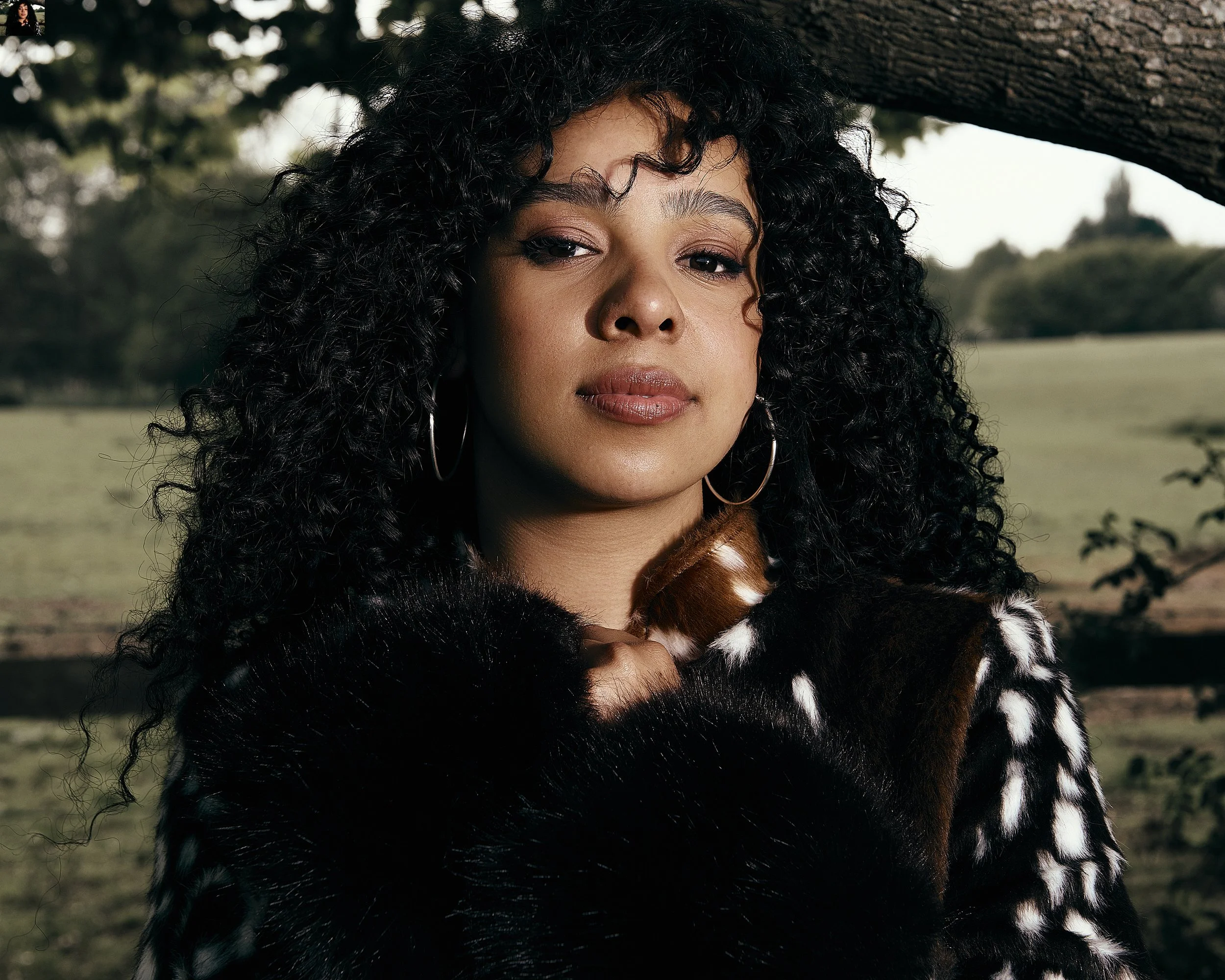
You worked with Tobie Tripp on the EP. What did he bring to these songs that helped them become what they are now?
I think he really lets me be myself, which is so important. He’s also such an interesting person and so smart musically – he can play the violin, he can play this, he can play that. When we were coming up with ideas for the project together, it made it really easy for me to say what I wanted to say.
Musically, this EP opened me up to a more experimental side and we used more electronic sounds. I used horns for the first time on this project, which was so fun, and I definitely want to do more of that.
When listeners finish the EP, what do you hope stays with them past the final note?
More than anything, I hope it’s comforting. I hope it reminds people that they’re not the only people who feel that way, and that there can be really hard times, but there can also be really good times.
At the end of the world, the only thing we do have is love.
Finally, if people could step inside the world of Love At The End Of The World, what would they see around them?
I picture being suspended in the air with this huge night sky around you. The stars, and that mystery of it all…of being alive.
But also strobe lights in a club. When I’m listening to it, I picture dancing with your friends in the club. Those are the two images for me.
