
Why Beck Thought Nostalgia Could Ruin the Past
Thirty years after Odelay, Beck’s warning about imitation feels especially relevant in a culture that keeps finding new ways to recycle itself.
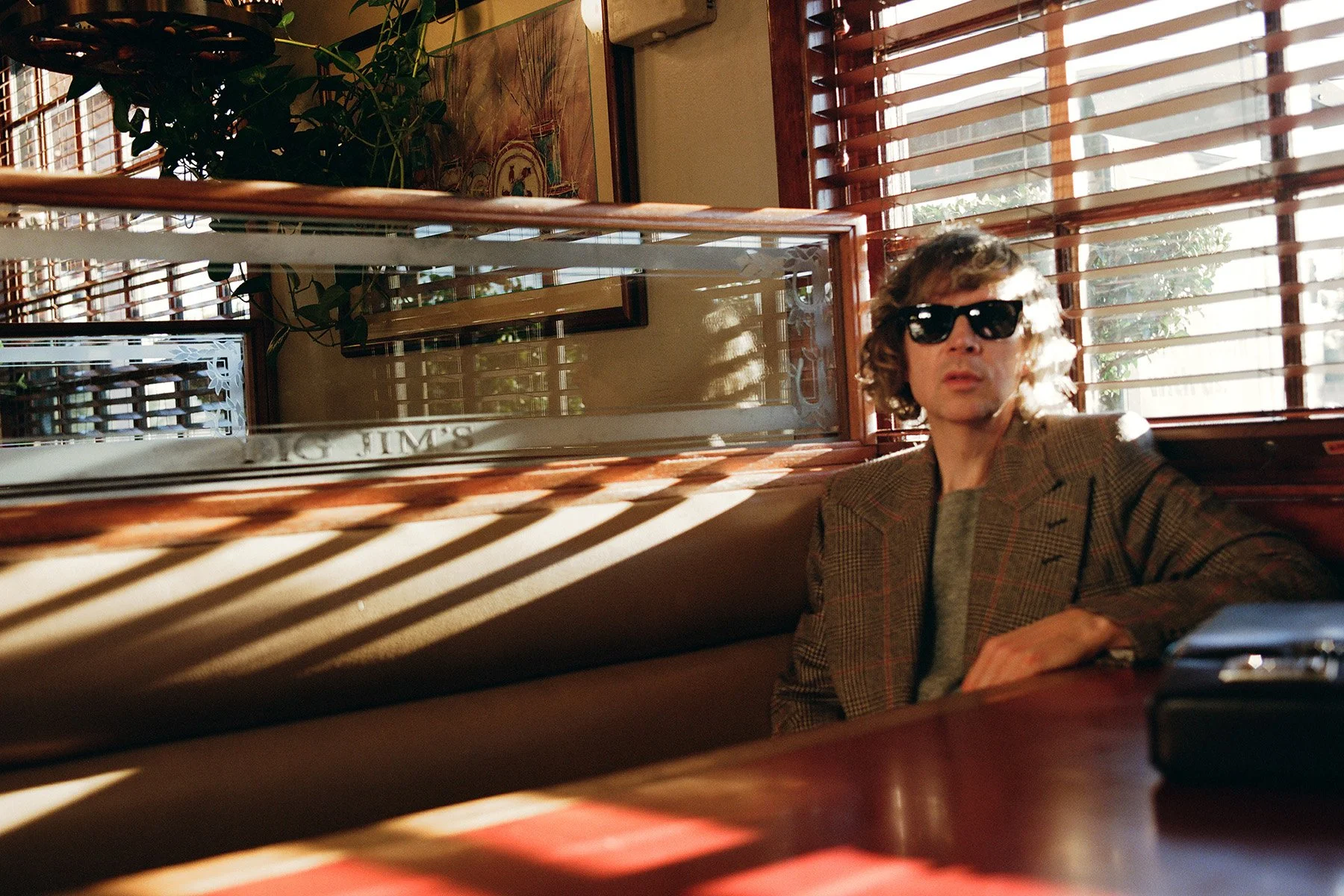
There’s nothing inherently wrong with nostalgia. Some of the best music ever made has come from artists obsessing over records released decades before they picked up an instrument themselves, taking influence from the sounds, production techniques and songwriting of a different generation. The problem comes when influence turns into imitation. If you’re a band like Greta Van Fleet, making music that can sound remarkably close to Led Zeppelin, at what point are you doing something fundamentally different from the increasingly sophisticated AI music models trained to replicate what already exists? For me, nostalgia is at its best when you can hear where something came from without feeling like you could have heard exactly the same record 50 years ago.
The Lemon Twigs are a perfect example. Their love of 1960s and ’70s music is hardly hidden, and you don’t need to spend particularly long with their records to start spotting the reference points, but there’s a modern musicianship and personality to what they do that prevents it from feeling like historical reenactment. They take from the past without becoming trapped inside it. There’s a big difference between being influenced by something and creating a carbon copy, and it turns out Beck was thinking about much the same problem 30 years ago.
Speaking to Paul Moody for Dazed & Confused in 1996, Beck found himself discussing his complicated relationship with the past at precisely the moment he was becoming one of the biggest alternative artists in the world. Odelay had arrived that year, following the breakthrough success of ‘Loser’ and Mellow Gold, and somehow turned an artist who seemed to exist on the fringes of several different musical worlds into a genuine star. It also made Beck’s thoughts on nostalgia particularly interesting, because few records from the period were more obviously indebted to musical history. Folk, country, blues, soul, rock and hip-hop could collide within the space of a single song, particularly once his songwriting met the sample-heavy production of the Dust Brothers, but Odelay never sounded like Beck was trying to recreate a particular period. The past was effectively raw material, chopped up and rearranged until it belonged to a completely different world.
That distinction mattered to him. In the interview, Beck complained about the constant cultural desire for whatever was newest, arguing that good things from the past were too easily undervalued and discarded in the pursuit of the next thing. At the same time, he was equally suspicious of simply retreating backwards, describing himself as opposed to “one-dimensional nostalgia”. To Beck, mindlessly recreating an earlier period didn’t really celebrate the past at all. It flattened it, reducing something complicated and exciting into a handful of recognisable sounds, clothes or ideas. His answer was to take those older influences seriously without treating them as something sacred that couldn't be pulled apart and fucked around with.
It’s a distinction that feels even more relevant now. Nostalgia doesn’t seem to operate on a 20 or 30-year cycle anymore. Microtrends move so quickly that music, fashion and design can seemingly become nostalgic for things that happened five minutes ago, with Y2K aesthetics everywhere and genres dissected, named, revived and declared dead at increasingly ridiculous speeds. People are already talking about post-hyperpop despite hyperpop itself only breaking substantially into wider popular consciousness in the last several years. The 24-hour churn of the internet means we're constantly searching for something new while simultaneously recycling increasingly recent versions of the past.
The same thing is happening visually. Our latest Still Listening issue features Ninajirachi, and the banner we made for it deliberately pulls from the aesthetics of the early internet: pop-up windows, clunky interfaces and the janky visual language of old computer screens. None of us wanted to actually recreate a website from 2002. The interesting part is taking that visual language and pushing it through something contemporary until it becomes something else. That, to me, is nostalgia working properly. Whether it’s music, fashion or design, taking something from another era can be amazing when there’s enough of yourself in the finished product that the reference point stops being the entire reason for its existence.
Beck seemed acutely aware of that distinction. Elsewhere in the same interview, he talked about drawing inspiration from R&B, soul and things that had absolutely nothing to do with music, while warning that “imitation is a crutch”. His influences could apparently come from something as small as the way one of his childhood neighbours walked, because the important thing wasn't where an idea originated but what happened to it once it passed through him. Whatever you took from somewhere else ultimately had to become your own.
That philosophy is written all over Odelay. It recently came top when we ranked Beck’s albums, and I’d comfortably put it among the ten best records of the 1990s. Almost 30 years later, it still sounds remarkably fresh, and part of that comes from the production, but more importantly there’s a fluidity to the way Beck moves between hip-hop, alternative rock, folk, blues and everything in between that still feels difficult to replicate. It doesn't sound like someone awkwardly trying to prove how eclectic their record collection is. Everything simply exists alongside everything else. The influences are obvious, but the finished thing could only really be Beck.
That has remained one of the defining qualities of his career. Beck always seemed to do whatever the fuck he wanted, and the results could change dramatically from one record to the next. The sexually charged Prince influence of Midnite Vultures could eventually give way to the acoustic heartbreak of Sea Change, before he moved somewhere else again. It’s why he remains one of the great musical chameleons of the last 30 years: each album has its own world, but there’s still a recognisable personality underneath all those costume changes. He has never seemed particularly interested in replicating something note for note from the past, even when the influence behind what he's doing is staring you directly in the face.
Perhaps the most interesting thing Beck said in 1996, though, wasn’t about nostalgia itself. It was his explanation of why he didn’t particularly want his records to sound contemporary. In his view, aiming for whatever sounded current meant your music was already on its way to becoming dated. He wanted to reach somewhere outside the accepted parameters altogether, where the music might have a better chance of preserving itself. It sounds slightly grandiose on paper, but Odelay is a fairly convincing demonstration that he knew what he was talking about.
Three decades later, that idea feels almost painfully accurate. There might not even be such a thing as sounding contemporary anymore, at least not in the way there once was. The internet has accelerated culture to the point where trends can emerge, become ubiquitous and inspire a backlash within an absurdly short space of time. Chasing them is a losing battle. By the time you’ve made the record that supposedly captures the moment, everyone could already have moved onto something else, and something that sounded incredibly current when you started making it can suddenly become the thing that dates it most severely, Charli XCX’s brat is a great example of this.
That doesn’t mean artists should stop looking backwards. Quite the opposite. Music has always been built upon people taking ideas from somewhere else, whether that's a record released last week or one made before they were born, and pretending otherwise is probably just as ridiculous as copying the past wholesale. The interesting part is what happens between hearing that influence and making something of your own. Take what you love from it, fuck around with it, find your own niche and see where it takes you. Chasing a trend will eventually leave you behind it, while recreating something that already exists doesn't move anything forward.
That’s where Beck’s warning about nostalgia still holds up. There’s nothing particularly exciting about pretending the past never happened, but there’s equally little value in rebuilding it exactly as it was. Odelay is an album absolutely drowning in the past, but 30 years later it still doesn’t particularly belong to it. That might be the best proof of Beck’s argument there is.