
Start Listening To: gash
The Wisconsin band discuss their new album, creative vulnerability, DIY beginnings and the strange, beautiful world of gash.
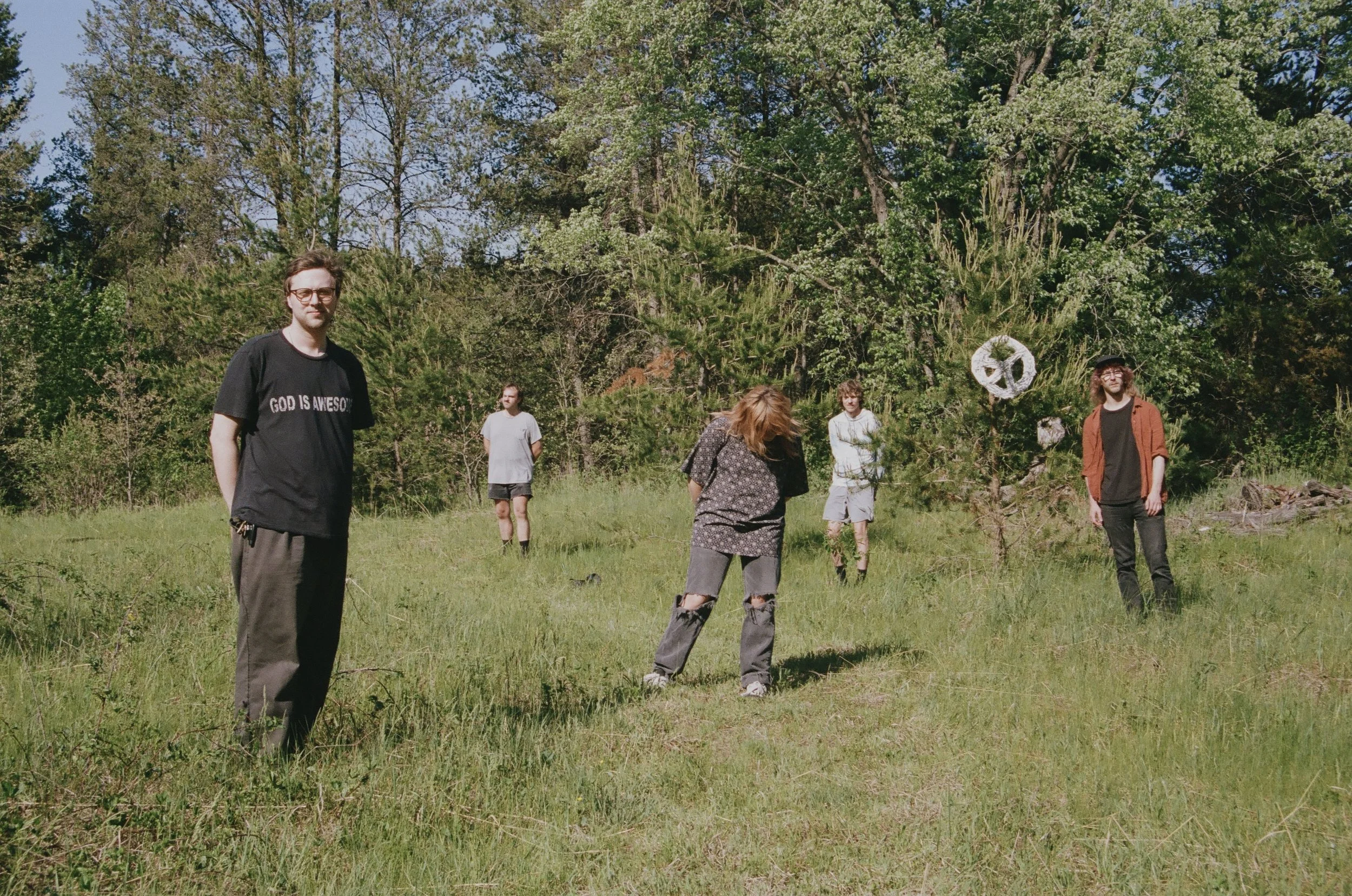
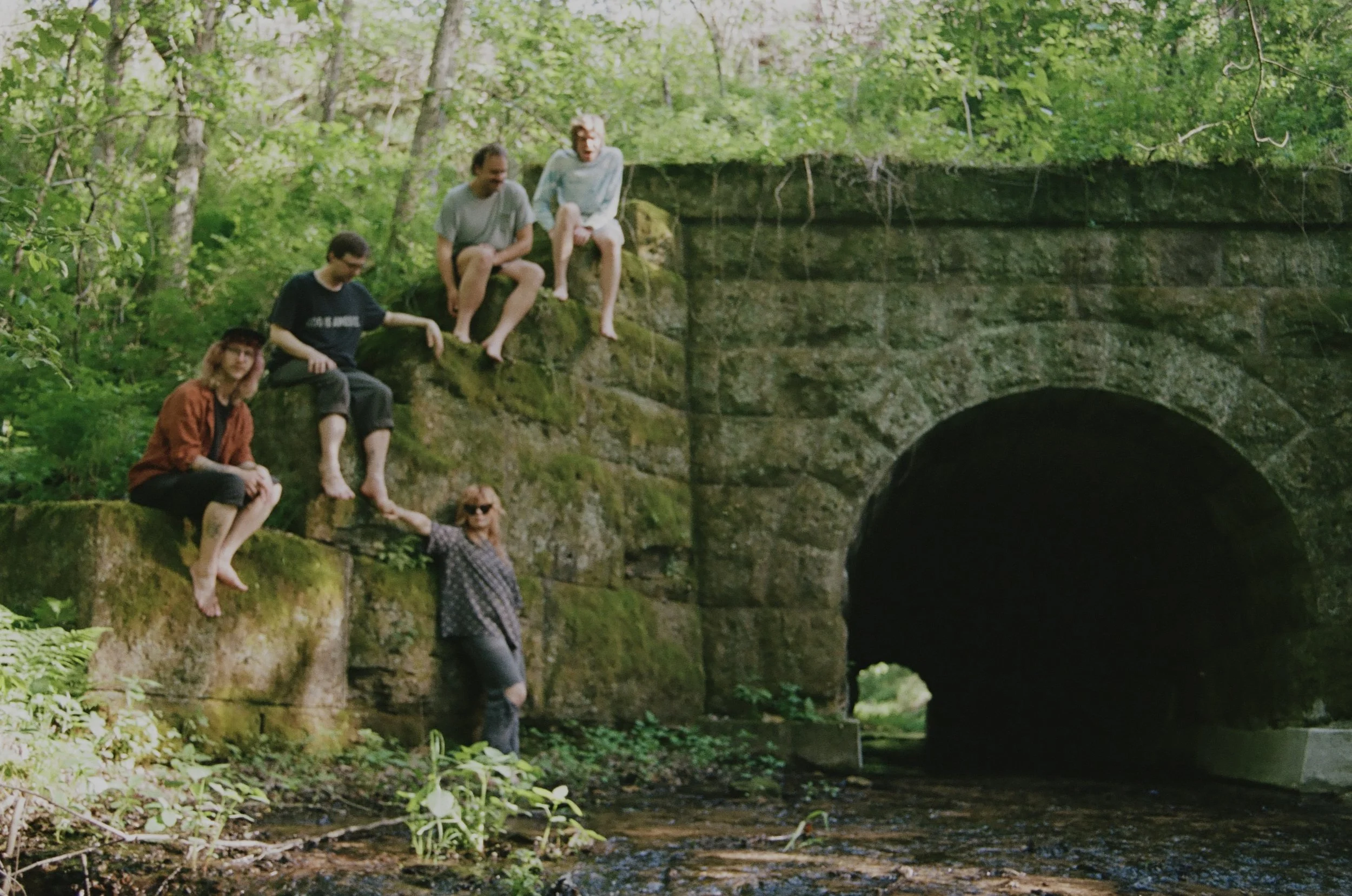
gash make loud rock music from Eau Claire, Wisconsin, but there’s a lot more to the band than volume. Their latest album, at least you know what you’re laughing at, grew out of basement shows, close friendships, digital fragments and the kind of emotional honesty that can feel both cathartic and slightly dangerous. With new members Breckelle and Ricky expanding the group’s musical and visual world, gash are entering a new phase without losing the unruly spirit that got them here. We spoke to the band about the making of the record, the influence of the Chippewa River and Eau Claire’s DIY scene, their recent appearance at Bon Iver’s Eaux Claires Festival and the albums that have stayed with them.
For those unfamiliar with your music, can you tell us who you are, where you’re from and about the music you make?
Breckelle: We’re gash from Eau Claire, Wisconsin, and we make rock music.
Logan: Loud rock music.
You’ve described at least you know what you’re laughing at as representing “the new gash”. What changed within the band to make this album feel like the beginning of something new?
Breckelle: Me joining the band and, maybe in general, all the members sort of simultaneously “settling down” and being on that same wavelength in each of our personal lives.
Logan: Breckelle joining… I think we can reach higher peaks with her in the band.
A lot of the album began digitally, with samples and fragments being passed around through Google Drive before becoming full songs. How did working that way change the music you ended up making?
Breckelle: Logan was really fiddling around on the computer, as he is always doing, and just kind of birthed these songs and concepts that we all fucked with. We would sit around, listen back, give feedback, and he would go from there. This was a similar process to 304/62, but we realised after the ALYKWYLA album that we would all prefer going back to the original way of songwriting as a band, removing the computer completely and just using our instruments.
Logan: It wasn’t so much collaborating via Google Drive, just sharing ideas I had and getting feedback. I wanted these songs to stay within their “demo” phase. We never practised any of the songs before recording them, we just built them from their initial ideas.
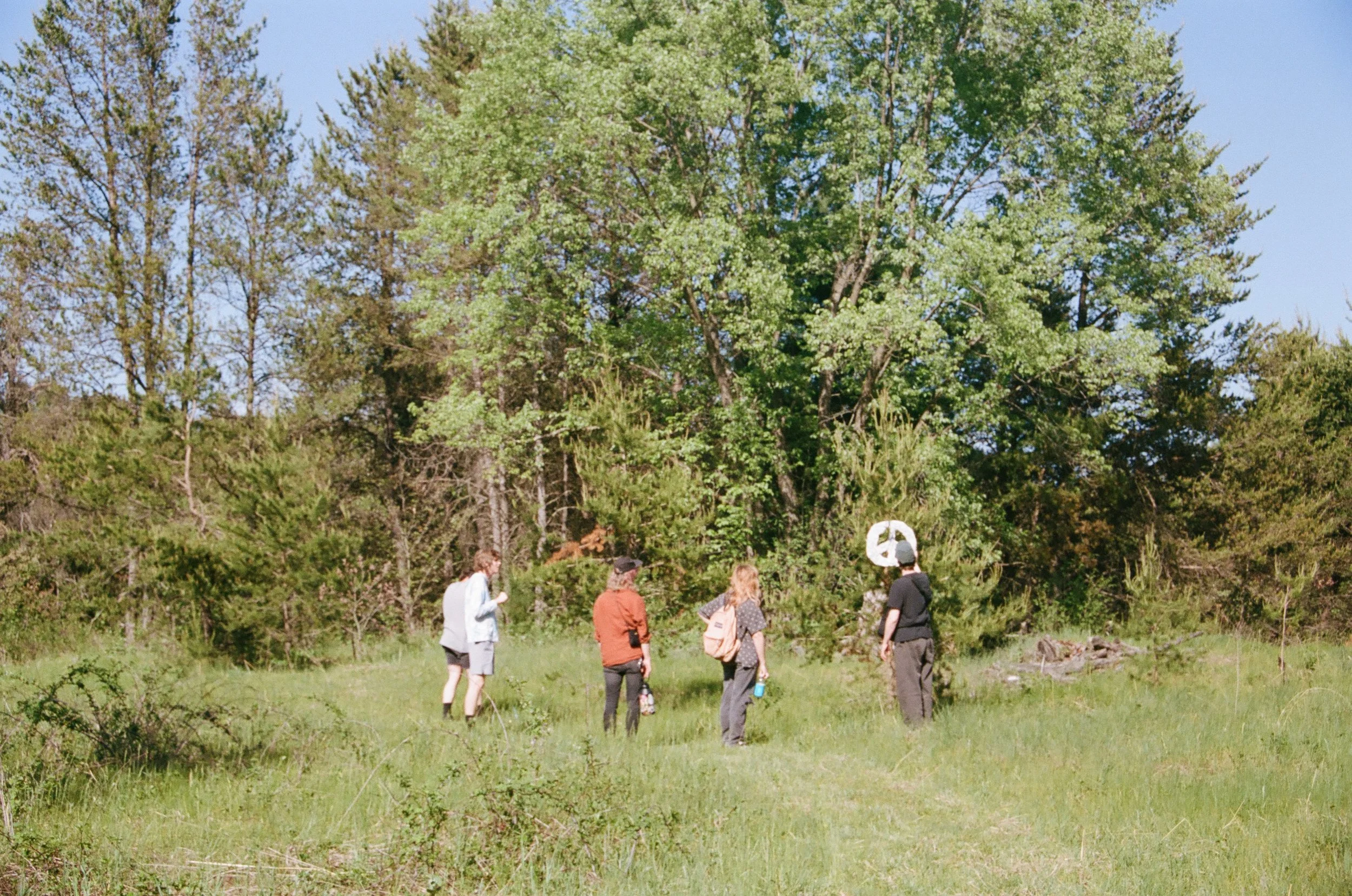
There’s a really interesting contrast between how personal this record is and how guarded some of it feels. How do you decide how much of yourselves to reveal in a song?
Breckelle: The revealing of yourself, I think, is inevitable. This was a theme in my life that I had to, and am still having to, overcome. You cannot hide yourself due to fear of judgement. The truth and the light are always revealed in the end, so you might as well lean into it, because whenever I’ve tried to mask my true self, it ends up feeling performative and weird, and I regret it.
I had initial doubts or fears about being too vulnerable or oversharing, but I would rather wear my heart on my sleeve than be a phoney or a liar. I am realising that all the artists I tend to look up to and feel inspired by are always revealing large, if not whole, parts of themselves in their creative processes. I hope that if anyone relates to the emotional side of gash’s music, they can know that they’re not alone in feeling fucking crazy, in feeling sensitive, pushed and pulled. It’s so easy to get yourself into a corner and feel misunderstood and alone, but you are never alone. To quote an icon: “I am fucking crazy, but I am free.”
Logan: I’m not sure if that’s something I consciously think about. Sometimes I draw a line in my head between a guitar song that’s more instrumentally centred and a song that is more “sing-y”. When I write songs for the latter, it needs to have something true attached to it, like a memory. How personal it gets depends on the idea.
‘Risking Heaven’ explores karmic retribution and has this strangely tender but ominous atmosphere. Where did that song begin, and what does “risking heaven” mean to you?
Logan: I recorded that song at our practice space. It felt like it wasn’t going anywhere, so I deleted it and went home.
The album seems interested in what happens when you sit with pain for a long time, particularly the way sadness or trauma can eventually turn into anger. Was that something you consciously wanted to explore across the record?
Breckelle: For me, I don’t think anything on this record was really consciously chosen. Logan directly and indirectly inspires me to approach music in a way that comes organically and instinctively, working from my heart instead of trying to set a goal and having a solid, unmoving vision. That would absolutely change once collaboration was involved. Consciously working towards something is working from your head, not your heart. It does feel like emotional vomit sometimes. The catharsis of it all chose me, I didn’t choose it. That is how it feels.
Logan: Yes.
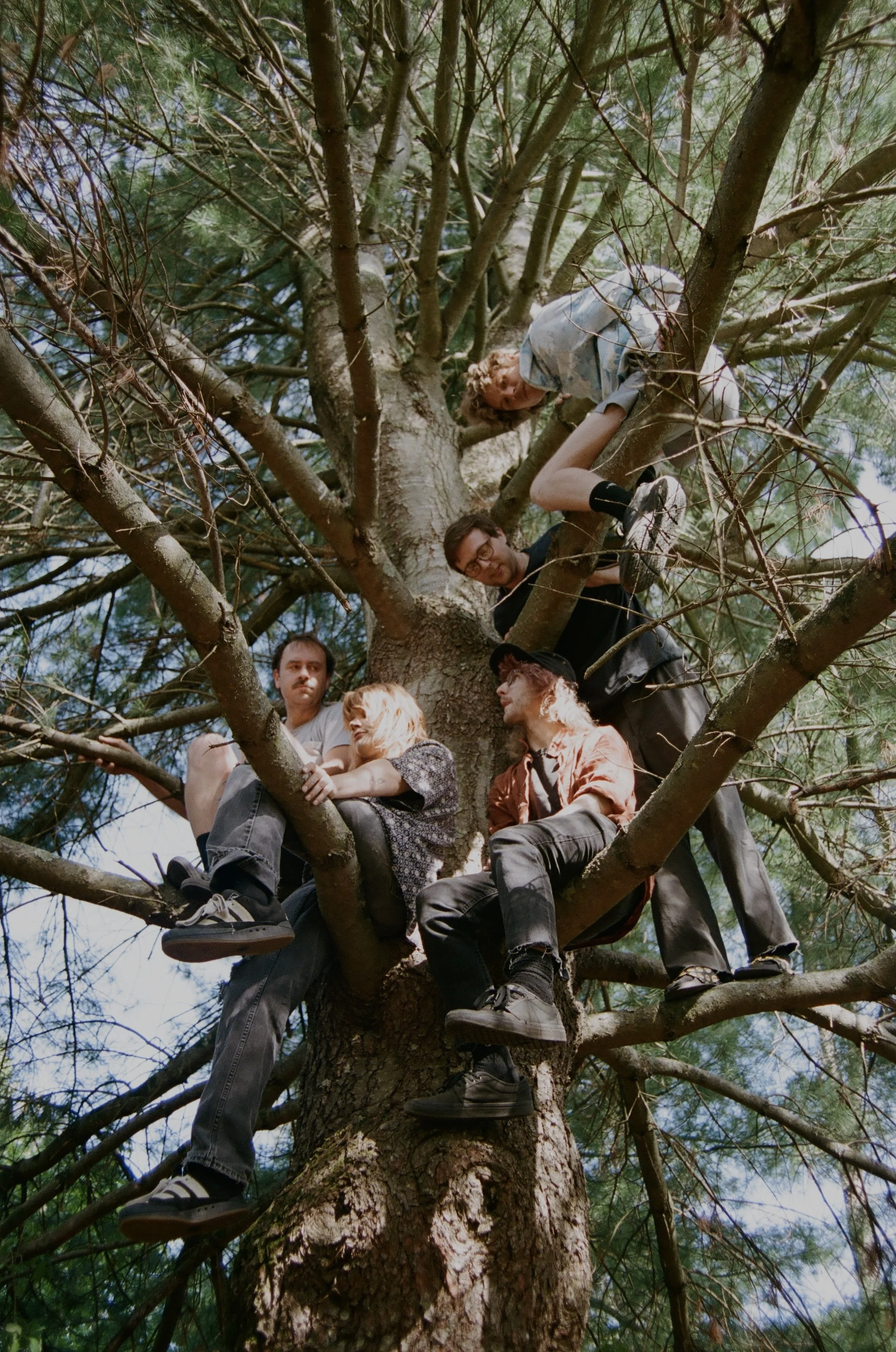
You’ve talked about nature and places like the Chippewa River as environments where you can properly sit with your thoughts. How much has Eau Claire itself shaped the sound and emotional world of gash?
Breckelle: I would say we are all nature-heads. Maybe our Midwestern and Northwoods childhoods could explain why. I remember being little and finding solace and curiosity exploring the woods around my home, just me and my dog. In the woods, past the cornfields, between bluffs and dairy farms, up a hill from active creeks, winding gravel roads and witnessing creatures and critters of all sorts fighting or making homes, this was more peaceful to me than being inside my house a lot of the time. It was as if Mama Earth herself was giving me space to be myself when I felt like I couldn’t at home.
We also like to have a beach day as a whole squadron occasionally, and what that really means is a dunk in the river. Maybe a couple of dunks. I like to think our terrain, our specific nature and scenery, and the changes of the seasons make us more well-rounded individuals.
The band grew out of basement shows, DIY spaces and evenings at Logan’s house. What did that environment teach you about making music that you don’t think you could have learned elsewhere?
Breckelle: Bearing witness to, falling in love with and eventually helping with Rash Fest at Logan’s old house was life-altering, and personality-altering. I’m glad this question was asked because it made me realise that I couldn’t really pinpoint a moment that “started it all” for me, but actually I could, and it was Rash Fest at Logan’s house.
Seeing everyone come together in this humble little rental house in the middle of town, in this sweaty, musty, dark basement, to honour these bands that sometimes travelled from Far-As-Fuck-Away-ville to play in this French-sounding town that nobody had quite heard of, to jump around wasted and connect through music and togetherness at the very peak of my young adulthood was exactly what I needed. It felt empowering in a way, and I wasn’t even the one who gave birth to it. Experiencing a variety of epic music, all bands I would never have heard about if I hadn’t gone, in such an intimate setting felt so sacred and accessible. It truly solidified my feelings about how divine, beautiful, gorgeous and precious music is.
The fact that my LOVER gave that to me, and continues to give that to me, is something I reflect on often and something I never want to take for granted. As far as applying that to making our own music, I just hope everyone can have that feeling I had watching bands in that basement: having your mind crack open because you couldn’t even fathom some of this shit sonically, and yet it was playing out right in front of your eyes alongside your friends. It’s absolutely accessible for everyone.
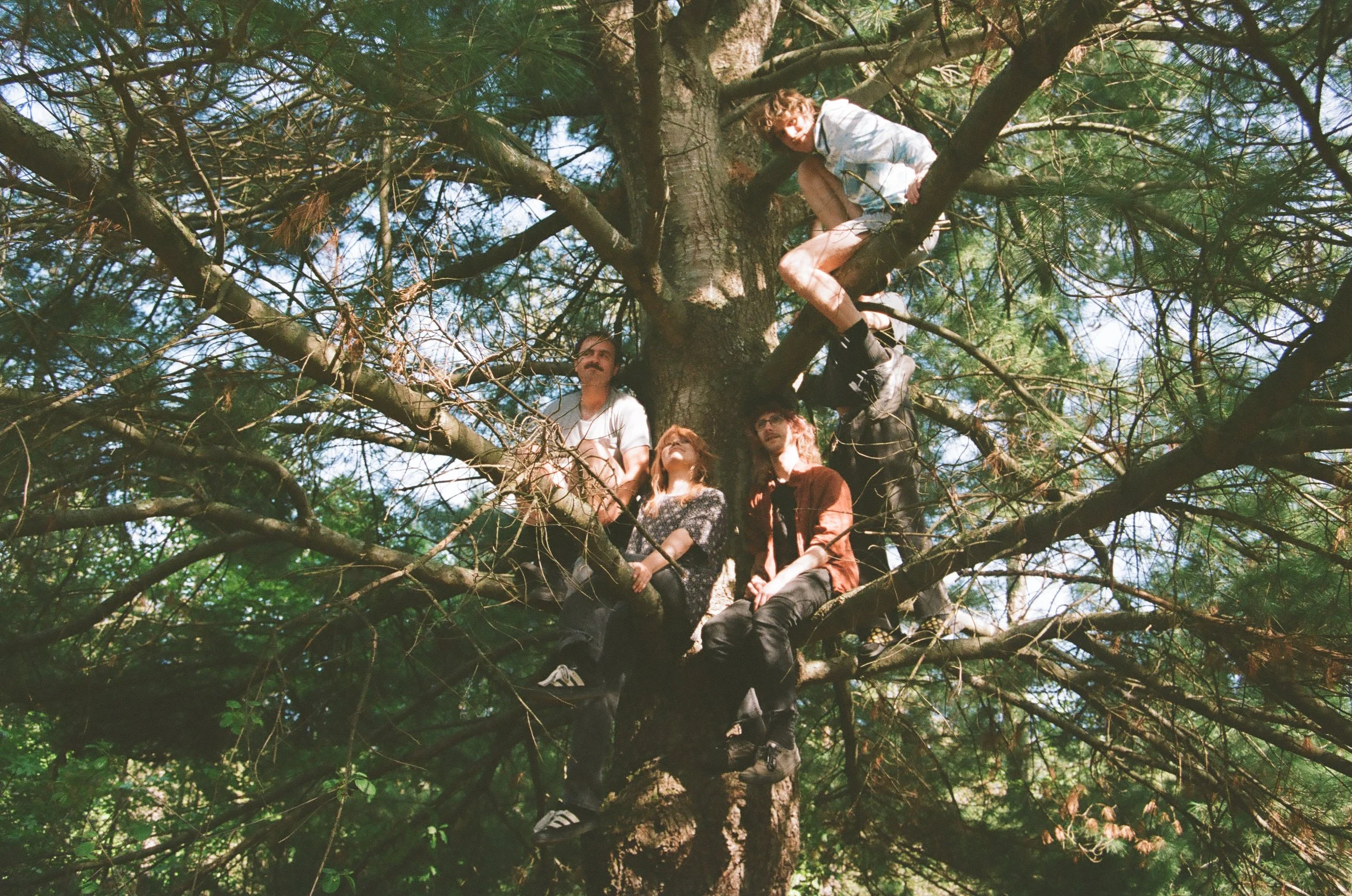
Breckelle and Ricky both essentially went from being part of the community around gash to becoming members of the band. How has expanding the line-up changed the way you write and understand what gash can be?
Logan: Ricky and Breckelle make all the songs better and largely contribute to the visual aspects of gash. I respect both of their ideas and opinions. I know I can show either of them something stupid I made and they won’t judge me if it’s trash.
You self-directed the video for ‘Risking Heaven’, and the visual side of gash seems closely connected to the music. How important is it that the artwork, videos and imagery come from the same world as the songs?
Logan: Very. Breckelle is the most talented artist I know. When I ask her for a design, she always does something badass. The end result is always more fulfilling knowing that it all came from gash.
You recently played Bon Iver’s Eaux Claires Festival, which feels particularly significant for a band so connected to Eau Claire. What was that experience like for you?
Breckelle: I don’t think words can quite quantify how special it was, how right it felt, how pure it was and how supported we felt. It was truly magical. I felt something divine in the air the whole time. I can’t even explain it.
Logan: It was awesome. Grateful to everyone who showed up early to catch gash. Load-in was five minutes away.
What do you love right now?
Breckelle: LOVE! I really fuck with world peace, love and harmony, and the magic of friendship and unity right now. God is good.
Logan: 80s King Crimson. That shit got me practising guitar again.
What do you hate right now?
Breckelle: I HATE HATE!!! No, but really, I cannot bear to stand any divide-and-conquer or fear tactics. My radar has been going off like crazy with that shit. We need to come together and lead with our hearts. So any agenda that goes against that, I see right through you. Stay the fuck away from me.
Logan: As a certified hater, many things.
Name an album you’re still listening to from when you were younger and explain why it’s still important to you.
Breckelle: I Brought You My Bullets, You Brought Me Your Love by My Chemical Romance.
It’s so important to me because it inspired a guitar-based sound that I love to this day and that shows in our music. MCR remain the most unproblematic, and I really relate to Gerard Way, LOL. I was in the MCRmy, a true fangirl. Regardless, the album is all bangers. It has this nostalgic tone, which I think is partly due to the guitar tone itself, consistent throughout each song, and yet every song is so unique and different from the next. I love the dark themes, the horror-movie vibe of the cover, all of it really.
I almost see it as existing outside of just being an object. It’s more than a CD you can hold in your hand. I ran to it as an angsty teen, as an angsty and abused young twenty-something-year-old, and I run to it now as a grown adult woman. It was there for me my whole life, like a best friend. I just love it.
Logan: When I was in sixth grade, I was visiting my dad in Minneapolis. We went to Cheapo and I made him buy me Riding in Vans with Boys. It follows the band Kut U Up as they tour with Green Day and Blink-182 in 2002. I still listen to their first record all the time.
When someone hears your music for the first time, what do you hope sticks with them?
Breckelle: I would hope it sparks a morbid curiosity within them which, through such unconventional ways and thought processes, eventually leads to them finding out more about themselves. That eventually leads them to wanting to know more about others, which eventually leads them to loving others, which eventually leads them to loving themselves.
Logan: That it is honest. It’s OK if people don’t like it or if it’s not for them, but hopefully they can still feel that we are just being ourselves.
Photography By: Troy Hoyt