
Every Gorillaz Album Ranked From Worst To Best
Gorillaz have spent 25 years constantly reinventing themselves, but which of their albums stands tallest?
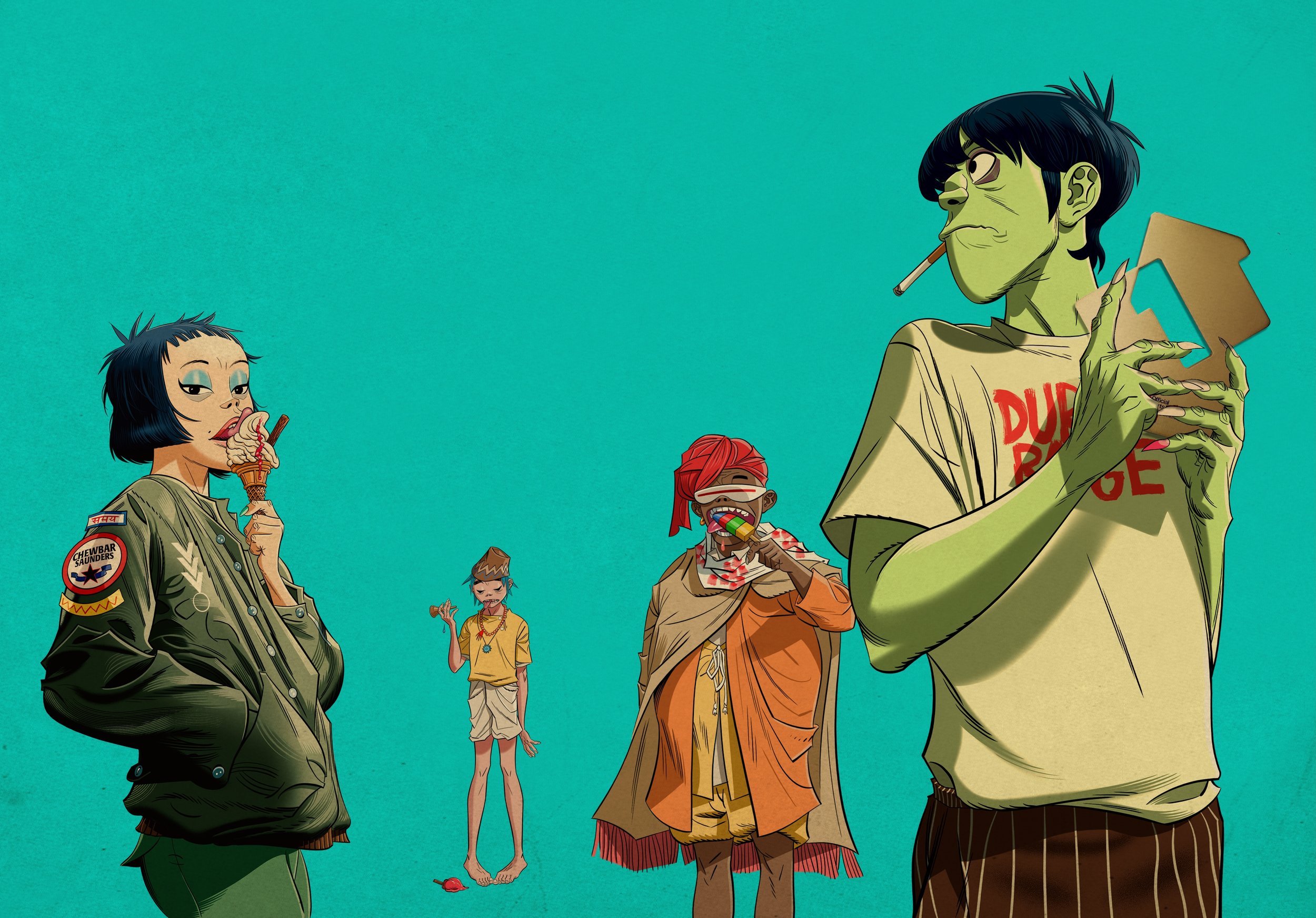
Rejecting years of persistent suggestions from my older brother to listen to a band he insisted I would love, it wasn’t until one fateful day at university, when the latest Harry Styles album and greatest hits of Elton John grew to be grating, that I finally succumbed to listening to the cartoon foursome known as Gorillaz. While I remember watching the silhouetted iPod commercial featuring ‘Feel Good Inc.’ as a child, or hearing the muffled synths of ‘On Melancholy Hill’ emanating from the family car radio, it wasn’t until my first year at university that I found solace in the misfit cast of characters and their creators.
From sheer fan infatuation to eventual research subjects for my Master’s degree dissertation (which I am still adamantly trying to get Damon Albarn and Jamie Hewlett to sign), Gorillaz have been an integral part of both my personal life and academic career. As such, I have a slew of complicated thoughts and divisive opinions about their discography and accompanying lore. While I am no expert in every phase or era, I have certainly spent enough time and money writing, researching and listening to the band I also have tattooed on my body.
To keep things streamlined, compilation albums and side releases such as 2007’s D-Sides, 2010’s The Fall and 2002’s Laika Come Home have been excluded from the ranking. I do, however, feel obliged to recommend The Fall, an underrated record produced and recorded on Albarn’s iPad while touring North America during the Plastic Beach era.
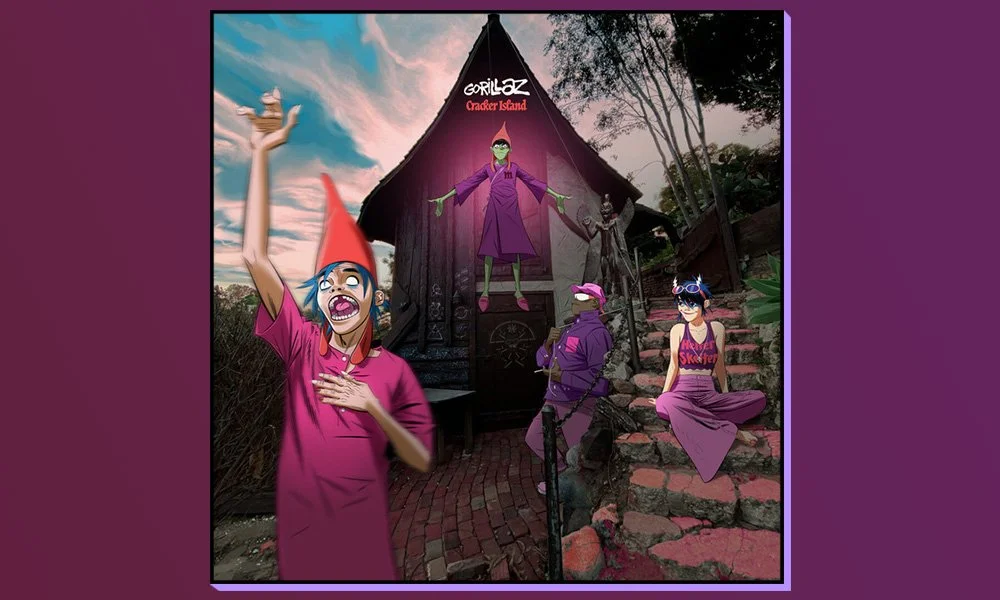
8) Cracker Island (2023)
First teased in the Fall of 2022 on their North American tour and later unceremoniously released in February of 2023, Gorillaz’ eighth studio album had all the hype and no pay off. There were promising moments from its first singles, with the punchy Thundercat featured ‘Cracker Island’ and the spacey synth-pop of ‘New Gold’ featuring Tame Impala & Bootie Brown, but the rest of the record falls flat. Despite a tracklist of exciting collaborators from Stevie Nicks to Bad Bunny, the songs felt uninspired, a bit generic, and far too formulaic for a group known for their cross-cultural minglings and genre-bending approach to music making.
From the lobotomized nature of its oddly flat visuals to its failure in marketing their members as “influencers” on Instagram and TikTok, Cracker Island was an odd direction to pursue when the attempts at Californian content creator commentary and its cult comparisons are being formed by a man who has never used social media himself, let alone own a phone. The lyrical criticisms come off as if being scolded by a parent rather than a genuine warning about the state of our world, if there is commentary to be found at all. Outside of the hollow notion of “internet bad,” it's difficult to grasp any real semblance of Albarn’s point of view, a knack he’s traditionally excelled at throughout his career.
As the most disconnected record between concept and music Gorillaz has released, it goes to show that the band’s success comes from the merger of the two to make any real impact. Cracker Island’s songs are not good enough to stand alone in the way that ‘Clint Eastwood’ or ‘D.A.R.E.’ could, even when detached from the thematic underpinnings of its albums. The production is watered down, the instrumentation is lithe, and its mid-paced chugging synth grooves lack impact halfway through the record. The most interesting and replayable songs are by far the rap-heavy features only available on the record’s deluxe edition (‘Captain Chicken’ ft. Del The Funky Homosapien & ‘Crocadillaz’ ft. De La Soul), packed with stuttering beats and funky textures far more aligned with the strange yet distinctive sound characteristic of Gorillaz.
Simply put, if I wanted to listen to a good pop song, shallow and formulaic or not, I wouldn’t revisit Cracker Island to find it.
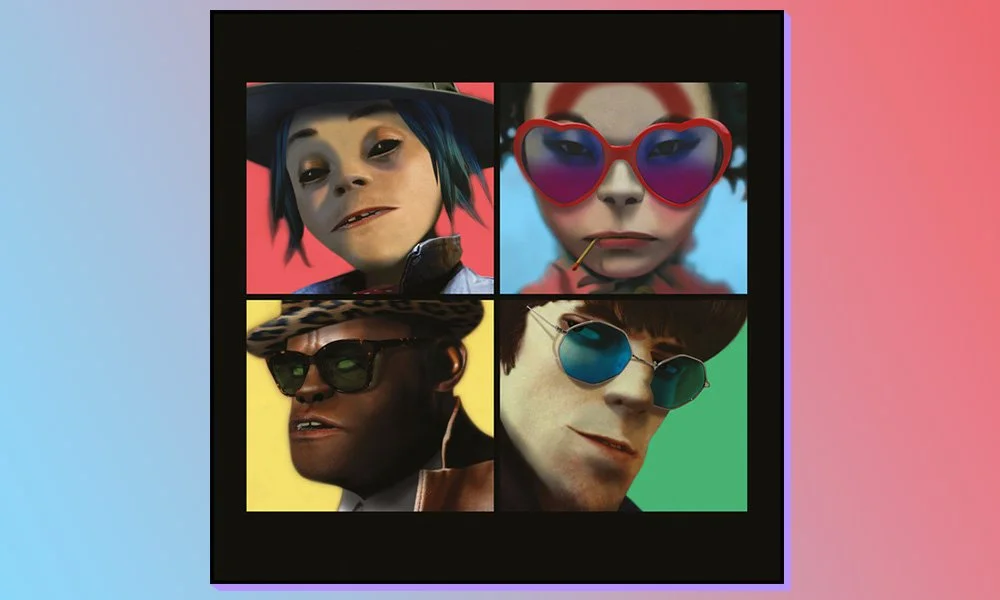
7) Humanz (2017)
Returning from a six year hiatus with their most feature-heavy record up to this point, Humanz attempted to rehash the band’s already played-out exploration of dystopian escapism and drug-fueled hedonism in response to political upheaval and societal collapse on the cusp of a Donald Trump presidency. However, the record and its themes are bogged down by Albarn’s inability to rein in and refine his musical experimentation. Conceptualized as a soundtrack for a party at the end of the world, Humanz is a scatterbrained assortment of relentlessly high-energy tracks infused with heavy synthesized techno rhythms, R&B vocal stylings, and electric house beats tied together by Albarn’s signature melancholic melange, whose tracks work to varied results.
When the experimental production and juxtaposition of varied genre-bending sounds and stylings come together, Humanz tracks are lively and infectious, perfect fodder for the apocalyptic dance floor. The bleak sirens introducing frenetic arrangements of the spacey ‘Ascension’ are electrified by Vince Staples' sharp lyricism. The glitchy bright synths and pithy bass on the Mavis Staples and Pusha T track, ‘Let Me Out,’ is a funky fusion carried heavily by the commanding character of Staples’ resonant, husky vocals. On the opposite side of the spectrum, ‘Sex Murder Party’ is an unwieldy and incongruous amalgamation of musical elements. ‘We Got The Power’ is a corny stab at a unifying ode to humanity. The buzzy electric guitar chords of ‘Charger’ somehow manage to underutilize a Grace Jones feature.
It’s unsurprising the record's more melancholic tracks are some of its most successful. ‘Ticker Tape’ featuring Carly Simon & Kali Uchis is an arrestingly atmospheric crackling of ghostly synthesizers, and warm, intimate vocals that vividly illustrate Albarn’s tact for magical melancholia. The languid ‘Busted and Blue’ displays a similar draw, its somber production and sensual background vocals hypnotically weary.
Despite its central premise, the politically charged nature of the record lies more in its featured artists’ lyricism and perspective than in the rehashed sentiments explored by Albarn. While this may work in accentuating its central themes, there is nothing to tie together Staples’ criticism of police sanctioned violence to Pusha T’s detailing on street life and reliance on religion for a sense of sanctuary that makes the album and its supposed themes feel unified. It’s more so a chaotic playlist of tracks that feel indulgent on Albarn’s behalf to use Gorillaz as a vehicle to work with whomever he pleases rather than an honest attempt at creating a coherent multicultural critique on 2016 Trumpian times.
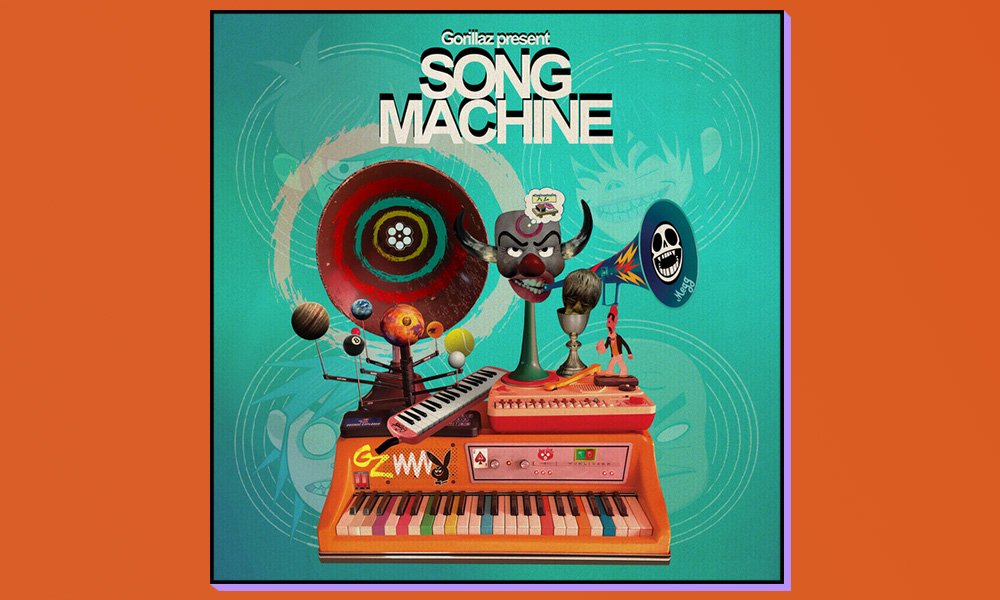
6) Song Machine, Season One: Strange Timez (2020)
Released during the COVID pandemic in 2020, Song Machine is interesting in the sense that the album rollout suggested by its singles seemed to be carefully thought-out, exciting, and new territory for the band before unforeseen circumstances threw a wrench in the works. Following the formula first set by Humanz, Song Machine featured collaborators from top to bottom of its tracklist, gathering music icons from Elton John (‘The Pink Phantom’) and Robert Smith (‘Strange Timez’) to more underground artists like American rapper JPEGMAFIA (‘MLS’) and global musicians like Malian singer-songwriter Fatoumata Diawara (‘Désolé’).
With no over-arching concept, due to intent or in part due to the worldly events that overtook it, Song Machine wisely restrained the traits of over-expansive indulgence that plagued Humanz, each feature perfectly fitted to their accompanying track, unified predominantly by tone in lieu of sound. Exploring some of their most diverse sounds and global stylings yet, the record is a jubilant display of post-genre bliss full of rich, melodic ambience, hook-filled skittering beats, and glittery piano ballads packed with bursts of playful rap verses and affecting vocals. From the distinctive lead bass of Peter Hook on the blatant New Order musical homage of ‘Aries,’ to the electronic alt-rap punk rager of ‘Momentary Bliss’ that sits effortlessly next to the joyously soulful ‘Désolé,’ Song Machine marked an exciting return for Gorillaz from its first three singles.
As a post-hiatus release, the album offered an insight into what Gorillaz could be in the 2020s without a central premise or storyboarded criticisms to guide its direction. It succeeded at what Humanz failed to do in contributing an undeniably great record full of features that still somehow managed to retain Albarn’s sense of globalist postmodern malaise throughout without relying on a thrown together concept to tie everything together. Though not all tracks are winners, with some certainly becoming skippable upon a relisten. I’m thinking specifically of the Beck featured ‘The Valley Of The Pagans,’ which leans a little too incongruously bubblegum in its production.
More than any other Gorillaz record, Song Machine fulfilled Albarn’s inceptive goal when crafting the cartoon foursome of creating a genre-bending, thoughtful pop record, more specifically in both form and curation. As one of the few that paid money to watch the livestream concert for the album, there was a solemn feeling detached from initial elation that these tracks weren’t getting the proper live production they deserved. While one or two might have been featured on their first tour post-COVID, it’s no wonder that so many songs off Song Machine are now being featured on their latest setlist for The Mountain Tour rather than any from Cracker Island.
5) The Now Now (2018)
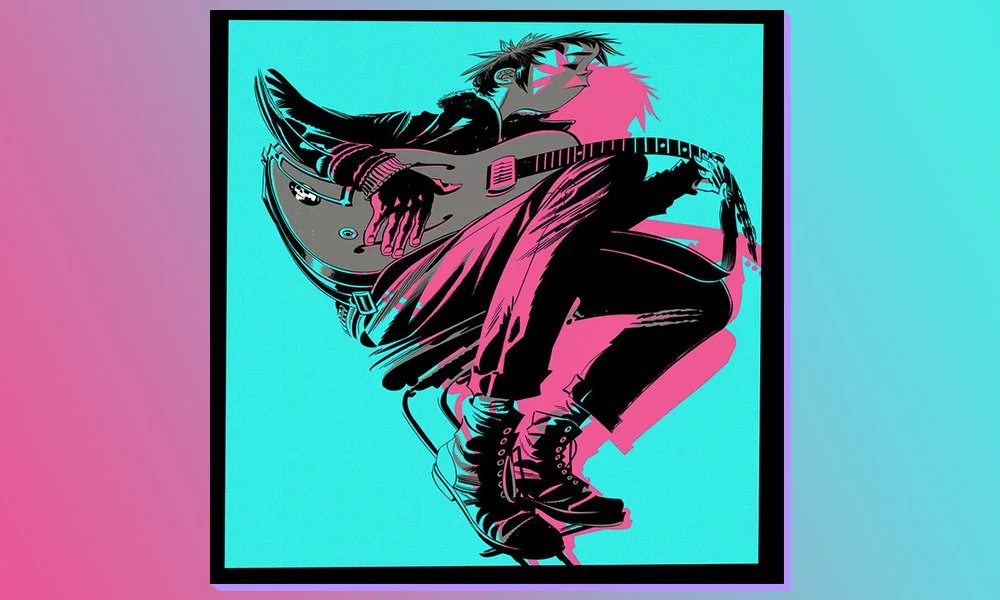
Marking their comeback from the divisive discourse surrounding the maximalist approach of Humanz, The Now Now had a lot to make up for. Spurred on by Albarn’s boredom performing the same songs every night, their sixth studio album was written during the North American leg of their Humanz tour. In direct contrast to their last release, The Now Now capped its features to three, placing Albarn’s vocally spacey malaise at the forefront of its tracks in a manner unseen since their debut. Full of gorgeously celestial tunes, near-instrumental tracks full of gleaming synths, weightlessly nonchalant vocoded vocals, and waterbed basslines, the album is chock full of snoozy charm.
The Now Now embodies Albarn’s indelible knack for mournful minor-key melancholy; the songs are immersive, softer, and tranquilly warm in tune with Blur’s more melodic ballads. ‘Tranz’ is likely the record’s most lively, a pulsating track full of chugging synthesizers, bright melodies, and a slightly fuzzy yet clean production that glows of beguiling synthetic beauty. The album’s closer, ‘Souk Eye,’ exudes a similar ambiance, with Albarn’s bleary voice ruminating on the loss of a lover over snappy synths, crispy piano chimes, and a stuttering drum machine before it crescendos into sheer electronic ethereal grandeur. The outlier by far is ‘Hollywood,’ a dubby, spikey track with an adequate verse from former Plastic Beach collaborator Snoop Dogg that leaves you continuously whelmed from opening note to final line.
While I am keenly aware my ranking of the album may be high in comparison to others, The Now Now provides a reprieve from the feature-heavy albums of their discography that acts as a reminder of Albarn’s musical talents and impeccable repertoire of which to pull sounds and sonic stylings even when detached from a musical muse. It’s seductively serene yet striking, its lyrics abstract but legible. It’s a welcoming sense of placidity amidst its tumultuous surroundings in the Gorillaz discography and an album I will die on any hill to defend.
4) The Mountain (2026)
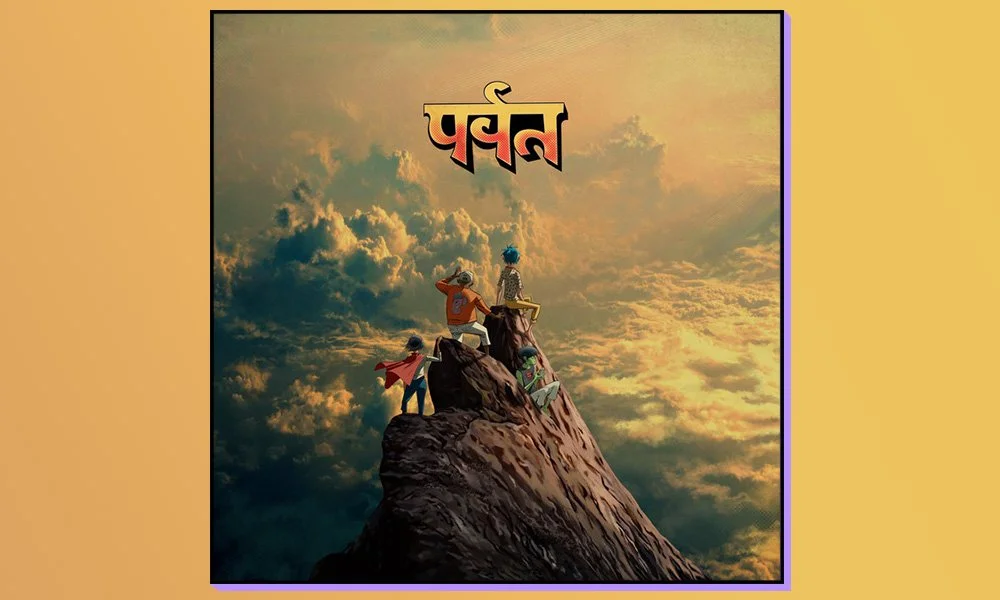
Their most recent release and an exciting return to form coming off the heels of Cracker Island, The Mountain was the most Gorillaz-sounding album in its blending of cross-cultural, globalist stylings and ambitious thematic exploration to come out since their hiatus. As most of my thoughts and feelings are laid out in my review of the record, I shall keep it brief in order not to repeat myself.
The Mountain distills Albarn’s pacifist roots and humanist perspective into a triumphant conjuncture of disparate multicultural sounds and post-genre fusion in a cohesive and coherent package akin to, but ironically not quite hitting the peak of, their sophomore album. It is an album directly informed by death and the loss of loved ones, a grief-driven journey crafted with an existential emotional gravity manifest even in its more upbeat tracks.
With a stacked cast of collaborators characteristic of most of their post-hiatus releases, a majority of artists featured are Indian instrumentalists whose inclusion on multiple tracks throughout is integral in maintaining the album’s air of spiritual self-possession and cathartic depth. The instrumentation is indisputably gorgeous, with lush arrangements carefully garnished with the airy notes of Ajay Prasanna’s bansuri or the mesmerizing metallic sounds of Anoushka Shankar’s sitar.
The multigenerational, collaborative, and multilingual makeup of the album offered a fresh sound for the band seemingly on the brink of repetitive cliché, breathing life into a concept 25 years in and proving they still have something of substance to offer. Whether they continue to outdo themselves is yet to be seen, but a thematic, thoughtful Gorillaz album constructed with the utmost care and morose wisdom in the year 2026 certainly felt like a gift.
3) Gorillaz (2001)
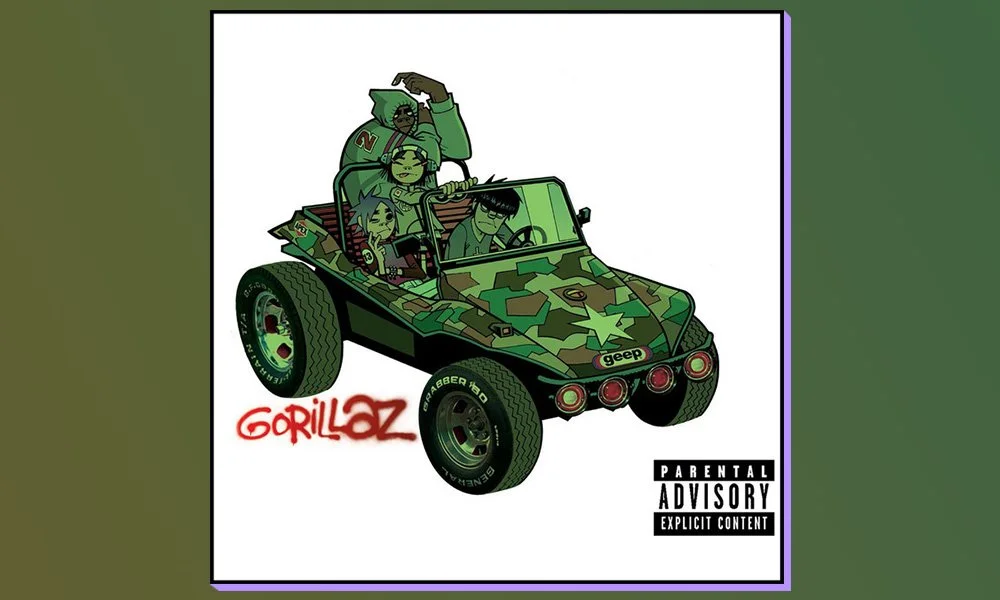
Where the anarchic foursome first began impressively remains in their discography’s top three, still sounding as fresh and innovative as when it was first released back in 2001. A jumbled, esoteric mingling of multi-cultural sounds from hip-hop and reggae to punk and alt-pop glued together by Albarn’s supposed drug-fueled falsetto, Gorillaz’ debut disarmed critics and audiences alike with the sheer audaciousness of its co-creators’ chaotic concept.
From the distorted rock guitars and steady punk drums disrupting the eerie static shouting sample taken from the Day of the Dead in the raucous ‘M1 A1,’ to the lethargic lo-fi hip-hop tune bathed in the buzzy notes of Albarn’s melodica in ‘Tomorrow Comes Today,’ the patchy nature of Gorillaz’ tracklist evokes a haphazard charm in retrospect. Its loose-limbed drum machine beats, clever use of moody omnichord presets, and curated collection of minimal collaborators created an expansive technicolor world of surprising substance.
Emerging out of its creators’ distaste for cultural forms and prominent figures and artistically grounded by their worldly influences, Gorillaz’ debut was a promising set of eclectic tracks intriguing enough for its cartoon concept to be easily digestible by audiences spanning a diverse spectrum of age and music taste. While at the time critics were unsure whether the gimmick would stand the test of time, their debut remains a vibrant glow of genre-bending tunes underpinned by Albarn’s songwriting craft and sensitivity toward the musical talents of the past and present.
2) Plastic Beach (2010)
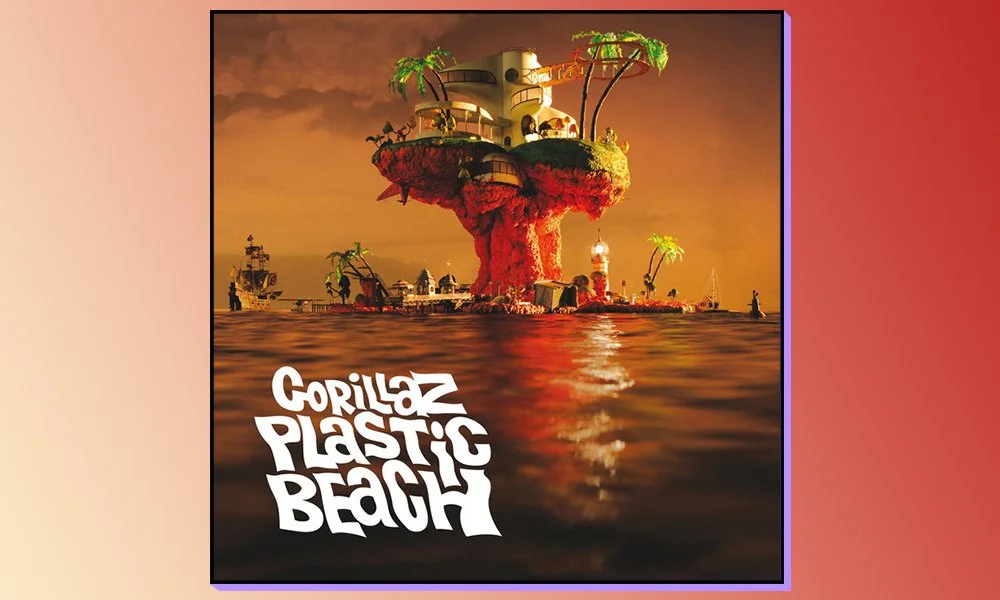
Neck-and-neck with the number one spot is what I would consider a fan favourite, the environmentally conscious synth-pop third record, Plastic Beach. A narrative album meditating on a fictionalised landscape overrun by plastic pollution and ravaged by ensuing ecological degradation, Plastic Beach started as a loose concept around the disparity between nature and artifice. Asking his collaborators to fixate on the juxtaposition of the two words, Albarn accommodated each artist’s distinct perspective in the final product - for better and for worse.
Without a doubt, Plastic Beach is home to some of Gorillaz’ best songs to date. The airy cosmic chimes and glossy piano keys barreling into an emotionally arresting and elusively beautiful sequence of subtle electronic strings on ‘Empire Ants’ is an immediate standout beside the obvious - ‘On Melancholy Hill.’ Beguilingly wistful and enchantingly euphoric, the record’s third single is a perfect synth-pop tune with a bright foot-tapping hook of a chorus that manages to be just as emotionally arresting as it was on first listen. The more playful, fun tracks like the whimsical ‘Superfast Jellyfish,’ or the repetitive cowbell suffused ‘Sweepstakes’ are memorably anti-consumerist; but it's the more toned-down, atmospheric ‘Cloud of Unknowing’ that abandons musical artifice to truly evoke the album’s aim as Bobby Womack’s gravelly rasp carries an emotional weight of desperation that hauntingly permeates the tracks' wary symphonic strings and sounds of the ocean.
Where Plastic Beach pales in comparison to Demon Days is in the tightness of the latter’s concept and the prophetic potency of its political perspective to which Albarn was unshakably dedicated. A pacifist through and through, there is a palpable air of urgency and humanist concern that comes across throughout the brooding tone of Demon Days that, outside of its undeniable tracklist of bangers, challenges its audience to confront the failures of the familiar with an urgency unfound on any other Gorillaz record, even the beloved Plastic Beach.
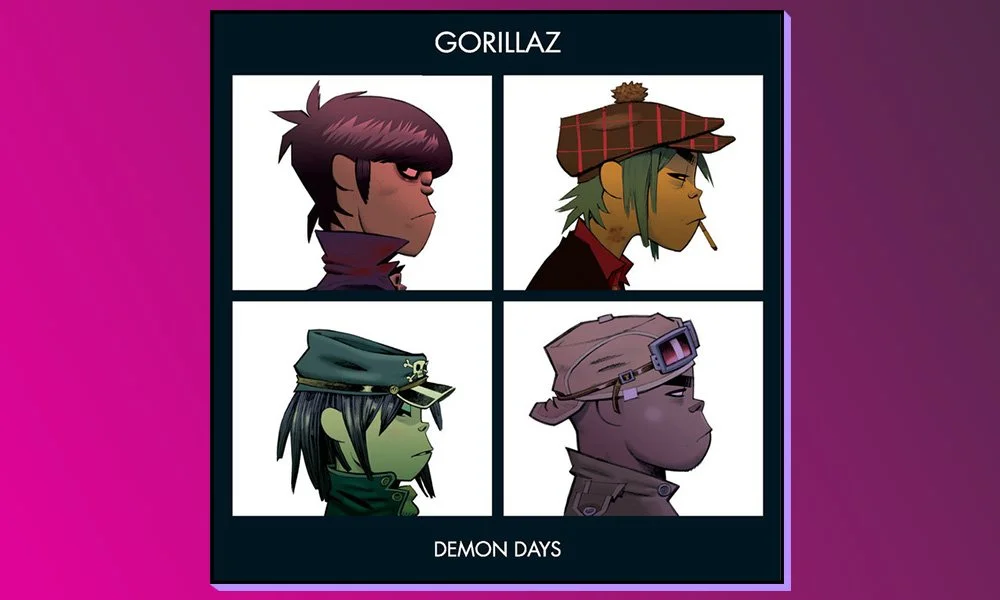
1) Demon Days (2005)
Out of the gate, Demon Days sets up a sense of surrealist unease whose musical textures serve to highlight the lyrical themes it explores in such a successful way it continues to leave me dumbfounded on every relisten. Written and recorded in a period characterized by the looming threat of civil liberty clampdowns, manmade destruction, and desensitization to violence amidst the ongoing war in the Middle East, Albarn gave Gorillaz a gritty revamp in an attempt to awaken people from their ignorance and self-imposed isolation to reconcile with the uncertainty of the changing world.
Written as a prophetic warning about the futility of war and human greed and its ecologically destructive repercussions, Demon Days is a brilliantly inventive reimagining of the apocalyptic tone of life in a post-9/11 world. From beginning to end, every track is infused with a dreary sense of disorientation, its lyrics peppered with infectious hooks, sticky textures, and edgy earworms, yet remaining largely fixated on the human predicament. Every single track is a head-bobbing banger, from the erratic pulse, punchy percussion, and ghostly synths of ‘O, Green World,’ to the floaty finery of ‘Don’t Get Lost In Heaven’ with its gospel choir’s ethereal harmonies that seamlessly swirl into the beautifully pensive admonition that is the closing track, ‘Demon Days.’ The record’s more upbeat tunes are some of the band’s most commercially successful, with the omnipresent, groovy bass riffs of ‘Feel Good Inc.,’ the child choir garnished alt-rap critiquing war in ‘Dirty Harry,’ to the more offbeat electro dance pop of the Sean Ryder featured ‘D.A.R.E..’
Demon Days manages to merge emotion and pacifist politics in a manner that remains resonant to this day. The state of the world the record relents over feels unsettlingly similar to that of the present day, even more so emotionally affecting in that very little has changed, if not gotten worse. The past few months, or rather, years post-pandemic have felt almost otherworldly, making the audiovisual world of Demon Days (& Plastic Beach) feel progressively more prophetic and its humanist messaging more pressing. Demon Days may be wrapped up in a timely critique about the pacification of mass culture and its desensitization to images of war-torn violence, but it retains Albarn’s sense of enduring hope, pleading with the listener to recognize our shared humanity and the fragile beauty of the planet we inhabit before it's too late.