
Start Listening To: drainfly
A conversation about folklore, frailty, and the messy humanity at the heart of drainfly.
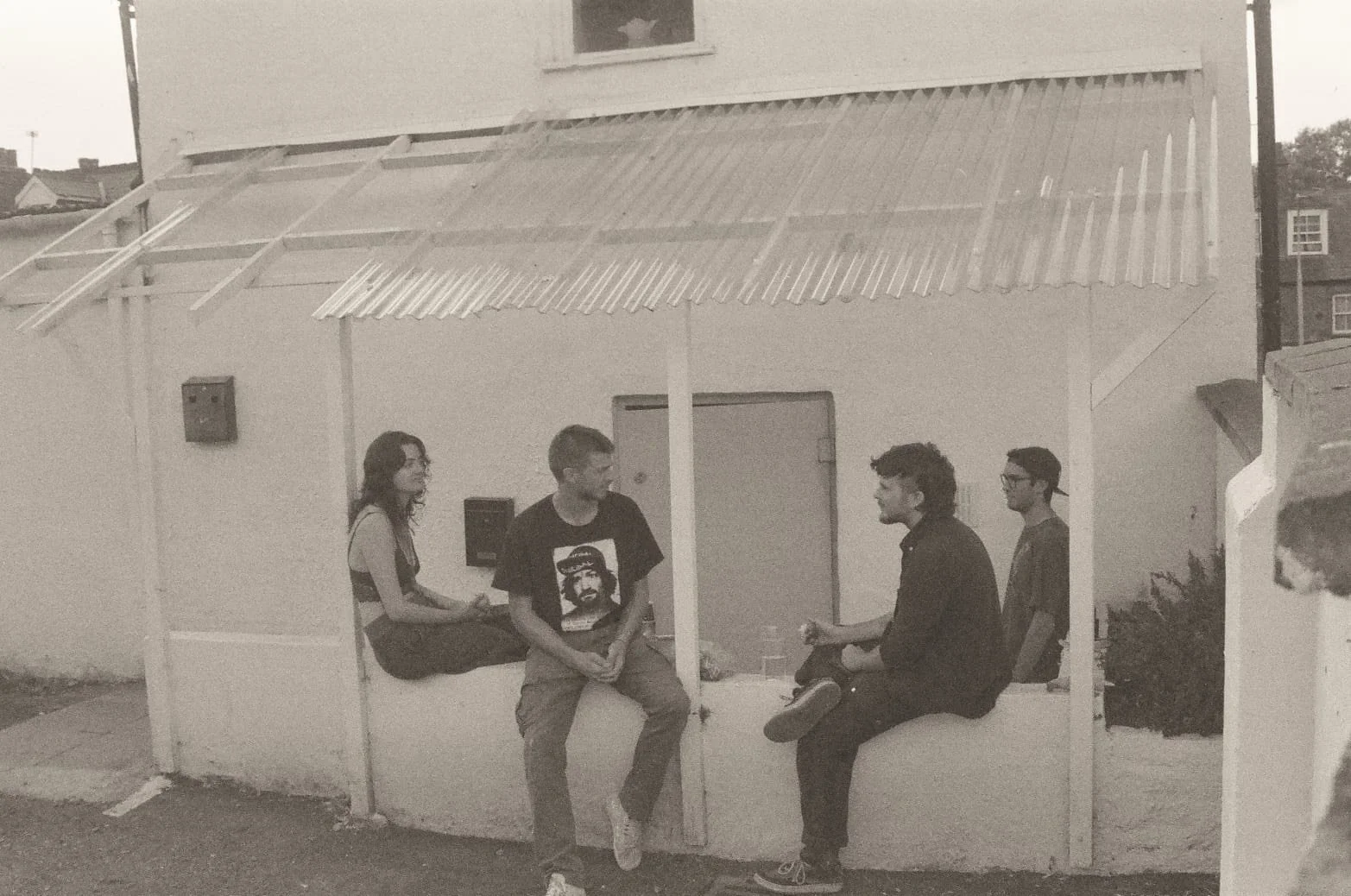
drainfly make the kind of music that feels half-whispered from another room, half dredged up from the places you try not to look. Formed by Gwen and Ben after leaving the countryside for London, their world is one of folklore, discarded memories, soft hauntings and the strange comfort found in imperfection. Their upcoming EP, bracken of her bones, digs into that imagery even deeper, drawing on synaesthesia, old rituals, and the bracken that grows over us in life and after it.
In this conversation, the band talk about uprooting themselves from their rural beginnings, recording “plumber hours” in Lorenzo De Feo’s garden studio, the fairy painting that shaped their visual world, and why they’re committed to keeping everything handmade, messy and unmistakably human. They discuss community, London’s relentless creative energy, and the emotional weight their audience holds for them. And ahead of their EP release show at Windmill Brixton, they reflect on what home means, what they’re rebelling against, and what they hope listeners feel when they step into their universe for the first time.
For those unfamiliar with your music, can you tell us who you are, where you’re from and about the music you make?
Me (Gwen) and Ben met in Bath College and started this band ‘Afraid of the Dark’ which was an early version of ‘drainfly’. After we moved to London we changed the name when our flat was infested with the creatures. We like to say we hear the music from our drains, the songs become parts of us that we wash away, the dead skin, hair and dirt. Things that are forgotten and left behind, that return to us at our most vulnerable. Sam Black (bassist) and drummers Ashleigh Seager (and new drummer Jasper Gatfield) help us achieve this sound with an attentive back line, understanding the tone and range needed to tell these stories.
Can you share the inspiration behind the title 'bracken of her bones' and how it reflects the themes explored in your EP
The title comes from one of our favourite lyrics in our ending track “Yew”. There’s bracken that grows over us through our lives, prickling at our bodies until we disappear, growing over our bones when we die. That’s what the EP is about, the bracken.
How did your move from the countryside to London influence your songwriting and the overall sound of your latest release?
In 2022 when we moved to London, the first song written here was “Teething”. It feels like an ending to the kind of music we were playing before London, nostalgic tunes written in an empty house left by my grandparents who had passed away. The London scene shaped how we wanted our live shows to look, with more intensity and energy. The general atmosphere of London probably gave us all a bit more of an edge. People mean a lot to us; there are so many in the city but we’re endlessly disconnected from them.
What was the creative process like when collaborating with Lorenzo De Feo on the production of your EP?
The EP took around ten days to record and we worked “plumber hours”, in at 9 and out at 5, because the studio is in Lorenzo’s garden and his family would come home in the afternoon. He has a lovely space and great coffee. His production approach was to squeeze ideas out of us, adding spoken word and weird sound effects we made with a metal ruler in “bean-sídhe”.
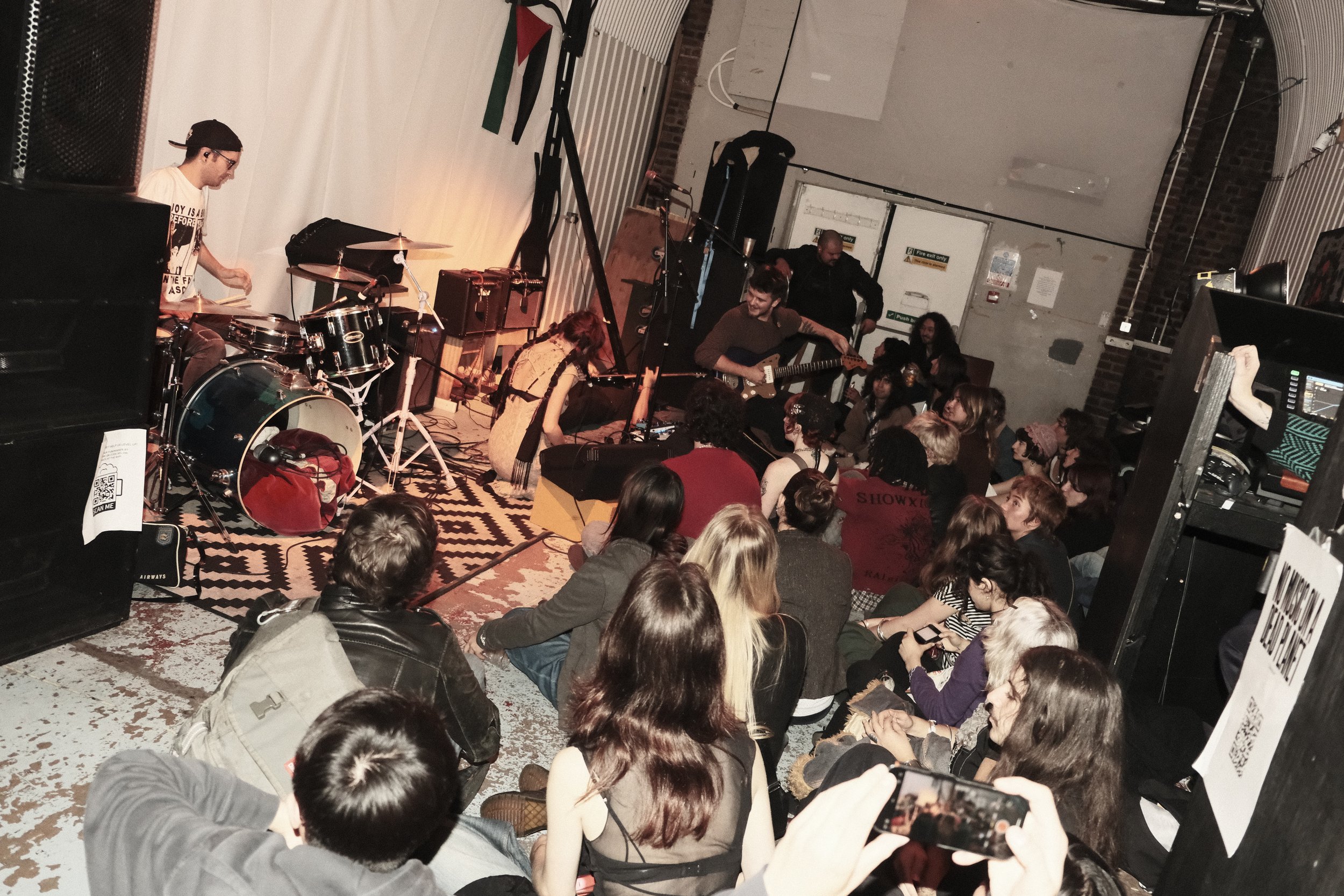
Can you describe the visual aesthetic of your music and how Gaïa Havord’s artwork complements the themes of your songs?
Me and Ben have synaesthesia so how the tracks look visually drives us a lot. We want our music to have a strong unknown aesthetic, shrouded in mystery. Gaïa’s artwork has inspired us for years and we knew her fairy painting would be the EP cover. The artwork holds such intrigue and delicacy that we knew whatever tracks sat with it would be held with the same pathos.
How do you incorporate elements of folklore into your music, and why do you feel it resonates with your audience?
Being raised pagan and constantly in spaces of folkloric musical practice from a young age means it’s not something I think about too much. I take inspiration from folktales and rituals. I think people resonate with folklore because those stories express deep human emotions that are hard to put into direct words. London doesn’t feel especially ancient anymore, but its music scene still holds an important space for storytelling.
What role does the London music scene play in shaping your sound and connecting you with other artists?
The creative pool of musicians in London is like no other. So much talent and so many new ideas come out every month, it’s hard not to be swept up in it. You want to chat to other creatives and see how they’ve ended up making the music they make. It’s not just musicians; photographers and artists are making incredible work that feeds the scene too. We all bounce off each other.
How do you approach the balance between personal storytelling and broader themes in your lyrics?
It just comes naturally. I or someone I know will be experiencing some kind of extreme emotion and I’ll hear or read something that relates to it. It spirals from there into a song or poem.
Can you tell us about the handmade artwork created for your merch days and how it connects to your music?
The handmade artwork was a big aesthetic decision when we changed our name to “drainfly”. We didn’t want lazily made, retention-seeking reels or plain logo stickers. I think this generation is heading toward a rebellious art movement thanks to AI, and creatives will start making more art with human error to draw a line between human work and AI-assisted work. Cooking food and making drinks for friends while they help us make merch leans into that same idea. We use recycled lighters, bottle caps, safety pins, all with imperfections.
What are you most looking forward to about your upcoming EP release gig at Windmill Brixton?
The Windmill really reminds me of my bedroom back home, with its creaky floorboards, damp walls and brightly painted murals. It’s a space I don’t have anymore but can find in venues like this. We feel safe there. The gig is about celebrating and seeing all the wonderful people who’ve helped us get here. We’ve spent three years on this and we want to honour that time.
What does community mean to you as a band, and how do you engage with your fans and fellow artists?
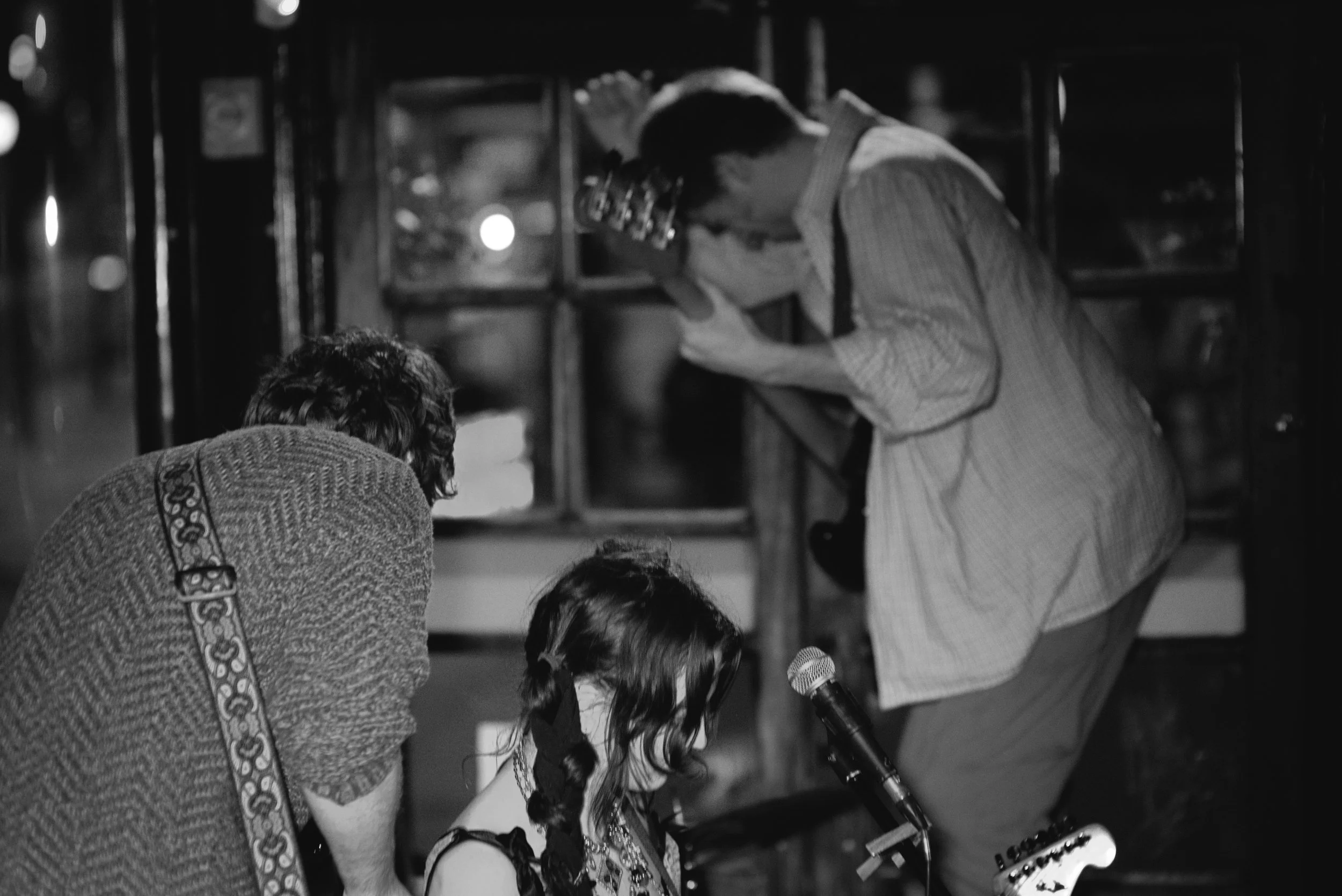
Community is the backbone of most musical followings. Without it you get a disconnect between artist and audience. Our friendship group has played a big role in growing our gigs in London; they watch every act on the lineup and give them the same energy as us. It’s grown even bigger since our merch days, bringing in more creatives and supporters.
What do you love right now?
I love people. Music can be raw and painful, especially to the person writing it, and audiences hold space for that. It’s beautiful.
What do you hate right now?
I hate how disconnected we’re becoming. I wish music existed physically again. Instagram and TikTok shouldn’t need our time for success; their content means very little.
Name an album you’re still listening to from when you were younger and why it’s still important to you?
Me and Ben started the band because we loved Daughter. It has to be ‘Not to Disappear’ for that reason.
When someone hears your music for the first time, what do you hope sticks with them?
I’ve never listened to our music for the first time so I don’t know what people should feel. Probably a bit sad, a bit happy, and a bit more connected to something.