
The Cribs - Selling A Vibe Review
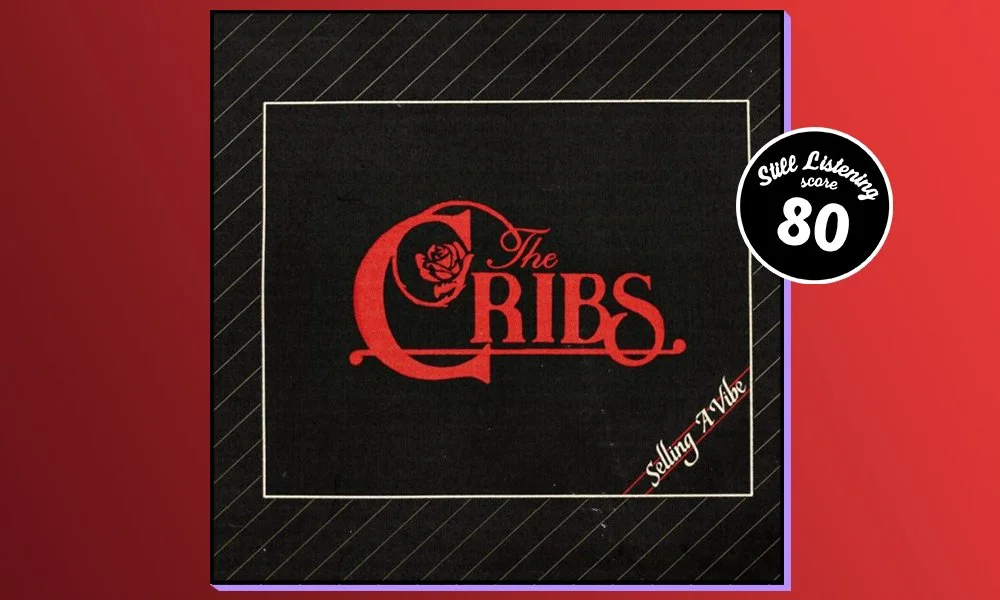
The Cribs return sharper and more polished than ever before.
Last year it was surprising to see The Cribs join a nostalgia bill of post-Strokes indie-rock bands celebrating 20 year anniversaries of the albums that made them. Kaiser Chiefs headlined with their debut album Employment while Razorlight and We Are Scientists dusted themselves down and cranked themselves up to play Up All Night and With Love and Squalor to tens of thousands of people in a field in Leeds. The surprise wasn’t that The Cribs had been booked to play such a large show, or that it had been 20 years since indie bands held dominant positions in the UK charts, but because they had been booked to play The New Fellas, their second album, in full. The New Fellas isn’t a bad album - it has since reached silver status, but it’s hardly the lynchpin of the band’s career, either.
Rather than having one huge album and several others that fall short of replicating its success, The Cribs has continually altered and improved on the lo-fi of their first two records. With D.I.Y. in their blood, they have tended to do things their own way. Early on, this meant a relentless touring schedule that rendered singer and guitarist Ryan Jarman effectively homeless for a decade. Recently the band’s single mindedness has even seen them become their own legal representation in a dispute over the rights of their music. A dispute that saw them win back the rights to their first five albums. With such success following their own lead you might forgive The Cribs, which is made up of fellow Jarman brothers Gary (vocals and bass) and Ross (drums) for being creative isolationists. But they are not. The brothers have always taken on the advice of their peers, who happen to include the biggest names in indie rock. Under Alex Kapranos’s stewardship, the band added more guile and sounded less abrasive on their decisive move forward, Men’s Needs, Women’s Needs, Whatever. Then Johnny Marr joined and contributed to a wholly more melodic album in Ignore The Ignorant. While Ric Ocasek helped to make their guitars sound like synthesizers when he produced For All My Sisters, until now the group’s poppiest effort.
It was intriguing then to see what impact hiring Patrick Wimberly, known more for his work with popstars (Caroline Polachek , Beyonce) and rappers (Lil Yachty) than guitar bands, would have on The Cribs sound. The answer: on Selling A Vibe The Cribs are cleaner, more polished and lean in once again to a poppier sound, while retaining their well established DNA. Wimberly’s influence is heard most in the guitars that sound like they have been held against a whetstone: sharp and unrelenting. With all the frayed edges of feedback shorn away, songs like ‘Dark Luck’ and ‘Rose Mist’ feel like having your skull-crushed by a lollipop. While on ‘Selling A Vibe’ and ‘If Our Paths Never Cross Again’ the band sound as if they’re hurtling towards the edge of the earth, singing bubblegum vocal melodies.
The Cribs demoed two songs that would make it on to Selling A Vibe with Gordon Raphael, the man who is partways responsible for the resurgence of indie bands in the early 2000s, having produced the first two The Strokes records. The Strokesian ‘Summer Seizures’ and ‘A Point Too Hard To Make’ are amongst the records best. The former is tightly arranged with subtle, warming synths and palm muted guitars that tip-toe around the reflective mood Ryan Jarman finds himself in as ponders half a lifetime passed. Whereas the latter, with its bubbling rhythm section and verses that suddenly snap into splashes of chorus that Gary and Ryan share alternate lines of, achieves the remarkable feat of sounding completely fresh and reassuringly familiar at the same time.
The Cribs has been making smart, catchy and often brilliant songs for over two decades, but there was no guarantee that they would make Selling A Vibe. They have spoken in interviews about how they had unknowingly become a band that happened to be brothers, rather than brothers who had a band. This plotline is uncovered in the album’s restorative closer ‘Brothers Don’t Break’ where Gary refers to a distanced relationship “Although I held you close, somehow I never got near” and their time in the music business as “holding the line”. Despite the rocky context the song is a confident call to arms that confirms The Cribs well worthy of their masterful longevity. How do they do it? As Ryan’s chords clang and clasp to one another Gary barks with pomp “Brother’s won’t ever break”.