
Start Listening To: Group A.D.
Leeds collective Group A.D. fuse cinematic strings, post-punk bite, dub echoes and sample-heavy electronics on debut EP Colour Space Transform.
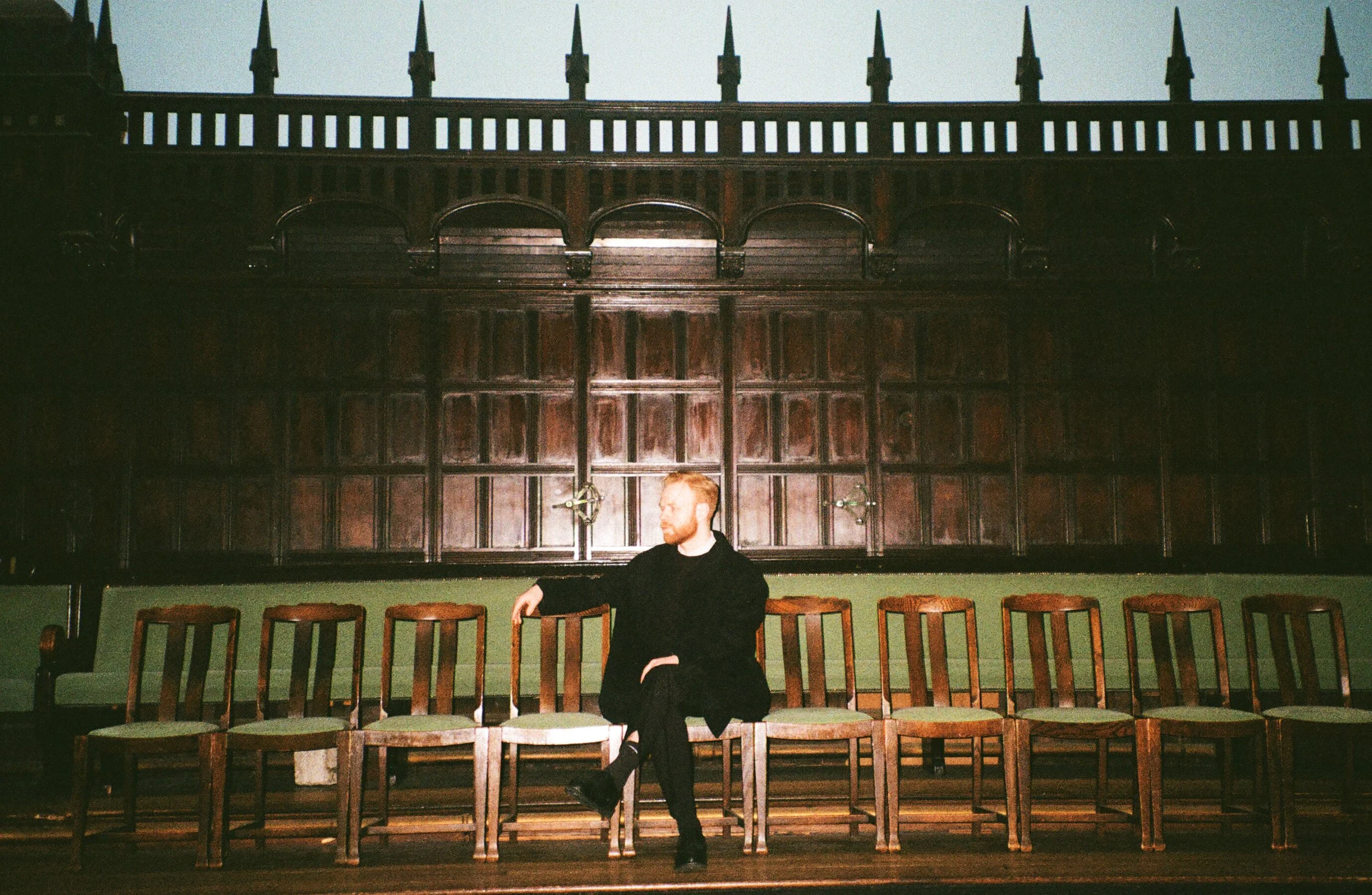
Group A.D. is a seven-piece project from Leeds, led by Aidan, making music that sits in the overlap between film soundtracks, post-punk, dub, electronic music and orchestral arrangement. Built around dense sampling and bold shifts in mood, their debut EP Colour Space Transform is designed to feel dynamic and constantly moving, with tracks that evolve as they unfold rather than settling into one style.
In this Q&A, Aidan breaks down how the EP came together, from writing spontaneous demos at home with synths, guitar and found sound, to shaping the final versions as a band through rehearsals and studio sessions. He also talks about the cinematic influences behind their visual world, the balance between chaos and lush string arrangements, and why Group A.D. is less interested in copying reference points than hinting at them in new ways.
For those unfamiliar with your music, can you tell us who you are, where you’re from and about the music you make?
I am Aidan - leader of Group A.D.
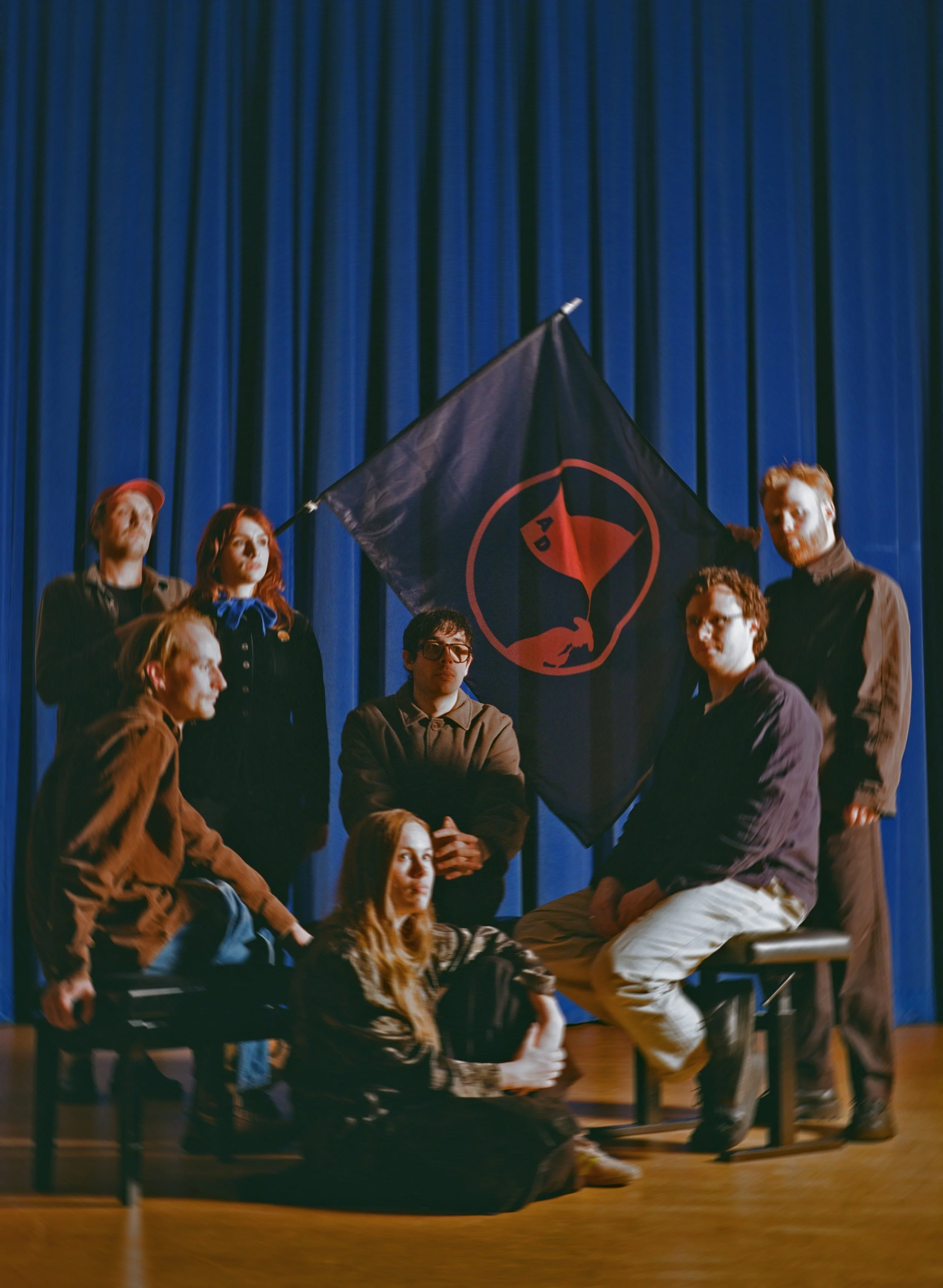
Group A.D. is a music project from Leeds, comprised of myself and six others. The music Group A.D. makes lies somewhere between film-soundtracks, post-punk, dub, electronic and orchestral, and always including lots of samples.
What inspired the title 'Colour Space Transform' and how does it reflect the themes explored in your debut EP?
A ‘colour space transform’ is a process used in video editing and colour grading, where footage is taken from one colour space into another. I’ve always enjoyed the phrase’s dynamism and suggestibility beyond purely technical application - is it describing a process? Is it a command?
The title feels mysterious and oblique. It could be a portal or a sleight of hand magic trick. It became an interesting idea to savour when writing, particularly for the title track which deliberately transforms in musical and production style throughout. The title feels an apt mantra for Group A.D.
Can you describe your songwriting process for the EP?
The songs are written almost entirely at home by me with some synthesisers, guitars and samples. I’ll send these songs to the group and later ideas will get added in the studio and in the rehearsal room. Eric and Thom will have some guitar/synth ideas, Hannah will sing and Alex will have some drum ideas, based on the demo version. I have realised my writing process is fairly spontaneous - I go through periods of intense writing, and then nothing for weeks. That used to concern me, but I try to be more relaxed about that now.
Do you start with lyrics, melodies, or something else entirely?
It depends. ‘Colour Space Transform’ started with the string refrain. I use a symphony orchestra plugin to write the string lines, and then Anna (violins) will play those parts with a real violin in the studio. ‘Twist’, however, started with a collage of samples arranged into a rhythm. Lyrics often Writing songs for Group A.D. is all about arrangement, placement and selection. The chaotic samples that exist in all the songs must offer contrast to the lush string arrangements, and the synthesisers must work in tandem with the guitars.
What visual elements do you feel are essential to complement your music, and how do they influence your artistic vision?
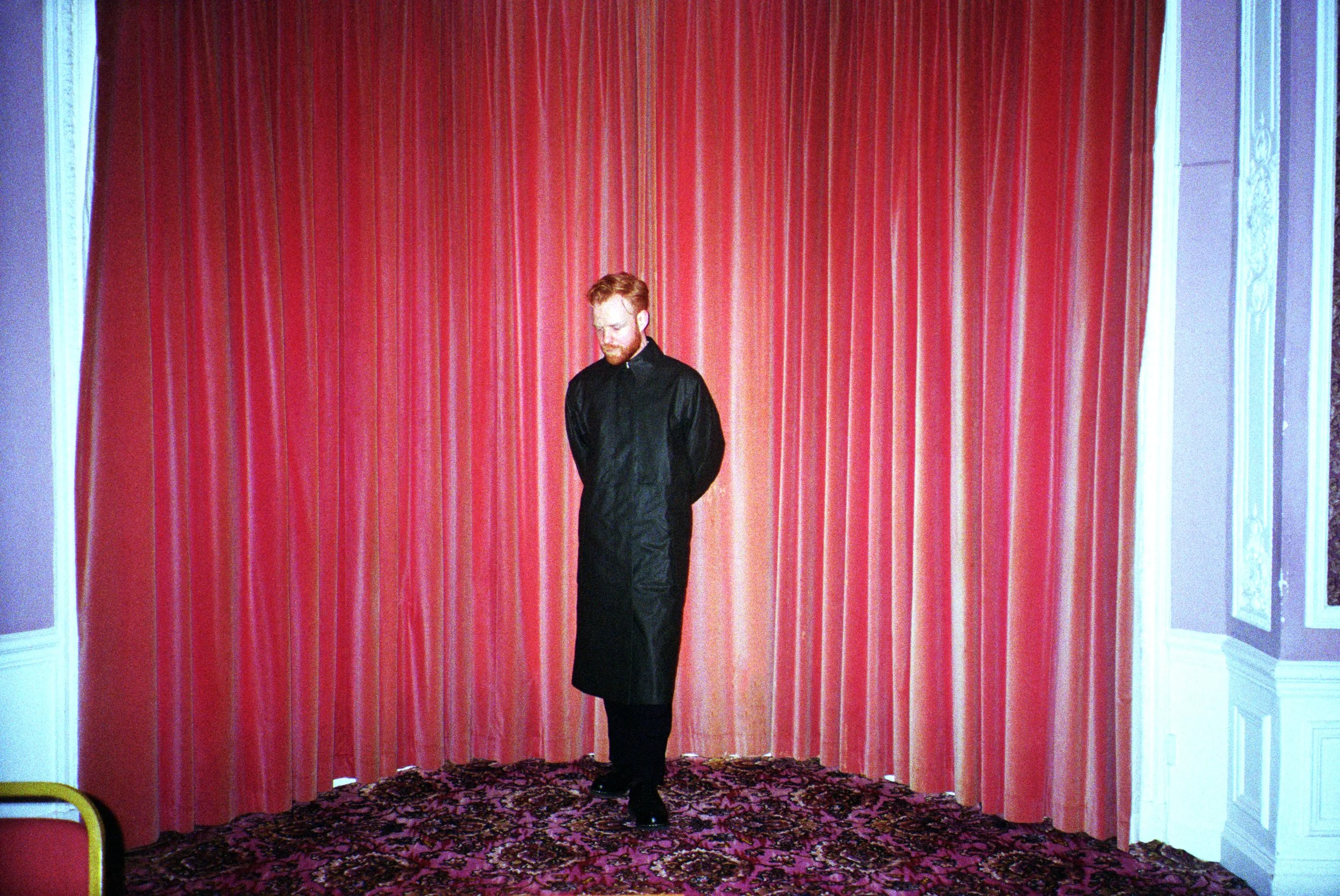
Our music of course is indebted hugely to 60’s cinema scores, and the songs are always written with a cinematic element in mind- it could be a glimpse of a scene or an idea of a film still. In this regard, the music videos, cover art and logo are extremely important, and are to be understood in conversation with the music. The cover art for the EP is an example of this- the lush vegetation in comparison with the guerrilla A.D. logo. I was thinking about Apocalypse Now, Punishment Park and the visual power of those films.
Are there particular artists or genres that significantly influenced the sound of Group A.D. during the creation of this EP?
John Barry and Ennio Morricone for the orchestral aspects, Jet Harris for the sixties aspects, Nasmak for the eighties post punk/new wave aspects. One of the cornerstones of the Group A.D. sound is the guitars - they never try to be melodic lead lines, and artists like Barrabas (Spanish funk group from the seventies), and Ahmed Fakroun really implement interesting guitar lines. By design, Group A.D. is an eclectic project, incorporating lots of different styles and genres, always trying to hint and never ape. Yet also inherently, it feels very natural for all seven of us to play an eclectic range of music- it would feel uninteresting if Group A.D. just stayed in one lane.
Can you share any stories or experiences from the recording process that particularly stood out to you or the band?
We just have a lot of fun. From me writing the songs at home, to working on the tracks more after sending them to the group, and then to the final recording session, the process goes through a few phases. One of the really fun things about Group A.D. is that everyone involved drops by on different days to record - there’s always a fresh energy. We are recording in Spain in a few weeks- we’re very excited about that.
What role does collaboration play in your music, and how do you approach working with other musicians or artists?
We haven’t collaborated with other musicians on any Group A.D. music specifically, but I did remix a track by brilliant Leeds band Ultimate Thunder for Group A.D. which was enjoyable.
It would be fun to collaborate with musicians in future, the eclectic nature of our music is such that it lends itself to features or appearances by other voices, which is an exciting proposition.
In what ways do you feel your music engages with the local Leeds music scene and its vibrant community?
Leeds has always had a vibrant music scene, and hopefully Group A.D. is an interesting part of that rich history. At the moment in Leeds, Wharf Chambers consistently provides left field and experimental line ups, and nights like Cosmic Slop are mind expanding for music obsessives. Places like the Brudenell and Belgrave are great for raucous gigs. Our debut gig was an in the round show and it felt very special and very humbling to have an audience surrounding us, many of them friends, many of whom are musicians too.
How do you see the themes of nostalgia and reflection manifesting in your music and overall artistic direction?
I see them as being one of the defining elements of Group A.D. - hugely so. In one aspect, the twentieth century influences on our music by their nature bring to mind a sense of nostalgia- whether that be the silver-screen strings, or the baritone guitars. However, beyond these stylistic musical choices, the lyrics, though often sparing, are often reflective or meditative.
What do you love right now?
I’ve been enjoying ‘Heart Of The Congos’ by The Congos - a masterful reggae album from the seventies. Iconic Black Ark production and beautiful vocal melodies.
What do you hate right now?
The increase in proliferation of far right, conservative and anti-progressive ideologies worldwide. Right-wing agendas are rife, and too many people are swayed by the easy answers to complex questions, spouted from demagogues, autocrats and dictators.
Name an album you’re still listening to from when you were younger and why it’s still important to you?
‘Loveless’ is an album that I will always return to. I saw My Bloody Valentine play in London recently, and the sheer power of their music is pure magic, I was in tears.
When someone hears your music for the first time, what do you hope sticks with them?
I hope people can find something interesting, something new and something familiar.