
Start Listening To: Dead Dads Club
A band turning shared grief into something gentle, raw and unexpectedly hopeful.
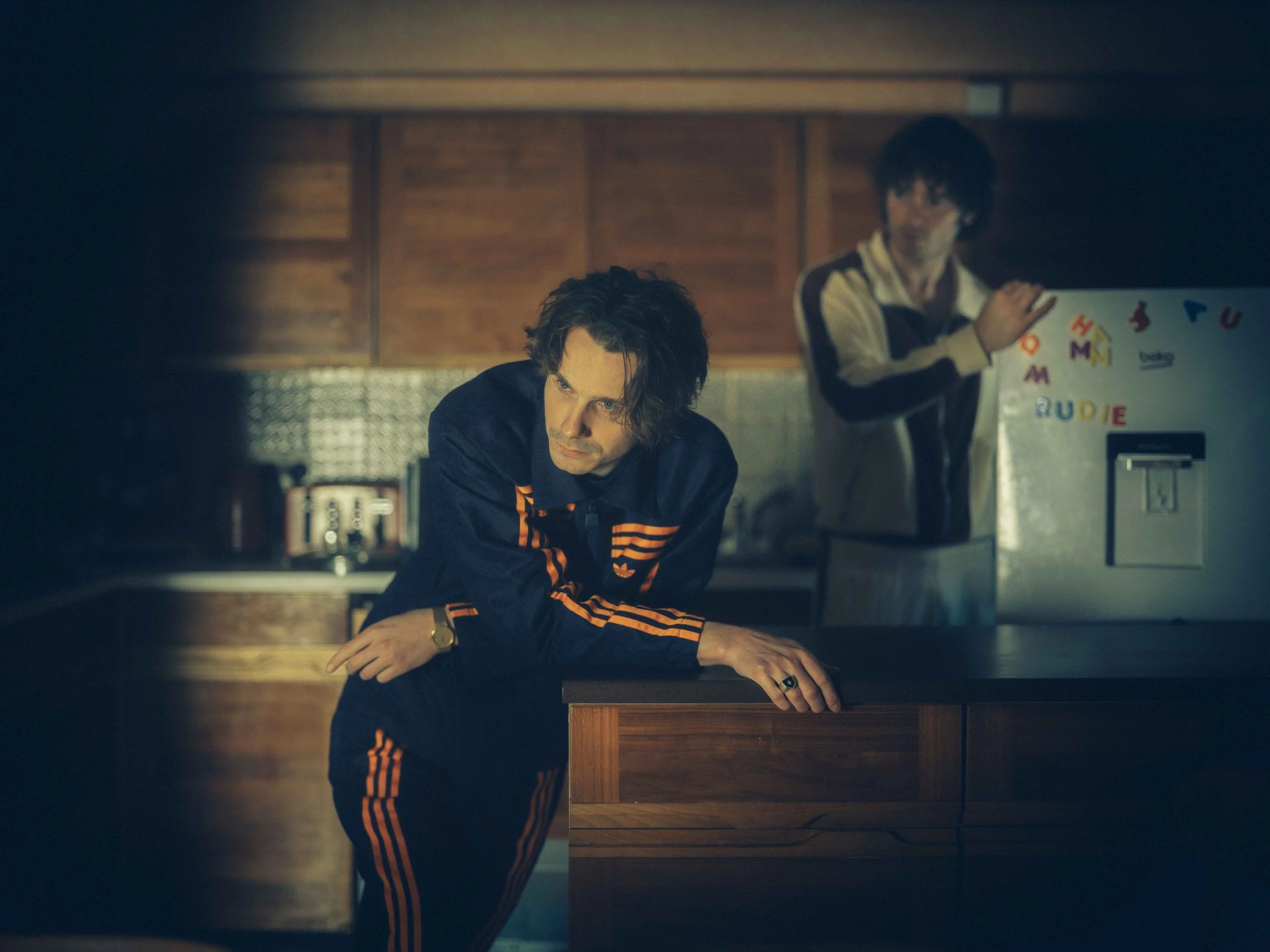
Dead Dads Club make music that sits right on the fault line between memory and emotion, where a single sentence can unravel a whole world. Formed across London and united by a desire to say something honest about loss, their songs feel intimate and lived-in, shaped by long train journeys, late-night writing sessions and the strange clarity that comes when life tilts suddenly off course. With their debut album on the way and a headline show at The Troxy approaching, the band are finding their footing in a space where grief becomes connection, and where the smallest ideas can grow into something quietly devastating. Here, they talk about the slow craft of songwriting, the collaborators who helped define their sound, and the moments that shaped the heart of the record.
For those unfamiliar with your music, can you tell us who you are, where you’re from and about the music you make?
We are Dead Dads Club from all over London. We make music for those who grieve.
We love your recent single ‘Goosebumps’, can you tell us more about how this song was written?
“In the same way most of our songs are written -There will be a specific lyric in mind based on something that interests me emotionally. Then We start by building around a single sentence on acoustic guitar, figuring out its core melody, and then bring it to the band to turn it into a real song. The process is slow, but it’s rewarding when it works - which isn’t as often as we’d like.”
What was the most challenging part of writing and recording your upcoming debut album, and how did you overcome those challenges?
I suppose the most challenging part was finding the time to record the record. I was away on tour a lot, and we had a specific studio Carlos and I wanted to use. Luckily, there was an availability between a run of shows, and we managed to cut the whole thing in five days
Can you describe your creative process when writing songs for this album?
Most of these songs began the way a memory begins - with a single line. I’d sit with that sentence on an acoustic guitar, circling it, teasing out its melody,. Once the heart of it revealed itself, I’d bring it to the band, and together we’d try to turn it into an actual song. It’s a slow process, and more often than not it collapses under its own weight. But when it works… it feels incredible
Do you have specific rituals or environments that inspire you?
Long train journeys. There’s something about the landscape slipping away, the rhythm of the tracks, the feeling of being nowhere and between things - that strange corridor space - where ideas seem to gather. Grief behaves a little like that too: always in motion, always just out of reach.
How did collaborating with Rupert Greaves and Carlos O’Connell influence the sound and direction of your debut album?
Rupert and I have been working together for years, and at this point he finishes all my musical sentences. He understands instinctively what a song needs to rise just a little higher, to reveal the thing trembling beneath it. When we brought the demos to Carlos, they were a tangle of sounds - a collage with no real identity. Carlos saw the whole thing with amazing clarity. He carved out its shape, made bold creative and production choices, and in doing so stitched something into the fabric of this band that will stay with us forever.
What visual elements or themes do you hope to incorporate into your live performances?
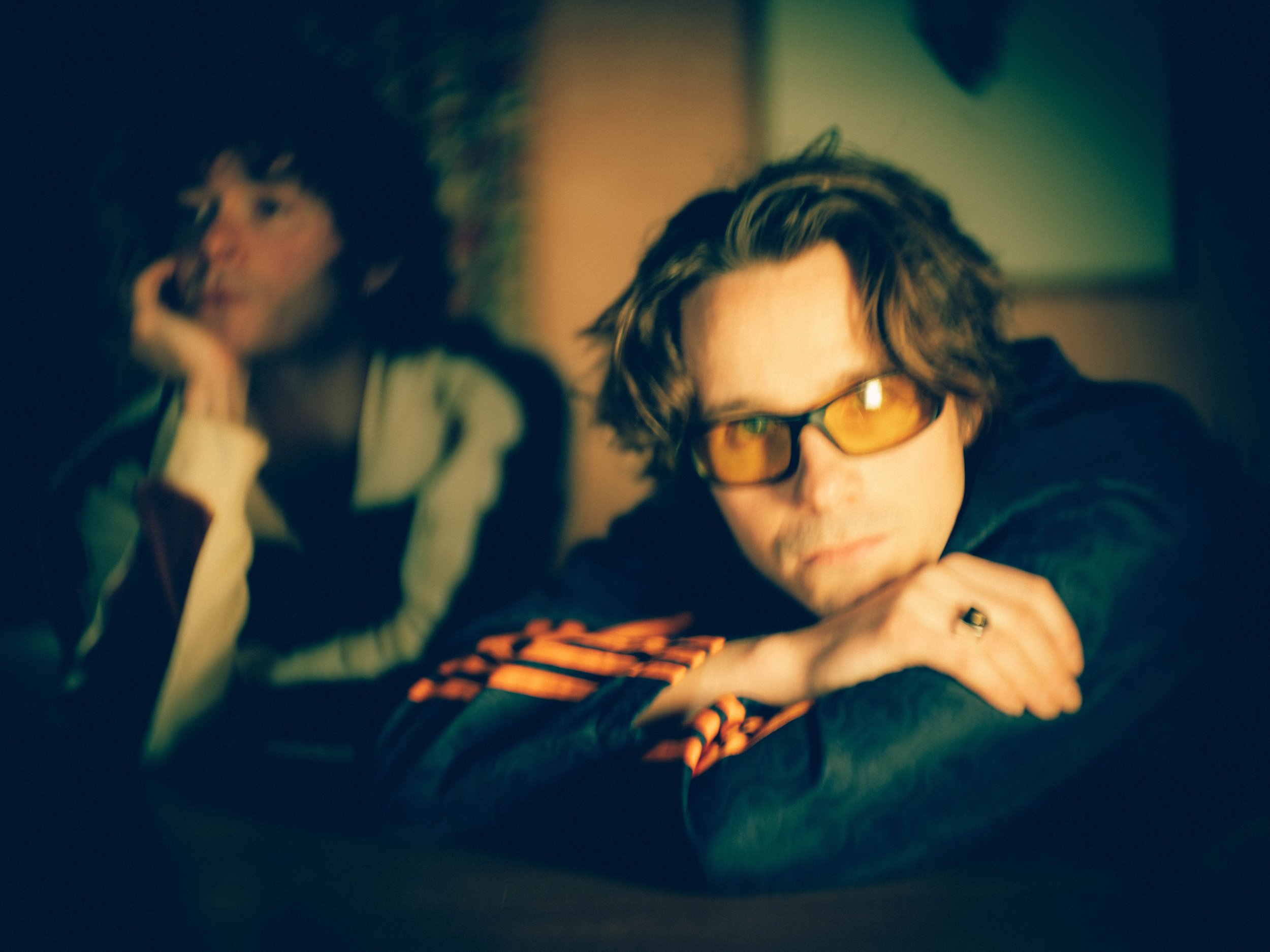
A good friend of mine, Milo, sent me an image after hearing some early demos - a smiley face drawn into a steamed-up bathroom mirror. There was something disarming about it. On the surface, it’s innocent, almost childlike, but the moment you look a little longer, it becomes strangely haunting. That tension - the sweetness and the sorrow sitting side by side - feels very close to the world these songs live in. I’d like to bring that into the live show somehow
As you prepare for your upcoming show at The Troxy, what emotions do you feel about performing these deeply personal songs live?
I really enjoy it. Performing these songs live feels incredibly cathartic - like I’m finally giving voice to something that’s been quietly living inside me. There’s also a sense of pride in it, in being able to say something true
How do you hope your music fosters a sense of community among listeners who may share similar experiences of grief or loss?
It definitely has, in some ways. Since we opened up with the band name, a lot of people have reached out to share their own experiences of grief - whether from a breakup or the loss of a loved one. I find that truly beautiful. Collective grief is powerful; there’s a quiet, unspoken connection in knowing that someone else has walked through similar places
Are there any specific tracks on the album that hold particularly strong memories or meanings for you during the writing process?
It’s only just begun with the opening track of the record. The whole concept for the album really stemmed from that one song
How has your perspective on music and songwriting changed since the days of Palma Violets to now with Dead Dads Club?
Weirdly, I feel like I’ve made a complete 360. I’ve moved away from computer-generated music and become very focused on the live sound of things again - The human, breathing element I was so obsessed with back in the Palma Violets days. I think a lot of that shift is thanks to Carlos, whose approach and vision pushed me back toward that immediacy and intimacy in sound
Can you tell us about any specific influences or artists that inspired you while creating this album?
Because the album is a lyrical concept, I wanted the music to feel like it transported you back to a moment in time - to really create a little time capsule of where I was and how I felt. When my father passed, I spent a lot of time with my older cousins, who were into the Smashing Pumpkins and other ‘90s bands. I wanted the record’s music to carry little flourishes of that era, echoes of those sounds that were part of the soundtrack to my life at that moment.
How do you envision the evolution of Dead Dads Club in the coming years, and what direction do you hope to take?
I’d like to make another record in a similar sonic space. I find myself constantly listening back to our debut and really enjoying it - it feels like the perfect foundation.
What do you love right now?
Apples.
What do you hate right now?
A lot of things.
Name an album you’re still listening to from when you were younger and why it’s still important to you?
Sigur ros Ágætis byrjun. Its so beautiful and haunting.